
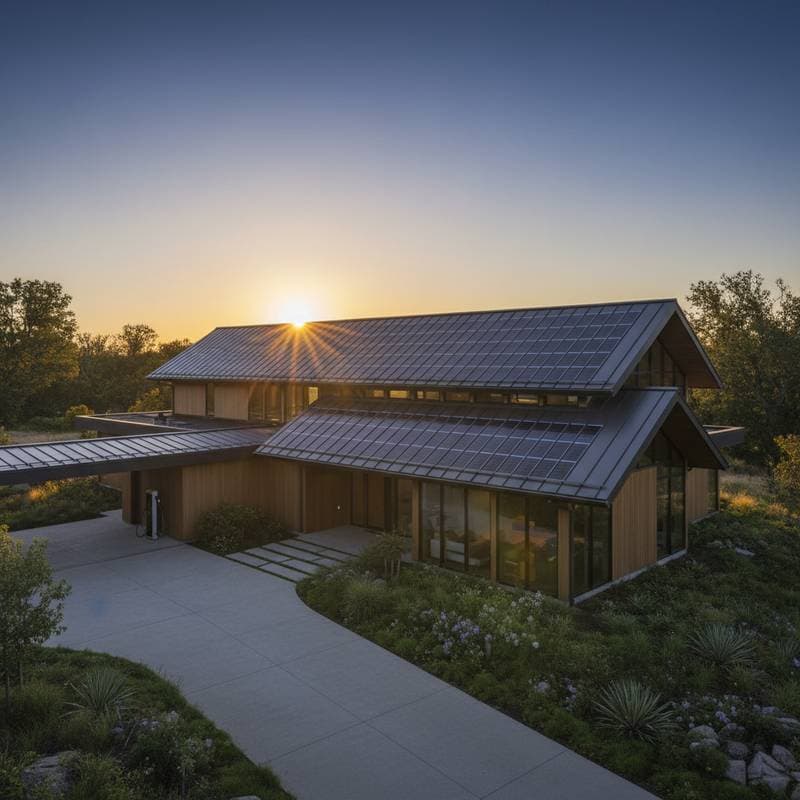
Power Your Roof: Built-In Solar Metal Innovation
Homeowners often desire solar energy yet pause at the prospect of bulky panels and intricate installation processes. Imagine a roof that generates electricity without additional panels. Built-in solar metal roofing, also known as building-integrated photovoltaics or BIPV, achieves this integration. It fuses robust metal roofing with embedded solar cells, transforming the entire surface into an efficient energy producer. This advancement redefines sunlight capture, cost management, and architectural style for residences.
Separate roofs and panels become unnecessary. Select a single solution that safeguards the home, generates electricity, and presents a cohesive appearance from the curb. The principle remains straightforward yet impactful: a roof that delivers financial returns.
Why Built-In Solar Metal Roofing Matters
Rising energy expenses strain family finances, while conventional solar installations often clash with roof replacement timelines. Those planning both upgrades encounter redundant labor, intricate scheduling, and increased waste. Built-in solar metal roofing addresses these issues by consolidating two vital improvements into a unified endeavor.
Metal roofing excels in durability, enduring two to three times longer than asphalt shingles. Embedding solar cells within these panels creates a dual-purpose structure: protection and power generation. Sunlight activates the integrated cells, prompting electrons to flow through conductive layers into an inverter. Electricity production commences upon connection to the grid or a storage battery.
The ecological advantages prove evident. For instance, a standard home installing a 7 kW solar metal roof in a sunny locale generates approximately 9,100 kilowatt-hours annually. With an average utility rate of 24 cents per kilowatt-hour, this offsets about 2,180 dollars in yearly bills, excluding fixed charges. Over the system's life, it avoids emissions equivalent to several tons of carbon dioxide each year.
How It Works
The core technology mirrors conventional photovoltaic principles. The distinction emerges in module assembly. Rather than mounting separate panels on racks, thin solar laminates or shingles adhere directly to the metal substrate. Sections link via hidden wiring conduits, forming a seamless, waterproof barrier resistant to wind and weather.
Sunlight impacts the surface, where photons dislodge electrons in the semiconductor material. Electron movement across the P-N junction generates direct current. An inverter then transforms this into alternating current for home use. Surplus energy returns to the grid or stores in batteries for off-peak consumption.
Integration enhances visual appeal. Options include standing seam designs or matte finishes to suit various architectures. Eliminating racks minimizes roof penetrations, thereby reducing leak risks.
Cost and Payback
Upfront expenses for a solar metal roof exceed those of basic asphalt or rack-mounted systems. For a typical home, costs span 30,000 to 45,000 dollars, influenced by roof size, tilt, and regional labor. Strong long-term value arises from extended lifespans and minimal upkeep for both roof and solar components.
Metal roofs endure 50 years or longer with little degradation. Asphalt alternatives demand replacement one or two times within that span. Accounting for avoided replacements plus energy savings, payback periods range from 8 to 12 years, varying by sunlight and incentives. Post-payback, electricity costs drop to near zero, barring routine checks and cleaning.
Incentives accelerate returns. Tax credits, rebates, and performance payments often offset installation expenses. Utilities may offer net metering or credits for excess output. Verify active programs prior to commitment, and require installers to detail incentive projections in bids.
Installation and Project Steps
Effective projects start with site evaluation. Professionals assess roof direction, slope, shade, and usable area. South-oriented sections maximize output, though east-west faces contribute substantially with thoughtful planning.
Design encompasses panel selection, inverter capacity, and wiring configuration. Upon approval, teams secure permits and utility approvals. Since the roof integrates generation, roofing and electrical experts collaborate closely. Trained specialists finish most residential jobs in several days.
Post-installation, inspections and grid connections follow. Owners access production data via apps or online portals. Monitoring reveals daily kilowatt-hour yields, aiding in spotting seasonal shifts or anomalies.
Maintenance and Longevity
Metal roofs demand scant upkeep beyond yearly cleaning. Integrated solar areas repel debris and shed water efficiently. Minor dust or pollen accumulation slightly hampers output, so hose rinsing or gentle brushing annually preserves peak performance.
Professionals inspect inverters and wiring periodically. Inverters warrant 10 to 15 years, while solar laminates retain over 80 percent efficiency after 25 years. Coatings prevent corrosion and color loss, sustaining aesthetics and function for decades.
Hidden Benefits Beyond Energy
Solar metal roofs offer gains surpassing electricity production. Metal reflects sunlight more than dark shingles, cooling attics and easing air conditioning demands. Interlocking seams enhance insulation by curbing air infiltration. Paired with attic barriers, these features steady indoor climates and muffle external noise.
In hurricane zones, metal withstands hail and gusts superior to other materials. Battery integration supplies outage power for essentials like refrigeration and heating. This durability safeguards critical systems during disruptions.
Solar-equipped homes command premium prices and sell quicker. Buyers value reduced bills and enduring roof integrity.
Choosing the Right Product
Solar metal options vary. Flexible thin-film versions merge subtly, whereas crystalline integrations mimic panel looks. Evaluate efficiency, warranties, and origins. Superior cells yield more power per area, ideal for constrained roofs.
Request production simulations using your roof's specifics and local solar data. Ensure bids standardize array size, inverter performance, and shade factors for apples-to-apples comparisons. Reputable providers furnish certification proofs, safety specs, and end-of-life recycling plans.
Lifestyle Habits That Maximize Value
Pairing a solar roof with mindful practices amplifies savings and eases system load. Implement these routines:
- Operate large appliances midday during peak generation.
- Adjust smart thermostats to align heating or cooling with solar hours.
- Swap incandescent lights for LEDs.
- Disconnect unused devices or employ smart strips.
- Maintain HVAC filters for optimal airflow.
Such steps extend solar benefits, cut grid dependence, and elevate daily comfort.
Next Steps for Homeowners
Embark by gathering 12 months of utility statements to map consumption. Engage at least two certified providers of integrated solar metal systems. Solicit shade analyses and verify code compliance for BIPV. Explore funding via loans, leases, or power agreements; consider property taxes if offered.
After setup, review performance monthly. Clear gutters and prune shading foliage. Arrange biennial expert checks for wiring and seals. Routine care secures prolonged energy and protection.
Investing in built-in solar metal roofing fosters enduring security and autonomy. Each generated kilowatt-hour diminishes fossil fuel needs and advances communal sustainability. View your roof as an active ally, harnessing sun to fuel everyday existence.
FAQ
Q1: How does a solar metal roof differ from regular solar panels?
A solar metal roof integrates photovoltaic material directly into the roofing surface, eliminating separate racks and panels.