
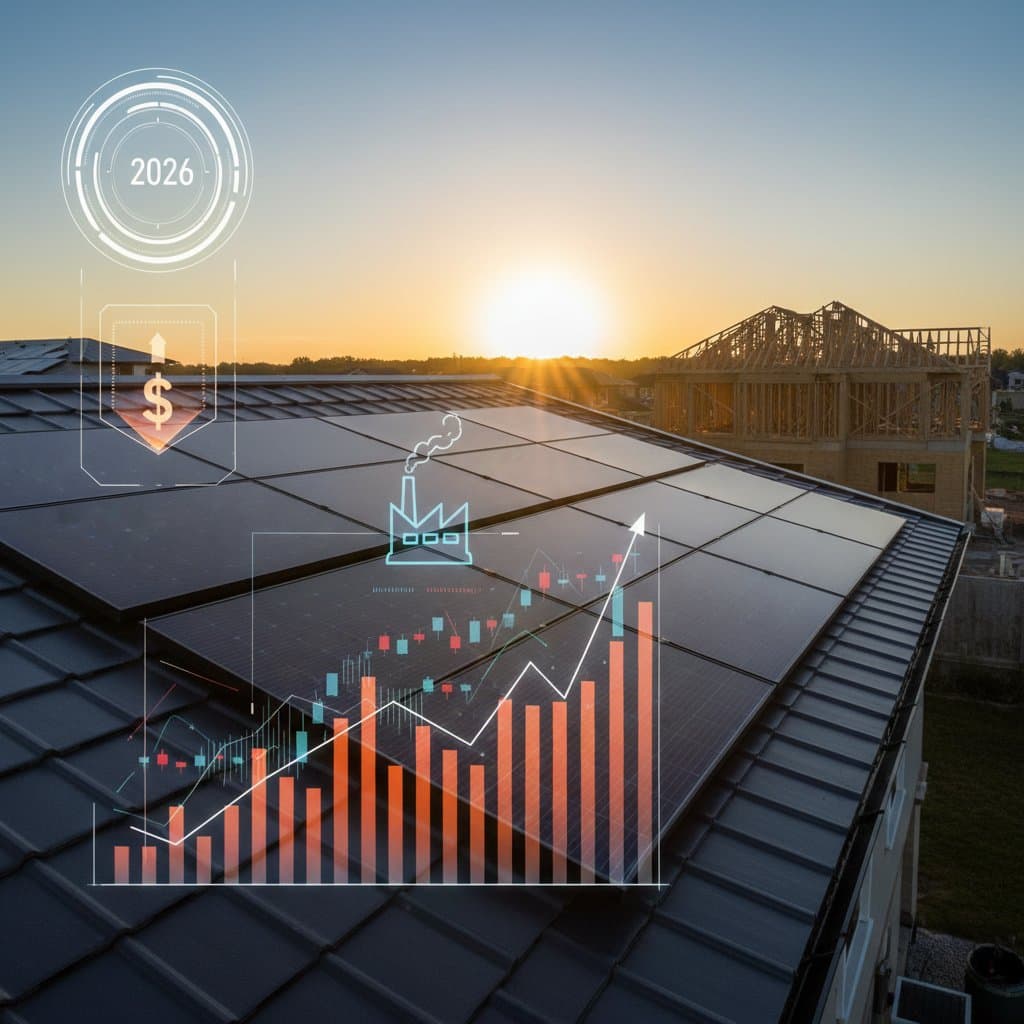
Understanding the 2026 Solar Tariffs and Their Effect on Panel Costs
Homeowners nationwide face a significant shift with the introduction of new tariffs on imported solar panels in 2026. These measures target overseas manufacturing, which supplies the majority of panels used in residential installations. As a result, the price of solar equipment stands to rise substantially, potentially adding thousands of dollars to the total cost of a home system.
For those in Philadelphia and surrounding areas considering solar adoption, grasping these changes proves crucial. Tariffs alter not only immediate expenses but also broader aspects like material availability and project feasibility. This overview clarifies the implications and outlines strategies to navigate the increased costs effectively.
Primary Effects on Residential Solar Projects
Tariffs extend beyond the sticker price of individual panels to reshape the entire installation process. Imported modules, which dominate the market, will incur higher duties, prompting distributors to pass along the added expense. In response, U.S.-based producers might adjust their pricing upward to align with the new market equilibrium.
Supply disruptions represent another concern. Suppliers frequently build inventories ahead of tariff implementation, creating a temporary buffer of lower-cost panels. However, once these reserves deplete, renewed shortages could drive prices even higher, complicating access to quality components.
Installation timelines also face pressure. Contractors may pause new starts to secure pre-tariff shipments, leading to extended wait times for homeowners. This delay can coincide with seasonal factors, such as optimal roofing conditions in spring or fall, further complicating planning.
Finally, the financial outlook shifts. Elevated upfront investments extend the payback period, as homeowners depend on utility bill reductions and incentives to recoup costs. Regional variations play a role here; Pennsylvania's solar renewable energy credits and local rebates can mitigate some increases, though they rarely cover the full tariff burden.
Limitations of Expanding Domestic Solar Production
Efforts to bolster U.S. manufacturing through federal incentives and private funding have yielded new facilities in states like Georgia and Ohio. These developments aim to lessen reliance on foreign imports, which currently account for over 80 percent of solar modules installed domestically. Yet, current output from these plants meets only a fraction of the surging national demand driven by residential and commercial growth.
Domestic panels carry inherent cost disadvantages stemming from elevated labor rates, stringent environmental regulations, and smaller-scale operations. Industry analysts project that even with accelerated factory expansions, imports will remain essential for at least the next several years. The tariffs intend to accelerate this shift, but scaling production involves complex logistics, including securing raw materials like polysilicon, which itself faces global supply constraints.
Philadelphia-area homeowners benefit from proximity to emerging East Coast manufacturing hubs, yet national trends suggest persistent import dependence. To counter this, consult installers with diversified sourcing networks. These professionals can blend domestic and imported options to balance cost and availability without sacrificing performance.
Insights from Local Installers and Industry Experts
Professionals in the Philadelphia region, including certified electricians and solar contractors, note a surge in inquiries about tariff preparedness. Customers seek clarity on equipment origins and potential price fluctuations. A seasoned master electrician from the area observes, "We prioritize safety and adherence to codes above all, regardless of material expenses."
This perspective aligns with guidance from the Solar Energy Industries Association, which stresses the risks of substandard installations. Improper photovoltaic wiring or inadequate inverter connections can lead to electrical fires or system failures, endangering homes and voiding warranties. The association advocates for hiring NABCEP-certified installers who verify compliance with National Electrical Code standards throughout the process.
Such advice underscores a fundamental principle: pursuing affordability must not undermine reliability. Homeowners should request detailed proposals that specify component sourcing and include contingency plans for tariff-related adjustments.
Strategies to Mitigate Tariff Impacts and Optimize Your Solar Investment
Despite the challenges, solar remains a viable path to energy independence and cost savings over time. Innovations in panel efficiency, such as bifacial designs that capture sunlight from both sides, help offset price hikes by generating more power per unit. Similarly, advancements in energy storage integration allow systems to maximize self-consumption, enhancing returns amid fluctuating utility rates.
To position yourself advantageously, track announcements from the U.S. Department of Energy, which provides forecasts on policy and market shifts. Engage with the Solar Energy Industries Association for resources on vetted suppliers and emerging technologies.
When selecting an installer, inquire specifically about options for U.S.-made panels from brands like First Solar or Qcells' domestic lines. These choices may qualify for additional federal tax credits under the Inflation Reduction Act, further reducing net costs.
For existing solar owners, proactive maintenance preserves value. Arrange annual inspections by licensed electricians to examine panel alignment, inverter functionality, and wiring integrity. Address issues like loose connections or dust accumulation promptly to maintain peak output and avoid tariff-exacerbated repair expenses.
Actionable Steps Tailored for Philadelphia Residents
Begin by evaluating your home's solar potential using tools from local utilities like PECO. This assessment identifies ideal system size and estimates savings based on current rates.
Next, secure quotes from multiple NABCEP-certified installers in the Philadelphia metro area. Compare not just prices but also timelines, warranties, and sourcing strategies to anticipate tariff effects.
Consider financing options that lock in rates before 2026, such as solar loans or leases that incorporate incentive projections. These arrangements can stabilize costs and accelerate payback through Pennsylvania's net metering benefits.
Finally, join community solar initiatives if full rooftop installation proves unfeasible. These programs offer shared access to arrays, distributing tariff risks while delivering bill credits to participants.