
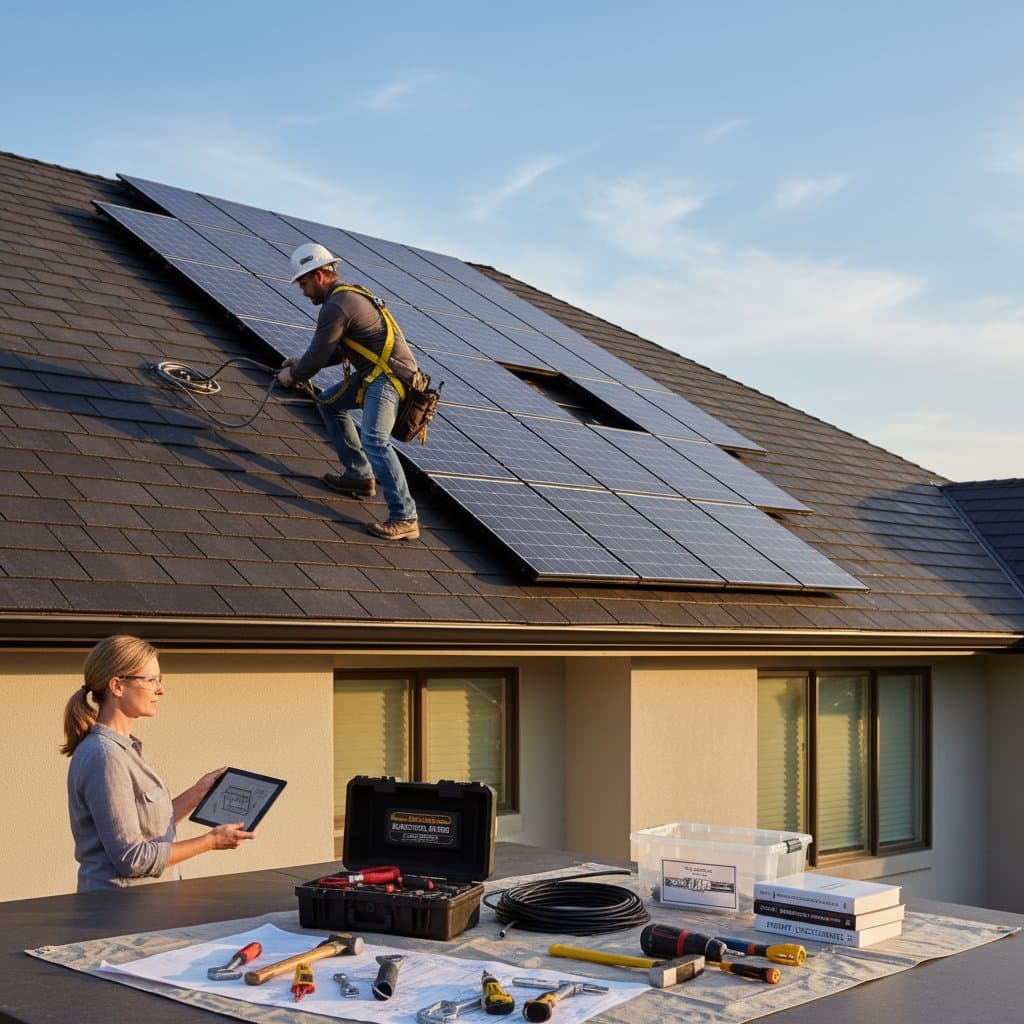
Why Solar Shingles Require Professional Installation
Solar shingles integrate renewable energy generation with traditional roofing materials. These innovative products offer a seamless aesthetic while producing clean electricity. However, their installation involves complex electrical and structural considerations that demand expertise. Homeowners must understand the boundaries of do-it-yourself efforts to ensure safety, compliance, and optimal performance.
This article explores the critical reasons for involving licensed professionals, highlights key tools and hazards, and provides practical guidance for planning a successful solar roof upgrade. By prioritizing certified installation, individuals can maximize energy savings, secure incentives, and protect their investment.
Understanding the Complexity of Solar Shingle Systems
Solar shingles function as both protective roof coverings and photovoltaic generators. Unlike traditional panels mounted above the roof surface, these units embed directly into the roofing structure. This integration requires precise alignment to maintain waterproofing and structural integrity.
Installation challenges arise from the need to balance electrical connections with roofing techniques. Professionals assess roof pitch, load-bearing capacity, and exposure to weather elements before proceeding. Attempting a full DIY approach risks voiding warranties and compromising system reliability.
Indicators That Demand Licensed Expertise
Certain aspects of solar shingle projects exceed typical homeowner skills and necessitate professional intervention. Recognize these scenarios to avoid potential dangers.
- Integration with the home's main electrical service panel or subpanels, which involves high-voltage handling.
- Setup and configuration of inverters that convert direct current to alternating current for household use.
- Implementation of proper bonding and grounding to prevent electrical faults.
- Identification and remediation of issues like damaged wiring, corroded connections, or exposed conductors.
- Adaptation to older electrical systems, such as those with aluminum wiring or obsolete circuit breakers.
Licensed electricians perform essential tests for voltage levels, grounding effectiveness, and fault protection mechanisms. They adhere to the National Electrical Code along with jurisdiction-specific amendments. Such compliance ensures the system operates safely and qualifies for regulatory approvals.
Essential Tools for Preparation and Safe Handling
Effective preparation relies on specialized tools that meet industry standards. Using substandard equipment can lead to installation flaws or safety incidents.
Required tools include:
- A torque screwdriver calibrated to tighten terminals according to manufacturer specifications.
- A non-contact voltage tester to confirm circuits remain de-energized during work.
- A digital multimeter for verifying continuity, polarity, and resistance in connections.
- A roofing nail gun or hammer equipped with corrosion-resistant fasteners for secure mounting.
- Safety harnesses, roof anchors, and stable ladders to prevent falls from elevated surfaces.
Select tools from reputable suppliers and inspect them prior to use. Training in their operation enhances accuracy and reduces error risks.
Critical Materials for Durable Installations
Materials must withstand environmental stresses while supporting energy production. Opt for components certified for solar applications to guarantee longevity.
Vital materials encompass:
- High-temperature-rated underlayment to protect against heat buildup from shingles.
- Flashing kits engineered specifically for seamless integration with solar shingles.
- Outdoor-rated wire connectors that resist moisture and ultraviolet degradation.
- Ground-fault circuit interrupter (GFCI) and arc-fault circuit interrupter (AFCI) devices as mandated by electrical codes.
- Sunlight-resistant conduit and fittings to shield wiring from exposure.
Verify listings from recognized testing laboratories before procurement. Proper material selection minimizes maintenance needs and extends system lifespan.
Identifying and Mitigating Installation Hazards
Electrical and physical risks accompany solar shingle projects. Awareness of these threats allows for proactive measures.
Primary hazards involve:
- Electrical shock from inadvertently energized circuits without thorough testing.
- Falls from roofs due to inadequate harness securing or unstable footing.
- Fire hazards stemming from loose connections or undersized wiring that overheats.
- Water infiltration through improperly sealed penetrations or flashing omissions.
Frequent failure points include:
- Arcing caused by loose wire terminations that degrade over time.
- Cracks in shingle modules from foot traffic or dropped tools during installation.
- Overheating in junction boxes lacking sufficient ventilation.
- Inverter malfunctions triggered by incorrect grounding configurations.
Upon detecting any issue, immediately disconnect the inverter and summon a licensed electrician. Avoid manipulating live wires or accessing sealed components without authorization.
Optimizing Energy Output and System Efficiency
Solar shingles deliver power at a lower density per square foot compared to conventional panels. Their design prioritizes visual harmony over maximum output, which influences overall efficiency.
Factors such as roof orientation, shading from nearby structures, and regional climate patterns affect performance. A professional installer utilizes site-specific data to simulate annual energy production. This modeling aligns the system size with household energy demands and available utility incentives.
For roofs with varied exposures, hybrid configurations prove beneficial. Place shingles on prominent slopes for aesthetics and supplement with traditional panels on obscured areas to boost total yield. Such strategies enhance return on investment while upholding design preferences.
Routine Maintenance and Issue Resolution
Correctly installed solar shingles require little ongoing care. Regular inspections preserve functionality and detect problems early.
Remove debris promptly to avoid shading effects on output. Clean surfaces with water and a soft brush, avoiding abrasive methods that could scratch modules. Monitor the inverter interface for alerts indicating reduced performance or faults.
Monitor for these indicators:
- Sudden declines in daily energy generation.
- Visible discoloration, bubbling, or delamination on shingle surfaces.
- Accumulation of moisture or contaminants within conduit enclosures.
- Activation of inverter error codes or illuminated warning indicators.
In cases of abrupt output drops, employ a non-contact tester at safe access points. Then, engage the original installer for diagnosis. Refrain from disassembling shingles or connectors to prevent warranty invalidation.
Navigating Financial Incentives and Costs
Solar shingle investments benefit from various financial supports. Federal tax credits and local utility rebates reduce upfront expenses when systems meet certification criteria.
Eligibility frequently hinges on employing licensed installers and approved equipment. Consult federal and municipal agencies to verify qualification for DIY elements. Certain programs mandate documentation of professional electrical oversight.
Projected costs for 2026 installations range from $20,000 to $50,000 for average homes, depending on roof size and system capacity. Factor in long-term savings from energy bill reductions and incentive offsets. A detailed cost-benefit analysis from a professional aids informed decision-making.
Choosing High-Quality Solar Shingle Products
Product selection influences installation feasibility and long-term reliability. Prioritize manufacturers with proven track records in integrated solar roofing.
Evaluate certifications from bodies like Underwriters Laboratories for safety and performance. Review warranties covering both roofing and electrical components, typically spanning 25 years. Consider output ratings, durability against hail and wind, and compatibility with existing roof types.
Seek products with comprehensive installation manuals and support resources. User feedback from similar climates provides insights into real-world efficiency. Investing in reputable brands minimizes risks and ensures seamless integration.
Actionable Steps for a Successful Solar Roof Project
Embark on your solar shingle initiative with structured planning. These steps guide homeowners toward a compliant and effective outcome.
- Arrange evaluations by a licensed solar electrician and roofing specialist. Obtain a detailed report on roof suitability and electrical infrastructure.
- Compile records of local permitting requirements, grid interconnection protocols, and available incentives.
- Choose certified equipment with straightforward installation protocols and robust support.
- Define personal contributions, such as site preparation, while delegating electrical and structural tasks to experts.
- Schedule follow-up inspections after severe weather events or at intervals of two to three years to verify system condition.
Realizing Long-Term Benefits of Professional Installation
Engaging licensed professionals for solar shingle installation unlocks sustained advantages. Systems operate at peak efficiency, generating reliable power and qualifying for financial perks.
Homeowners enjoy reduced energy costs, enhanced property value, and environmental contributions through lower carbon emissions. Compliance safeguards against liabilities, while expert oversight ensures durability against Philadelphia's variable weather. This approach transforms roofs into enduring assets for energy independence.