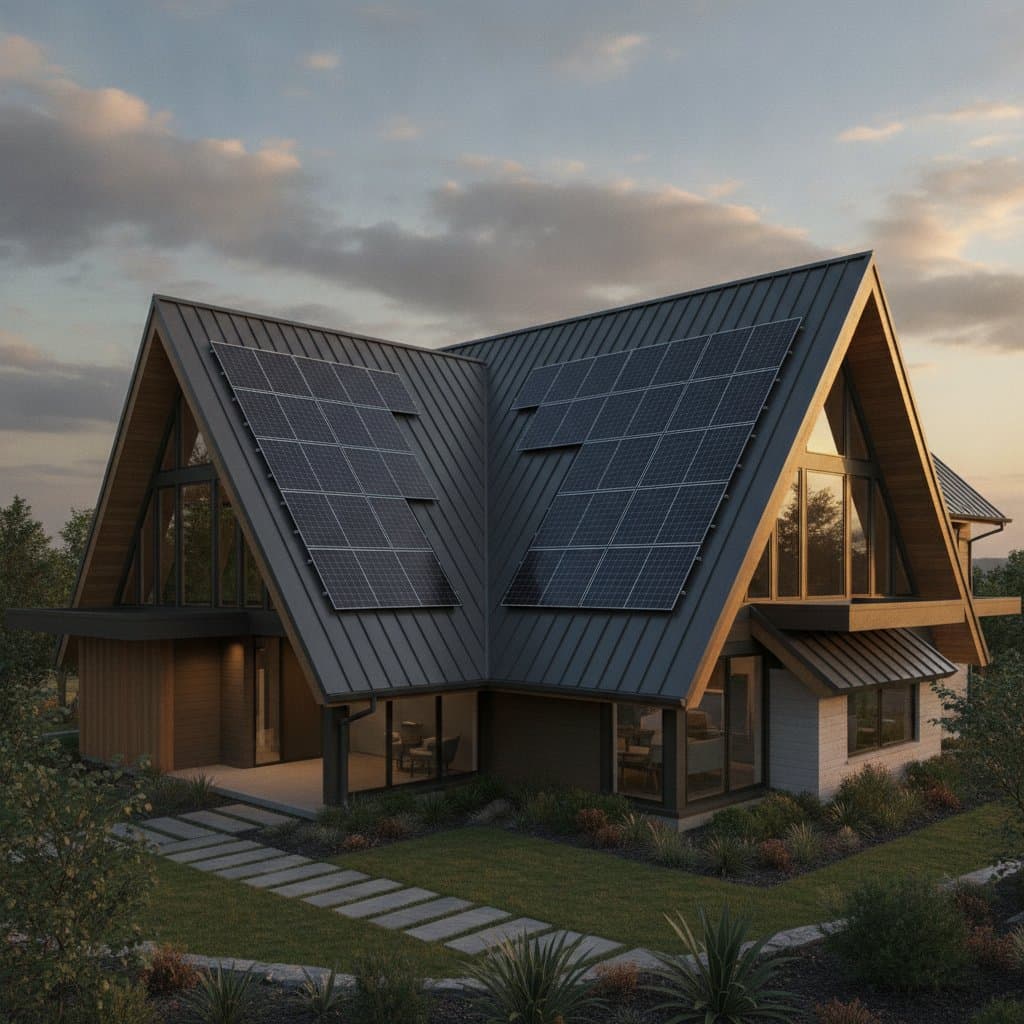
Why Ground-Mount Solar Beats Rooftop Panels in 2026
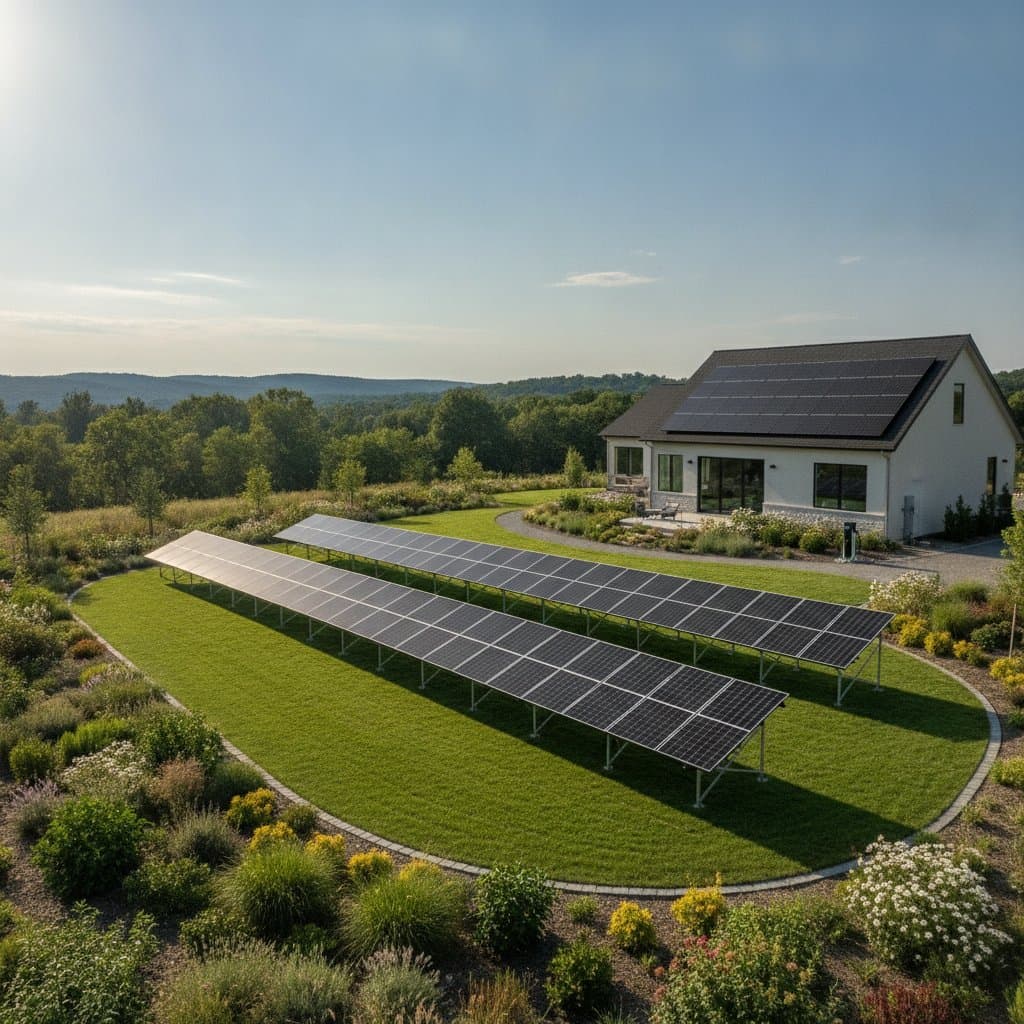
Ground-mount solar systems now offer homeowners improved energy production, easier access for maintenance, and greater placement flexibility compared with traditional rooftop arrays.
Loading...
Showing articles 25 - 36 of 688
Ground-mount solar systems now offer homeowners improved energy production, easier access for maintenance, and greater placement flexibility compared with traditional rooftop arrays.
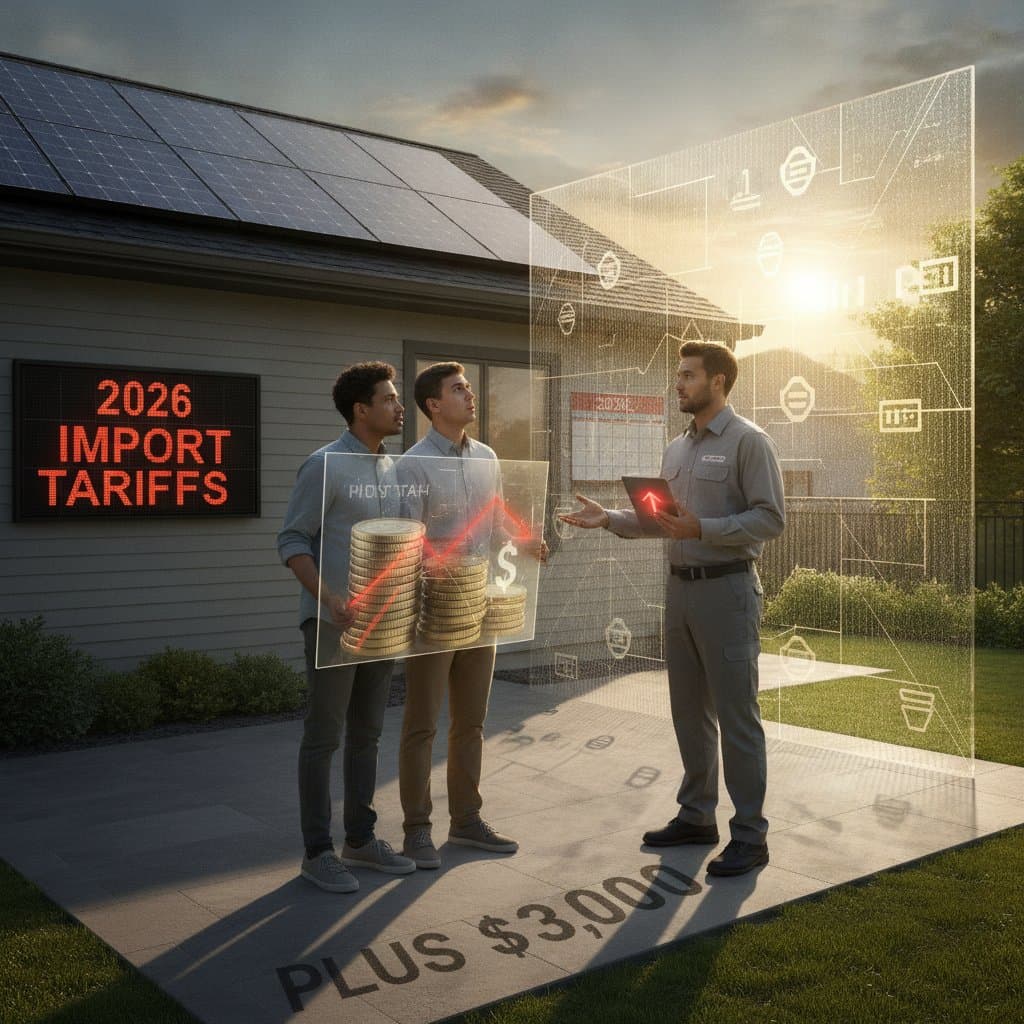
New tariffs could increase solar installation costs starting in 2026. This guide explains the impact on pricing and incentives while outlining practical steps to secure current rates and maximize long term savings.
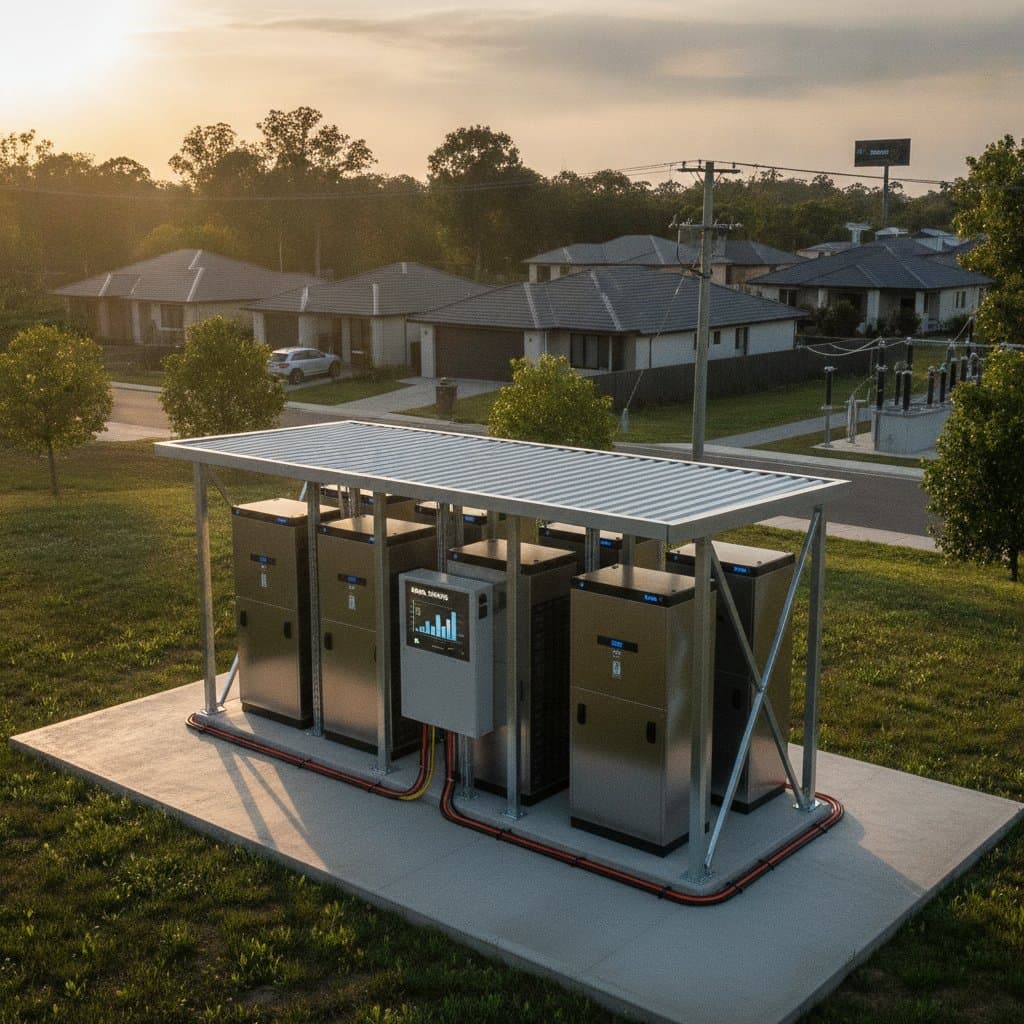
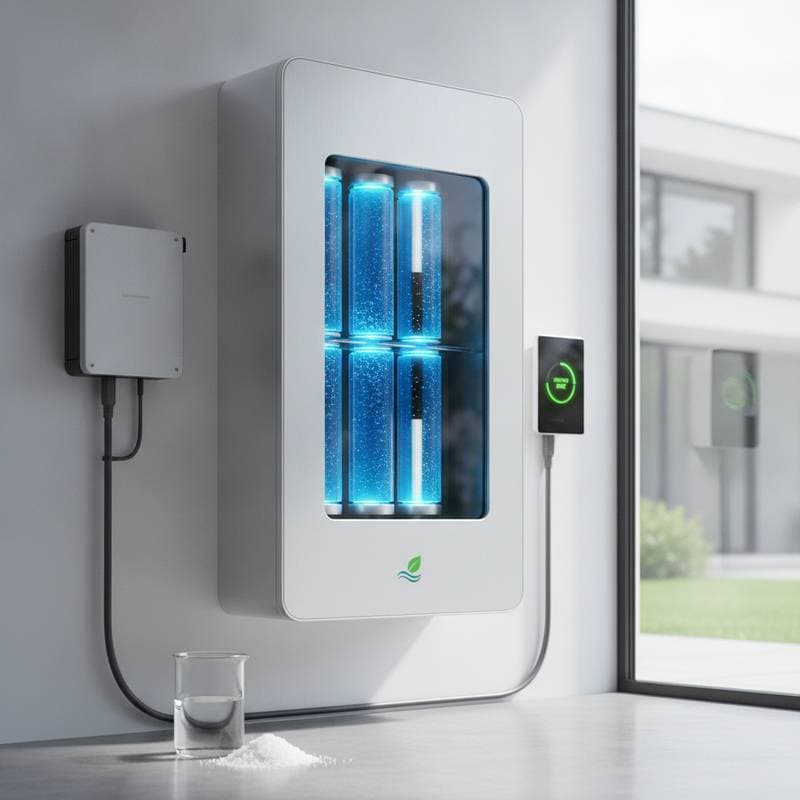
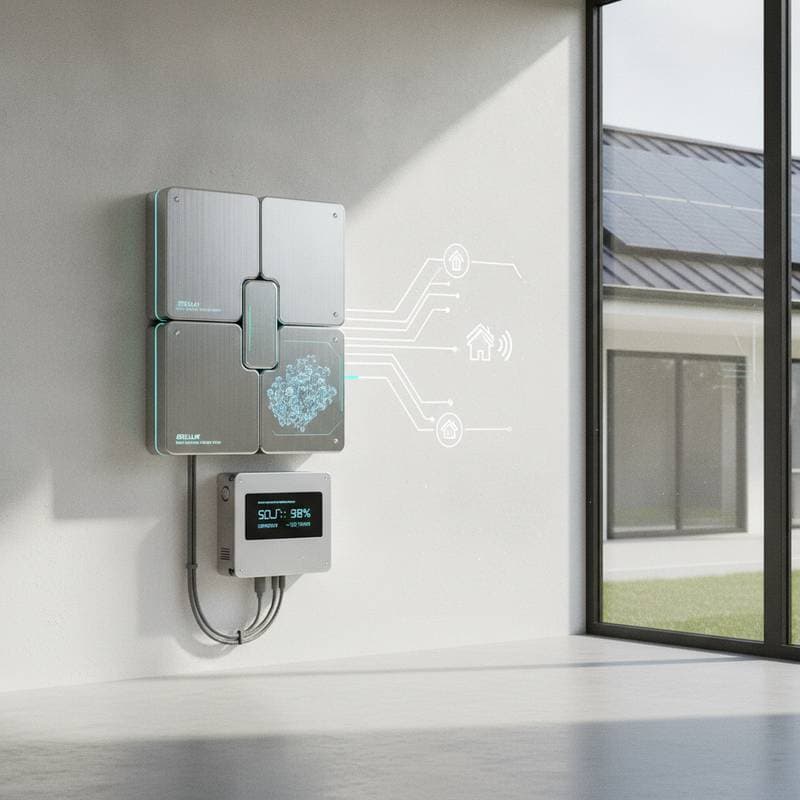
Saltwater batteries give homeowners a nonflammable storage choice that avoids lithium fire risks. Water based electrolytes reduce toxicity and simplify recycling while delivering reliable daily performance with basic upkeep.
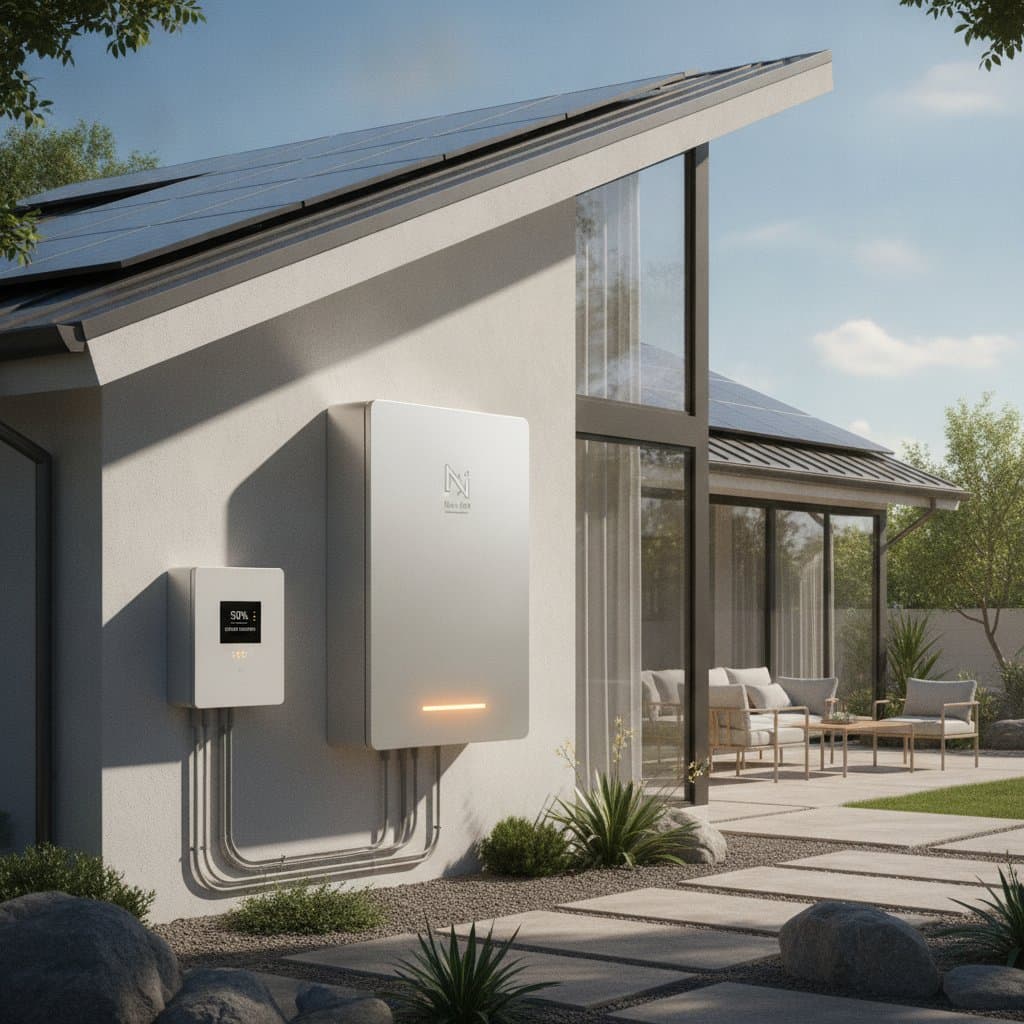
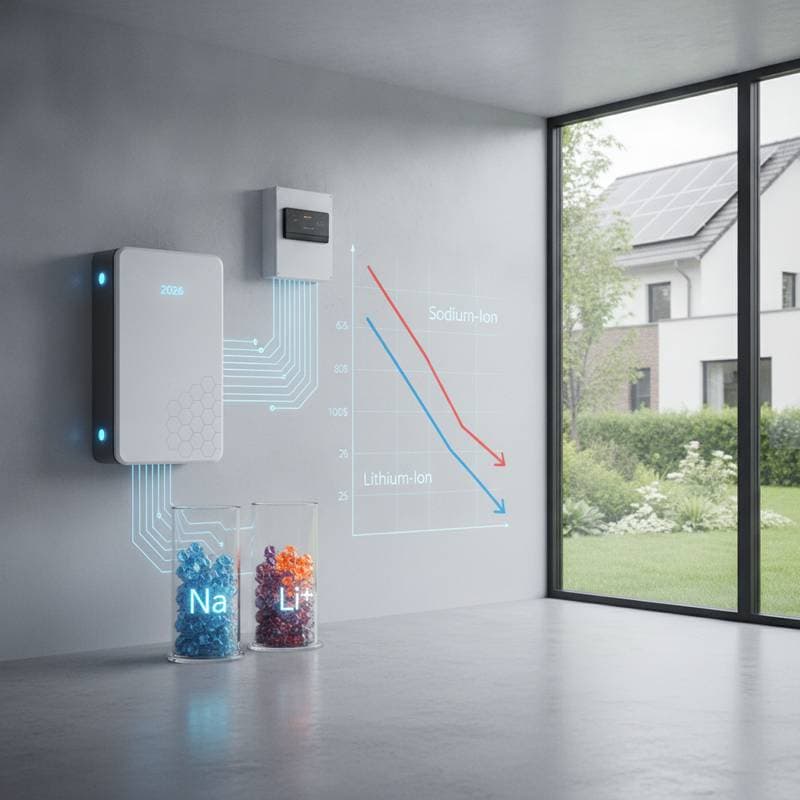
Sodium-ion batteries emerge as a safer and more affordable alternative to lithium systems for home solar storage. They use abundant materials that lower prices while supporting stable performance and simpler recycling.
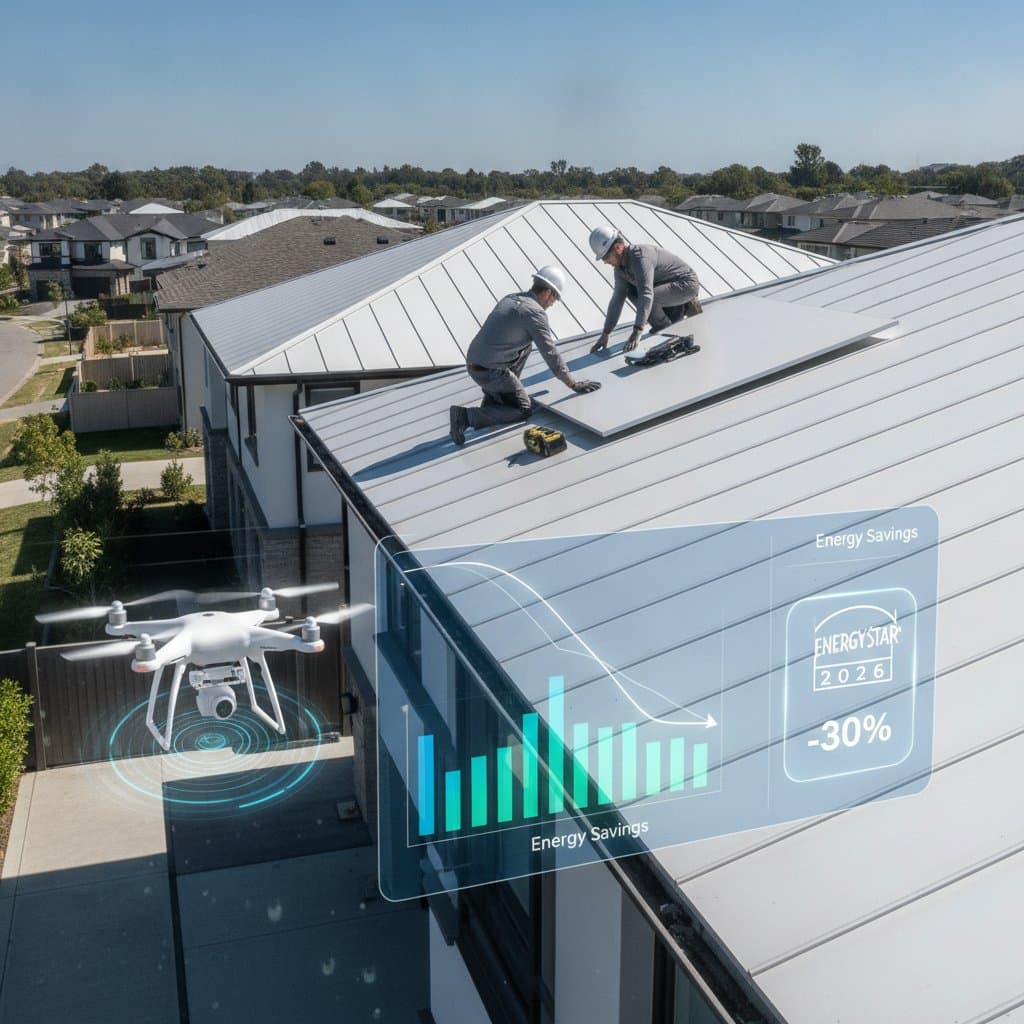
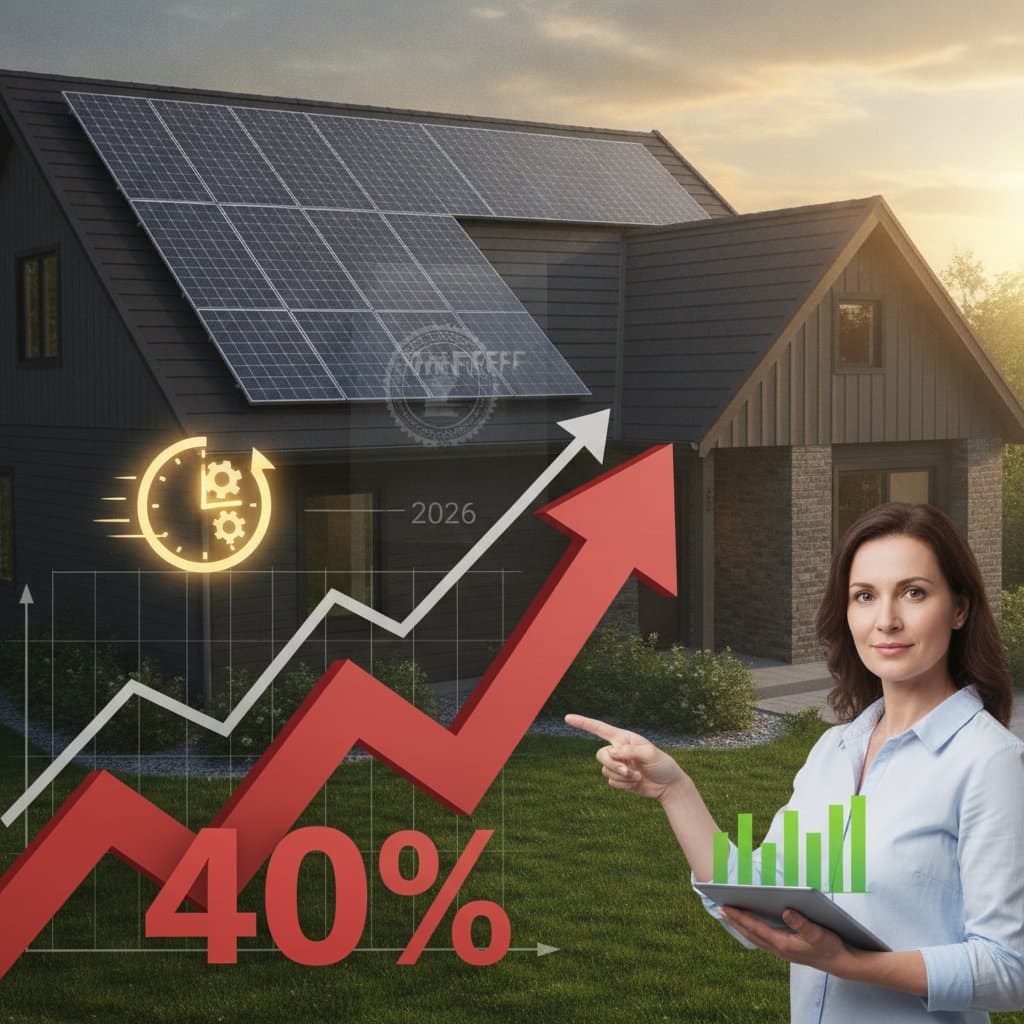
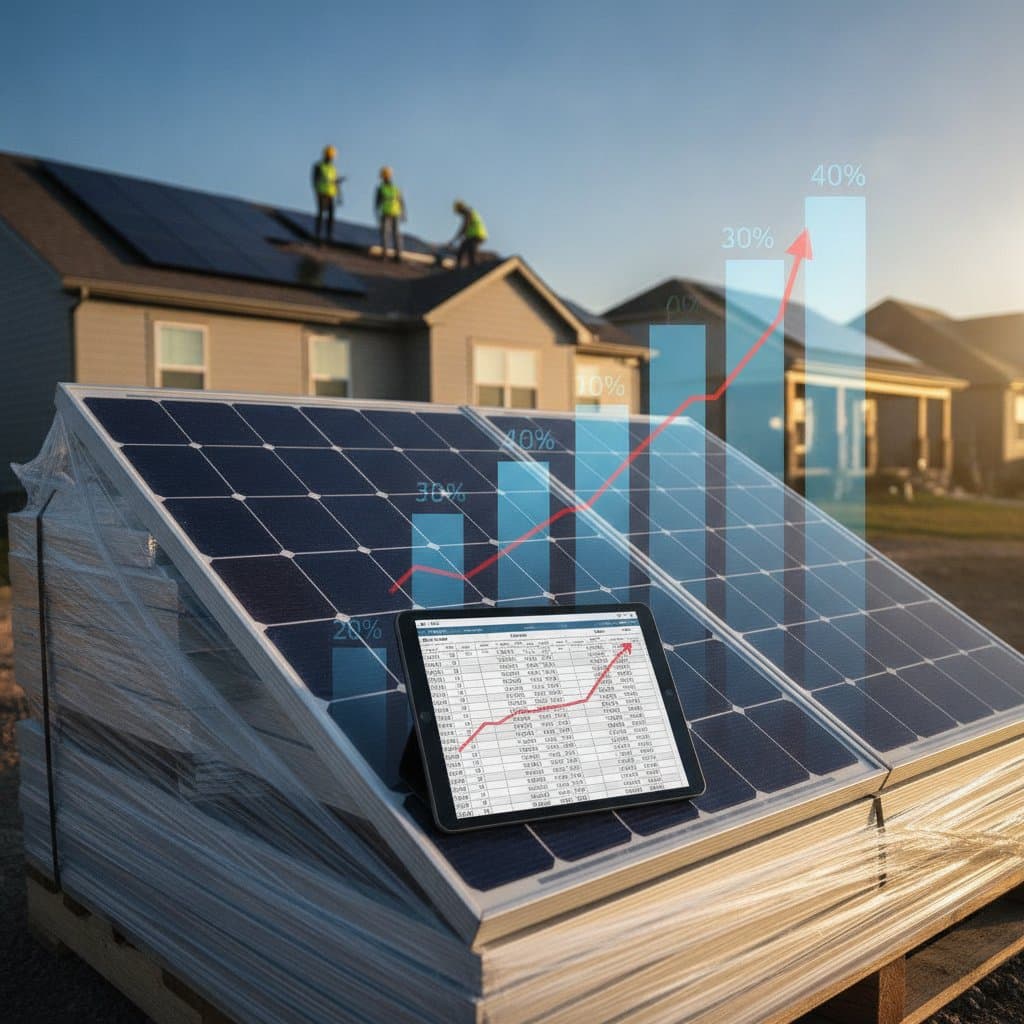
Starting in 2026, new tariffs could raise solar panel costs by up to 40%, adding thousands to system prices and extending payback periods. Homeowners can still secure lower rates by acting early, exploring U.S. made options, and locking in contracts before duties take effect to maximize long term solar savings.
A 40 percent rise in imported solar panel prices approaches with 2026 tariffs. Homeowners can still act early to lock in lower rates and preserve payback periods.
Tariffs planned for 2026 could lift imported panel costs 10 to 20 percent. Domestic production growth will take time, yet incentives, financing, and early purchasing can help homeowners control expenses and maintain strong payback periods.
Solar panel prices could climb 25% by 2026 due to new tariffs, raising system costs and extending payback times. Yet smart planning, incentives, and early quotes can offset increases. With efficiency gains and strong long-term savings, homeowners still have powerful reasons to act now and secure affordable clean energy.
Installers project that 2026 import tariffs could raise residential solar costs by 10 to 20 percent. Early planning through multiple quotes, incentive checks, and efficiency upgrades helps homeowners protect payback periods and long term returns.
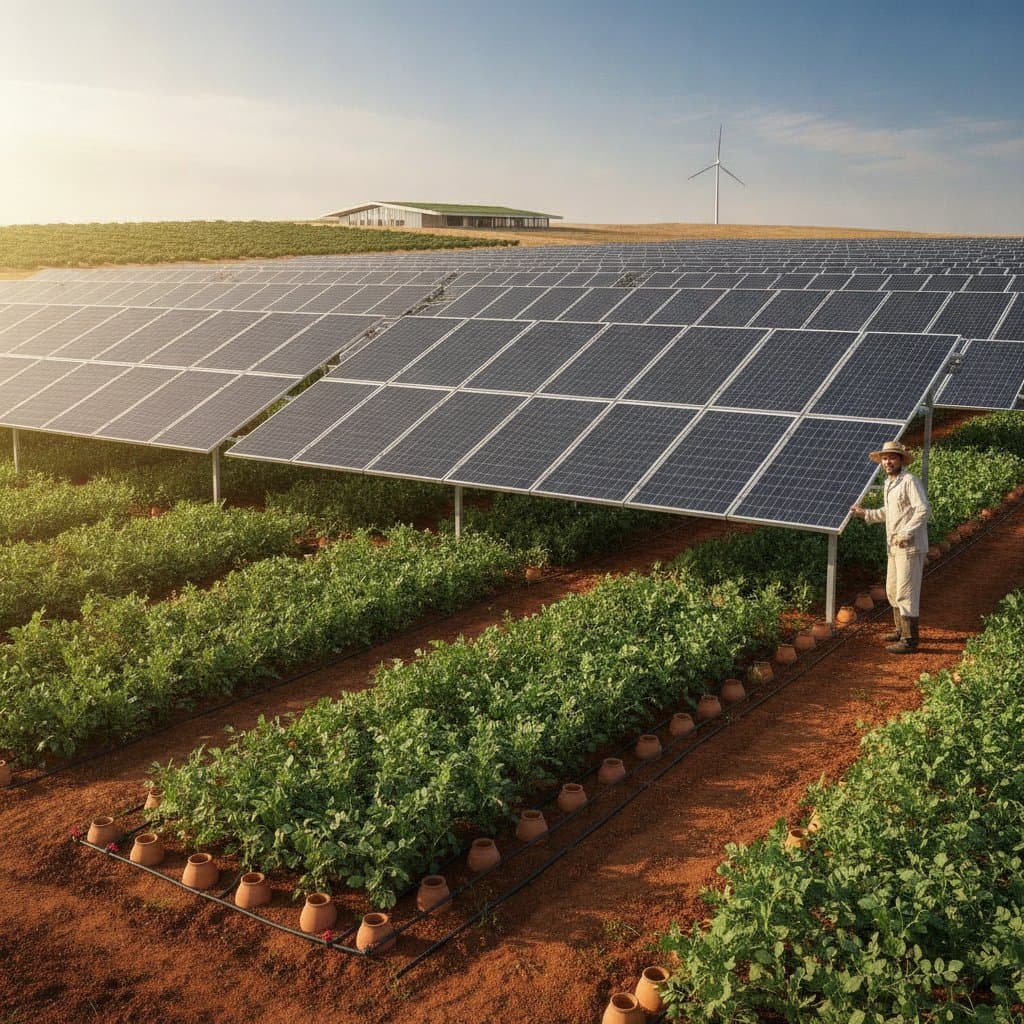
Agrivoltaics enables farmers to generate solar power and grow food on shared land. The approach raises income, improves soil conditions, and strengthens resilience against weather extremes.
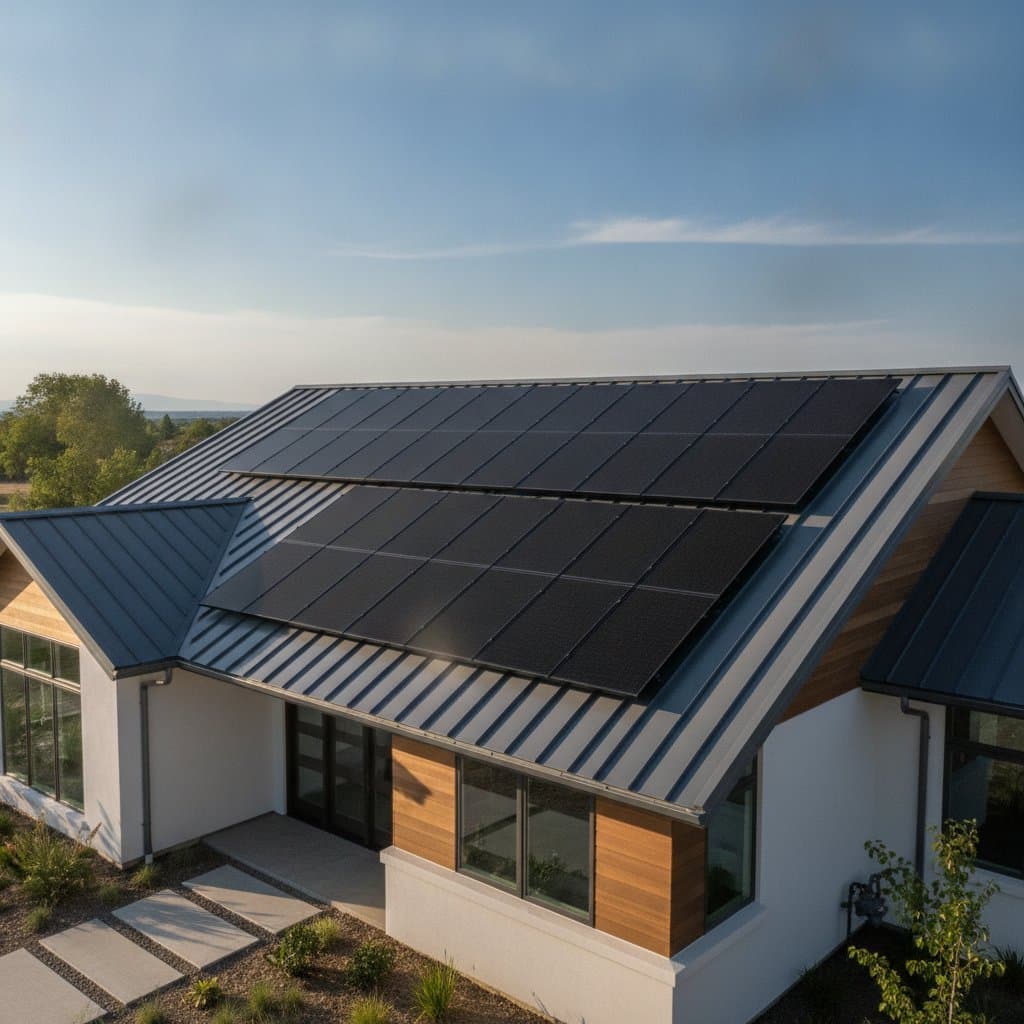
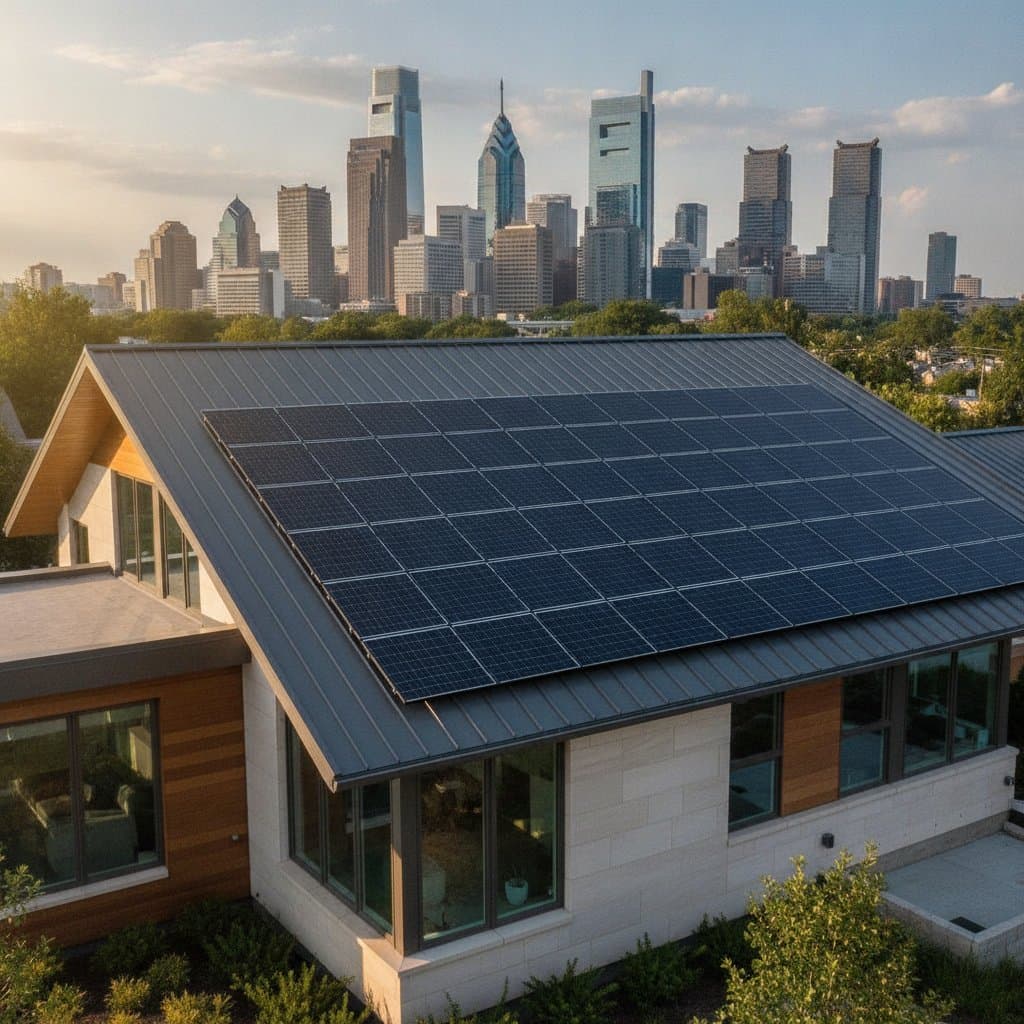
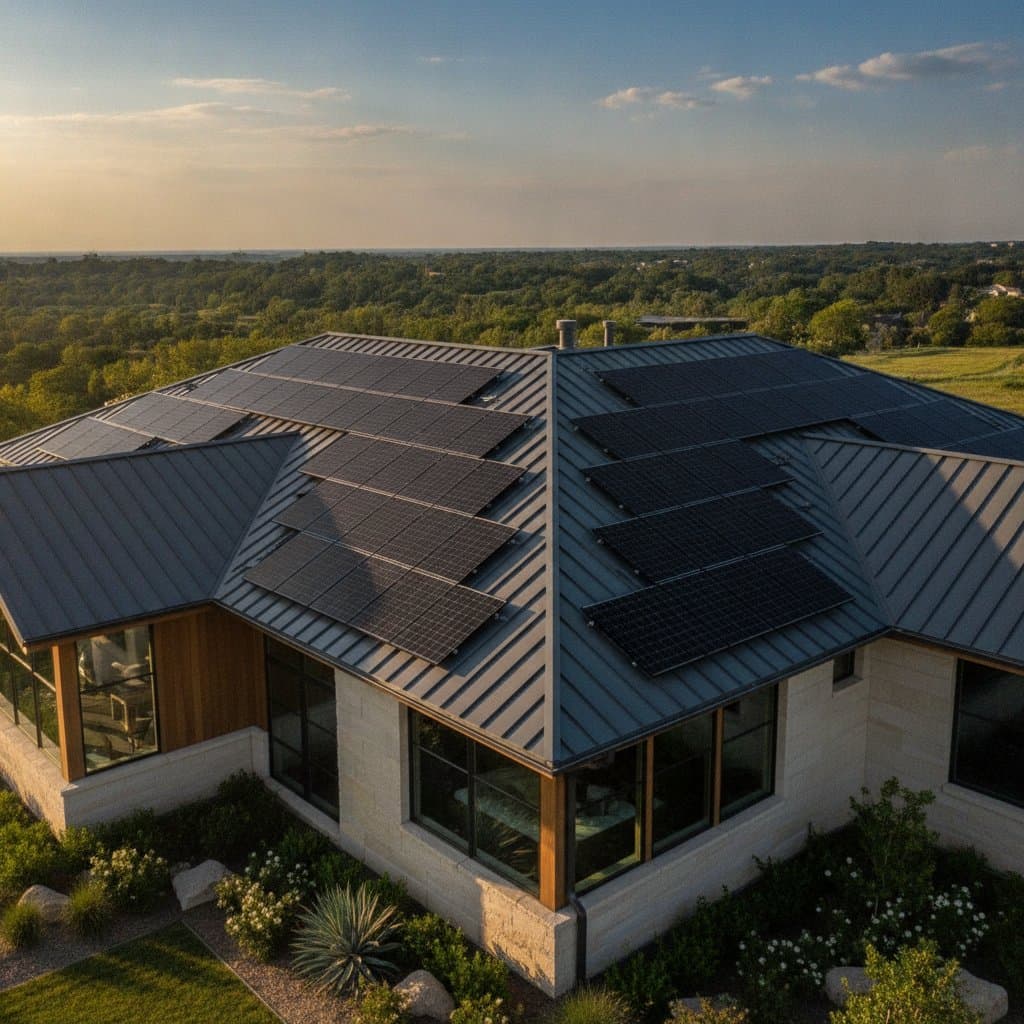
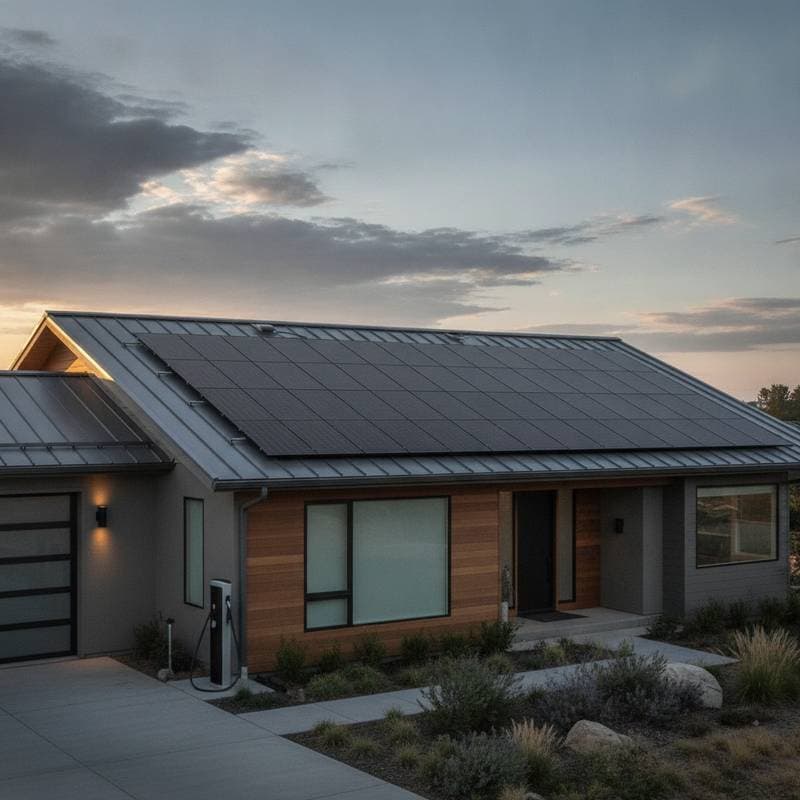
Metal roofs are the top choice for solar installations, offering unmatched durability, leak-free mounting, and long-term savings. Their reflective surfaces boost panel efficiency, while their lifespan aligns perfectly with solar warranties. Though costlier upfront, metal roofs minimize maintenance, prevent re-roofing expenses, and deliver decades of reliable, energy-efficient performance.
Sodium ion batteries provide lower costs, safer operation, and sustainable materials for solar storage. They offer reliable cycle life and cold weather performance that support faster payback for residential systems.
In 2026, solar installers increasingly favor metal roofs for their unmatched durability, easy non-penetrating mounts, and efficiency-boosting reflectivity. With lifespans exceeding solar panels, metal roofs minimize maintenance, lower lifetime costs, and enhance aesthetics. They represent the sustainable, long-term choice that gives homeowners confidence and installers smoother, more reliable solar integrations.
Solid-state batteries deliver safer operation, higher efficiency, and longer service life for home solar storage, reducing space needs and lifetime costs as prices decline.
New tariffs on imported solar components will increase panel prices 20 to 40 percent. Homeowners can still achieve solid returns by timing projects, applying tax credits, and optimizing system design.
The HEEHRA program supplies as much as 8000 dollars per household for electric heat pumps, water heaters, and insulation. These incentives shorten payback periods, improve indoor air quality, and raise property value while advancing a cleaner energy system.
Projected 2026 tariffs could raise solar panel prices by up to 40 percent. This guide explains supply impacts, cost examples, and practical steps to protect savings through timing and incentives.
Metal roofs pair effectively with solar systems due to extended lifespan and reflective properties. Homeowners gain reduced maintenance, lower cooling costs, and strong financial returns over decades.
Metal roofs have become the top choice for solar installers, offering unmatched durability, safety, and efficiency that align with solar panel lifespans while minimizing maintenance.
New 2026 tariffs could raise U.S. solar panel costs by 5 to 10 percent and add up to 2000 dollars to typical home systems. Explore pricing impacts, payback changes, and timing strategies that help homeowners and installers lock in current rates.