New 2026 Solar Tariffs Could Add $1,800 to Panel Costs
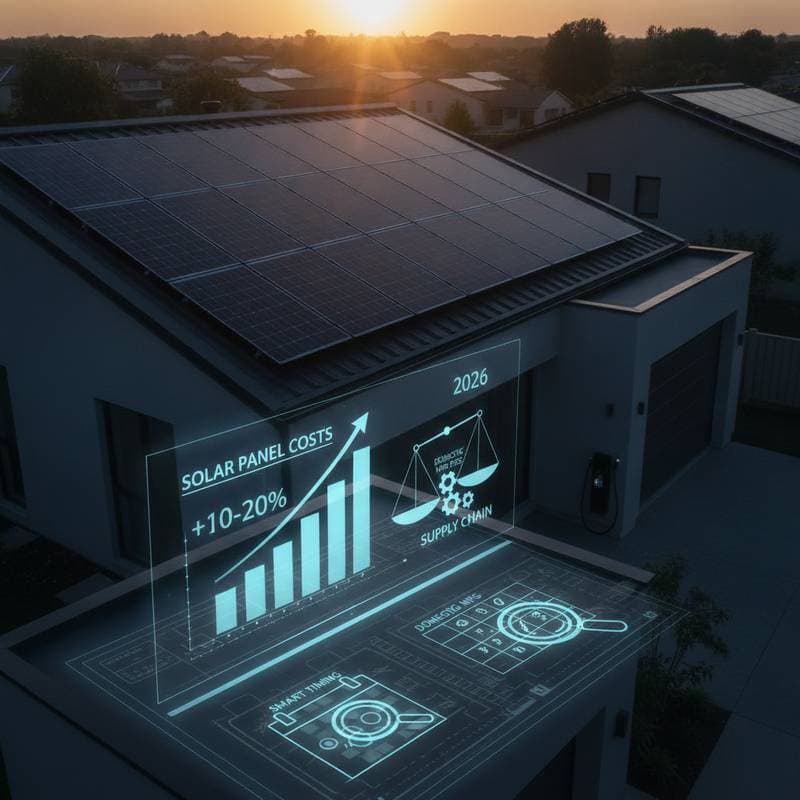
New 2026 solar tariffs could raise panel prices by up to twenty percent. Discover how these changes influence project budgets and what actions protect your investment in solar energy.
Loading...
Articles tagged with solar-tariffs-2026
New 2026 solar tariffs could raise panel prices by up to twenty percent. Discover how these changes influence project budgets and what actions protect your investment in solar energy.
New 2026 import rules may raise solar panel prices modestly, yet incentives and expanding domestic manufacturing support solar as a strong investment. Explore how tariffs, local production, and rebates shape costs while discovering steps to plan effectively and maximize savings.
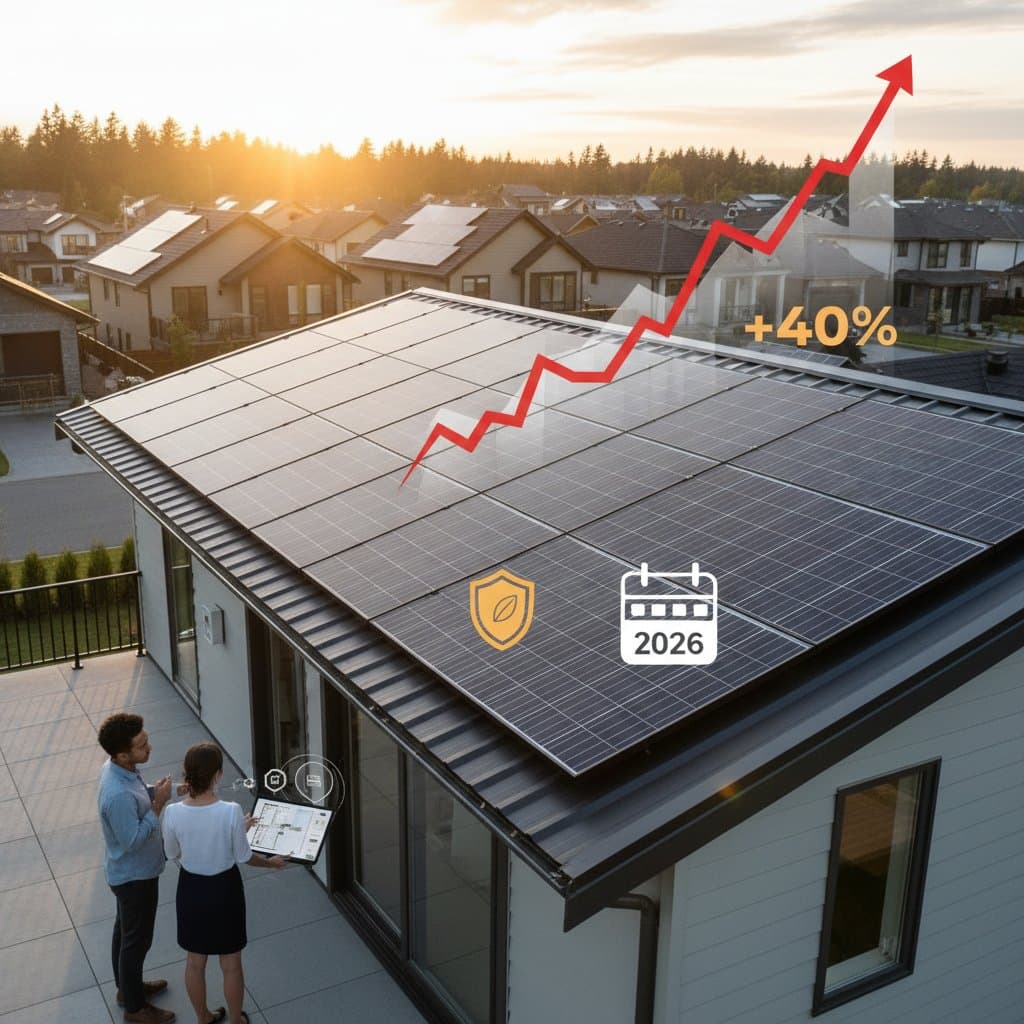
Potential 2026 tariffs may increase solar panel costs by as much as 40 percent and extend system payback periods. This guide outlines the reasons behind the tariffs, their effects on homeowners, and targeted strategies to manage expenses through incentives and efficiency measures.
Upcoming 2026 tariffs may increase solar system costs by hundreds to thousands of dollars and extend payback periods. Homeowners can protect savings by acting before tariffs apply, using federal and state incentives, and confirming panel sourcing. Proper timing and preparation help maintain investment value.
Upcoming solar tariffs could alter panel prices and project timelines. Homeowners can limit the impact by requesting clear quotes, locking in contracts early, and confirming incentive eligibility.
2026 tariffs inflate solar panel prices, yet incentives and planning preserve affordability. Homeowners access savings, faster payback, and U.S. manufacturing boosts while adapting to Philadelphia's dynamic energy environment.
Upcoming 2026 solar tariffs may increase panel prices by as much as 10 percent, yet strategic planning and local incentives can preserve affordability.
Upcoming 2026 tariffs on imported solar panels may elevate installation costs by 5-15%, prolonging payback periods. Homeowners can secure reduced rates through timely action, incentive utilization, and home preparation. Discover how strategic timing, informed selections, and quality focus safeguard solar investments.
Upcoming solar tariffs in 2026 may increase panel prices and extend payback periods slightly, yet incentives and energy savings keep solar investments worthwhile. Explore tariff effects on costs, timing, and U.S. manufacturing, plus strategies for homeowners to secure favorable pricing and optimize returns.
Upcoming 2026 solar tariffs, fueled by international trade conflicts, are set to elevate panel and installation prices while altering supply dynamics. This overview details effects on investment recovery timelines, market reliability, and buyer choices. It also provides tactics to cut expenses, utilize available rebates, and develop durable solar plans despite regulatory flux.
Proposed 2026 solar tariffs threaten to increase equipment costs by as much as 20 percent, potentially adding $2,000 to average home installations and lengthening payback times. Despite these challenges, proactive homeowners can mitigate effects through timely action, federal incentives, and choices in sourcing panels to preserve the financial and environmental advantages of solar power.
The 2026 solar tariffs may elevate panel prices modestly, yet U.S. manufacturing expansion and incentives will temper the effects. Expect brief cost upticks, sustained long-term savings, and reliable returns.
Upcoming 2026 tariffs on solar imports will elevate module and cell prices, affecting homeowners and businesses coast to coast. Intended to support U.S. production, these changes create short-term hurdles as local supply develops slowly. Prepare by locking in quotes, verifying compliance, and leveraging incentives to achieve cost-effective, safe installations.
Upcoming 2026 tariffs may increase solar panel prices by 15 percent, adding thousands to installation costs and lengthening payback periods. Homeowners must decide whether to install now to capture current incentives or face elevated expenses in the future. This guide examines tariffs, incentives, and optimal timing for achieving solar savings.
Upcoming 2026 tariffs will increase solar panel prices, which may lengthen return on investment timelines for homeowners. However, federal incentives, creative financing, and strategic timing offer ways to counter these changes.
Upcoming 2026 tariffs on solar panels promise to elevate costs for modules, inverters, and components, impacting budgets and timelines. Homeowners can mitigate effects by obtaining multiple quotes, accessing pre-tariff inventory, and maximizing incentives, all while upholding safety standards and installer qualifications.
Upcoming import tariffs threaten to undo years of declining solar energy costs, leading to higher prices and extended installation timelines. Philadelphia homeowners may face elevated quotes, fewer panel choices, and changes in financing options. Homeowners can safeguard their budgets by obtaining quotes promptly, evaluating suppliers, and locking in prices amid these market changes.
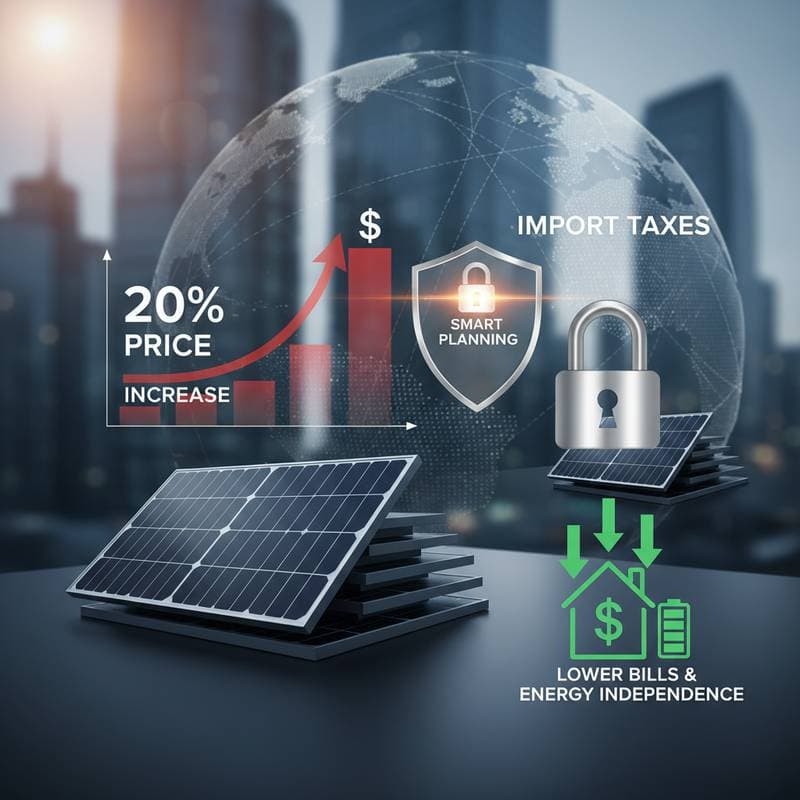
Upcoming 2026 tariffs threaten to boost solar panel prices by up to 20 percent, potentially lengthening payback times while preserving long-term gains. Homeowners benefit by installing promptly, tapping federal tax credits, and prioritizing American-made products. Early analysis of costs, schedules, and efficiency improvements secures optimal solar returns.
With 2026 on the horizon, evolving solar tariffs may drive panel prices up or down, influenced by domestic manufacturing growth, global supply dynamics, and trade policies. Homeowners planning solar installations benefit from monitoring these shifts, securing multiple quotes, and leveraging incentives to achieve substantial energy cost reductions over time.
Upcoming 2026 solar tariffs will influence installation expenses, equipment selections, and timelines for Philadelphia homeowners. Installers often fail to address these factors, which can lead to unexpected price increases and altered warranties. Gain insights into tariff implications, local alternatives, and essential contract terms to secure your solar investment and achieve reliable savings.