
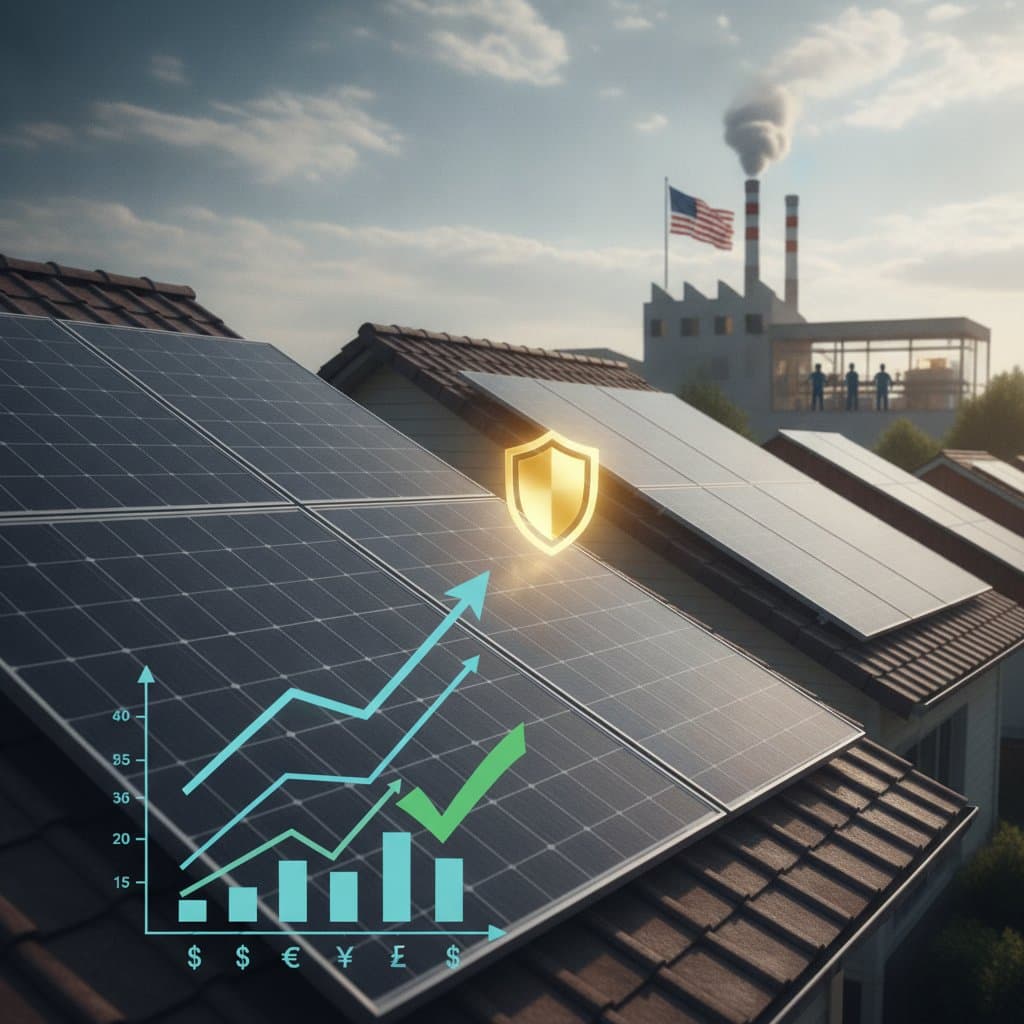
2026 Solar Tariffs: Impact on Homeowner Panel Costs
Solar research can feel confusing when policy changes enter the mix. Many homeowners who plan to install solar panels worry about how new import tariffs might affect system prices. The upcoming tariff changes are designed to influence where solar modules are made and how much they cost once they reach the United States market.
Understanding how these tariffs work helps you decide when and how to invest in solar without guessing at the future.
What Solar Tariffs Mean for Homeowners
Solar tariffs are import duties placed on panels or components that come from certain countries. They are meant to support domestic manufacturing and balance global trade. When tariffs rise, imported panels often become more expensive. When they fall, prices tend to ease.
For homeowners, tariffs can change the total system cost by a few hundred to a few thousand dollars depending on system size and equipment type. A modest single family home might use a 7 kilowatt system. If each watt costs 2.80 dollars before tariffs, the system runs about 19,600 dollars. A tariff increase that adds 10 percent could raise this to roughly 21,600 dollars.
That difference can feel significant, but it is only one part of the full financial picture.
How Tariffs Influence the Supply Chain
Panel prices respond to tariffs in several ways. Importers may shift production to countries not covered by the new duties. Domestic factories may ramp up output, which can create local jobs and shorten shipping times. It usually takes months for supply chains to adjust.
During that period, installers sometimes face limited inventory and price fluctuations. Experts expect that as manufacturers expand United States capacity, long term pricing will stabilize. The goal of the policy is to make more panels available from domestic sources, which could reduce shipping costs and import delays.
For homeowners, that means potential short term price bumps followed by more predictable pricing later.
Balancing Tariffs with Incentives and Savings
Even if tariffs raise the initial cost, solar remains a strong investment because incentives and utility savings often offset those increases. The federal tax credit can cut the net price by about 30 percent. State rebates and net billing programs add further relief.
Using the earlier 21,600 dollar example, a 30 percent credit lowers the cost to about 15,120 dollars. A Philadelphia household that uses 9,100 kilowatt hours of electricity per year could offset most of its bill. At a blended rate of 18 cents per kilowatt hour, that equals about 1,638 dollars in annual savings.
Simple math shows the system could pay for itself in about nine years. Tariffs may stretch that window slightly, but the long term return remains strong.
How Installers and Homeowners Can Prepare
Installers are already adjusting contracts and supplier relationships. Some are preordering panels to lock in lower rates. Others are building partnerships with United States manufacturers who are expanding production. Homeowners can prepare by requesting itemized quotes that separate equipment, labor, and permitting costs.
This transparency clarifies how much of any price change comes from tariffs versus other factors. It also helps to track project timing. Ordering panels ahead of major tariff adjustments might save money. Yet waiting a few months could open access to newer domestic products with longer warranties.
The right choice depends on your energy needs, roof condition, and how soon you want to reduce your monthly electric bill.
Protecting Your Investment Over Time
Once installed, maintenance remains simple. Keep panels free of debris and check monitoring software for performance drops. Clean the modules once or twice a year if dust or pollen builds up. Review inverter data to ensure production matches the expected output.
Small steps like clearing shade or trimming trees can keep your system efficient and protect your return, regardless of what future tariffs bring.