Solar Energy

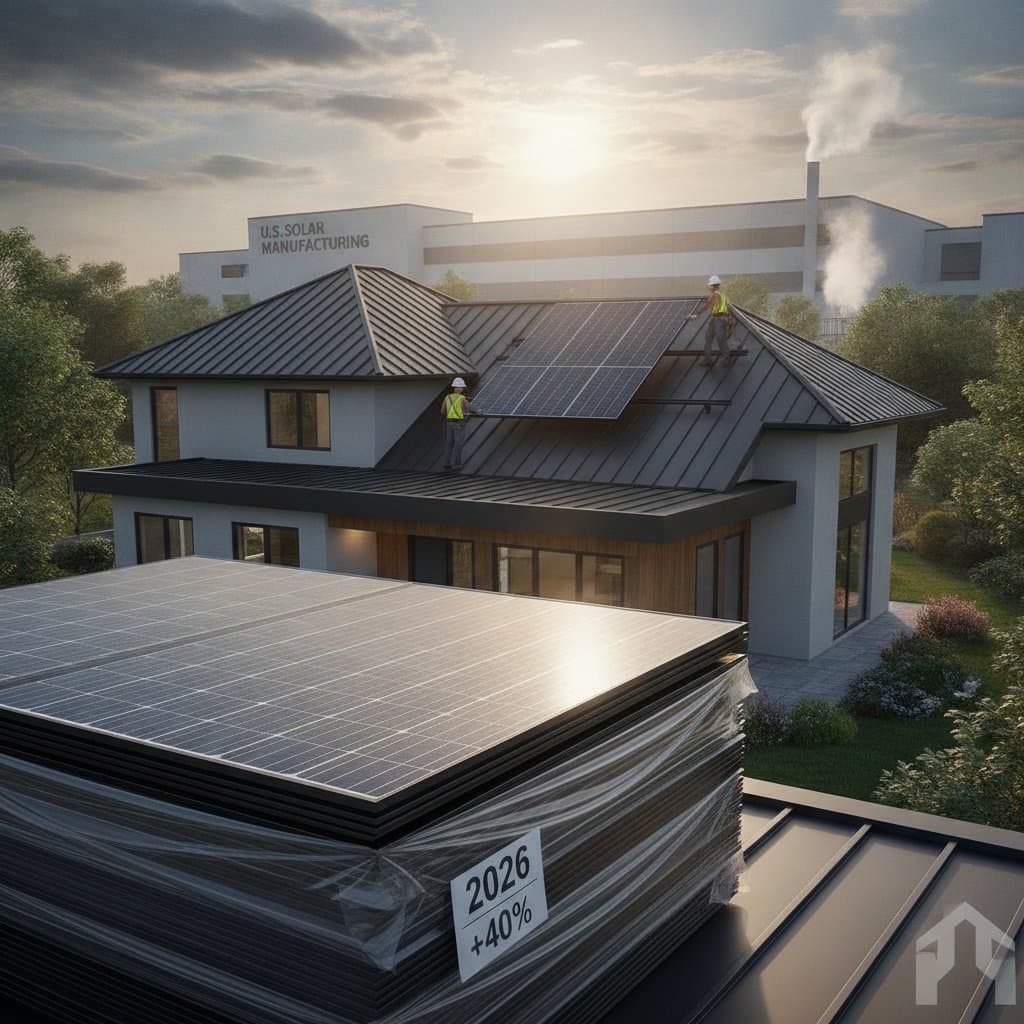
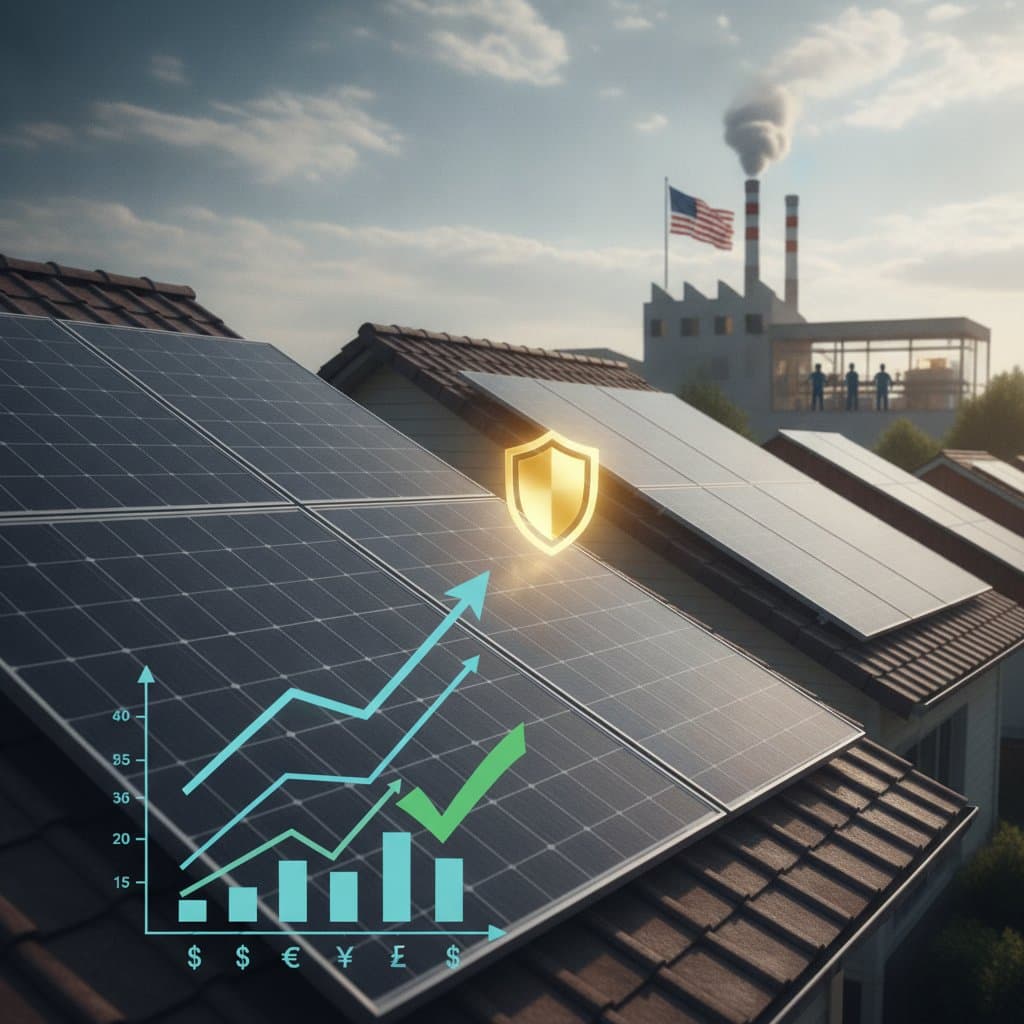
Featured image for 2026 Tariffs Will Add $350 to Your Solar System

2026 Tariffs Will Add $350 to Your Solar System

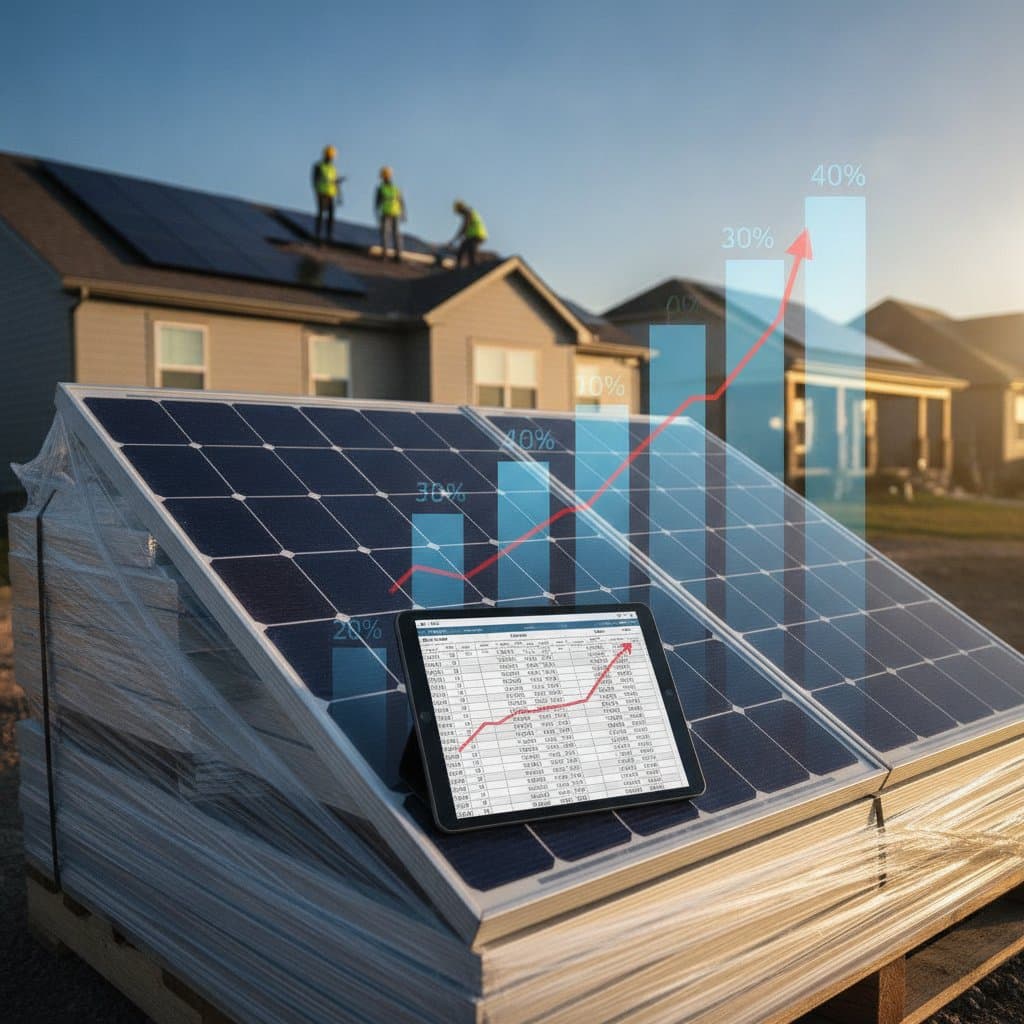
Tariffs effective in 2026 could elevate solar panel prices by 10 to 15%, extending payback periods modestly. Installing ahead of these changes allows homeowners to secure current pricing. Incentives and enduring energy savings affirm solar as a worthwhile investment spanning decades.

6 min read
Featured image for Agrivoltaics Turns Farmland Into Dual Income by 2026

Agrivoltaics Turns Farmland Into Dual Income by 2026

By 2026, agrivoltaics will enable farmland to generate income from both food production and renewable energy. This integration of crop cultivation, electricity generation, and financial incentives improves profitability, resilience, and ecological balance. Through thoughtful system design and payback periods under ten years, agrivoltaics presents a viable, climate-resilient strategy for the future of farming.

4 min read
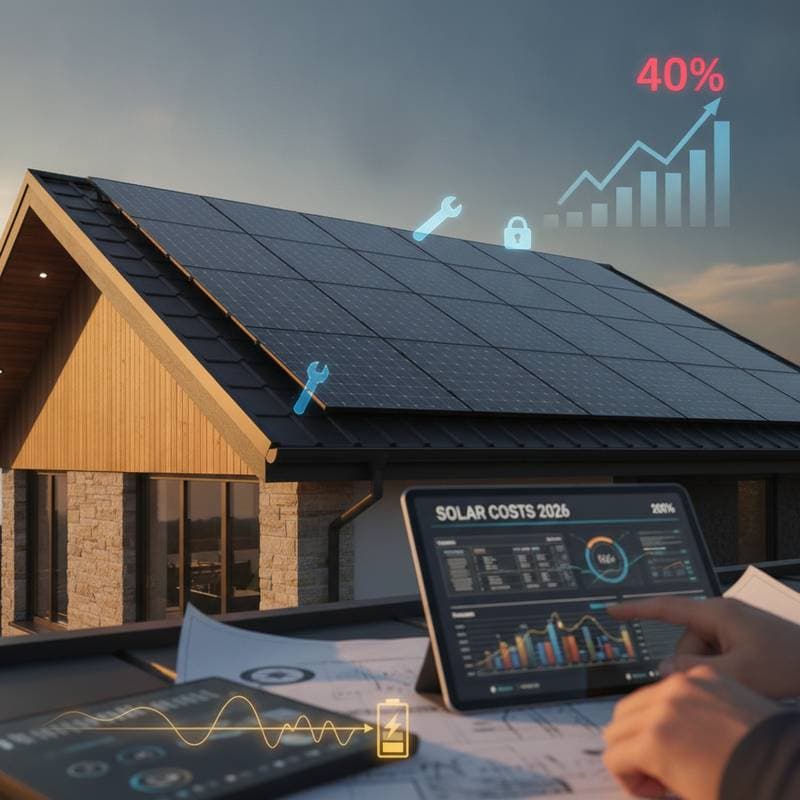
Featured image for Solar Tariffs Will Add $840 to Your System in 2026

Solar Tariffs Will Add $840 to Your System in 2026

New tariffs in 2026 will elevate solar system prices, potentially lengthening payback periods. Homeowners can achieve solid financial returns by installing early, obtaining competitive quotes, and maximizing available incentives. Understand how strategic timing, thorough preparation, and ongoing technological improvements position you to navigate rising costs effectively.

5 min read
Featured image for Solar Panels Stabilize Farm Income During Crop Downturns

Solar Panels Stabilize Farm Income During Crop Downturns

By 2026, farms leverage agrivoltaics to harvest sunlight for both crops and electricity, creating dual revenue streams. These systems lower costs, buffer against market fluctuations, and enhance sustainability. Incentives, rapid returns, and ecological advantages position solar integration as a cornerstone of modern agriculture in a renewable-driven landscape.

5 min read
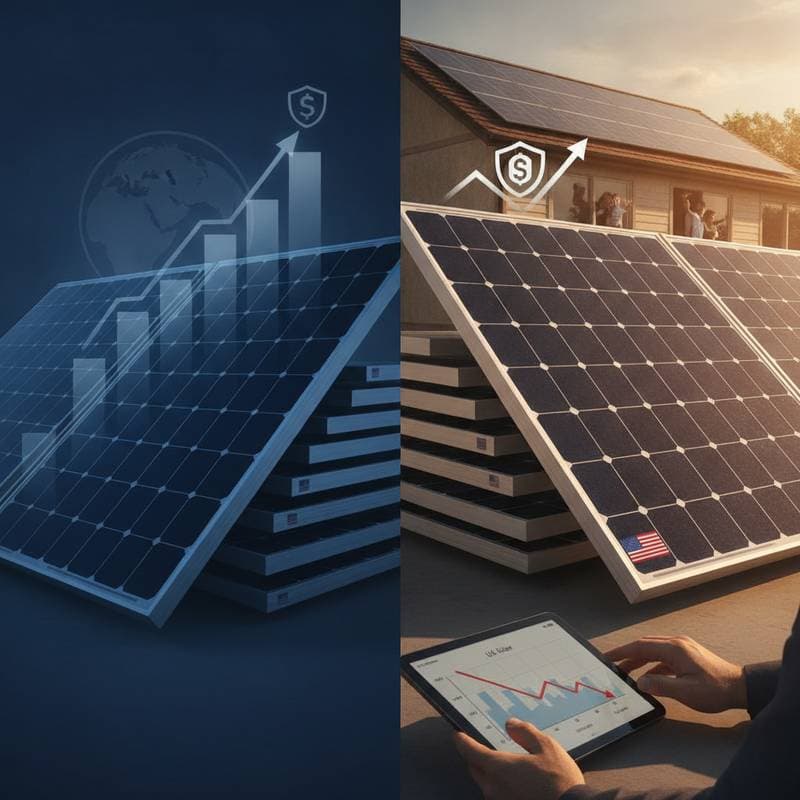
Featured image for Trade Wars May Add $4,500 to Your Solar System

Trade Wars May Add $4,500 to Your Solar System

Emerging global trade tensions threaten to elevate solar equipment prices by 25 percent by 2026, potentially lengthening payback periods for residential systems. This analysis details tariff impacts on components like panels and batteries, alongside practical advice such as obtaining early quotes, verifying incentives, and considering U.S.-made options to preserve affordability.

5 min read
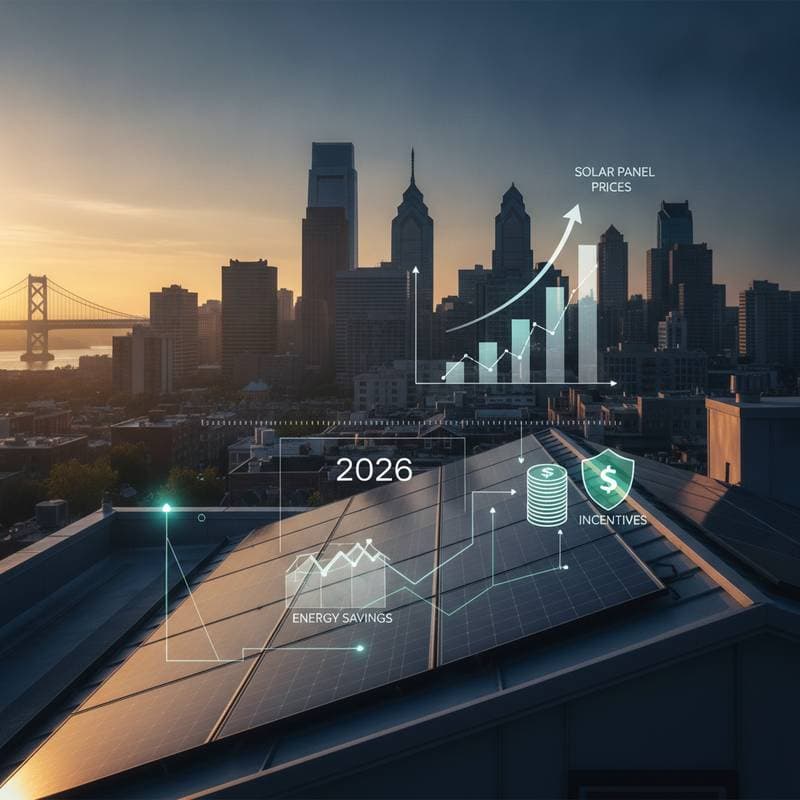
Featured image for How 2026 Tariffs Will Raise Your Solar Panel Costs

How 2026 Tariffs Will Raise Your Solar Panel Costs

Proposed 2026 tariffs may increase solar panel prices by 5 to 10 percent, affecting installation costs and payback periods. Although these measures support U.S. manufacturing, they could raise short-term expenses. Homeowners benefit from acting promptly to secure current prices, explore U.S.-made options, and avoid future hikes.

5 min read
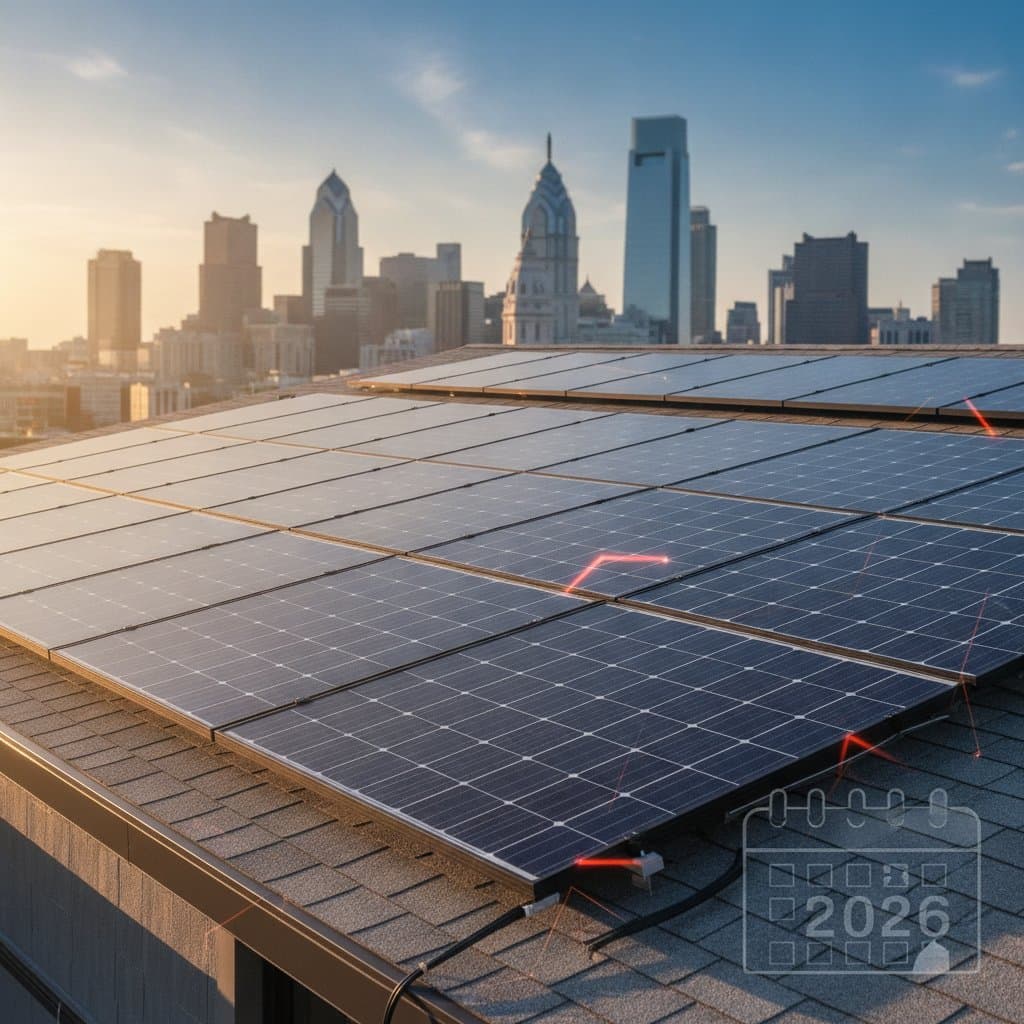
Featured image for 2026 Solar Tariffs Will Raise Panel Import Costs

2026 Solar Tariffs Will Raise Panel Import Costs

Upcoming 2026 solar tariffs may increase panel prices by 10 to 25 percent, lengthening payback periods and altering installation budgets. Homeowners can achieve solid financial outcomes by installing soon, using available incentives, and opting for high-performance U.S.-made panels. Proactive planning delivers enduring cost savings and greater energy autonomy.

4 min read
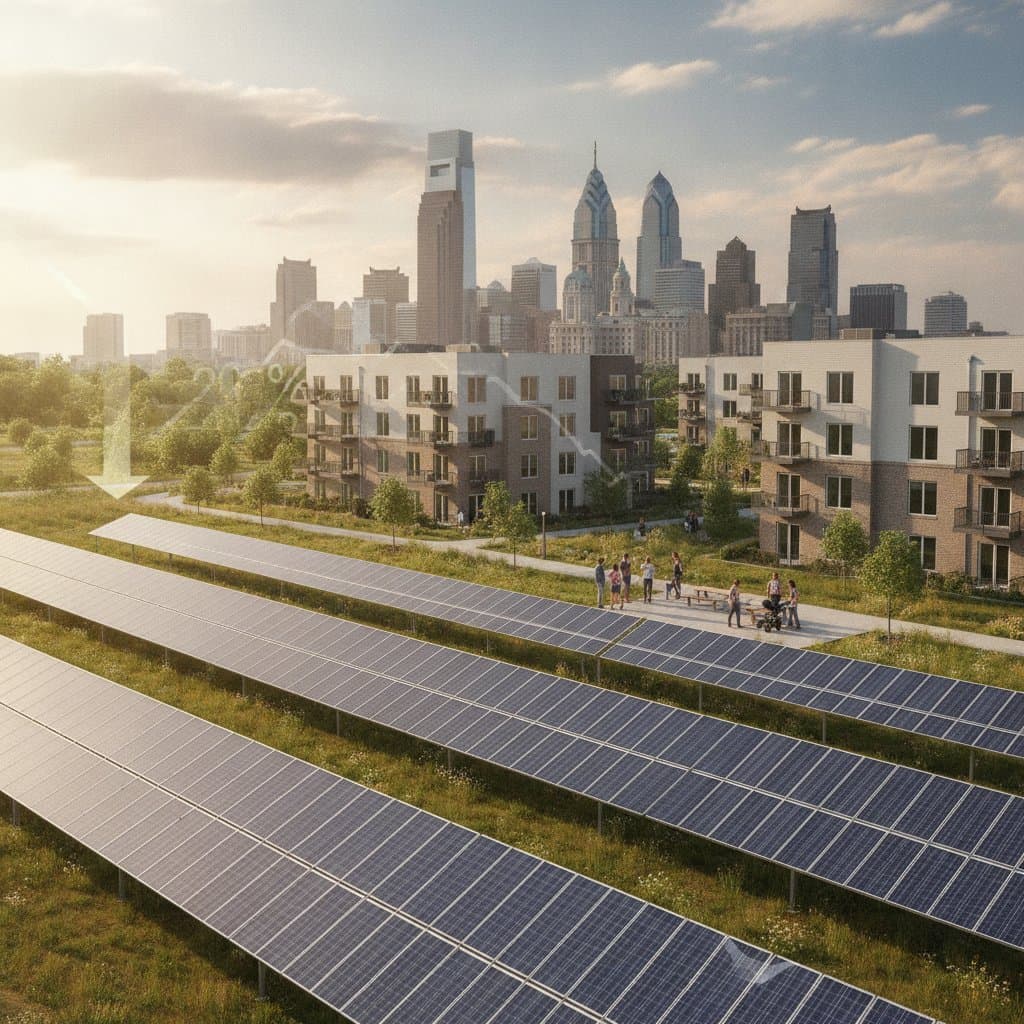
Featured image for Hybrid Solar Systems Give Philly Homes Grid Backup

Hybrid Solar Systems Give Philly Homes Grid Backup

Hybrid solar systems merge the stability of grid power with battery storage independence, enabling Philadelphia homeowners to achieve reduced bills, protection from outages, and efficient energy management. These setups pair solar panels with storage and smart inverters to maximize performance, meet local codes, and foster a sustainable energy future connected to the utility grid.

5 min read
Featured image for Why Ground-Mount Solar Beats Rooftop Systems in 2025

Why Ground-Mount Solar Beats Rooftop Systems in 2025

By 2025, ground-mount solar installations attract more homeowners due to their superior flexibility, safety, and performance. These systems bypass roof-related challenges, streamline upkeep, and boost output. With straightforward scalability, extended durability, and optimal energy capture, ground-mount arrays deliver a reliable route to sustainable, hassle-free power generation.

4 min read
Featured image for Smart Inverters Cut Energy Bills 40% in 2025

Smart Inverters Cut Energy Bills 40% in 2025

Reduce energy bills by up to 40 percent using 2025 grid-smart inverters. These systems optimize electricity usage and sales timing, increasing solar benefits and supporting grid reliability. Installation proves straightforward, efficiency high, and battery compatibility strong, yielding rapid returns and enduring energy autonomy.

5 min read
Featured image for Why Power Companies Pay You to Flatten Grid Demand

Why Power Companies Pay You to Flatten Grid Demand

Utilities compensate homeowners not for sunlight itself, but for the grid stability and demand reduction that solar provides. Exporting power earns credits and incentives, while cutting bills benefits both your finances and the electrical system. This guide explains the mechanisms, earnings factors, and advantages for Philadelphia residents adopting solar.

5 min read
Featured image for Agrivoltaics Boosts Farm Yields Under Solar Panels

Agrivoltaics Boosts Farm Yields Under Solar Panels

Agrivoltaics integrates solar energy with agriculture, allowing crops to flourish under panels that shade fields, save water, increase yields, and produce revenue. Effective outcomes rely on professional electrical engineering, strategic planning, and suitable crop choices. Thoughtful setups yield resilient, sustainable, and income-generating farms from existing acreage.

4 min read
Featured image for Agrivoltaics Doubles Land Value with Solar Farming

Agrivoltaics Doubles Land Value with Solar Farming

Agrivoltaics revolutionizes farmland by integrating solar panels with agriculture, effectively doubling land value. This method maintains soil health, supports crop and livestock production, and generates reliable clean energy income. Philadelphia-area farmers benefit from reduced water needs, incentives, and resilient operations on a single acre.

6 min read
Featured image for Solar Panels Now Grow Crops While Making Power

Solar Panels Now Grow Crops While Making Power

Agrivoltaics redefines U.S. farming by enabling simultaneous crop growth and solar energy production on shared land. Raised panels offer shade to enhance yields, reduce water use, and optimize energy output. Backed by incentives and solid economics, this approach delivers farmers reliable income, environmental gains, and contributions to robust community energy networks.

5 min read
Featured image for Why Solar Panels Cost More for Homes in 2025

Why Solar Panels Cost More for Homes in 2025

Home solar panel prices are increasing in 2025 due to tariffs, supply chain disruptions, and shifts toward domestic manufacturing. Although costs may rise by 5 to 15 percent, federal incentives, utility programs, and strategic planning enable homeowners to manage expenses effectively. This analysis clarifies these dynamics and underscores solar energy's enduring value as a long-term investment amid market evolution.

6 min read