
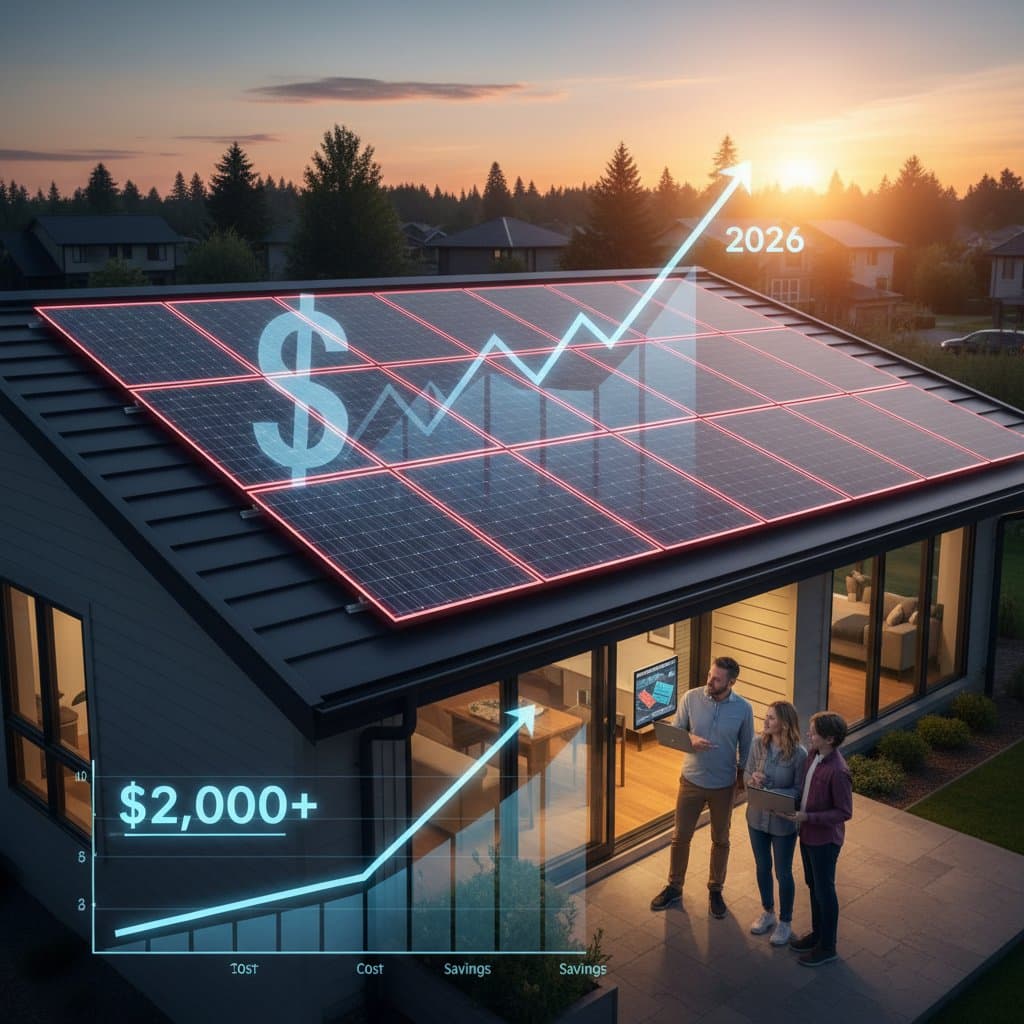
Understanding the 2026 Solar Tariffs
The United States government has proposed new tariffs on imported solar panels and related equipment, effective in 2026. These measures aim to protect domestic manufacturing by imposing duties on panels primarily sourced from countries like China and Southeast Asia. Most solar installations in the U.S. rely on these imports, which currently keep costs low.
Tariffs could range from 10 to 25 percent, depending on the origin and type of component. This policy shift responds to concerns over unfair trade practices and seeks to bolster American jobs in the renewable energy sector. For homeowners, the immediate effect translates to higher upfront expenses for solar systems.
Industry experts predict that an average residential solar setup, typically costing between $10,000 and $15,000 after incentives, may see an additional $1,500 to $2,000 in charges. Such increases stem directly from elevated material prices passed along by suppliers and installers.
Impact on Solar System Costs and Payback Periods
Solar panel prices have fallen dramatically over the past decade, making clean energy accessible to millions. However, the 2026 tariffs reverse some of that progress. Imported modules, which dominate the market, face the brunt of these duties, leading to a projected 15 to 20 percent rise in overall system costs.
Consider a standard 7-kilowatt home system. Without tariffs, installation might total $20,000 before rebates. With tariffs, that figure could climb to $22,000 or more. Utility bills savings remain the same, but the extended payback period—from seven years to potentially nine—alters the investment timeline.
Businesses and larger projects face similar hurdles. Commercial solar arrays, often scaled for efficiency, will encounter compounded costs on bulk purchases. This could slow adoption rates in regions dependent on imports, though long-term energy independence still offers compelling returns.
Why Tariffs Matter for Clean Energy Adoption
Solar power reduces reliance on fossil fuels and lowers carbon emissions, aligning with national goals for sustainability. Tariffs intend to support U.S. production, which currently accounts for less than 5 percent of global panel manufacturing. Over time, increased domestic output may stabilize prices and enhance supply chain security.
Yet, short-term barriers could hinder progress toward renewable targets. The Inflation Reduction Act of 2022 provides a 30 percent tax credit for solar installations, but rising costs erode some benefits. Homeowners in high-sunshine areas like Pennsylvania still stand to gain, as local incentives from programs such as Philly Goes Solar can offset portions of the hike.
Environmental advocates note that delays in solar deployment exacerbate climate risks. Each megawatt of installed capacity avoids thousands of tons of greenhouse gases annually. Balancing trade policy with urgent energy needs requires careful navigation by policymakers and consumers alike.
Strategies to Navigate Rising Costs
Homeowners need not postpone solar plans amid these changes. Several practical steps can help secure favorable pricing and maximize value.
Act Before Implementation
Installations completed prior to 2026 avoid the new tariffs entirely. Many suppliers offer current pricing locks for contracts signed in advance. Consult local installers to assess timelines; permitting and construction typically span three to six months.
This window allows families to capitalize on existing low rates while federal tax credits remain robust. Early action also positions households to benefit from rising electricity rates, which amplify solar savings over time.
Leverage Tax Credits and Incentives
The federal Investment Tax Credit covers 30 percent of qualified expenses, including panels, inverters, and batteries. State-level rebates in Pennsylvania, such as those from the Solar Renewable Energy Certificate program, further reduce net costs.
Pair solar with energy storage for additional bonuses under recent legislation. These incentives apply regardless of tariff impacts, effectively cushioning the financial blow. Verify eligibility through IRS guidelines to ensure full compliance.
Explore Domestic and Alternative Sourcing
U.S.-made panels qualify for tariff exemptions and often carry premium warranties. Manufacturers in states like Georgia and Ohio ramp up production to meet demand. While slightly more expensive now, domestic options may prove cost-competitive post-tariffs.
Consider thin-film or bifacial panels from diversified suppliers in Europe or India, which face lower duties. Installers can provide quotes comparing import versus local sources, helping identify the best fit for budget and performance needs.
Long-Term Benefits Outweigh Temporary Hurdles
Despite added costs, solar investments deliver enduring advantages. Systems last 25 years or more, generating free electricity and shielding against utility price volatility. In Philadelphia, average households save $1,000 annually on bills, yielding returns even with extended paybacks.
Property values rise with solar installations, often by 4 percent or higher, according to real estate analyses. Environmentally, contributions to grid decarbonization support community resilience against extreme weather.
Steps to Secure Your Solar Future
Begin by obtaining multiple quotes from certified installers. Use online calculators to model costs and savings specific to your home. Stay informed on policy updates through reliable industry sources.
Commit to solar now to lock in savings and advance clean energy goals. With strategic planning, the 2026 tariffs represent a navigable challenge rather than an insurmountable barrier.