
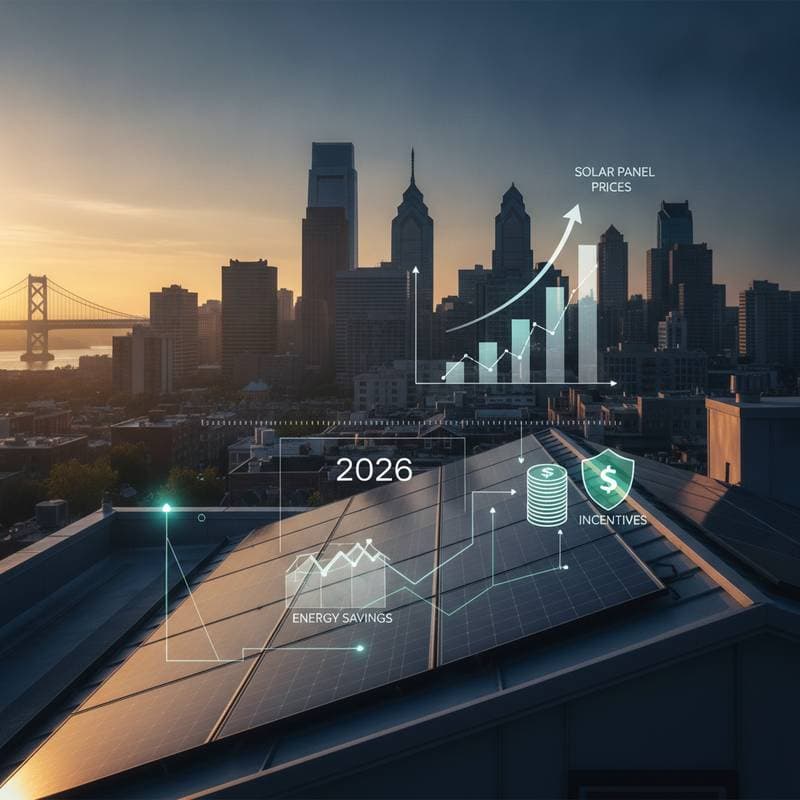
Discover How 2026 Tariffs Impact Solar Panel Costs
Solar research can feel overwhelming when policy changes enter the mix. Homeowners often wonder how new import tariffs might affect solar panel prices and whether waiting or buying sooner makes more sense. The upcoming tariff adjustments have sparked plenty of conversation about cost, supply, and long-term savings.
This guide breaks down the mechanics in plain terms. It explains how tariffs affect solar equipment pricing, what cost shifts to expect, and how homeowners in Philadelphia and the wider region can plan smartly.
Understanding What Tariffs Do
A tariff is a fee charged on imported goods. Governments use tariffs to encourage domestic production or balance trade relationships. In the solar market, tariffs apply to imported panels, cells, or related components.
The fee increases the wholesale cost for importers, which can raise prices for installers and, eventually, for homeowners. When a tariff takes effect, importers either absorb part of the cost or pass it down the supply chain.
For residential systems that average 7 kilowatts, a tariff increase of 8 cents per watt equates to about 560 dollars in added panel cost before labor or other materials. The actual change varies by manufacturer, contract structure, and supply volume.
How Solar Pricing Is Built
To understand how tariffs influence final cost, it helps to unpack what goes into a solar quote. A typical residential system price per watt includes several parts.
- Hardware such as panels, inverters, and mounting racks.
- Soft costs like permits, design, labor, and overhead.
- Profit margin for the installer.
Hardware often makes up 35 to 45 percent of total cost. Within that, panels are usually the largest single line item. If tariffs raise panel prices by 10 percent, the total system price might rise by about 3 to 4 percent.
The Solar Supply Chain Explained
Most solar panels installed in the United States use crystalline silicon cells. These are produced from polysilicon, sliced into wafers, and assembled into modules. Each step often takes place in a different country.
Tariffs can apply at several points in this journey, including cell production or final assembly. Suppliers may shift production to alternative sites to avoid higher costs. This process, called supply chain diversification, can stabilize pricing over time but usually creates short-term volatility.
How Tariffs Affect Domestic Manufacturing
When tariffs rise, domestic manufacturers gain temporary price protection. They can compete more easily against imported panels that now cost more. This can encourage new factories or expansions of existing ones inside the country.
Over time, local production can steady prices and shorten supply chains. Building a solar factory requires trained labor, financing, and equipment procurement. While domestic capacity grows, installers still rely on imports.
Estimating Price Changes for Homeowners
The exact price impact depends on system size, component origin, and installer network. To illustrate, consider a 7 kilowatt system that produces about 9,100 kilowatt-hours each year.
At a blended electricity rate of 17 cents per kilowatt-hour, the homeowner offsets about 1,547 dollars in annual utility costs. If the system price before tariffs is 2.80 dollars per watt, the total is 19,600 dollars.
A 5 percent tariff-driven increase raises it to 20,580 dollars. The extra 980 dollars shifts the payback window slightly but does not undo the economic case for solar.
Incentives That Offset Tariff Costs
Federal and state solar incentives remain powerful tools for keeping project costs manageable. The federal tax credit allows homeowners to deduct a portion of installation cost from their taxes.
Local and state programs can add rebates or performance-based credits that further reduce upfront expense. Philadelphia homeowners can also benefit from net billing or time-of-use programs that pay for exported solar power.
The Role of Equipment Choice
Not all panels are affected equally. Tariffs often target specific countries or cell types, so choosing equipment from unaffected regions can limit cost increases. Some brands maintain diversified manufacturing footprints across multiple locations.
Higher-efficiency panels can also soften the impact. If a homeowner installs panels that produce 10 percent more energy per square foot, fewer modules are needed to reach the same output.
Why Timing Your Installation Matters
Tariffs influence not just price but also availability. When importers rush to bring in panels before tariffs take effect, inventories can swell temporarily, leading to short-term discounts.
Homeowners who plan installations before tariff implementation may secure better pricing or shorter wait times. Those who wait might face higher upfront costs but could benefit later from increased domestic production.
How Homeowners Can Prepare
Preparation starts with information. Homeowners can take several steps to navigate tariff changes effectively.
- Get multiple quotes. Compare at least three installers to understand local pricing ranges.
- Ask about equipment origin. Some installers can specify which panels are exempt from tariffs.
- Review incentives early. Many programs require pre-approval before installation begins.
- Explore financing options. Low-interest solar loans or home equity lines can offset higher upfront costs.
- Plan installation timelines. Coordinate with your installer to lock in pricing before large market adjustments.
Maintenance and Long-Term Care
Once installed, solar systems require minimal maintenance. Keeping panels free of heavy debris or bird droppings helps preserve efficiency. Many homeowners schedule a light cleaning once or twice a year or after extended pollen seasons.
Monitoring software from modern inverters lets you track daily production and detect performance issues early. Recycling options for end-of-life panels continue to grow as the industry matures.
FAQ
1. Do tariffs make solar panels unaffordable?
No. Tariffs may raise prices by several percent, but incentives and long-term energy savings still make solar financially attractive.
2. Should I wait until tariffs expire to install solar?
Waiting could mean missing current incentives or lower pre-tariff pricing. It depends on your roof condition, financing readiness, and electricity rates.
3. How do tariffs influence solar battery prices?
Batteries often come from separate supply chains. Some may be affected if imported, but many domestic options keep prices stable.
4. Can local installers avoid tariff costs?
Installers cannot avoid tariffs directly, but they can source panels from regions not covered by the policy. This helps maintain competitive pricing.
5. Do tariffs affect solar incentives?
No. Incentive programs operate independently of tariffs. Both can exist simultaneously.