
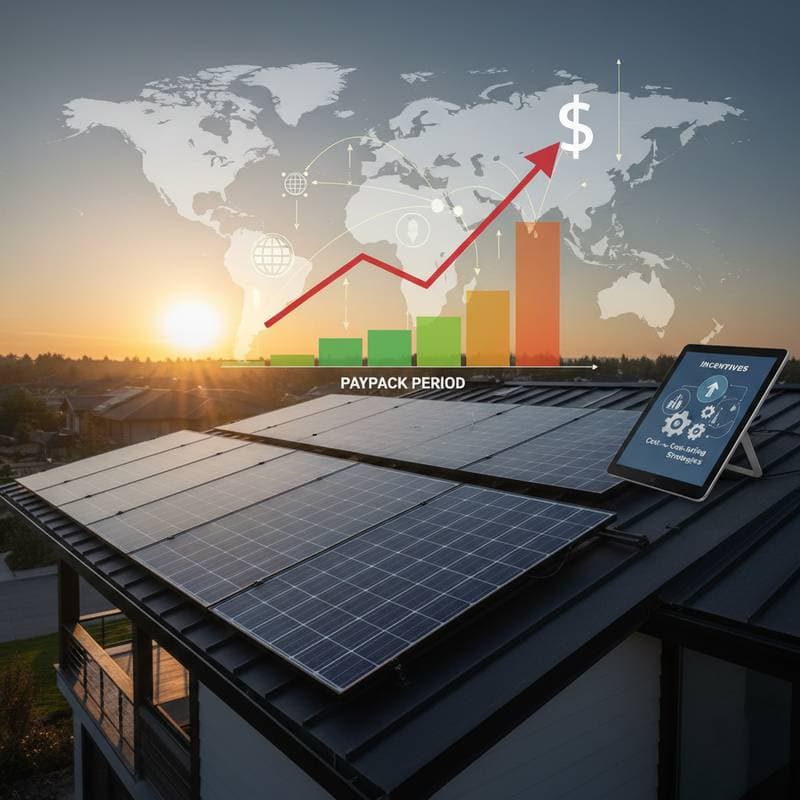
2026 Solar Tariffs: Trade Wars Driving Up Panel Costs
Solar research often presents challenges, particularly when global trade policies come into play. Homeowners preparing to install solar panels frequently encounter news about impending tariffs that could elevate equipment costs. Grasping these dynamics enables better financial planning.
Solar tariffs function as import taxes on panels and associated components manufactured abroad. These measures aim to safeguard local producers, yet they generate widespread market effects. Elevated tariffs lead to higher equipment prices, which in turn increase overall installation expenses. For residential users, this adjustment potentially extends the time required for a solar project to recover its initial investment.
This resource examines the influence of ongoing trade disputes on solar panel pricing, implications for upcoming installations, and methods to manage the evolving environment. The following analysis relies on established industry data regarding production and costs.
How Global Trade Tensions Affect Solar Prices
The production of solar panels relies on an interconnected international supply chain. Silicon ingots originate from one nation, cells from another, and final assembly occurs elsewhere. Tariffs imposed on specific regions prompt manufacturers to relocate operations, which introduces logistical hurdles and potential disruptions.
Consider a scenario where a significant volume of cost-effective panels arrives from factories now facing tariffs. Importers then seek alternatives from unaffected sources. Local manufacturers increase output gradually, creating temporary supply constraints that elevate prices.
Industry statistics indicate that panel costs may increase by 10 to 30 percent amid these shifts. The precise extent hinges on the pace of supply chain adaptation and the ability of domestic facilities to meet demand.
Why Tariffs Might Persist
Governments seldom eliminate tariffs swiftly, as these tools advance larger economic agendas. Tariffs serve as leverage in diplomatic discussions or contribute to sustained efforts to bolster national industries. Decision-makers balance the advantages of local job creation against the burden on end users.
Within the solar sector, such policies have spurred certain firms to establish or enlarge facilities in the home market. These developments require substantial time, and initial production levels rarely satisfy immediate needs. Consequently, elevated prices endure until capacity aligns with requirements.
Homeowners should anticipate sustained higher panel costs in the near term. Positive developments include advancements in other system elements, like inverters and mounting hardware, which have grown more efficient and affordable. Enhanced labor efficiency further mitigates some tariff-related increases.
Long-Term Market Effects
Tariffs influence the solar landscape through multiple channels. Local manufacturing expands, albeit at a measured rate. Eventually, rivalry among emerging domestic suppliers fosters price reductions.
In the interim, installers and buyers experience fluctuations. Certain projects pause as individuals await pricing stability. Others proceed promptly to lock in current rates and availability. This irregular pace complicates demand projections for service providers.
Solar adoption persists amid these conditions. Declining costs for storage batteries, refinements in inverter designs, and robust governmental incentives sustain momentum. Higher panel expenses notwithstanding, solar systems deliver substantial lifetime savings, particularly with escalating electricity rates from utilities.
What Experts Monitor
Professionals in the field observe key metrics to predict tariff impacts on costs. These elements include:
-
Global Polysilicon Prices
Polysilicon constitutes a major share of cell expenses. Persistent supply constraints maintain elevated panel prices, independent of tariff levels. -
Freight and Logistics
Transportation expenses vary with energy costs and routing options. Optimized shipping arrangements help counteract tariff pressures. -
Domestic Production Announcements
Announcements of new plants alter supply patterns. Expanded local manufacturing typically lowers prices following an adjustment phase. -
Policy Adjustments
Regulatory bodies periodically reassess tariffs. Modifications may focus on particular cell varieties or production zones, reshaping market dynamics.
Tracking these indicators allows stakeholders to foresee trends and respond proactively.
Steps to Protect Your Investment
A completed solar installation largely shields itself from subsequent trade policy alterations. Routine upkeep and oversight guarantee consistent energy generation.
-
Clean Panels Periodically
Accumulated dust and debris diminish output by multiple percentage points. Apply a gentle water rinse or engage a service provider for one or two annual cleanings. -
Monitor Output
Access your inverter's application or online dashboard to review daily performance. Abrupt declines indicate possible problems requiring attention. -
Check Shading
Emerging vegetation or nearby constructions may introduce shadows. Prune overhanging limbs or reposition panels as necessary. -
Schedule Inspections
Arrange for your installer to examine mounting systems and wiring connections every few years. Securing and verifying parts averts gradual deterioration. -
Review Incentive Rules
Certain programs demand continued record-keeping. Retain documentation such as permits, grid connection agreements, and rebate confirmations.
Adhering to these practices sustains optimal efficiency and secures enduring financial benefits.
FAQ
What are solar tariffs?
Solar tariffs represent import duties on panels and components fabricated overseas. These levies increase the price of foreign goods to promote local production.
How much do tariffs increase panel prices?
Tariffs typically elevate panel prices by 10 to 30 percent. The specific amount varies based on supply chain responses, transport expenses, and overall market conditions.
Will domestic panel production lower prices again?
In time, it will. As additional factories launch and achieve full capacity, competitive pressures reduce costs. The duration relies on funding rates and resource access.
Should I delay my solar project until tariffs change?
Postponing carries risks, as utility charges frequently outpace any panel price declines. Proceed if current incentives and loan terms align favorably for net savings over time.
Can installers source panels that avoid tariffs?
Certain providers can. They collaborate with suppliers importing from tariff-exempt nations or holding stocks of locally made products.
How do tariffs affect solar batteries?
Battery production chains differ from panels. Related trade measures may apply, but effects generally prove less pronounced.
Are commercial projects affected differently?
They are. Bulk purchases amplify even modest price hikes. However, businesses often access amplified rebates or tax advantages that cushion the impact.
Do tariffs change system performance?
They do not. Tariffs affect acquisition costs, not operational efficiency. Results depend on technology selection, system layout, and workmanship.
What happens if tariffs are lifted?
Panel prices may decrease, though delays occur as sellers clear stockpiles before importing cheaper alternatives.
What should homeowners focus on right now?
Emphasize overall system value across its lifespan. Select durable materials, verify rebate qualifications, and partner with reputable installers versed in policy shifts.
Building a Resilient Solar Strategy
Strategic foresight and informed choices fortify solar investments against tariff fluctuations. By comprehending trade influences on costs and availability, individuals position themselves to acquire systems at optimal moments, integrate dependable technologies, and uphold performance for prolonged periods of sustainable energy and cost reductions.