
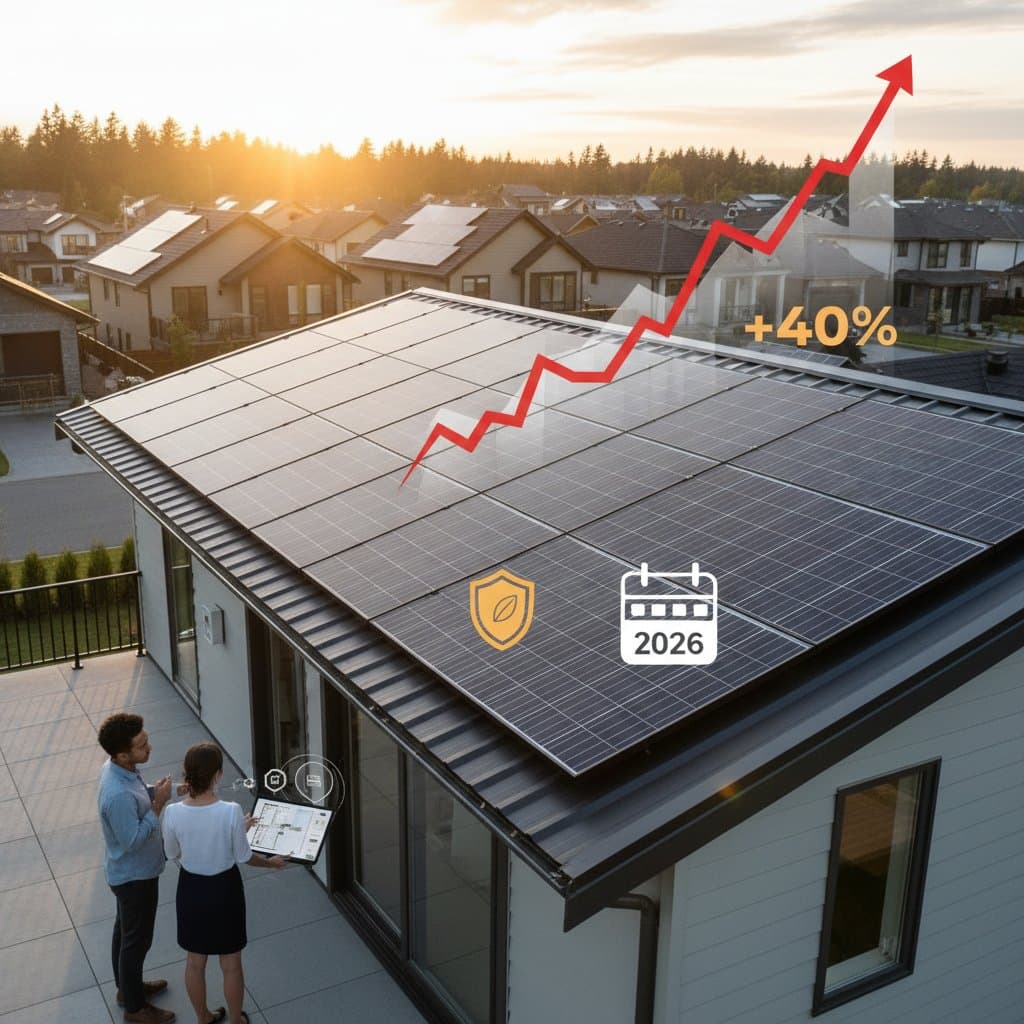
2026 Tariffs Could Drive Solar Panel Prices Up 40%
Homeowners planning rooftop solar systems have begun to hear about proposed tariffs that may increase the price of imported panels by as much as 40 percent. The figure raises questions for those who have been budgeting or preparing for an installation. Time remains to review the details, evaluate options, and decide on a timeline that aligns with household needs.
This article examines the possible effects of the tariffs on pricing, the policy background, and concrete steps that can help control overall project costs. It also addresses methods to maximize available incentives and maintain long term system performance.
How Solar Costs Break Down
A typical solar installation includes three primary cost categories. Hardware covers panels, inverters, and mounting equipment. Soft costs include design work, permitting, labor, inspections, and marketing. Financing costs arise from loans, leases, or power purchase agreements.
Hardware accounts for roughly 35 to 45 percent of the total project expense. A tariff applied directly to imported panels would affect this segment most directly. Even if other costs remain steady, the overall price could rise between 15 and 25 percent depending on the share of imported components.
Panel efficiency continues to improve, allowing greater electricity production from fewer modules. This ongoing gain can offset part of any price increase caused by tariffs.
Estimating the Potential Impact on Homeowners
Consider a representative Philadelphia area system to illustrate the effect. A 7 kilowatt array produces about 9,100 kilowatt hours annually at local sun exposure levels. At an average utility rate of 24 cents per kilowatt hour, annual savings reach approximately 2,180 dollars before fixed fees.
If the installed cost moves from 20,000 dollars to 28,000 dollars, the simple payback period lengthens from roughly 9 years to about 13 years. Panels continue to operate for 25 years or longer, so the system still supplies more than a decade of electricity after the initial investment is recovered.
Ways to Offset Higher Prices
Claim Federal and State Incentives
A 30 percent federal tax credit remains available for qualifying residential and commercial systems. Additional state rebates or solar renewable energy certificates can further lower net cost when eligibility requirements are met.
Compare Local and Imported Options
Domestic panel production is expanding. Installers can provide side by side quotes that show price differences between domestic and imported modules under current and potential tariff scenarios.
Combine Solar with Efficiency Upgrades
Reducing household energy demand through air sealing, attic insulation upgrades, and LED lighting can lower usage by 10 to 20 percent. A smaller solar array sized to the reduced load keeps total project cost lower even if panel prices rise.
Explore Group Purchasing or Co op Programs
Community solar cooperatives secure volume pricing from installers. Joining an active group early can lock in rates based on present equipment costs before any tariff adjustments occur.
High Impact and Small Step Options
High Impact Moves
- Schedule a roof ready solar installation before tariff changes take effect.
- Replace fossil fuel heating systems with heat pump HVAC equipment.
- Add battery storage to enable backup power and load shifting.
- Perform deep insulation and air sealing to reduce required system size.
Medium Impact Moves
- Install a smart thermostat to optimize heating and cooling cycles.
- Add insulation to the attic to limit seasonal energy loss.
- Seal ductwork to improve airflow and temperature consistency.
- Upgrade to a variable speed pool pump to cut energy consumption.
Low Cost Starters
- Convert all lighting to LED bulbs.
- Wash laundry on cold settings.
- Apply weatherstripping and seal obvious air leaks.
- Replace air filters on a regular schedule.
These measures lower baseline energy use so that any solar investment produces faster payback and greater resilience.
Installation and Maintenance Guidance
An installation begins with a site assessment that evaluates roof condition, shading patterns, and orientation. South facing roofs with limited shade deliver the highest output, yet east or west facing roofs can still perform well with appropriate design adjustments.
After design approval the installer manages permits and utility interconnection. Once the system is mounted and connected to the electrical panel, production starts following utility authorization.
Maintenance requirements remain modest. Panels should be kept clear of heavy debris, output should be reviewed through the inverter monitoring app, and a professional inspection should occur every few years. Panel warranties typically run 25 years while inverter warranties last 10 to 15 years.
Battery systems require periodic checks of state of charge and software updates. Warranties cover cycle life and capacity retention.
Financial Planning Before Tariffs Take Effect
Gather the past 12 months of utility bills to establish usage patterns. Request that installers model production with identical assumptions for sun hours, tilt angle, and utility rates to allow direct quote comparisons.
Signing a contract before tariff implementation can protect equipment pricing. Many installers accept deposits that hold current panel costs even when installation occurs later.
If a delay is preferred, hybrid financing that pairs a modest solar array with efficiency upgrades now can be followed by later expansion once pricing stabilizes.
Broader Benefits Beyond Cost
Tariffs influence project economics, yet solar power continues to deliver advantages that extend past direct savings. Energy independence improves when solar is paired with storage during grid outages. A 7 kilowatt system offsets roughly 5 metric tons of carbon dioxide annually, comparable to removing about 12,000 vehicle miles from the road each year.
Electrification paired with solar reduces indoor combustion and particulate levels. Homes equipped with solar also tend to sell more quickly and at a modest price premium relative to comparable non solar properties.
Next Steps for Homeowners
Request quotes from at least three certified installers. Inquire about equipment country of origin and how tariff changes could alter pricing. Confirm incentive deadlines to secure tax credits. Assess efficiency upgrades that can shrink system size. Review financing structures such as loans, leases, or cash purchase to identify the strongest return. Establish an installation timeline that allows action before potential price increases reach the market.
Household circumstances differ. Whether installation occurs now or later, current information supports cost effective and sustainable decisions.