
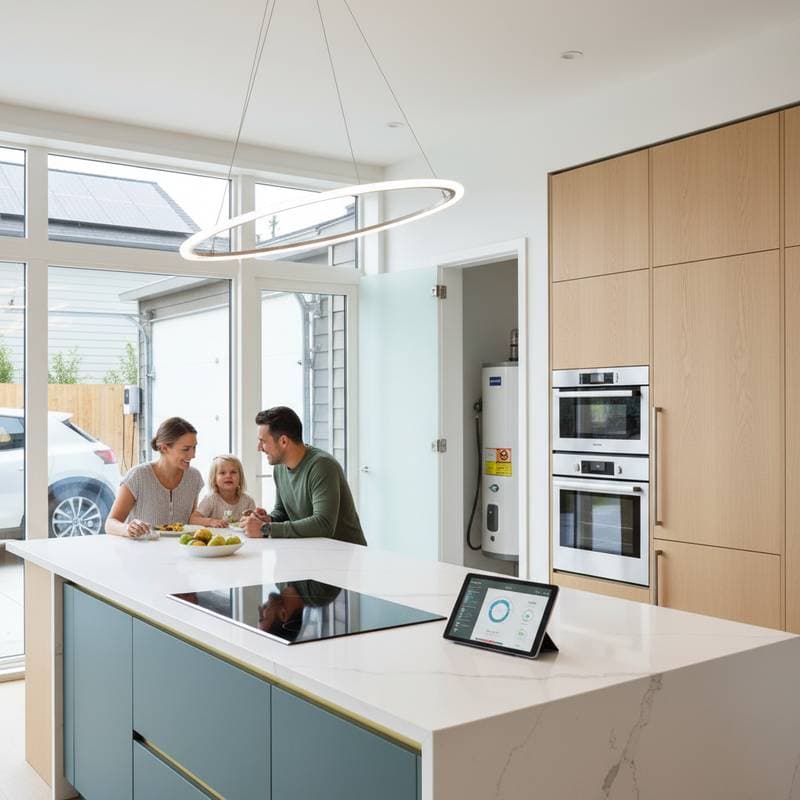
Why More Homeowners Are Ditching Natural Gas
Many homeowners now move away from natural gas toward fully electric homes. This shift responds to increasing awareness of health, safety, and environmental risks associated with gas appliances. As cities enforce stricter energy codes and utilities incorporate more renewable power, the advantages of electrification become more compelling.
Experts from PhillyGoSolar.com, including licensed electricians, HVAC specialists, and building inspectors across several states, agree on one point. The most secure and economically stable home energy setup relies on electricity.
Why Electric Systems Are Safer
Electric systems for heating, cooking, and water supply eliminate combustion within the home. Without flames, fumes, or flue gases, these setups significantly reduce risks of fire, explosion, and poisoning when properly installed.
Key Advantages
-
No venting required. Electric devices eliminate the need for flues, chimneys, or combustion air vents. This design minimizes structural openings and prevents air infiltration.
-
Improved indoor air quality. Electric operation avoids emissions of nitrogen dioxide and carbon monoxide, allowing families to enjoy purer indoor air.
-
Simpler maintenance. These systems feature fewer components and no burners that require cleaning or adjustment.
-
Instant shutoff. Circuit breakers provide immediate power disconnection for maintenance or emergencies.
Residential electrification experts emphasize compliance with codes for wiring, grounding, and overcurrent protection. The National Electrical Code establishes rigorous guidelines for circuit capacity, GFCI outlets, and wire specifications to enhance safety.
Code and Permit Context
Local authorities, known as the authority having jurisdiction or AHJ, oversee building and electrical codes in every area. Recent updates in many regions mandate electric-ready features in new constructions and renovations.
Typical Requirements
-
Dedicated circuits. Appliances like heat pumps and induction ranges demand separate circuits with appropriately sized breakers to handle their power needs.
-
GFCI and AFCI protection. Ground-fault circuit interrupters and arc-fault circuit interrupters protect against shocks and fires in kitchens, bathrooms, and laundry rooms.
-
Proper conductor sizing. Wires must carry the correct gauge to match electrical loads and avoid overheating.
-
Permit and inspection. Installations of new circuits or panel upgrades necessitate electrical permits and AHJ inspections.
Homeowners may replace light fixtures or switches if codes permit, but licensed electricians must handle 240-volt circuit additions or panel expansions.
Environmental Benefits
A fully electric home opens the door to zero-emission performance. As utilities integrate more solar, wind, and hydroelectric sources, the environmental impact of electricity continues to decline.
Environmental Gains
-
Reduced greenhouse gases. Switching each gas appliance to electric cuts direct emissions from the household.
-
No methane leakage. Methane, a powerful greenhouse gas, no longer poses a risk once gas lines are removed.
-
Simplified solar integration. Electric homes connect seamlessly with rooftop solar arrays and battery storage systems.
-
Cleaner neighborhoods. Lower gas demand reduces the need for new pipelines and associated ground disturbances.
Sustainability offices and environmental agencies frequently offer incentives for installing electric heat pumps, induction cooktops, and upgraded service panels.
Practical Steps for Homeowners
Homeowners can transition from natural gas to electric power in phases. Full conversion involves careful planning, financial consideration, and collaboration with professionals.
Step 1: Assess Your Panel Capacity
Find the main service panel and note the amperage on the primary breaker. A 100-amp service often requires an upgrade to support electric heating, cooking, and potential vehicle charging. Hire a licensed electrician to evaluate capacity and suggest the right panel size.
Step 2: Prioritize Appliance Replacement
Replace gas units as they wear out. Effective initial swaps include:
-
Gas range with an induction range for precise cooking control.
-
Gas water heater with a heat pump model that uses ambient air for efficiency.
-
Gas furnace with a heat pump system for year-round climate control.
-
Gas dryer with an electric or heat pump version to lower energy use.
During any replacement, factor in the electrical demands of planned future changes to minimize multiple panel modifications.
Step 3: Plan for Solar Integration
For future solar installations, request a solar-ready subpanel or conduit routing from your electrician during current work. Such foresight cuts costs and streamlines later approvals.
Step 4: Obtain Permits and Schedule Inspections
Permits cover all new circuits and service alterations. Electricians submit these to the local AHJ, followed by inspections to verify adherence to the National Electrical Code and regional rules.
Step 5: Decommission Gas Service
After removing all gas appliances, arrange with the gas utility to cap or eliminate the meter. Certified technicians perform pressure tests and secure seals to eliminate leak hazards.
When to Stop and Call a Professional
Homeowners can safely use a non-contact voltage tester to confirm power is off before connecting a new plug-in appliance. However, any work on wiring, breakers, or service entrances demands a licensed electrician.
Call a Professional If You Notice
-
Frequent breaker trips indicating overloads.
-
Warm outlets or flickering lights suggesting loose connections.
-
Burning odors from panels or outlets signaling potential fire risks.
-
Corrosion or discoloration on gas or electrical components.
-
Unusual humming from transformers or meters.
These indicators point to circuit strain, poor connections, or deteriorating parts. Prompt attention prevents shocks or fires.
Expert Insight
Chris Malone, a master electrician with more than 20 years in residential work, states, “The safest home is one where every energy source is under clear electrical control. You can measure it, shut it off, and inspect it without combustion risk.”
Energy consultant Maria Lopez notes, “Electrification is not only about sustainability. It is about eliminating the long-term liability of maintaining a gas system that will always leak something somewhere.”
These perspectives capture an industry-wide agreement. Electrical systems allow precise monitoring, testing, and upgrades, unlike gas setups that rely on variable pressure, combustion, and venting.
Next Steps and Maintenance
In a fully electric home, regular upkeep ensures ongoing reliability.
-
Test GFCI and AFCI outlets each month to confirm functionality.
-
Arrange yearly inspections for heat pump filters, coils, and refrigerant.
-
Update panel directories with precise circuit labels.
-
Examine cords and plugs for wear prior to use.
-
Track energy use via smart meters or circuit monitors.
Building a Safer, Greener Home
Electrification delivers enhanced safety, better health, and sustained cost benefits. Although the process demands upfront effort, the outcomes prove worthwhile. By eliminating combustion, homeowners sidestep key sources of indoor pollution and fire hazards.