
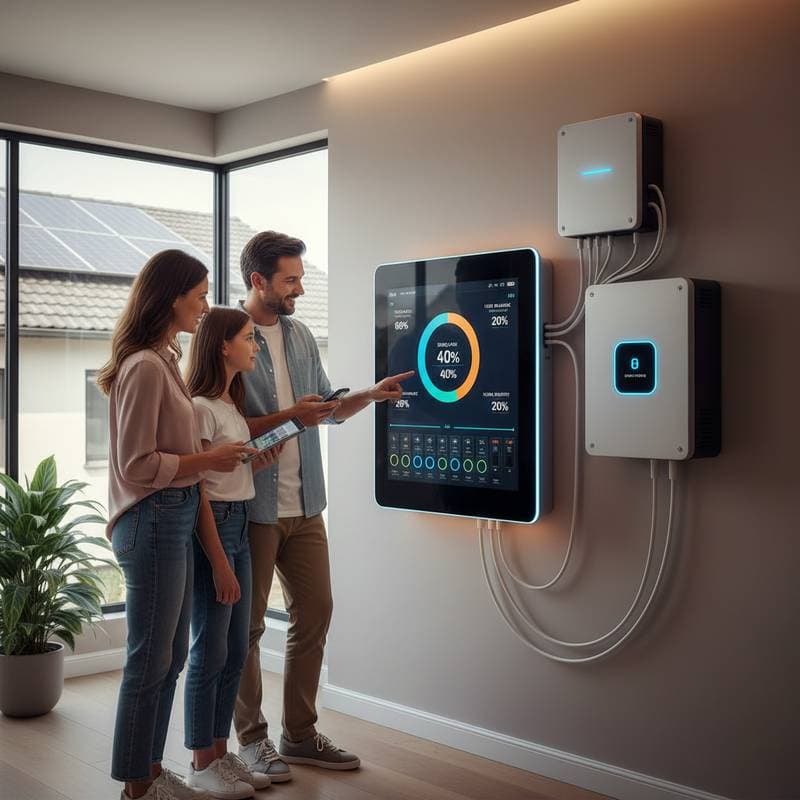
Reduce Electric Bills by 40 Percent with Smart Panels in 2025
Homeowners seek ways to lower electric bills, enhance comfort, and gain greater control over energy consumption. Options such as solar panels, batteries, and efficiency improvements offer benefits, yet they often present challenges in selection and integration. Smart electrical panels, also known as smart load centers or energy management systems, emerge as a pivotal advancement. These devices enable households to achieve energy cost reductions of up to 40 percent in 2025, particularly when combined with solar installations and optimized usage patterns.
Such panels require no complete system replacement to deliver value. They transform an existing electrical infrastructure into a sophisticated energy management center by monitoring, redirecting, and regulating power distribution.
The Importance of Smart Panels
Conventional electrical panels distribute power to circuits without monitoring or modulation capabilities. Smart panels incorporate sensors, communication modules, and advanced software. Through a mobile application, users access real-time data on circuit-specific consumption, program appliances for off-peak operation, and remotely deactivate non-essential loads.
In residences equipped with solar systems, this functionality proves transformative. Users direct generated solar energy toward high-priority applications, minimize losses from exporting surplus power, and curtail grid draws during elevated rate periods. The smart panel serves as the essential interface among solar production, energy storage, and household demand.
Mechanics of Smart Panels
Each breaker in a smart panel links to a compact metering unit. These units transmit data to a central processor, which relays information via the home's Wi-Fi connection. The accompanying software provides instantaneous power metrics and longitudinal usage analytics. For instance, users might discover that a water heater consumes 4 kilowatts over two hours each morning or that a clothes dryer operates beyond anticipated durations.
Customization options allow prioritization of circuits. Critical elements, such as refrigerators and lighting, receive uninterrupted supply, whereas adaptable loads like electric vehicle chargers or pool pumps halt during high-demand intervals. Certain models synchronize with utility time-of-use tariffs, enacting adjustments autonomously.
Demonstrated Savings
Examine a typical household with monthly consumption of 900 kilowatt-hours at a rate of 24 cents per kilowatt-hour, yielding a bill of 216 dollars. A smart panel facilitating a 20 percent reduction through load shifting and heightened awareness conserves approximately 43 dollars monthly. Integration with solar panels and a battery addressing an additional 25 percent of needs amplifies savings to around 86 dollars per month, or over 1,000 dollars annually.
Furthermore, smart panels optimize solar investments by promoting on-site utilization of generated power. Rather than exporting excess energy, the system allocates it to tasks like water heating or vehicle charging. This elevates self-consumption rates, accelerating the return on solar expenditures.
Installation and Expenses
The process of installing a smart panel resembles that of upgrading a primary electrical panel, augmented by digital components. Costs for professional installation generally span 3,000 to 5,000 dollars, influenced by system scale and intricacy. Residences undertaking solar, battery, or service enhancements often incorporate the panel with negligible additional expense.
Qualified electricians manage the installation, wiring connections, and application setup. Leading brands provide cloud-hosted monitoring, automatic firmware enhancements, and notifications for anomalous consumption patterns. Warranties typically extend ten years or longer.
Available Incentives
Utilities and regional initiatives frequently subsidize load management technologies. Smart panels qualify for rebates under energy efficiency or grid-responsive categories. Pairing these with solar and storage incentives substantially offsets initial investments. Verification of eligibility remains essential, as criteria vary by location and provider.
Scalable Implementation Strategies
For comprehensive upgrades, integrate a smart panel with solar arrays, battery storage, and a heat pump-based heating, ventilation, and air conditioning system. This ensemble diminishes grid dependency by over 50 percent, elevates comfort levels, and fortifies resilience against power interruptions.
Moderate investments involve adding a smart panel alongside a programmable thermostat, intelligent EV charger, and water heater regulator. These elements deliver demand flexibility and granular usage intelligence.
Entry-level approaches begin with partial load monitoring. Select smart panels feature introductory kits that track select circuits, furnishing insights into high-consumption appliances and informing subsequent optimizations.
Upkeep and Durability
Maintenance for smart panels remains minimal. Maintain cleanliness around the panel, apply software updates as prompted, and examine usage reports periodically. Anomalous consumption surges trigger diagnostic alerts to pinpoint sources. Low-voltage electronics, isolated from primary bus bars, ensure robust performance. Systems incorporate remote troubleshooting and customer assistance.
Broader Benefits for Daily Living
Savings extend beyond financial metrics. Smart panels foster quieter environments by timing operations of major appliances. When coupled with intelligent ventilation, they enhance indoor air quality. Such installations elevate property appeal, attracting buyers who value advanced energy oversight. In areas prone to outages, battery integration sustains essential circuits seamlessly.
Practical Steps Forward
- Compile 12 months of utility statements to analyze consumption trends.
- Arrange a professional site evaluation to assess panel capacity and solar viability.
- Evaluate smart panel variants for alignment with intended integrations.
- Consult installers regarding regional rebates, grid connection protocols, and surveillance features.
- Monitor reports monthly and refine schedules to optimize efficiencies.
Each initiative contributes to a more sustainable residence. From initial monitoring to holistic smart energy ecosystems, progressive measures yield enduring efficiency and security.
Frequently Asked Questions
What defines a smart electrical panel?
A smart panel supplants a standard breaker enclosure with a version capable of metering, regulating, and timing power delivery per circuit.
Does a smart panel necessitate solar integration?
No. It mitigates peak demands and uncovers inefficiencies independently of solar setups.
What savings potential exists?
Reductions typically span 20 to 40 percent, contingent on tariffs, behaviors, and configurations.
Is licensed installation mandatory?
Yes. Certified electricians ensure adherence to safety standards and building codes.
Do smart panels compatible with batteries?
Yes. They coordinate battery charging and discharging for superior efficiency.