
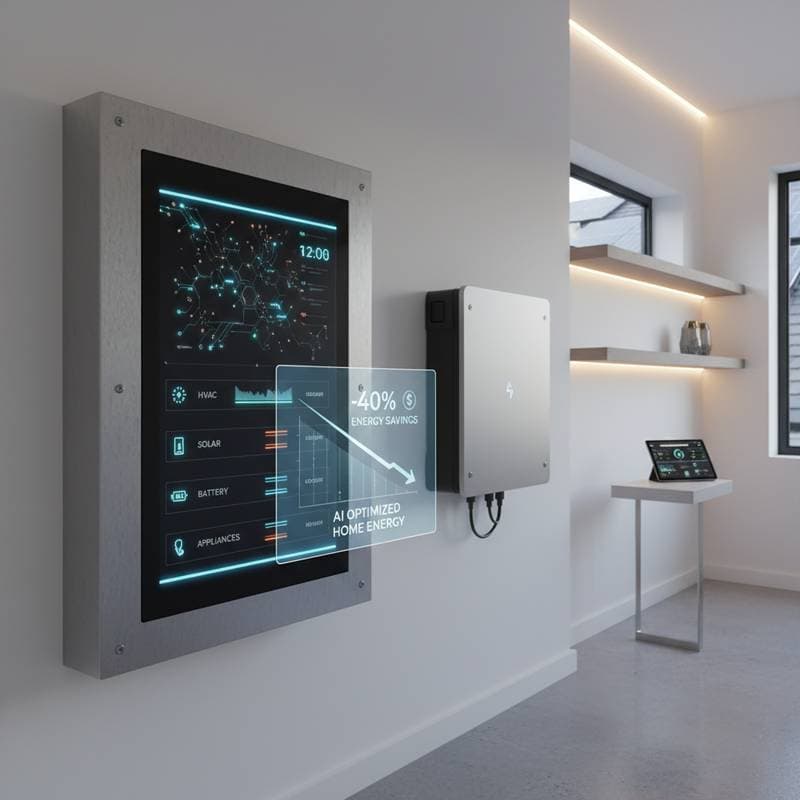
How AI-Powered Smart Panels Reduce Electric Bills by Up to 40%
In an era where energy costs continue to rise, homeowners seek innovative solutions to manage consumption effectively. AI-powered smart electrical panels emerge as a transformative technology, offering precise control over household energy use. These systems monitor usage patterns in real time and adjust distribution to minimize waste, potentially lowering utility bills by as much as 40 percent.
Understanding Smart Electrical Panels
Smart electrical panels represent an upgrade from traditional breaker boxes. They incorporate advanced hardware and software to track energy flow across every circuit in the home. Unlike conventional panels that simply distribute power, smart versions actively manage it by prioritizing essential loads and deferring non-critical ones.
The core innovation lies in their ability to integrate with home automation systems. Sensors detect appliance activity, while algorithms predict demand based on historical data and external factors like weather forecasts. This proactive approach ensures that energy serves the household efficiently without manual intervention.
The Role of Artificial Intelligence in Energy Management
Artificial intelligence drives the intelligence behind these panels. Machine learning models analyze vast amounts of data from connected devices, identifying inefficiencies such as standby power draw from electronics. The AI then orchestrates load shifting, moving high-energy tasks like laundry cycles to off-peak hours when rates are lower.
For instance, during peak evening hours, the system might reduce power to less urgent appliances while maintaining full operation for lighting and heating. Over time, the AI refines its strategies, learning from user habits to optimize further. This continuous adaptation results in sustained savings and reduced strain on the electrical grid.
Key Benefits for Homeowners
The primary advantage of smart panels centers on cost reduction. By optimizing energy distribution, households avoid peak pricing penalties and curtail unnecessary consumption. Studies indicate average savings of 20 to 40 percent on monthly bills, depending on usage patterns and local rates.
Safety enhancements add another layer of value. These panels detect anomalies like overloads or faults instantly, isolating issues to prevent fires or outages. Integration with fire alarms and surge protectors provides comprehensive protection, giving families peace of mind.
Sustainability plays a crucial role as well. Smart panels promote efficient use of resources, lowering overall carbon footprints. They encourage the adoption of renewable energy sources by seamlessly incorporating them into daily operations.
- Bill Savings: Up to 40 percent reduction through intelligent load management.
- Enhanced Safety: Real-time monitoring prevents electrical hazards.
- Eco-Friendly Operation: Supports green energy integration and reduces waste.
- Convenience: Automated adjustments eliminate manual oversight.
Integration with Solar and Battery Systems
Pairing smart panels with solar installations amplifies their effectiveness. The AI coordinates energy production from panels with household needs, storing excess in batteries for later use. This setup ensures self-sufficiency during outages or high-demand periods.
Consider a typical scenario: Solar generation peaks midday, but usage often spikes in the evening. The smart panel directs surplus daytime power to charge batteries, then draws from them at night. This strategy maximizes solar value, often achieving energy independence and qualifying for utility incentives.
Battery integration further stabilizes the system. The AI balances charging and discharging cycles to extend battery life while prioritizing cost savings. Homeowners benefit from resilient power during grid disruptions, maintaining essential functions without interruption.
Installation Process and Payback Period
Installing a smart electrical panel requires professional expertise, typically involving replacement of the existing unit. Electricians assess the home's wiring and capacity, ensuring compatibility with current infrastructure. The process usually takes one to two days, with minimal disruption to daily routines.
Upfront costs range from $3,000 to $6,000, depending on home size and features. However, rapid payback through bill reductions makes it worthwhile. Many users recoup the investment within three to five years, after which savings accumulate as pure profit.
To get started:
- Consult a certified installer for a site evaluation.
- Review local rebates for energy-efficient upgrades.
- Select a system that matches your home's energy profile.
- Monitor performance via the companion app for ongoing insights.
Real-World Impact and Future Outlook
Homeowners who adopt smart panels report noticeable improvements in energy awareness. Mobile apps provide detailed breakdowns of usage, empowering users to make informed decisions. This transparency fosters long-term behavioral changes that complement the technology's automation.
Looking ahead, advancements in AI promise even greater efficiencies. Future iterations may incorporate predictive maintenance and broader smart city integrations. As energy demands grow, these panels position homes at the forefront of sustainable living.
Embracing AI smart panels delivers immediate financial relief and positions your home for a resilient, eco-conscious future. The combination of savings, safety, and simplicity makes this upgrade a smart choice for modern households.