
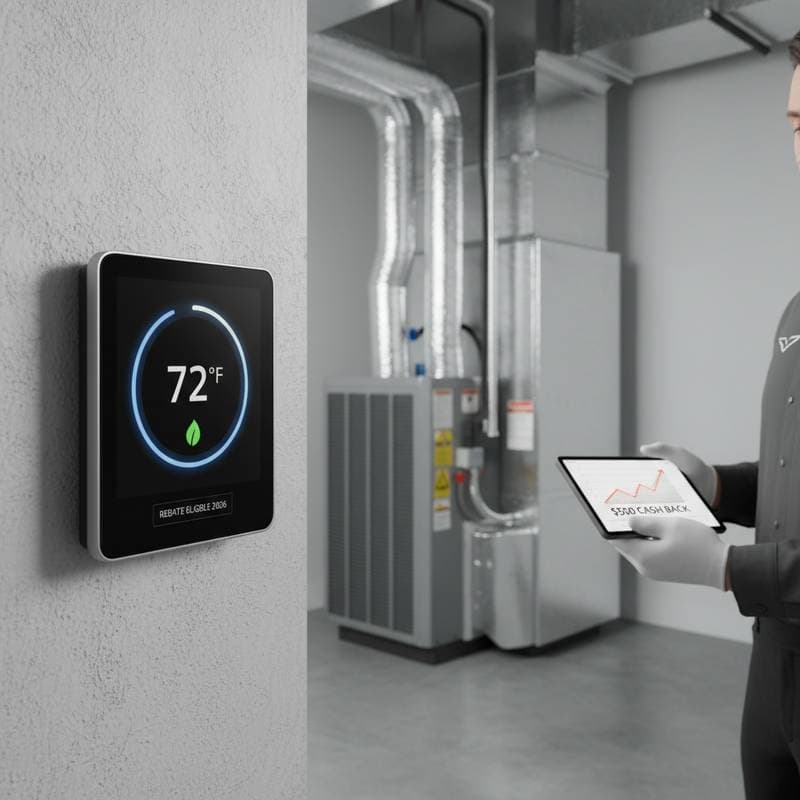
Smart Thermostats: Reducing HVAC Waste and Securing a $500 Rebate
Smart thermostats represent a pivotal advancement in home energy management. These devices optimize heating, ventilation, and air conditioning (HVAC) systems by learning user preferences and adjusting temperatures automatically. As energy efficiency becomes a priority, new regulations effective in 2026 introduce rebates that make adoption more accessible.
Homeowners stand to benefit from reduced utility bills and enhanced comfort. The upcoming rebate program targets qualifying models that integrate seamlessly with modern HVAC setups. This initiative encourages widespread use of technology that minimizes energy waste without compromising livability.
Understanding the 2026 Energy Rebate Program
The 2026 energy rules stem from federal efforts to promote sustainable practices in residential settings. Under this program, eligible households receive up to $500 back on the purchase and installation of certified smart thermostats. Qualification depends on the device's energy-saving features, such as programmable schedules and remote control capabilities.
To participate, verify that the thermostat meets Energy Star standards or equivalent certifications. These models typically include geofencing, which adjusts settings based on occupancy, and compatibility with zoning systems for multi-room control. The rebate applies to both new installations and upgrades from older, manual thermostats.
Application processes vary by state, but most involve submitting proof of purchase and installation receipts through designated energy departments. Processing times average four to six weeks, with direct reimbursement to the applicant. Consult local utility providers for additional incentives that may stack with the federal rebate.
Key Benefits of Smart Thermostats
Adopting a smart thermostat yields immediate and long-term advantages. Annual energy savings range from $150 to $250 for average households, depending on climate and usage patterns. These devices prevent overuse by maintaining optimal temperatures during unoccupied periods, directly cutting HVAC runtime.
Comfort levels improve through precise control. Users access adjustments via smartphone apps, ensuring consistent environments regardless of location. Integration with smart home ecosystems allows synchronization with lights, locks, and appliances for holistic efficiency.
Environmental impact merits consideration as well. By reducing fossil fuel consumption in HVAC operations, these thermostats lower carbon footprints. Over a decade, a single device can offset thousands of pounds of CO2 emissions, aligning personal choices with broader sustainability goals.
Selecting the Right Smart Thermostat
Choose a model based on specific home needs. For larger properties, opt for systems supporting multiple zones to address varying temperature requirements across rooms. Battery-powered options suit rentals or temporary setups, while hardwired versions offer reliability in permanent installations.
Evaluate user interfaces for simplicity. Touchscreen displays and voice compatibility with assistants like Alexa or Google Home enhance usability. Battery life and Wi-Fi connectivity ensure uninterrupted performance, even during power fluctuations.
Budget plays a role, with prices starting at $150 for basic units and reaching $300 for advanced features. Factor in the $500 rebate, which often covers the full cost and provides surplus for professional installation if needed. Read manufacturer specifications to confirm rebate eligibility before purchase.
Installation and Setup Steps
Professional installation recommended for complex HVAC systems ensures proper wiring and calibration. Electricians or certified technicians complete the process in under two hours, minimizing disruption. Costs range from $100 to $200, frequently offset by the rebate.
For DIY enthusiasts, follow these steps:
- Turn off power to the HVAC system at the breaker to avoid electrical hazards.
- Remove the existing thermostat by unscrewing the mounting plate and disconnecting wires.
- Mount the new baseplate and reconnect wires according to the device's labeling diagram.
- Attach the thermostat display and restore power.
- Download the companion app and follow on-screen prompts to configure settings, including Wi-Fi connection and schedule preferences.
Test functionality by adjusting temperatures and monitoring responses. Initial setup includes calibrating sensors for accurate readings. Regular firmware updates maintain optimal performance and security.
Maximizing Savings and Efficiency
Pair the thermostat with other energy-saving habits for compounded results. Seal drafts around windows and doors to enhance insulation, reducing the workload on HVAC components. Schedule annual maintenance to keep systems running at peak efficiency.
Monitor usage through app analytics to identify patterns. Adjust setbacks for nighttime or vacation modes, potentially increasing savings by 10 percent. Integrate with solar panels if available, as smart thermostats optimize energy draw from renewable sources.
Track rebate progress and explore utility programs for further discounts. Some providers offer demand-response incentives, crediting users for allowing temporary adjustments during peak grid times. These strategies transform the device into a cornerstone of comprehensive home energy management.
Why Upgrade Now
The 2026 rebate presents a timely opportunity to modernize climate control. Beyond financial returns, smart thermostats deliver reliability and convenience in daily life. Homeowners who act early position themselves for sustained savings and a more resilient living environment.
Consider the long-term value: devices last 10 to 15 years, providing ongoing benefits. As energy costs rise, this investment safeguards against future expenses. Embrace the shift toward intelligent homes for efficiency that endures.