
Understanding Smart Water Heaters
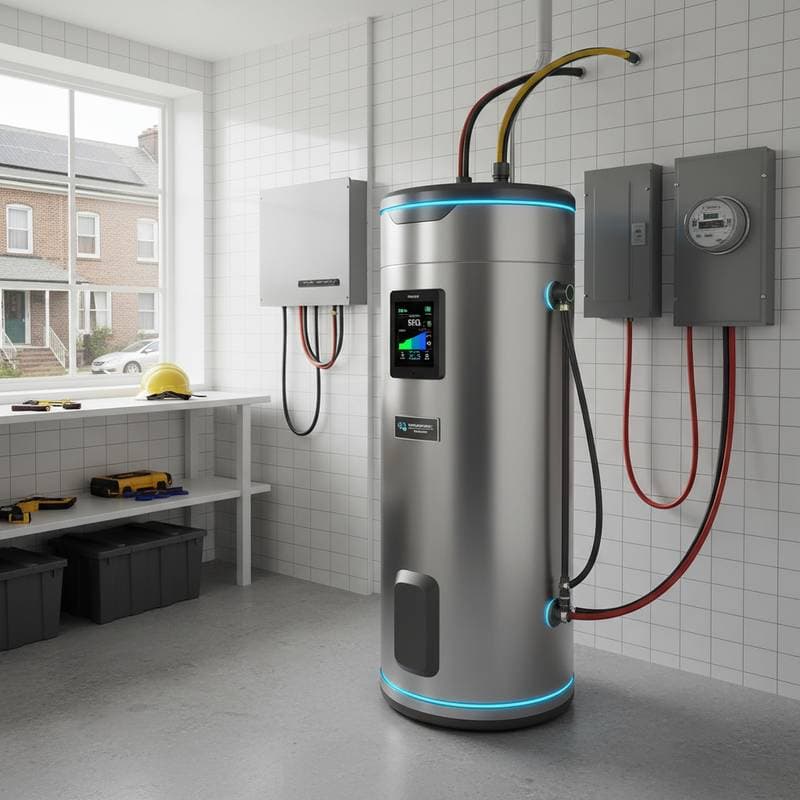
Smart water heaters represent a significant advancement in home energy management. These devices integrate with the electrical grid to optimize energy use, particularly in urban areas like Philadelphia where demand fluctuations are common. By responding to real-time pricing and grid signals, they help households lower costs without sacrificing hot water availability.
Traditional water heaters operate continuously, consuming energy regardless of need or cost. In contrast, smart models use sensors and connectivity to adjust operations intelligently. This shift not only cuts bills but also supports broader energy efficiency goals in the city.
Philadelphia's climate, with its cold winters, places heavy demands on heating systems. Smart heaters address this by preheating water during off-peak hours when electricity rates are lower. Residents benefit from consistent performance while contributing to a more stable local power network.
The Mechanics of Grid-Interactive Operation
Grid-interactive smart water heaters connect to home Wi-Fi and utility systems for seamless communication. They receive signals about energy prices and grid conditions, allowing automated adjustments. For instance, the unit can heat water aggressively when renewable sources like wind or solar are abundant and rates drop.
During high-demand periods, such as evening rushes, these heaters pause or reduce heating to avoid straining the grid. This feature prevents blackouts and earns users credits through demand-response programs. In Philadelphia, where PECO manages the grid, participation in such initiatives is straightforward and rewarding.
Advanced models scheduled for 2026 incorporate AI algorithms to predict household hot water needs based on usage patterns. This predictive capability ensures efficiency, minimizing energy waste. Users access controls via mobile apps, enabling manual overrides when necessary.
Achieving 40 Percent Savings on Energy Bills
Studies indicate that smart water heaters can reduce water heating expenses by up to 40 percent in Philadelphia homes. Water heating accounts for about 18 percent of typical household energy use, making this a high-impact upgrade. The savings stem from shifting consumption to cheaper times and reducing overall runtime.
Consider a standard Philadelphia household with an annual water heating bill of $500. Implementing a smart heater could lower this to $300, yielding $200 in annual savings. Factors like home size, insulation, and family habits influence exact figures, but the potential remains substantial.
Beyond direct bill reductions, these systems qualify for federal tax credits under the Inflation Reduction Act. Pennsylvania offers additional incentives through programs like the Energy Efficiency and Conservation Block Grant. Combined, these rebates shorten payback periods to as little as two years.
Seamless Integration with Solar Power Systems
Pairing smart water heaters with solar panels amplifies benefits in Philadelphia's sunny months. Excess solar energy can power the heater directly, further lowering reliance on grid electricity. This setup turns homes into mini power plants, exporting surplus energy back to the grid for credits.
Installation involves compatible inverters that sync solar output with heater demands. Philadelphia's net metering policies support this, ensuring fair compensation for generated power. Residents with existing solar arrays find retrofitting straightforward, often with minimal disruption.
For new installations, comprehensive packages bundle solar panels, smart heaters, and batteries. These systems store daytime solar gains for evening use, optimizing hot water production. The result is near-zero energy costs for water heating during peak production periods.
Navigating Rebates and Financial Incentives
Philadelphia provides targeted rebates for energy-efficient appliances through local utilities and state programs. The PECO EnergyWise program offers up to $1,000 for qualifying smart water heaters. Eligibility requires professional installation by certified technicians.
Federal incentives include a 30 percent tax credit on costs exceeding $2,000. Low-income households access additional support via the Low-Income Home Energy Assistance Program. Applying for these requires documentation of purchase and installation, typically submitted online.
Consult local installers familiar with Philadelphia codes to maximize rebates. They guide through paperwork and ensure compliance with building standards. This process not only secures funding but also verifies system performance for long-term reliability.
Steps to Install a Smart Water Heater in Your Home
Begin by assessing your current water heater's age and efficiency. Units over 10 years old are prime candidates for replacement. Measure your household's hot water needs to select the right capacity, usually 40 to 80 gallons for Philadelphia families.
Next, choose a model from reputable brands like Rheem or AO Smith, focusing on grid-interactive features. Verify compatibility with Philadelphia's voltage standards and smart home ecosystems. Professional assessment confirms space requirements and electrical upgrades if needed.
Hire a licensed plumber for installation, which takes one to two days. Post-installation, connect the device to your Wi-Fi and enroll in utility programs. Test operations to ensure seamless integration with daily routines.
Realizing Long-Term Value for Philadelphia Homes
Adopting smart water heaters extends beyond immediate savings to foster sustainable living. They reduce carbon footprints by aligning with cleaner energy sources and easing grid pressure. In a city committed to green initiatives, these upgrades align with community goals.
Homeowners report enhanced comfort from reliable hot water and app-based monitoring. Maintenance is minimal, with remote diagnostics alerting to issues early. Over time, increased property values reflect energy-efficient features appealing to eco-conscious buyers.
Philadelphia's evolving energy landscape favors early adopters. By installing now, residents position themselves for future incentives and technological advancements. This proactive step secures financial and environmental gains for years ahead.