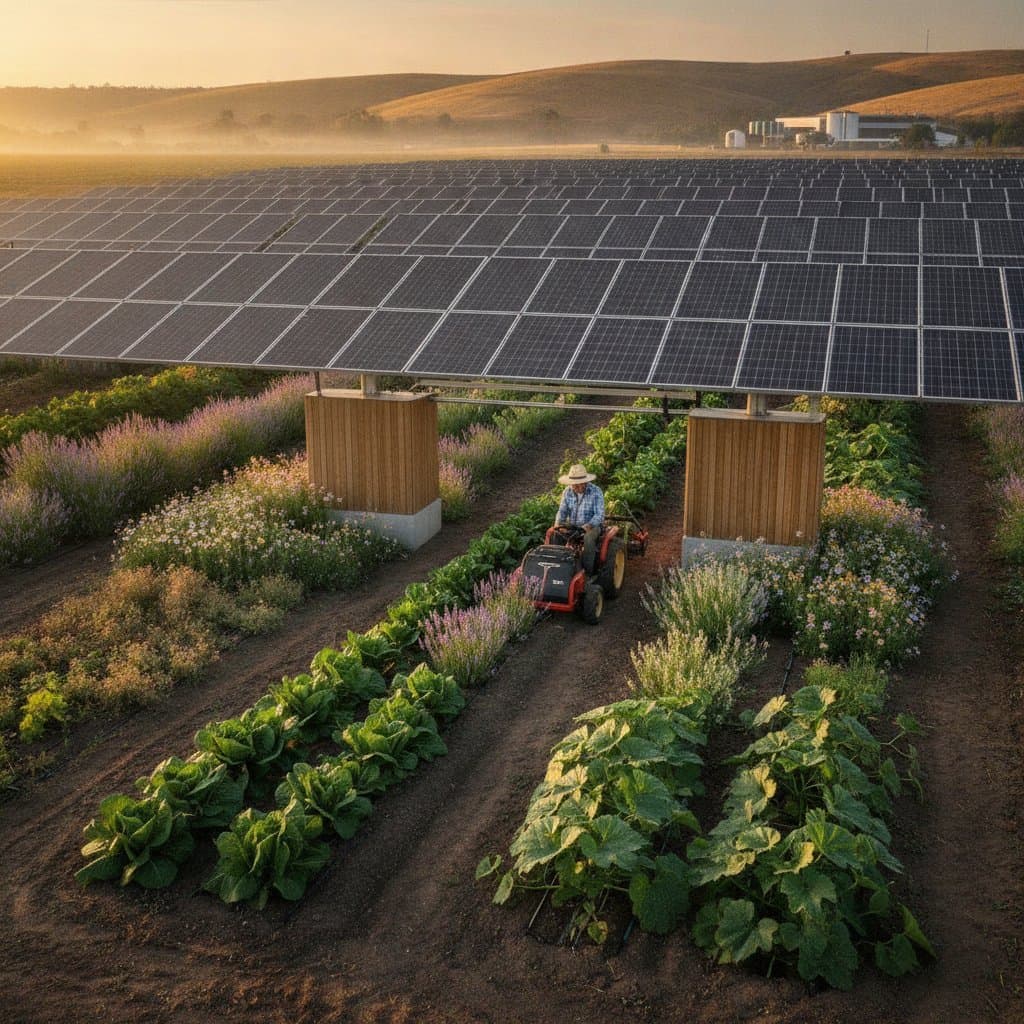
Solar Panels and Crops Share Land for Double Harvest
Agrivoltaics enables farmers to generate solar power and grow food on shared land. The approach raises income, improves soil conditions, and strengthens resilience against weather extremes.
Loading...
Agrivoltaics enables farmers to generate solar power and grow food on shared land. The approach raises income, improves soil conditions, and strengthens resilience against weather extremes.
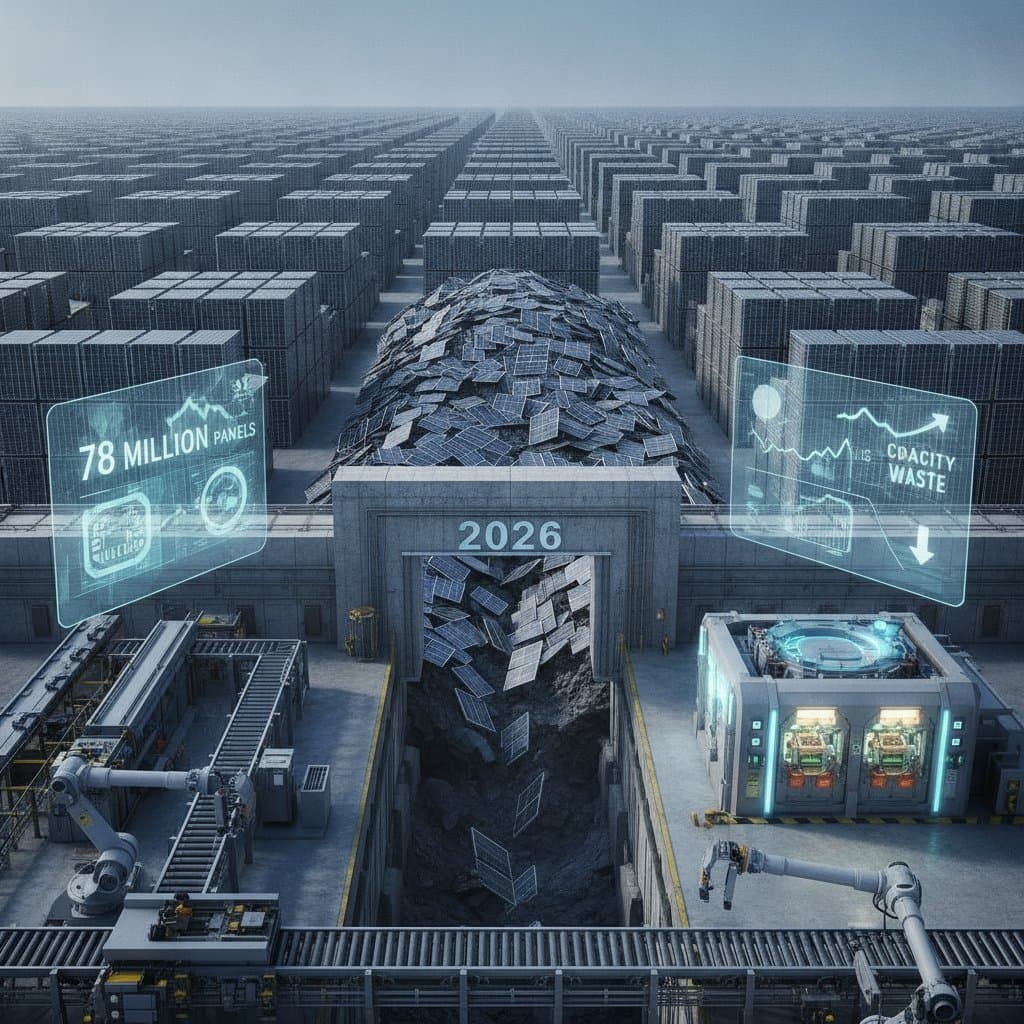
By 2026 up to 78 million solar panels may reach end of life. Limited facilities and uneven policies risk sending valuable materials to landfills. Expanded capacity, clear regulations, and homeowner preparation can turn this challenge into a resource opportunity.
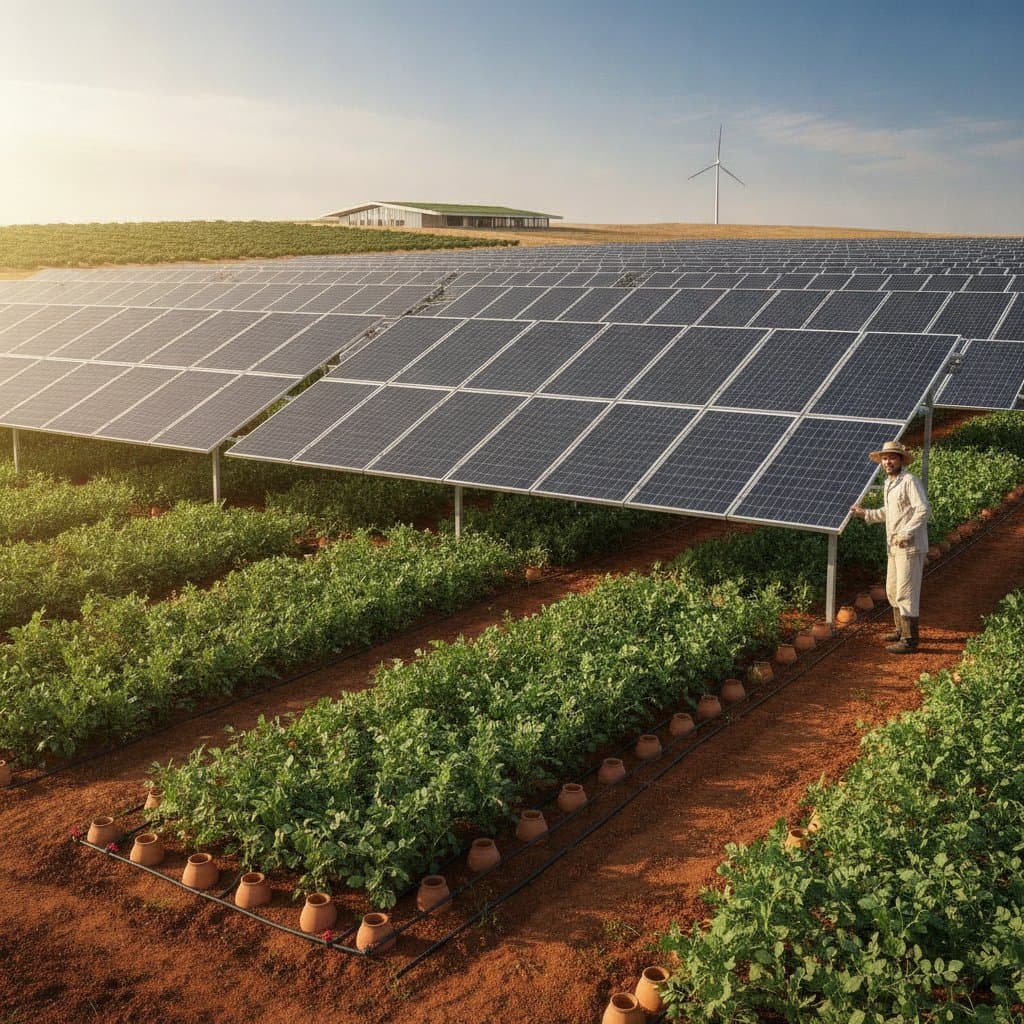
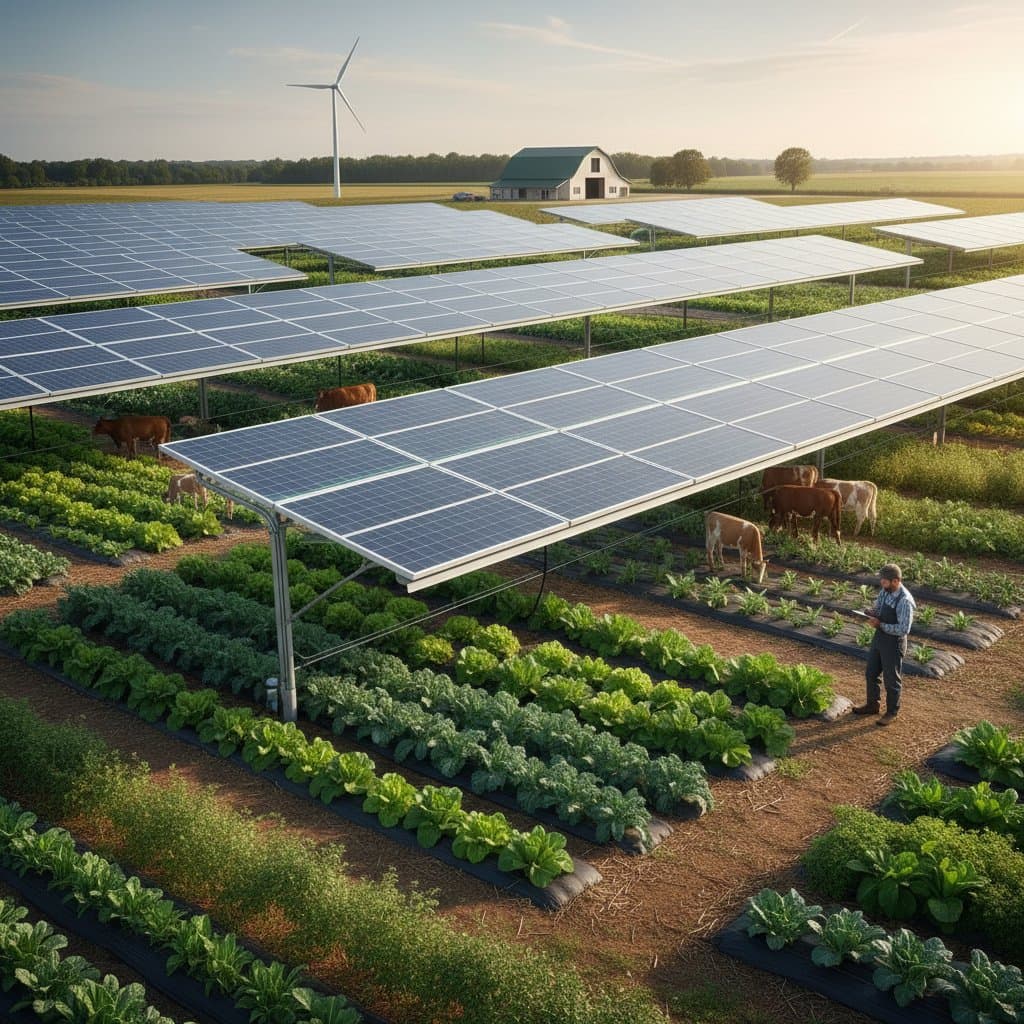
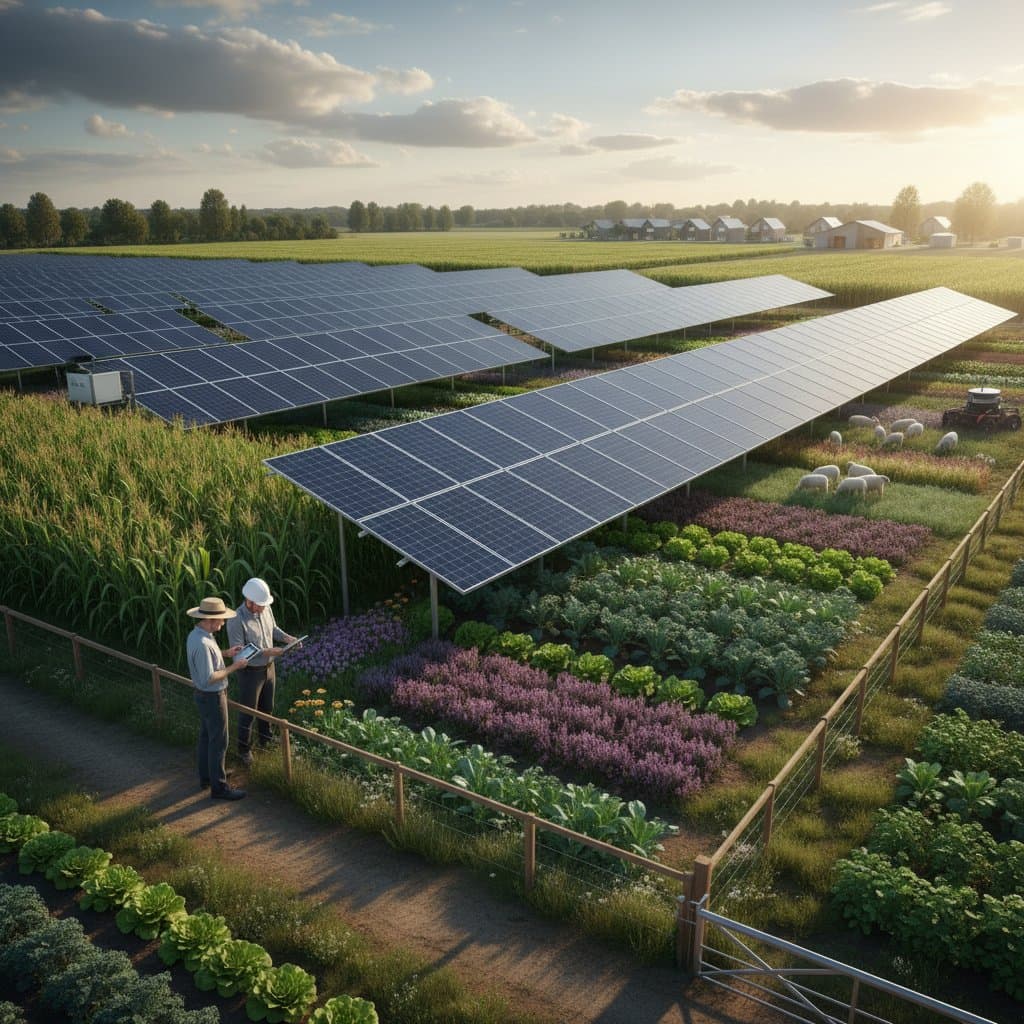
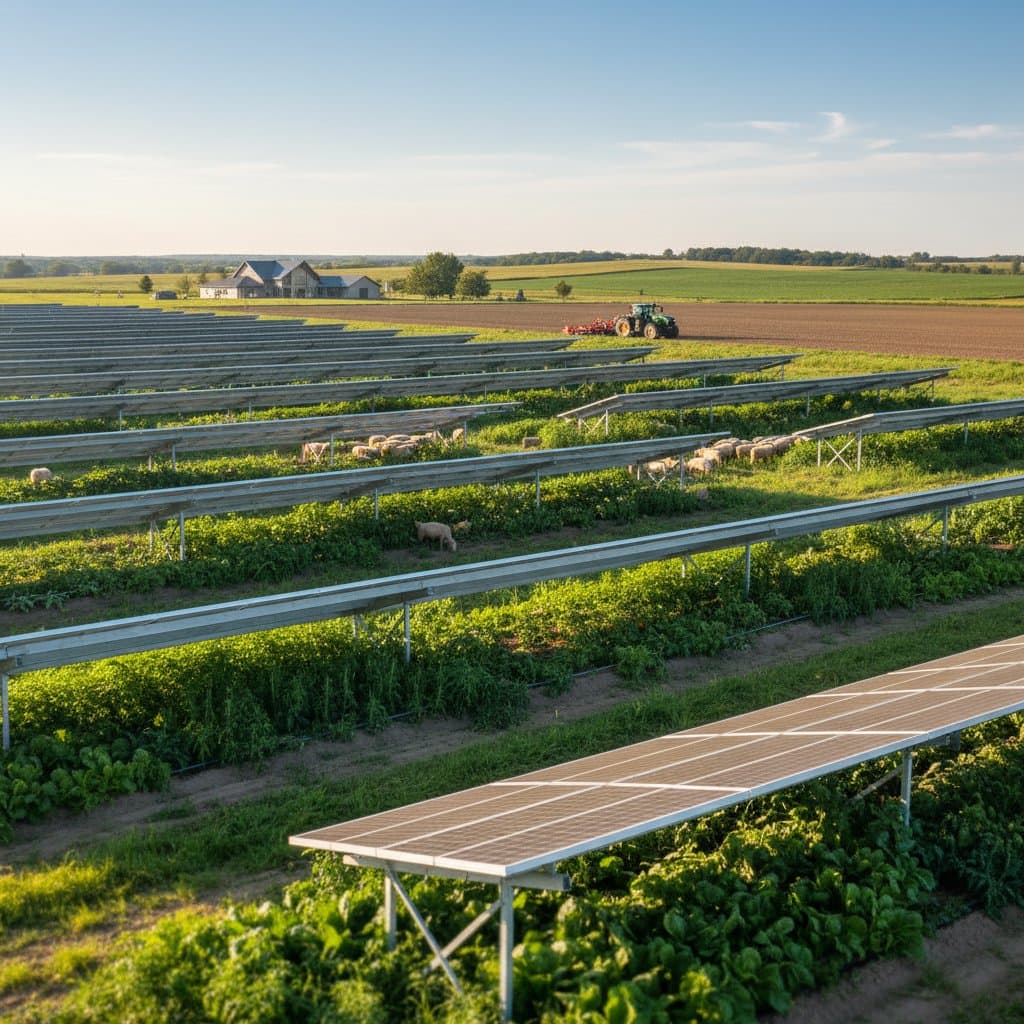
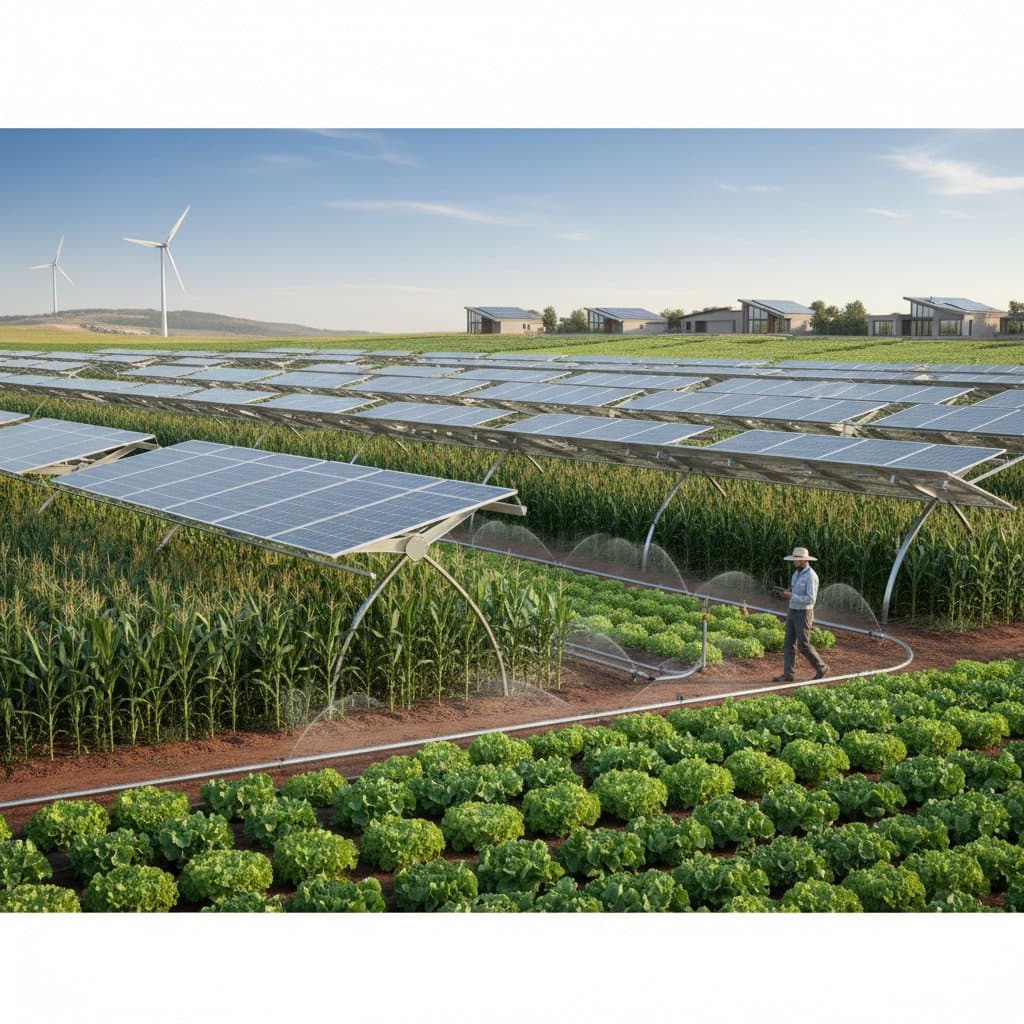
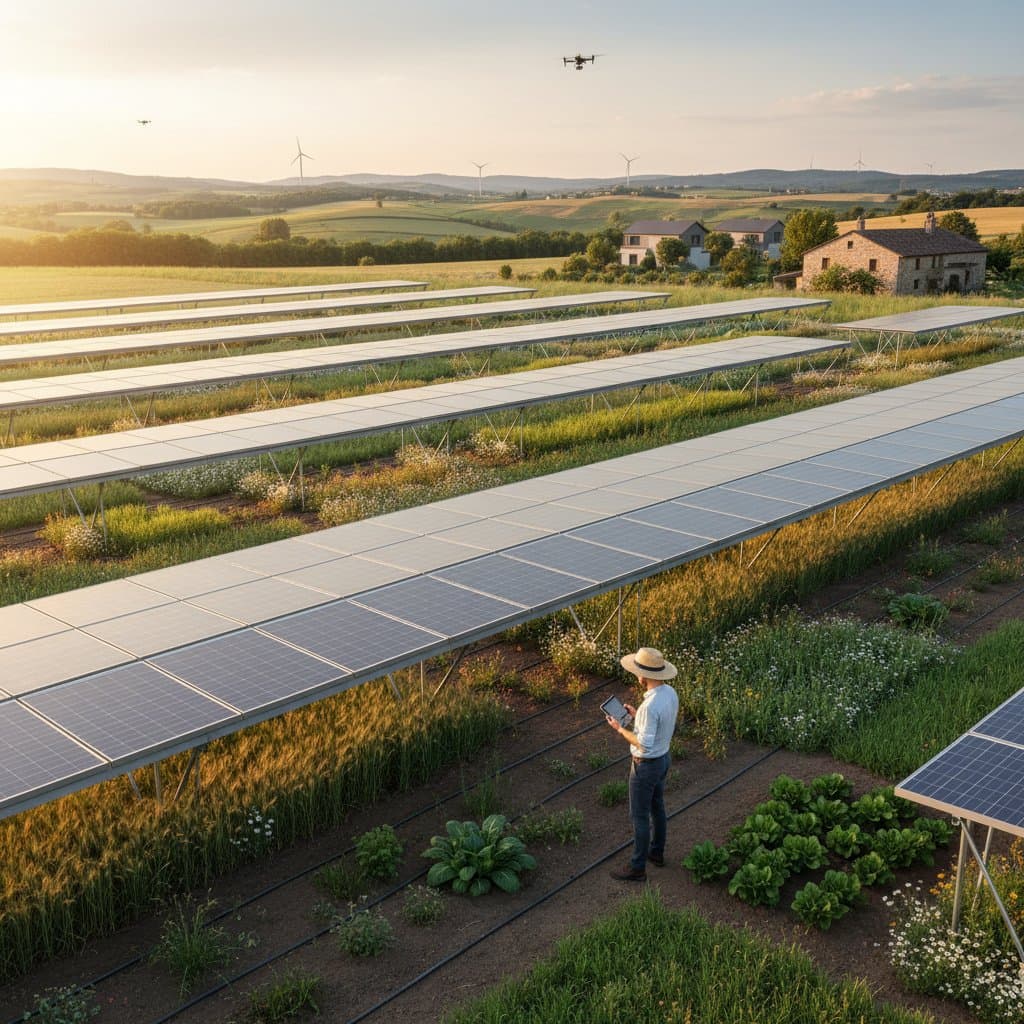
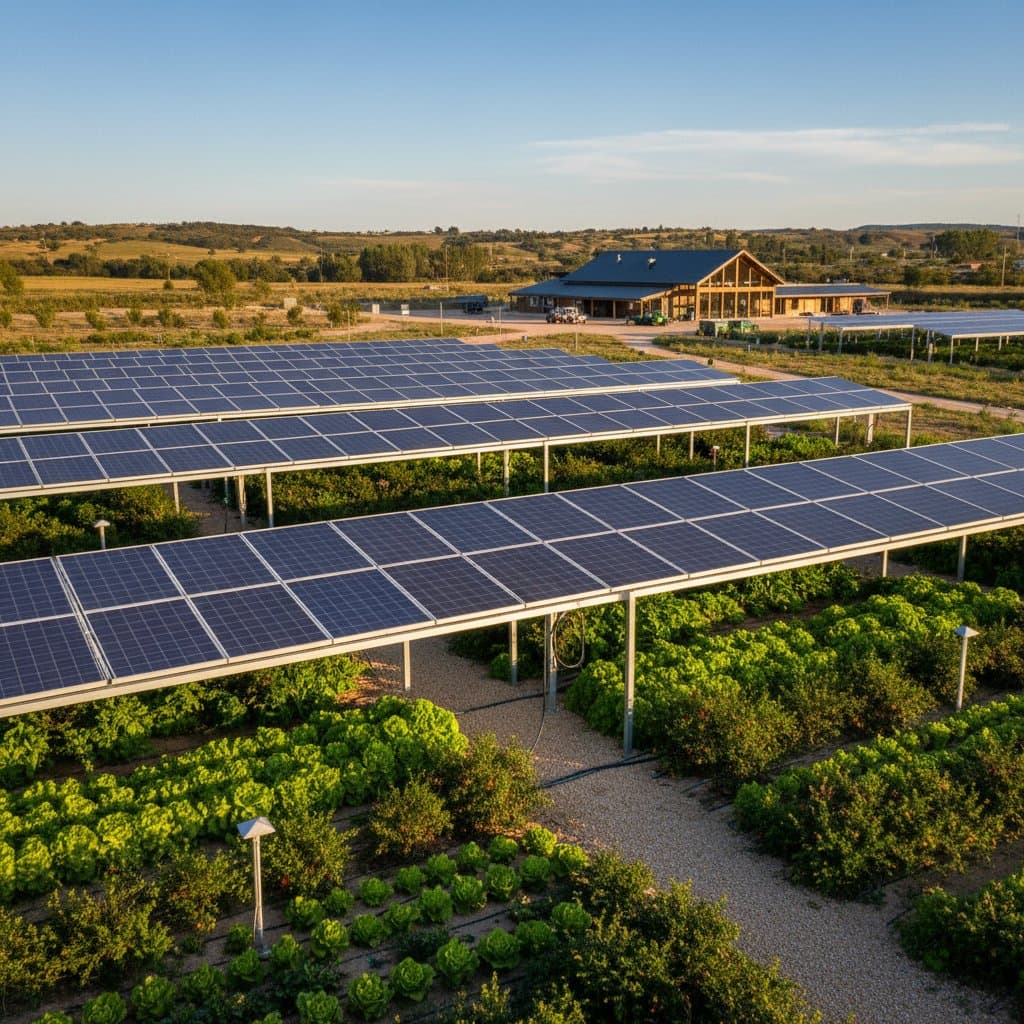
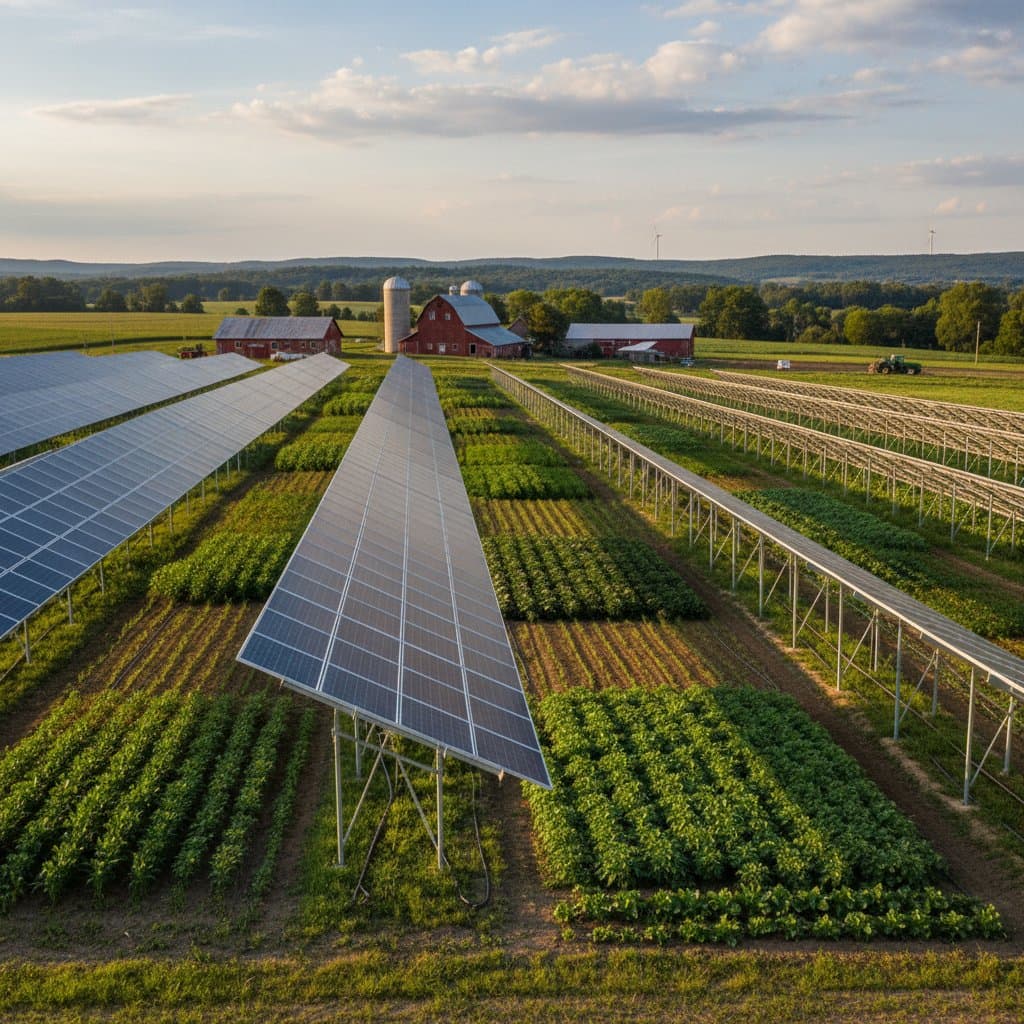
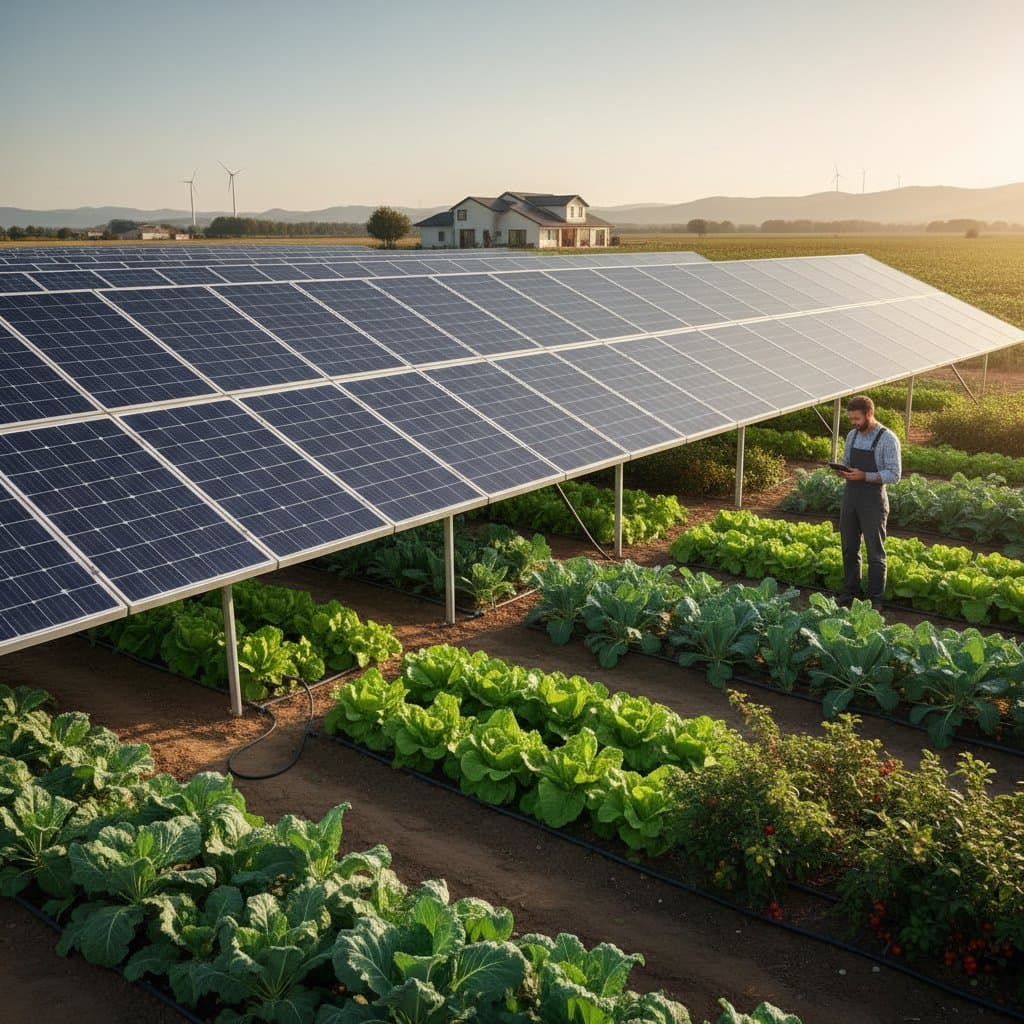
Agrivoltaics integrates solar energy generation with agriculture, allowing farms to yield both food and electricity from the same land. Elevated panel designs accommodate crops and livestock below, improving yields, water efficiency, and financial security. This emerging practice in 2026 bolsters local economies, safeguards farmland, and promotes sustainable harmony between renewables and farming.
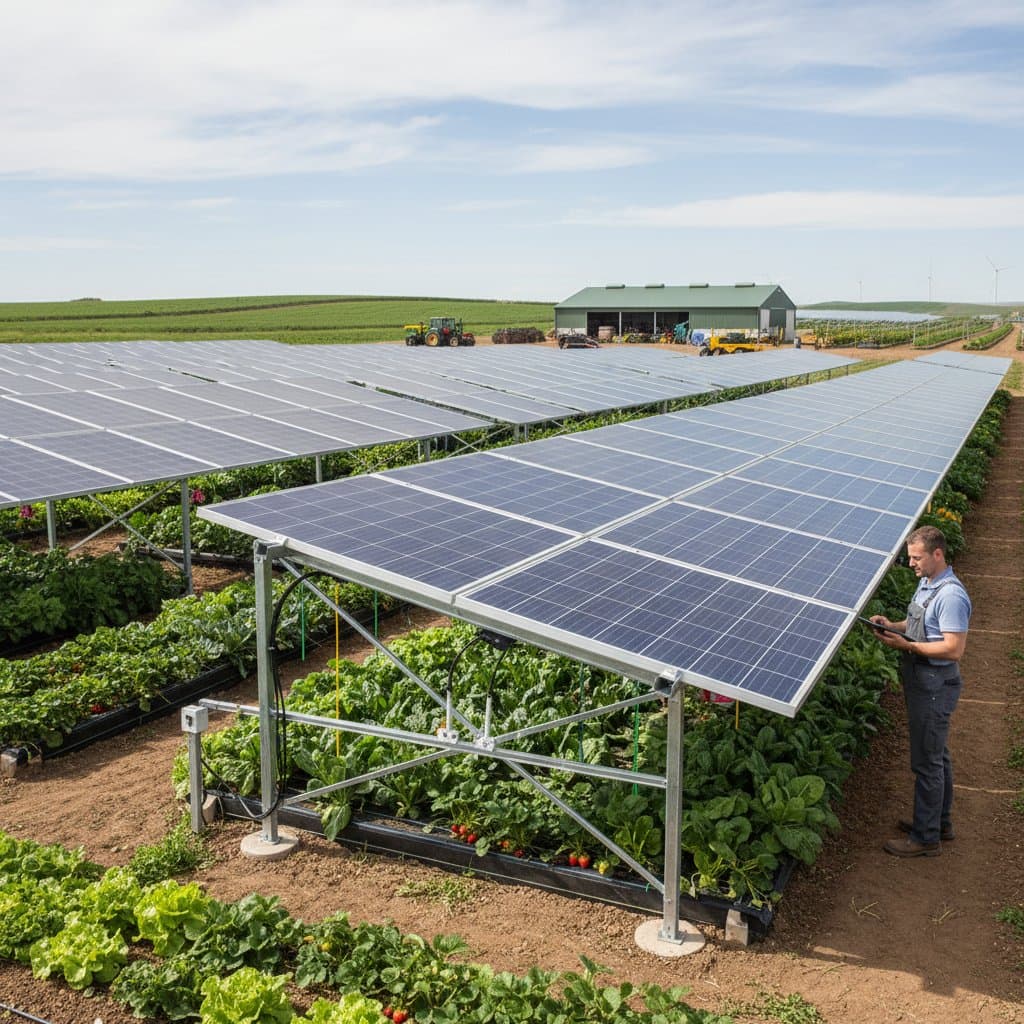
Dual-use solar, also known as agrivoltaics, enables farmers to produce both food and renewable energy on the same plot of land by growing crops beneath raised solar panels. This method diversifies revenue, enhances soil moisture retention, and contributes to grid stability. Discover practical designs, financial incentives, and steps to implement this approach for long-term farm viability.
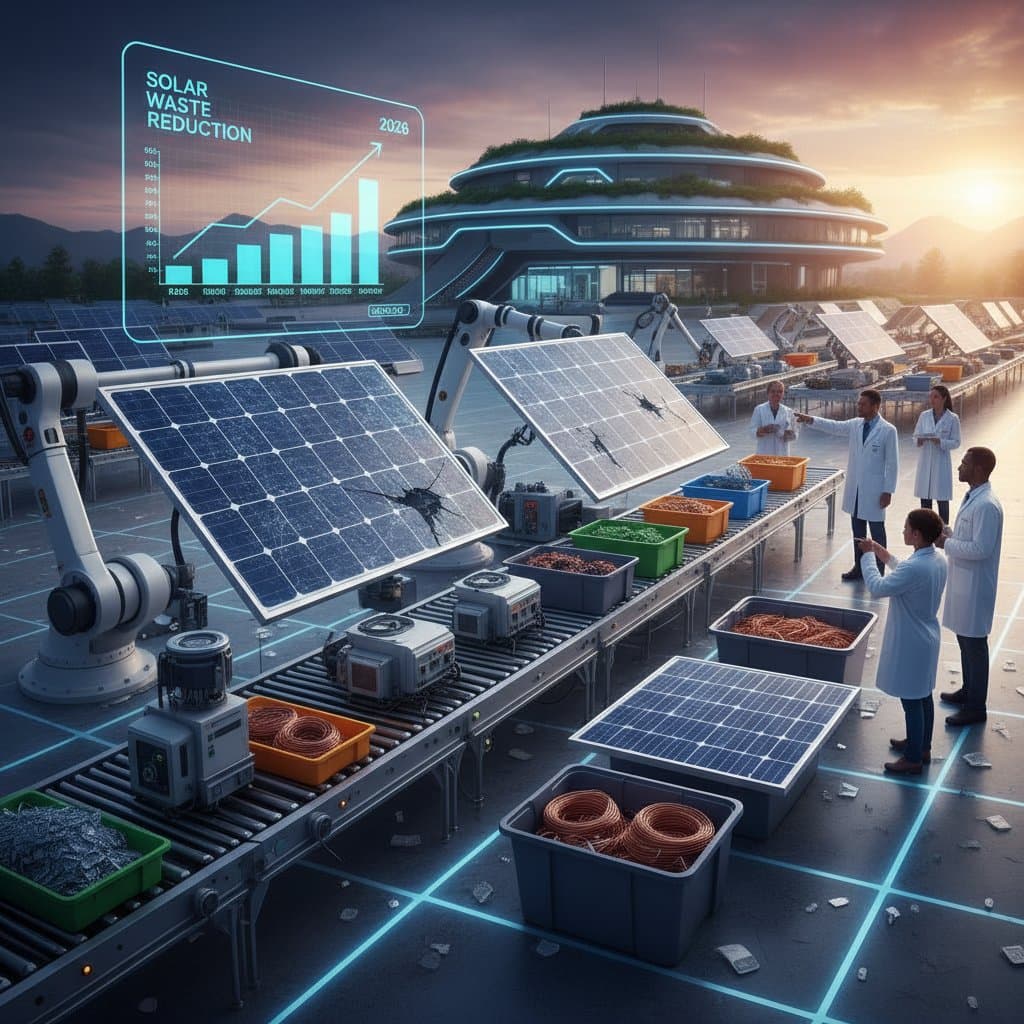
With millions of solar panels retiring by 2026, recycling infrastructure faces scrutiny. Explore the mechanics of panel recycling, associated costs for homeowners, and policy shifts poised to avert a waste crisis through innovative resource recovery.
Agrivoltaics integrates solar energy production with agriculture, enabling farmland to yield both crops and electricity. Elevated panels provide shade for plants and animals, reduce water evaporation, and foster biodiversity. Through collaboration among farmers, engineers, and regulators, this practice builds resilient agricultural systems while meeting renewable energy objectives in Pennsylvania.
Agrivoltaics revolutionizes farmland by combining solar energy production with agriculture. Elevated panels provide shade that cools soil, increases crop yields, and supports grazing animals. Backed by incentives and dual revenue streams, this model ensures profitability, environmental gains, and food security through 2026 and beyond.
Agrivoltaics revolutionizes agriculture by blending solar energy with farming practices. This integration drives higher profits, water savings, and climate resilience. Incentives and enduring energy benefits position farmers for sustainable prosperity that bolsters land and finances alike.
Agrivoltaics integrates solar energy production with agriculture, turning farmland into efficient dual-use spaces that generate electricity and cultivate crops. This method optimizes sunlight exposure, reduces water consumption, and promotes healthier soil, driving greater sustainability and economic viability. Through thoughtful design, rigorous safety measures, and adherence to permitting standards, agrivoltaics paves the way for resilient local production of both food and power.
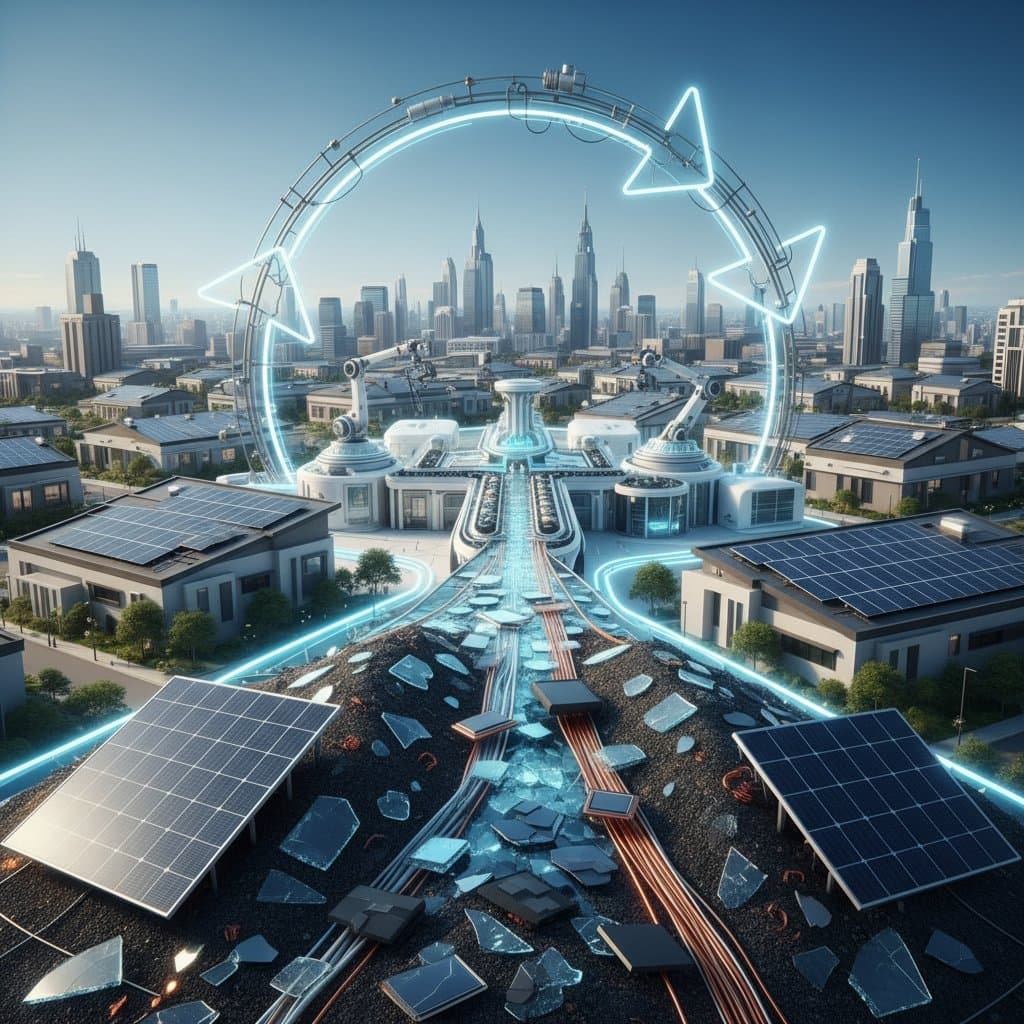
By 2050, end-of-life solar panels could generate 78 million tons of global waste, undermining clean energy gains. Advances in recycling, supportive policies, and informed homeowner decisions offer pathways to recover resources, cut pollution, and foster a circular economy that sustains renewable energy benefits.
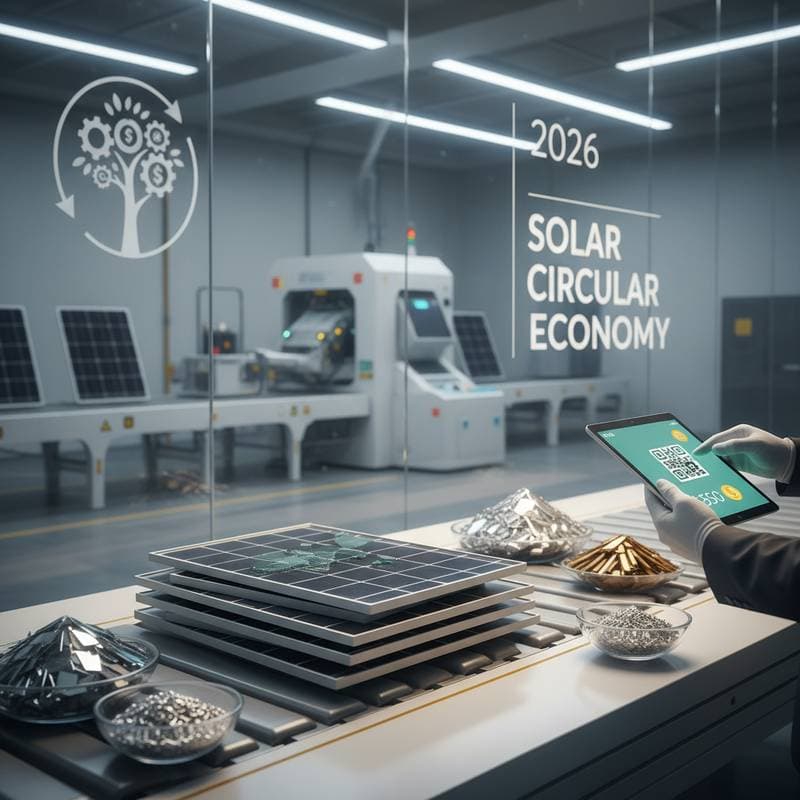
Effective 2026, updated solar recycling regulations enable homeowners to receive cash or credits for returning end-of-life panels. This initiative recovers valuable materials such as glass, aluminum, and silver, reduces landfill contributions, and advances a sustainable circular economy in solar energy that supports both financial and environmental goals.
By 2026, agrivoltaic systems will enable shared land for solar energy and crop farming. Raised panels produce electricity while providing shade that saves water and boosts yields. This innovation offers farmers dual revenue, supplies communities with clean power, and promotes environmental sustainability through integrated agriculture and renewables.
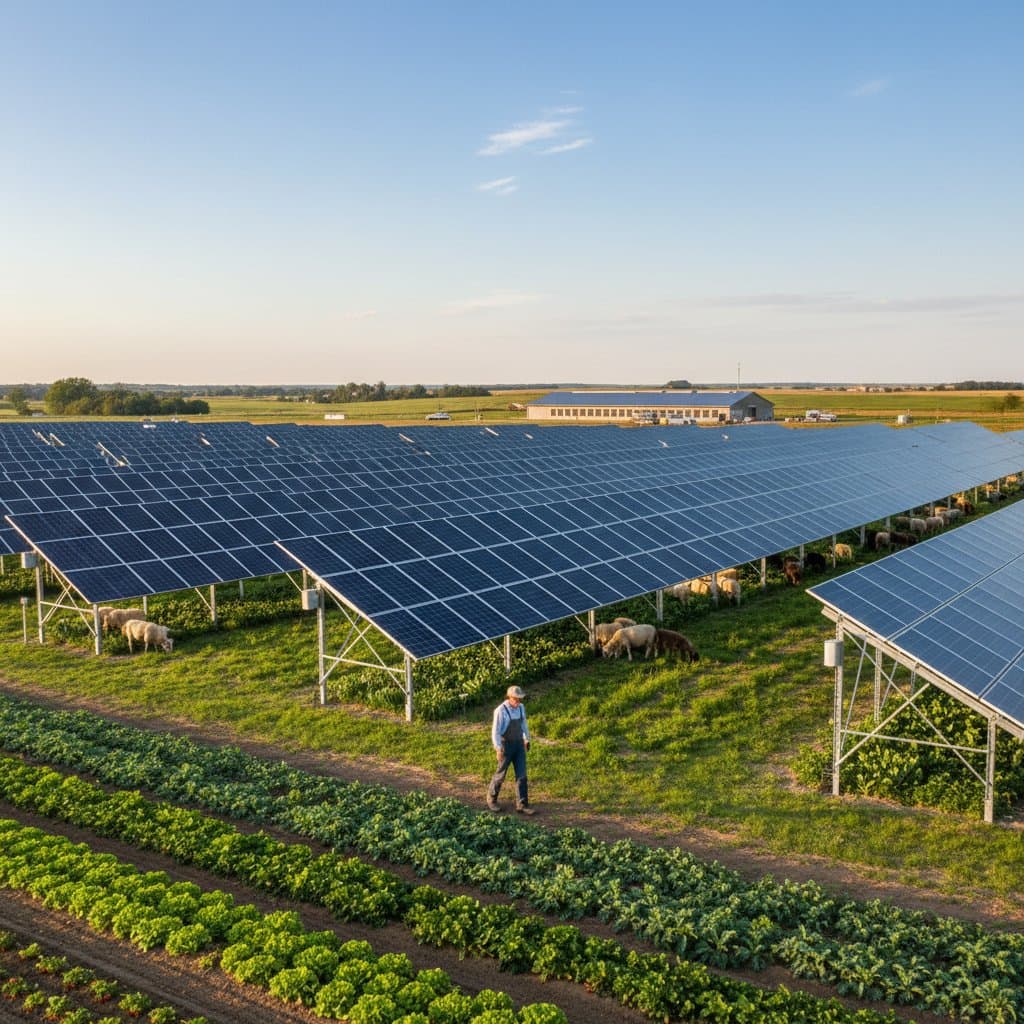
In America's farmlands, agrivoltaic solar projects integrate panels with crops and livestock, advancing clean energy production, safeguarding agriculture, and bolstering rural livelihoods. Incentives lower barriers, and shade improves yields, positioning 2026 as a pivotal year for harmonious renewable and farming integration.
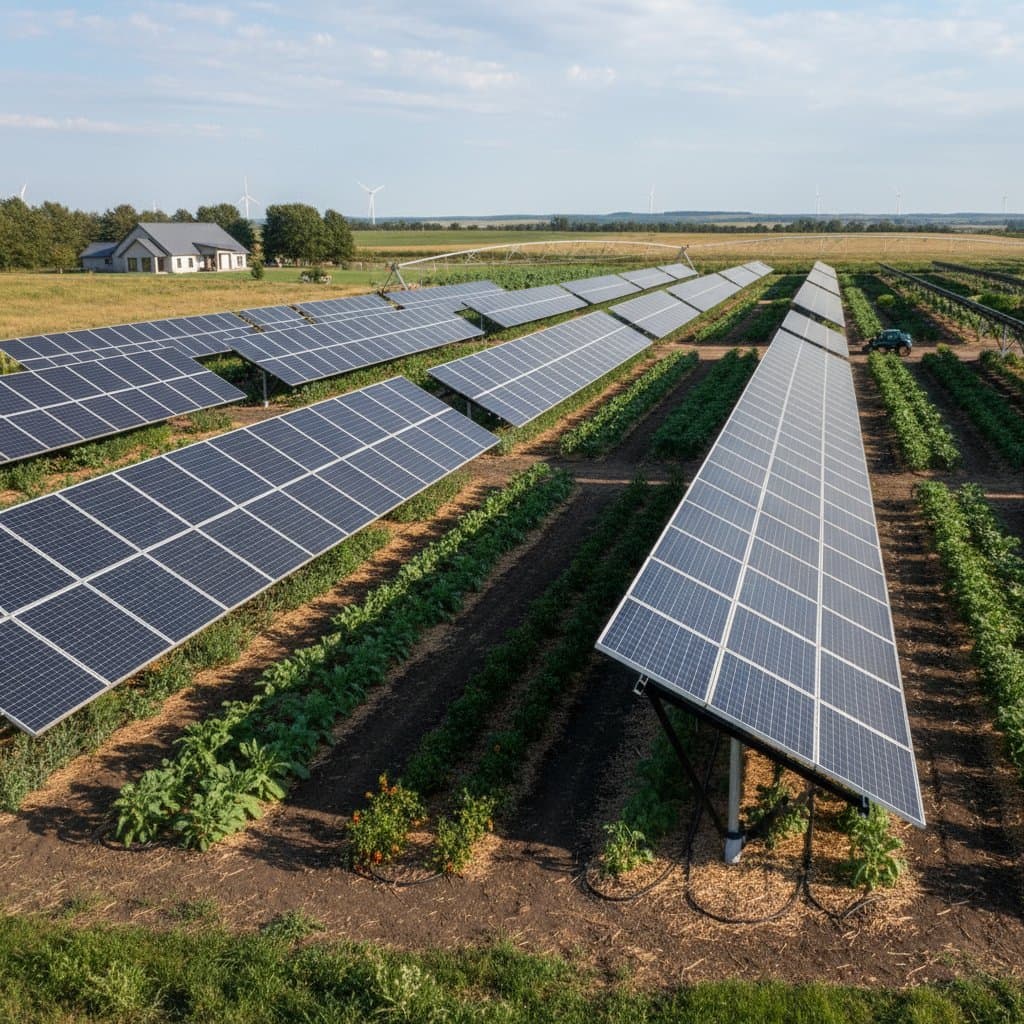
Agrivoltaics combines solar power generation and agriculture on shared land, allowing panels and crops to coexist productively. Strategic design optimizes light exposure, panel elevation, and plant varieties to yield both electricity and harvests. This method diversifies farm revenue, improves resource use, and advances eco-friendly practices for enduring energy and food security.
Agrivoltaics integrates solar energy production with agriculture, enabling land to yield both renewable power and crops. This innovative practice enhances rural economies, promotes biodiversity, and builds resilience against climate challenges. Through thoughtful design, adherence to safety protocols, and expert guidance, communities can sustain farmland productivity while powering homes with clean electricity.
Agrivoltaics integrates solar energy with agriculture, enabling food and power production on shared land. Elevated panels provide shade to cut water use, increase yields, and fortify rural economies. Through precise electrical engineering, safety measures, and strategic design, this approach delivers sustainable profitability for farmers and renewable energy supporters.
Agrivoltaics integrates solar power with agriculture on shared land. Raised panels enable thriving crops and livestock below, increasing yields, saving water, and producing renewables. Incentives, collaborations, and optimized designs deliver farmers profitability, durability, and eco-friendly progress.
Agrivoltaics enables Pennsylvania farmers to cultivate crops alongside solar energy production on shared land, enhancing financial stability and environmental resilience. Thoughtful designs ensure code adherence, water efficiency, soil protection, and consistent power output. Discover strategies for farms to secure additional income while preserving productivity into 2025.
Agrivoltaics integrates solar energy with agriculture, allowing panels and crops to flourish together. This innovative system strengthens food security, reduces water use, increases earnings for farmers, and advances renewable objectives. Thoughtful design, safety measures, and strategic planning convert fields into robust platforms for energy and food production.
In 2025, approximately 78 million solar panels will reach the end of their service life, posing significant waste management challenges. However, with effective recycling, these panels offer opportunities to recover valuable materials, create jobs, and advance circular economy principles in renewable energy.