
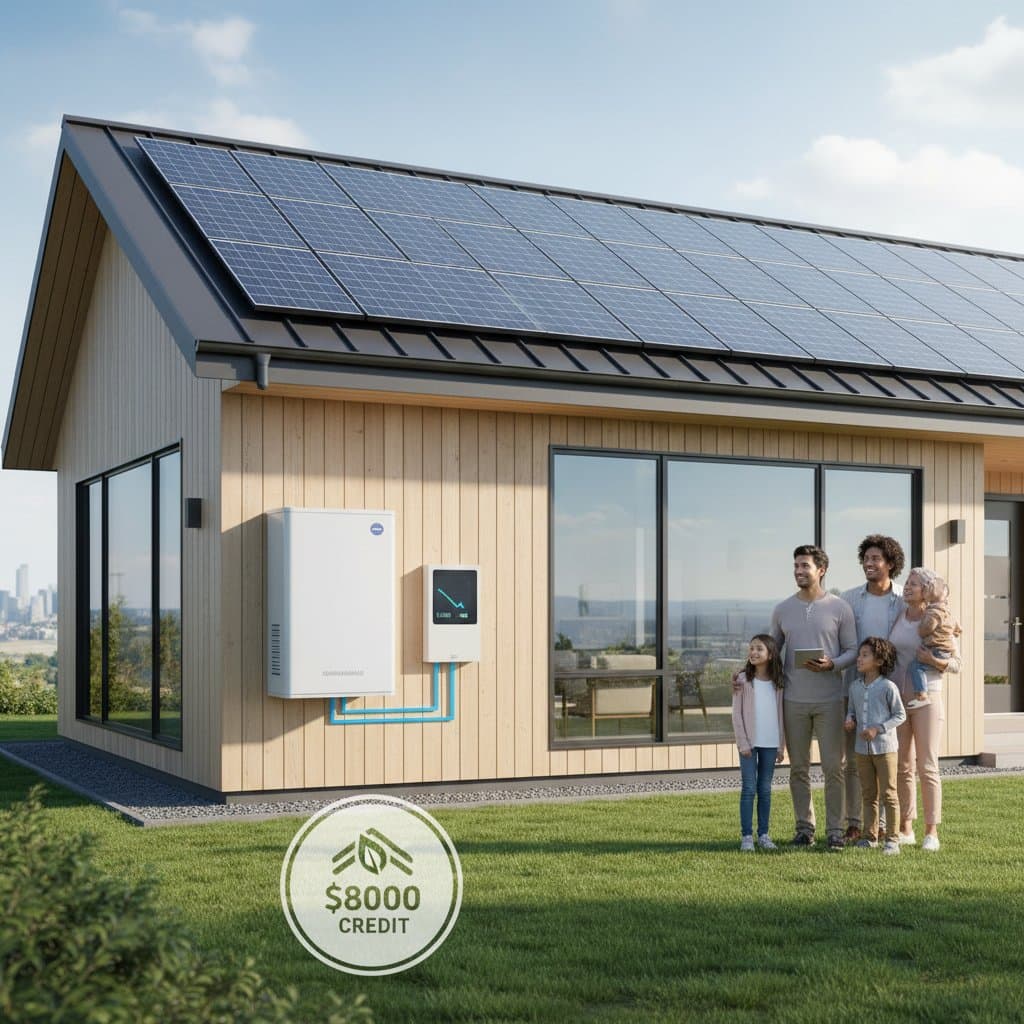
$8K Tax Break: Cut Heating Bills with Heat Pumps in 2025
Homeowners seek methods to reduce energy expenses while preserving comfort levels. A federal incentive provides up to $8,000 in tax credits and rebates for the installation of high-efficiency heat pumps. This support offsets a significant portion of upfront costs and lowers annual heating and cooling expenses. Proper installation and adherence to building codes remain essential for ensuring safety and optimal performance.
Why Heat Pumps Matter
Heat pumps transfer heat rather than generate it through combustion processes. During summer months, these systems extract heat from indoor spaces and expel it outdoors. In winter, they draw heat from outdoor air or the ground and deliver it inside. This method relies on electricity in an efficient manner, which decreases energy consumption and greenhouse gas emissions.
Contemporary heat pumps produce three units of heat energy for every unit of electrical power used. This efficiency ratio, termed the coefficient of performance, positions heat pumps as a leading HVAC choice for residences in the Philadelphia area. Integration with solar panels enhances this efficiency, as the system operates partially on renewable, on-site power generation.
Safety First: When to Call a Pro
Individuals may review heat pump models and obtain contractor estimates independently. However, licensed HVAC professionals must handle all installations and modifications. Components such as compressors, refrigerant lines, and electrical circuits function under elevated pressures and voltages. Errors in wiring, breaker sizing, or grounding pose risks of electrical shock or fire.
Engage a certified electrician or HVAC specialist immediately upon observing these indicators:
- Frequent tripping of circuit breakers upon unit activation
- Presence of a burning odor near indoor or outdoor components
- Formation of ice on refrigerant lines
- Abnormal vibrations or persistent humming sounds
Avoid accessing sealed refrigerant lines or overriding safety mechanisms. Regulations mandate that only EPA-certified technicians manage refrigerants. Verify that any installer holds valid licensure, carries insurance, and understands Philadelphia's Department of Licenses and Inspections procedures for permits.
How the $8K Tax Break Works
The federal initiative includes two forms of assistance. A tax credit covers a percentage of qualified installation expenses for efficient heat pumps. Income-qualified rebates offer further immediate reductions, potentially reaching $8,000 in total benefits. These combined measures render energy upgrades accessible to diverse income brackets.
Qualification demands that the equipment achieves designated efficiency standards set by the U.S. Department of Energy. Submit documentation including AHRI certificates and evidence of compliant installation. Retain invoices, model specifications, and installer-provided records to support the tax filing process.
Choosing the Right Heat Pump for Your Home
System selection varies by property characteristics. Factors include insulation quality, total square footage, and presence of ductwork. Contractors evaluate these elements to recommend suitable options. Consider these primary categories:
- Air-source heat pumps exchange heat with outdoor air. These represent the standard, economical solution for regions with moderate climates.
- Ductless mini-split systems target homes lacking central ducting. Individual indoor units regulate temperature in zoned areas, enhancing precision and user control.
- Ground-source or geothermal systems leverage consistent subsurface temperatures. Initial costs exceed others, yet long-term efficiency proves superior.
Request a Manual J load calculation from your contractor prior to proceeding. This assessment determines the precise capacity needed to match your home's thermal requirements. Units that are too large or small lead to inefficiency and inconsistent comfort.
Electrical Considerations and Code Compliance
Heat pumps require considerable electrical current, particularly at startup. The home's service panel must accommodate this demand with appropriate breaker capacities. An electrician performs these preparatory checks:
- Assess the panel's total amperage and slot availability.
- Ensure grounding and bonding align with National Electrical Code provisions.
- Install certified connectors and breakers rated for the load.
- Measure voltage and polarity using a non-contact tester prior to powering on.
Local Philadelphia regulations necessitate permits for new HVAC electrical installations. Authorities conduct inspections to validate wiring integrity, overcurrent safeguards, and disconnect placements. Withhold power to the system until official approval confirms compliance.
Reducing Heating Bills Through Smart Operation
Optimal heat pump function yields maximum savings when users apply best practices. Implement these routines for enhanced results:
- Maintain clean air filters through monthly inspections and replacements every one to three months.
- Address air leaks at windows, doors, and duct joints with sealing materials.
- Maintain a steady thermostat setting to minimize energy fluctuations.
- Arrange professional servicing twice yearly to inspect refrigerant charges, clean coils, and secure electrical ties.
A smart thermostat complements the system by monitoring usage patterns and sustaining even temperatures. Select models eligible for additional utility incentives to amplify cost reductions.
Long-Term Benefits and Environmental Impact
With routine upkeep, heat pumps endure for up to 20 years. Cumulative energy savings often surpass initial investments, independent of incentives. Decreased dependence on fossil fuels like natural gas or oil diminishes personal carbon footprints.
Data from the U.S. Environmental Protection Agency indicates that substituting outdated electric resistance or oil-based heating with efficient heat pumps halves associated emissions. Solar integration amplifies this effect, approaching near-zero emissions for heating needs.
How to Start Your Upgrade
Initiate the process with a comprehensive home energy audit. Professionals identify issues such as poor insulation or leaky ducts that undermine system effectiveness. Address these findings before installation to maximize returns.
Solicit detailed proposals from at least two licensed HVAC firms. Review each for system specifications, timelines, and incentive compatibility. Ensure the contract specifies assistance with rebate applications and required paperwork.
Ensuring Lasting Performance
Heat pumps offer a dependable route to reduced energy costs and sustainable heating. The $8K incentive facilitates adoption among Philadelphia residents.
- Collaborate exclusively with licensed professionals for installations.
- Secure permits and inspections for electrical and refrigerant tasks.
- Perform seasonal maintenance and track system efficiency.
Consult a certified HVAC expert for tailored guidance or reach out to local energy resources. Through precise setup, ongoing care, and incentive utilization, heat pumps deliver enduring comfort, superior efficiency, and substantial savings.