
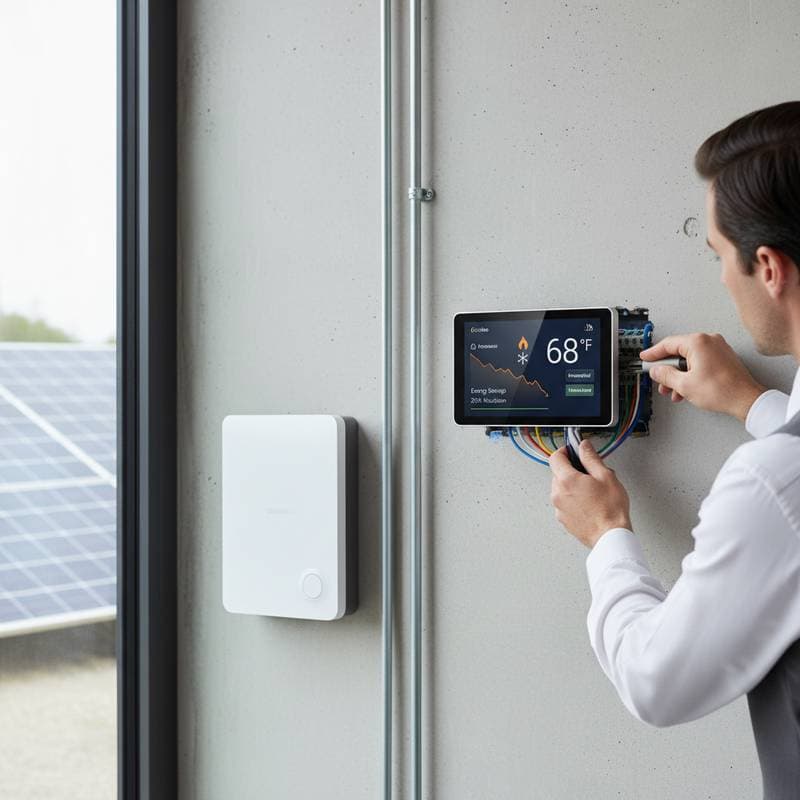
Understanding Common Wiring and Setup Challenges in Thermostat Installation
Installing a smart thermostat requires careful attention to electrical details to avoid disruptions in home comfort and efficiency. Homeowners frequently face specific issues that can compromise the device's performance. Addressing these proactively ensures reliable operation and prevents costly repairs.
The most prevalent challenge involves the absence of a C-wire, which supplies continuous power to the thermostat. Without this wire, the device might experience frequent reboots or intermittent Wi-Fi connectivity, leading to inconsistent temperature control. To resolve this, assess your existing wiring setup before purchase; many modern thermostats include adapters or power extenders as alternatives if a C-wire is unavailable.
Another frequent error occurs with heat pump systems, where reversing the O and B terminals confuses the heating and cooling functions. This miswiring might result in the system activating cooling mode during winter or vice versa, wasting energy and straining equipment. Always consult the manufacturer's wiring diagram specific to your HVAC type, and label wires clearly before disconnection to maintain correct polarity.
A blown low-voltage fuse represents a third common issue, often triggered by accidental wire shorts during handling. This safety mechanism protects the furnace controls but halts operation until resolved. Inspect for any crossed wires, restore proper connections, and test with a digital multimeter to confirm no ongoing shorts before replacing the fuse, typically rated at three or five amps.
If symptoms such as power failures, erratic behavior, or unusual noises arise post-installation, pause all activities immediately. Engaging a licensed HVAC technician at this stage safeguards against further damage and ensures compliance with local electrical codes. Avoid any attempts to bypass fuses or improvise connections, as these actions risk fire hazards or void equipment warranties.
Enhancing Efficiency Through Solar Integration and Utility Programs
Pairing a smart thermostat with a solar energy system amplifies cost reductions, particularly for Philadelphia-area residents with abundant sunlight. Solar panels produce excess electricity during peak daytime hours, aligning perfectly with heightened cooling needs in summer. Smart thermostats enable automated adjustments that prioritize solar-generated power for HVAC operations, minimizing reliance on the grid and lowering overall utility bills.
To optimize this synergy, configure the thermostat's scheduling features to ramp up cooling or ventilation when solar output is high, such as midday. Many devices integrate with home energy management apps that monitor panel performance in real time, allowing users to track savings and refine settings for even greater efficiency. This approach not only cuts costs but also extends the lifespan of solar investments by balancing load distribution.
Utility incentives further sweeten the deal for adopting Energy Star-certified smart thermostats. In the Philadelphia region, the Philadelphia Energy Authority administers programs offering rebates ranging from fifty to two hundred dollars per unit, depending on model efficiency ratings. Local electric providers like PECO may provide additional credits for installations that demonstrate reduced peak-hour usage; verify eligibility by reviewing annual program updates or contacting customer service.
Qualifying for these rebates often necessitates documentation of professional installation, including receipts and before-after energy audits. Homeowners should apply prior to purchase to confirm available funds, as budgets can fluctuate with state energy initiatives. Combining rebates with solar tax credits creates a compelling financial case for upgrading, potentially recouping the thermostat's cost within the first year.
Indicators for Professional Installation Assistance
Certain HVAC configurations demand expertise beyond typical DIY efforts to guarantee safety and performance. Uncertainty about system voltage, whether 24 volts AC for standard setups or higher for specialized equipment, warrants professional evaluation from the outset. Misjudging this can lead to incompatible devices or electrical hazards.
Systems featuring high-voltage baseboard heaters or multi-stage compressors add complexity, as they require precise terminal mapping and load calculations. A qualified electrician or HVAC technician uses specialized tools to measure control voltage, assess transformer capacity, and calibrate communication protocols between the thermostat and central units. This thorough process prevents overloads and ensures seamless integration with existing infrastructure.
Post-installation issues, such as a non-responsive display or persistent error codes, signal potential deeper problems like inadequate wiring gauge or relay malfunctions. Rapid clicking from relays often indicates short cycles, which strain the system and increase wear. Technicians diagnose these through systematic testing, adjusting settings for optimal runtime and efficiency.
Hiring a professional also preserves manufacturer warranties, which typically mandate certified installation for coverage against defects. Expect costs between one hundred and three hundred dollars, offset by the peace of mind and long-term savings from error-free operation. Schedule consultations during off-peak seasons to secure better rates and availability.
Practical Steps to Implement Your Smart Thermostat Upgrade
Begin by evaluating your current HVAC system's specifications, including voltage, fuel type, and zoning capabilities, through the owner's manual or a quick inspection. Compatibility checklists from manufacturers like Ecobee or Nest simplify this step, highlighting supported configurations and required accessories.
Select a model aligned with your lifestyle, such as voice-activated options for Alexa integration or geofencing for automatic adjustments based on occupancy. Prioritize features like humidity control and air quality monitoring for comprehensive home management, ensuring the device enhances daily comfort without overwhelming complexity.
Secure rebates early by submitting applications to utilities and the Philadelphia Energy Authority, gathering necessary proofs like system photos or energy bills. This preparation maximizes upfront savings and streamlines the purchase process.
Proceed with installation using detailed wiring diagrams, safety gear like insulated tools, and step-by-step verification at each stage. Test functionality immediately after setup, adjusting initial schedules to match household routines for quick adaptation.
Finally, review energy usage reportsthermostat app over two full billing cycles. Analyze patterns to fine-tune settings, such as pre-heating during low-cost off-peak hours or optimizing for solar peaks. Consistent monitoring yields ongoing refinements, solidifying the 23 percent average reduction in heating and cooling expenses while elevating overall home efficiency and control.