
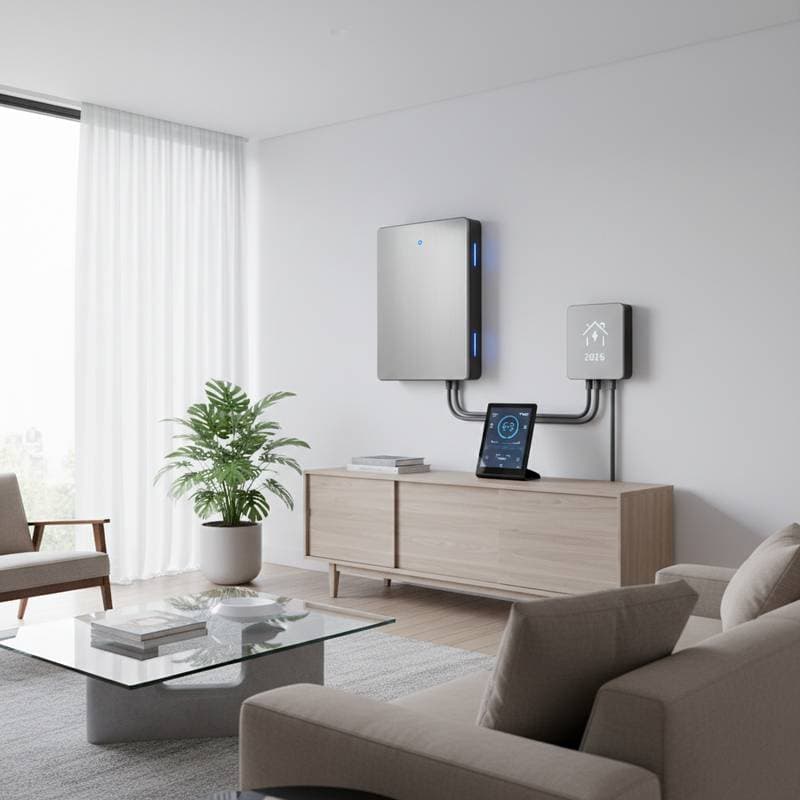
Sodium-Ion Batteries: A Cost-Effective Route to Home Energy Independence
Solar advancements often appear complex, particularly for homeowners new to the field. Many individuals hesitate to adopt solar-plus-storage solutions due to the high expense of lithium-ion batteries. These batteries provide reliability, yet their cost presents the primary obstacle to achieving complete energy autonomy. Sodium-ion batteries emerge as a promising alternative, offering reduced expenses and greater sustainability to transform residential solar power storage.
Reasons for Rising Interest in Sodium-Ion Batteries
Lithium-ion batteries lead the market because of their high energy density, extended cycle life, and steady performance. However, lithium extraction proves costly, with supplies limited to specific global areas and intricate supply chains. Sodium, by contrast, derives from everyday salt, which exists in abundance and at low cost worldwide. This material advantage lays the foundation for substantial price reductions.
Experts view sodium-ion batteries as akin to lithium-ion designs. The underlying chemistry resembles that of lithium systems, except sodium ions shuttle between electrodes instead of lithium ions. Sodium's larger atomic structure results in somewhat lower energy density, requiring batteries that occupy more space or weigh more for equivalent capacity. For fixed home installations, where weight and size constraints matter less than in mobile applications, this compromise proves practical.
Fundamentals of Sodium-Ion Battery Operation
The operation of a sodium-ion battery parallels that of lithium-ion technology. During charging, electrons travel via an external circuit as sodium ions shift from the cathode to the anode through the electrolyte. Upon discharge, the ions reverse direction to the cathode, generating electrical current from stored energy.
Standard configurations employ layered oxide or phosphate compounds for the cathode and hard carbon for the anode. The electrolyte typically consists of a sodium salt dissolved in an organic solvent. Such conventional materials allow manufacturers to repurpose existing lithium production facilities, which accelerates cost efficiencies.
A primary engineering focus involves achieving durable cycle life and stability. Sodium-ion cells function at modestly lower voltages than lithium-ion counterparts, necessitating refined electrode compositions and protective coatings to minimize wear. Laboratory tests demonstrate cycle counts surpassing several thousand, aligning with performance levels of many intermediate lithium batteries.
Comparing Costs and Performance
Realistic figures highlight the appeal of sodium batteries. Lithium-ion home storage systems generally range from 400 to 700 dollars per kilowatt-hour installed. For a 10-kilowatt-hour setup, expenses fall between 4,000 and 7,000 dollars prior to incentives. Prototype sodium-ion units project costs of 200 to 300 dollars per kilowatt-hour at scale, potentially pricing a comparable 10-kilowatt-hour system at 2,000 to 3,000 dollars.
Material differences drive these savings. Sodium cathodes incorporate more affordable metals with minimal processing needs. Production lines from lithium manufacturing often require only minor adjustments, curbing initial investments. Although energy density lags, stationary home batteries tolerate larger sizes without issue.
Advancements also boost cycle life and efficiency. Premium lithium batteries maintain 80 percent capacity after 6,000 cycles. Sodium variants currently achieve 3,000 to 5,000 cycles, with ongoing research targeting parity. Round-trip efficiency stands at approximately 90 percent for sodium-ion, versus 94 percent for lithium, and these gaps are expected to diminish with material refinements.
Advantages in Sustainability and Supply Security
Sodium-ion batteries align closely with environmental objectives. They depend on plentiful resources free from rare earth dependencies or regional bottlenecks. This setup mitigates supply vulnerabilities and eases mining's ecological impact. Local sodium sourcing in numerous areas shortens logistics and bolsters system robustness.
Production avoids cobalt entirely, a material associated with notable environmental and labor issues. This omission simplifies compliance with eco-certifications and qualifies systems for enhanced rebates in sustainable initiatives.
Recycling benefits further: sodium batteries disassemble more readily, with components that pose fewer handling risks. Reduced reactivity streamlines processing and cuts expenses, appealing to those prioritizing comprehensive sustainability.
Practical Applications for Residential Users
Commercial residential sodium-ion batteries remain in early stages, though pilot installations proliferate. Consider a home with a 7-kilowatt solar array generating 9,000 kilowatt-hours annually. A 10-kilowatt-hour sodium storage unit captures surplus daytime output to supply evening demands or emergency needs.
Operating at 90 percent efficiency, the system yields about 8,100 kilowatt-hours of usable energy yearly. At an electricity rate of 18 cents per kilowatt-hour, this translates to 1,458 dollars in annual utility savings. With an installation cost of 2,500 dollars, payback occurs in roughly two years, factoring in solar rebates and peak pricing strategies.
Local variables like rates, solar exposure, and consumption influence outcomes, yet these examples underscore pathways to economical self-sufficiency.
Integration and Setup Considerations
Sodium-ion systems connect to home setups much like lithium batteries, utilizing identical inverters, controllers, and apps. Professionals require no additional skills or tools for deployment. Certified units will slot directly into prevailing solar-storage configurations.
Evaluate site specifics including space availability, airflow, and panel access. Larger dimensions may apply, but cost benefits typically outweigh this adjustment.
Upcoming Developments in Sodium-Ion Availability
Industry leaders accelerate sodium-ion commercialization by modifying lithium facilities for new materials. Commercial-scale containers undergo trials, with home units slated for imminent release. Projections indicate rapid price declines as simpler chains and inexpensive inputs take effect.
Expect 10-year warranties initially, evolving with real-world insights to rival lithium standards and foster user trust.
Ensuring Durability and Efficiency
Maintenance for sodium-ion batteries remains straightforward. Position the unit in a climate-stable area, refrain from draining below 10 percent capacity, and apply software updates via the monitoring interface. Conduct annual checks for enclosure integrity against contaminants.
When combined with solar arrays, align inspections to verify synchronization and optimal charging. Regular panel cleaning sustains energy capture and system performance.
Frequently Asked Questions
1. When will sodium-ion batteries become available for homes?
Limited testing occurs now, with wider residential options anticipated as production expands.
2. By how much will sodium-ion batteries reduce costs?
Projections indicate 30 to 50 percent savings relative to equivalent lithium systems at full scale.
3. Do sodium batteries match lithium in lifespan?
They approach equivalence, with thousands of cycles in current models and efforts to equal lithium durability soon.
4. Can sodium batteries support full home power needs?
Yes, appropriately sized units of 10 to 15 kilowatt-hours cover typical evening usage and outage backups.
5. Are sodium-ion batteries compatible with current solar installations?
Yes, they interface with standard inverters and controls for easy incorporation.