
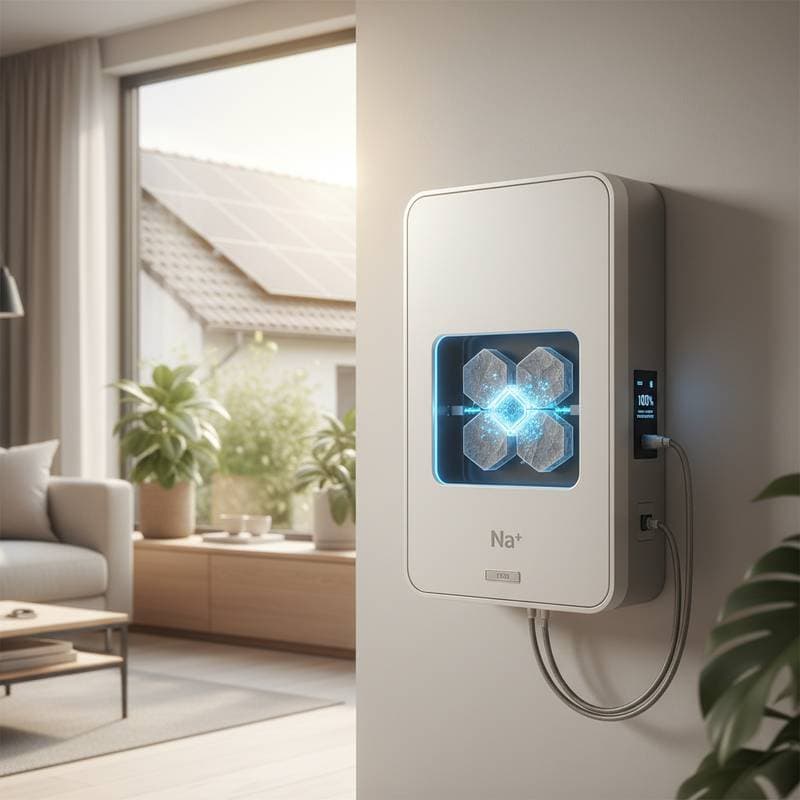
Sodium-Ion Batteries: Cheaper Solar Power by 2026
Many homeowners desire solar energy yet pause at the expense of batteries. Storage often represents the largest cost in a solar installation, but it enables energy independence and reliability during power outages. Sodium-ion batteries emerge as a transformative solution. By substituting expensive lithium with plentiful sodium, this technology promises to render solar storage significantly more affordable in the coming years.
The advantages of sodium-ion batteries extend beyond mere cost reduction. They enhance accessibility, ensure supply chain stability, and promote environmental sustainability. Grasping their mechanics and implications equips homeowners to approach solar planning with informed assurance.
How Sodium-Ion Batteries Function
Lithium-ion and sodium-ion batteries both store electrical energy through ion movement between positive and negative electrodes via an electrolyte. Charging drives ions from the positive electrode to the negative one. Discharging reverses this flow, generating electric current.
The primary distinction resides in the materials employed. Sodium atoms exceed lithium in size, influencing their integration into electrode crystal structures. Initial sodium-ion prototypes faced challenges with energy density and cycle durability. Innovations in cathode formulations and electrolyte compositions have substantially narrowed these disparities.
Sodium abounds in seawater and mineral reserves, facilitating straightforward extraction. Unlike lithium, whose supply concentrates in select mining areas, sodium production avoids heavy reliance on geopolitically sensitive regions. This decentralization supports scalable manufacturing with reduced environmental and logistical constraints.
Cost Projections and Potential Savings
Cost savings drive the appeal of sodium-ion batteries. Sodium's low price and ubiquity enable material expenses to plummet as output scales. Industry projections indicate that utility-scale sodium-ion installations may achieve 300 to 500 dollars per kilowatt-hour.
Consider a typical residential scenario:
- A 6-kilowatt solar array generates approximately 7,800 kilowatt-hours annually in a high-sunlight area.
- A 10-kilowatt-hour lithium-ion battery supplies storage for one evening, displacing about 10 kilowatt-hours nightly.
- With electricity rates at 25 cents per kilowatt-hour, daily savings reach 2.50 dollars, totaling around 900 dollars yearly.
A lithium-ion setup priced at 10,000 dollars yields a payback period of roughly 11 years, excluding incentives. A sodium-ion alternative at 5,000 dollars shortens this to approximately 6 years. Factors such as local rates, solar yield, and consumption habits influence these figures, yet the trend toward quicker returns remains evident. Reduced battery prices accelerate the path to self-sufficient energy.
Applications in Residential Settings
Sodium-ion batteries suit stationary home systems more readily than mobile uses like electric vehicles. Key residential roles include:
- Full-home backup: Integrated with solar panels, these batteries sustain critical circuits during blackouts, eliminating the need for generators.
- Peak demand management: They store excess solar energy daytime and release it during high-cost evening hours.
- Shared community resources: Larger neighborhood installations leverage sodium-ion storage to bolster local grid stability.
A 15-kilowatt-hour sodium-ion array supports lighting, refrigeration, and minor appliances for a full day. Coupled with a 6- to 8-kilowatt solar system, it delivers near-total power autonomy for average households.
Installation Process and Upkeep
Sodium-ion battery installation mirrors procedures for other storage solutions. Essential phases encompass:
- Site evaluation: Verify space availability, airflow requirements, and proximity to the primary electrical panel.
- Configuration planning: Align battery capacity with household energy needs and solar generation.
- Regulatory compliance: Provide electrical and structural plans to municipal authorities for review.
- Deployment: Secure the battery unit, link it to the inverter, and validate interconnections.
- Utility integration: Arrange for official inspection and grid connection approval.
Upkeep demands little effort. Maintain clear ventilation paths, inspect wiring yearly, and apply firmware updates as offered. Sealed designs eliminate needs for fluid replenishment or electrolyte maintenance.
Preparing for Sodium-Ion Adoption
Homeowners eyeing solar enhancements or storage additions can take proactive measures:
- Compile usage records: Review 12 months of bills to map daily and seasonal consumption.
- Inspect infrastructure: Assess roof suitability and electrical panel capacity for expansions.
- Solicit proposals: Seek bids from certified installers, specifying both lithium and sodium alternatives under uniform conditions.
- Examine rebates: Verify qualifications for solar-plus-storage tax credits and local programs.
- Design for scalability: Opt for modular sodium-ion setups that permit incremental capacity growth.
Although prices continue to decline, initial sodium-ion deployments offer compelling returns, particularly with available subsidies.
Steps to Secure Your Solar Future
Adopting solar paired with storage strengthens individual homes and fosters resilient communities. Sodium-ion batteries dismantle financial hurdles that previously confined reliable backups to high-end installations. As affordability improves and approvals proliferate, they position themselves as viable choices for widespread adoption.
Begin your preparation today: connect with qualified installers, analyze your energy profile, and evaluate storage technologies. These actions propel your household toward sustainable, cost-effective power.
Frequently Asked Questions
What distinguishes sodium-ion batteries in terms of cost from lithium-ion?
Sodium's abundance and extraction ease reduce raw material prices. Simplified supply networks further decrease manufacturing and deployment costs.
Do sodium-ion batteries prioritize safety?
Affirmative. They function at reduced voltages and resist thermal instability. Enclosures adhere to rigorous safety benchmarks comparable to lithium counterparts.