
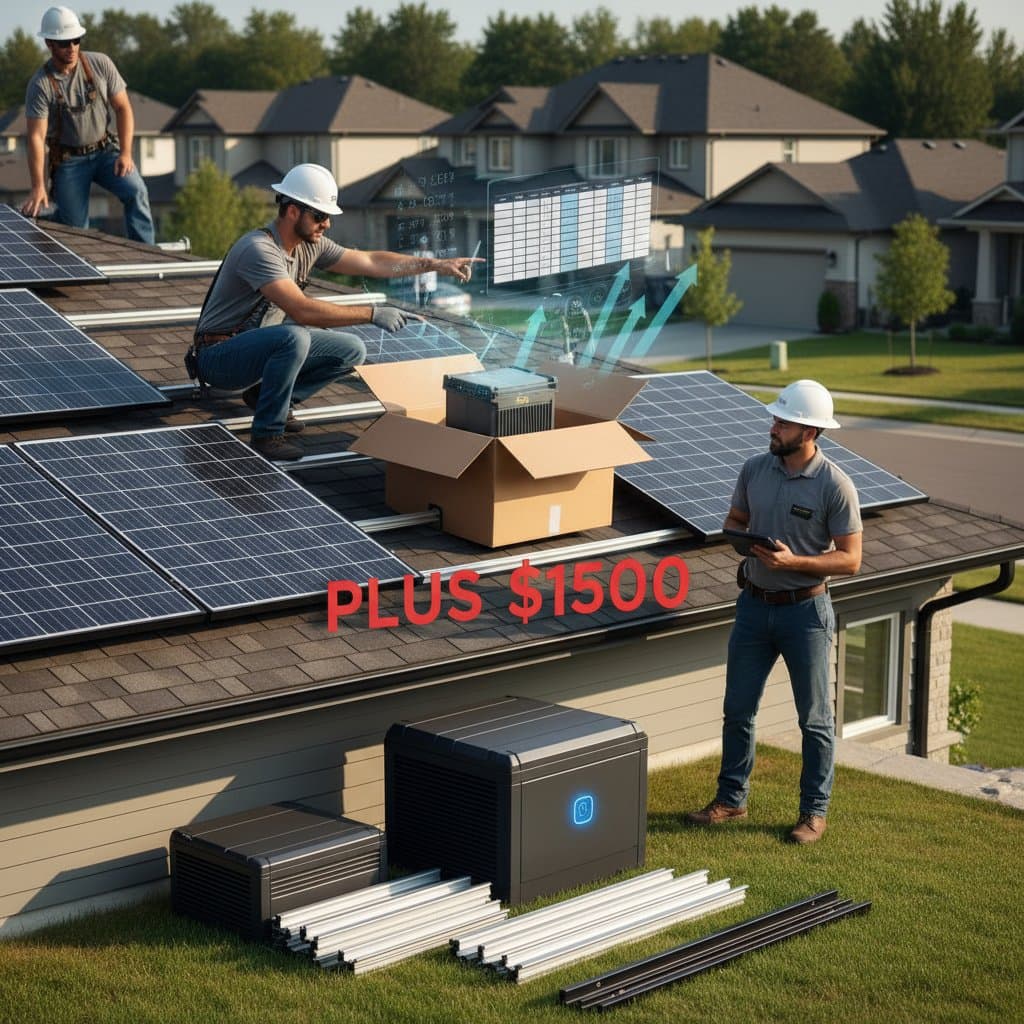
Hidden Tariff Costs Add $1,500 to Your Solar Install
Solar energy offers a path to lower utility bills and environmental benefits, yet unexpected expenses can erode those advantages. Proposed tariffs set for 2026 target imports from key manufacturing regions, potentially increasing costs for essential components. Homeowners planning installations must account for these changes to avoid budget overruns.
Understanding the 2026 Solar Tariffs
The United States government plans to impose tariffs on solar products imported from Southeast Asia and other areas in 2026. These measures aim to protect domestic manufacturing but will raise prices for imported goods that dominate the market. Panels, inverters, and batteries, often sourced internationally, face the highest exposure.
Tariffs function as additional taxes on imports, passed along the supply chain to end users. For a typical residential system, this could mean an extra $1,500 in costs, depending on system size and component origins. Early awareness allows homeowners to adjust plans before prices escalate.
Components Most Affected by Tariffs
Solar panels represent the largest share of installation costs, with tariffs likely adding 10 to 20 percent to their price. Many panels come from countries like Vietnam and Malaysia, which will see duty increases. Selectors of equipment should verify origins to estimate impacts.
Inverters, which convert solar energy for home use, also rely on global supply chains. Tariff hikes could raise their cost by up to 15 percent, affecting system efficiency and total outlay. Batteries for energy storage, increasingly popular for backup power, face similar pressures as production centers abroad.
Racking and mounting hardware, though smaller in cost, contribute to the cumulative effect. These items often import from tariff-targeted nations, leading to markups that compound over the project. A full audit of component sourcing reveals the true tariff footprint.
How Tariffs Influence Overall Project Costs
A standard 7-kilowatt residential solar setup costs around $20,000 before incentives. Tariffs could inflate this by $1,000 to $2,000, pushing payback periods from seven years to nine. Installers absorb some increases, but most pass them to customers through higher quotes.
Supply chain disruptions accompany price rises, as manufacturers shift production. Delays in availability might extend installation timelines by weeks or months. Homeowners face not only financial hits but also postponed energy savings.
Regional variations exist; areas with strong local manufacturing may experience milder effects. Philadelphia, for instance, benefits from nearby suppliers, yet imported components still dominate. Local installers provide insights into area-specific risks.
Strategies to Navigate Tariff Increases
-
Request detailed quotes that itemize component costs and origins. Insist on transparency to identify tariff-vulnerable parts early.
-
Explore domestic or tariff-exempt sourcing options. United States-made panels and inverters, though pricier upfront, avoid import duties and support faster delivery.
-
Time installations strategically. Completing projects before 2026 implementation sidesteps initial hikes, though future expansions require planning.
-
Leverage incentives like the federal investment tax credit, which offsets 30 percent of costs regardless of tariffs. Combine with state rebates for maximum relief.
-
Consult multiple installers for competitive bids. Those with diversified suppliers offer better protection against price volatility.
-
Consider system sizing adjustments. Opt for efficient components that deliver similar output with fewer tariff-exposed items.
These steps minimize exposure while preserving solar benefits. Professional guidance ensures compliance with local codes and optimal configurations.
Budgeting for a Tariff-Resilient Solar Project
Start with a comprehensive budget that includes a 10 to 15 percent contingency for tariff-related rises. Factor in financing options, such as loans with fixed rates, to lock in costs. Track policy updates through reliable industry sources to stay informed.
Energy audits help determine exact needs, avoiding overbuilt systems that amplify tariff costs. Pair solar with efficiency upgrades, like LED lighting, to enhance returns. Long-term, these investments yield stable savings amid fluctuating energy prices.
Protect Your Savings in a Changing Market
Tariffs reshape solar economics, but informed decisions maintain affordability. By prioritizing transparent sourcing and timely action, homeowners secure reliable clean energy. Embrace these shifts to build a resilient setup that delivers decades of value.