
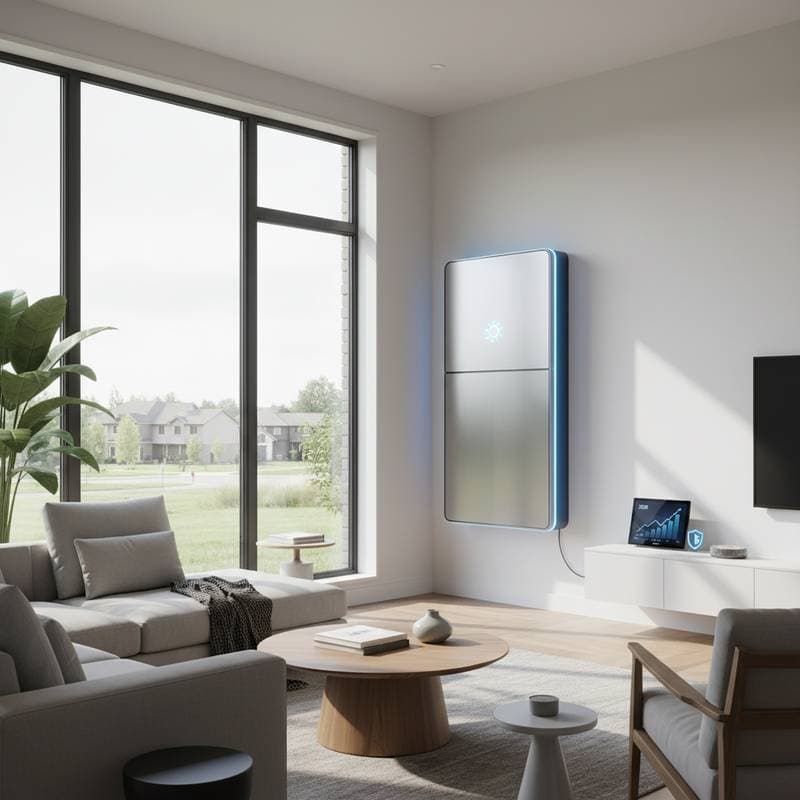
Understanding the 2026 Grid Crisis and Emerging Solar Battery Mandates
Homeowners increasingly encounter alerts regarding grid reliability and its implications for everyday routines. Flickering lights, scheduled blackouts, and abrupt increases in electricity rates have transitioned from occasional news items to frequent concerns. The surge in demand stems from widespread adoption of electric vehicles, efficient heat pumps, and expansive data centers, all straining aging infrastructure. Although these challenges present genuine threats, viable solutions exist. Integrating solar power with residential battery storage establishes a foundation for durability, ensuring homes remain operational, comfortable, and linked to essential services even amid grid difficulties.
The Impact of Grid Instability on Households
Grid disruptions affect every residence in tangible ways. Perishable food items spoil without refrigeration, productivity halts as computers and devices lose power, and climate control systems cease functioning. For individuals dependent on life-sustaining medical devices, such interruptions carry severe consequences. Traditional grid designs facilitate unidirectional electricity delivery from centralized facilities to end users, yet contemporary lifestyles require adaptable, bidirectional energy interactions. Distributed generation through rooftop solar arrays and on-site batteries alleviates this burden by producing and retaining energy precisely at the point of consumption.
Residential batteries sustain vital appliances for extended periods, varying by capacity and consumption patterns. For instance, a standard 10-kilowatt-hour unit supports a refrigerator, essential lighting, internet connectivity, and device charging for approximately one full day. When coupled with solar panels that replenish the battery during daylight hours, a household achieves the capability to endure prolonged power failures with limited inconvenience.
The Rationale Behind Anticipated Battery Mandates
Energy providers and oversight bodies actively consider mandating battery integration in new solar installations, as solar generation without storage fails to consistently bolster grid equilibrium. Solar output peaks during daylight, injecting surplus electricity into the network. As evening approaches, consumption escalates once more. Absent storage solutions, these fluctuations impose excessive loads on generation facilities and distribution networks. Batteries mitigate this variability by capturing midday excess and dispatching it during high-demand intervals, thereby smoothing overall energy profiles.
Certain areas already enforce storage inclusion or preparatory infrastructure in fresh solar setups. The underlying principle holds that widespread rooftop contributions to reserve capacity and demand moderation enhance systemic stability. Such requirements spur broader implementation, yet proactive evaluation empowers homeowners to sidestep hasty choices in the future.
Synergy Between Solar Panels and Battery Storage
Solar panels convert sunlight into electricity through photovoltaic processes: photons excite electrons within silicon-based cells, generating direct current. An inverter then transforms this into alternating current suitable for home appliances. Excess production beyond immediate needs charges the battery or exports to the utility grid.
In the event of a blackout, advanced inverters disconnect the residence from the unstable grid and activate battery reserves to maintain power to designated circuits. Upon solar resurgence, the system resumes charging and generation. This seamless interplay delivers both autonomy and dependability to residents.
Consider a 7-kilowatt solar array in Philadelphia, optimally positioned with negligible obstructions: it yields roughly 9,100 kilowatt-hours annually. At prevailing rates of 24 cents per kilowatt-hour, this offsets approximately 2,180 dollars in annual bills, excluding base charges. Incorporating a 10-kilowatt-hour battery, priced at about 9,000 dollars post-incentives, yields returns through daily cycling for peak pricing arbitrage and emergency support, often achieving breakeven within a decade based on local tariffs and rebates.
Navigating Incentives and Installation Expenses
Government programs at federal and state levels substantially lower upfront expenditures for combined solar and storage projects. Investment tax credits typically reimburse a significant share of costs for bundled installations. Additionally, select utilities provide direct payments for batteries programmed to alleviate grid stress during peak periods, compensating participants for their role in demand management.
For budgets constraining full-scale adoption, compact batteries target critical circuits alone, offering targeted resilience. Decisions hinge on financial resources, consumption objectives, and regional outage prevalence. Soliciting bids from multiple certified installers, insisting on consistent projections for output, longevity, and benefit qualifications, facilitates equitable evaluations.
Steps to Prepare for Policy Shifts
Should battery mandates materialize, forthcoming solar installations must adhere to defined storage thresholds or grid-connection protocols. Owners of prior systems might receive incentives to incorporate batteries or modernize inverters for compatibility. Forward-thinking preparation circumvents elevated retrofit expenses and guarantees seamless integration.
Initiate readiness with these practical measures:
- Conduct a shade analysis. Evaluate annual solar exposure on your roof using professional tools or simulations.
- Review a year's worth of bills. Pinpoint high-usage periods and trends across seasons to inform system sizing.
- Solicit comparative proposals. Request detailed simulations for solar-alone versus integrated storage configurations.
- Validate available rebates. Research current tax deductions, utility programs, and net metering provisions.
- Prioritize backup essentials. Identify key circuits, such as kitchen appliances or home offices, for selective powering during disruptions.
Daily Practices to Enhance Grid Stability
Beyond regulatory changes, individual behaviors contribute to network endurance. Schedule energy-intensive tasks like washing clothes or running dishwashers during solar-rich midday windows. Adjust heating and cooling settings modestly during peak demand times, such as raising thermostats slightly in summer or lowering them in winter. Employ intelligent outlets or automated schedules to redistribute loads efficiently. These adjustments collectively moderate peaks and fortify the broader infrastructure.
System Upkeep and Forward Planning
Effective performance of solar and battery installations relies on routine maintenance. Regularly clean panel surfaces to maximize efficiency, track production metrics on a monthly basis, and arrange expert evaluations biennially. Position batteries within specified thermal limits to preserve longevity. Contemporary setups feature digital interfaces displaying real-time energy dynamics and health indicators; consistent monitoring enables prompt issue resolution.
Building household energy security starts with informed choices. Solar and storage investments shield against blackouts and escalating expenses, irrespective of mandate timelines. From simple efficiency upgrades like energy-efficient lighting to comprehensive backup solutions, each initiative advances personal reliability and environmental stewardship.
Frequently Asked Questions
Will mandates require adding batteries to existing solar systems? Discussions focus on new installations, leaving current setups largely unaffected. Outcomes vary by local utilities and regulations.
How long does a home battery sustain essential appliances? A 10-kilowatt-hour model powers priority loads for about 24 hours, influenced by draw rates and conditions.
Is retrofitting a battery to an older solar system feasible? Absolutely; most recent inverters support future additions, though subsequent installations may incur higher costs.