
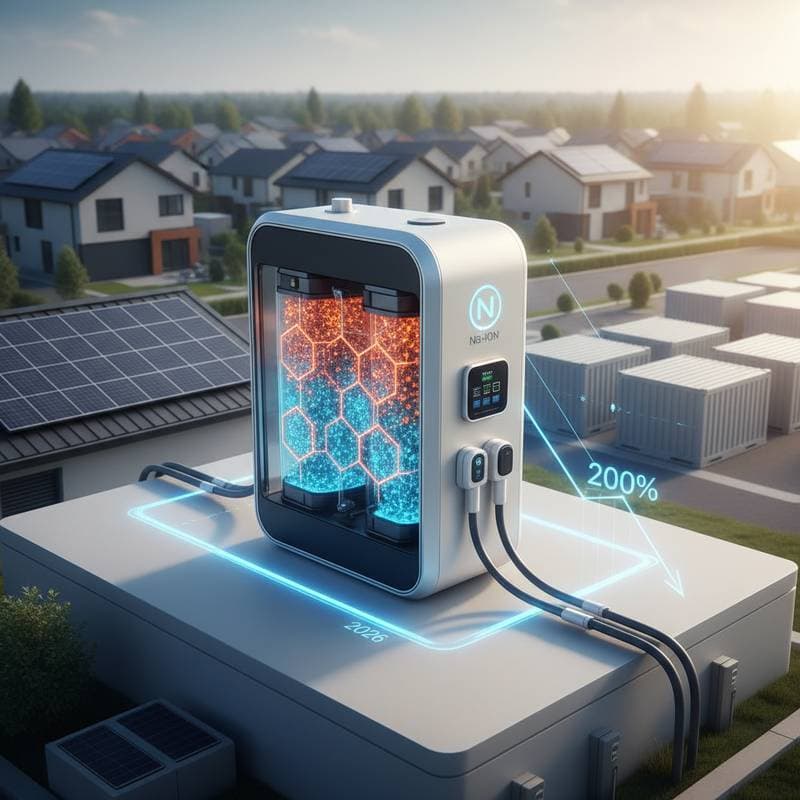
Introduction to Sodium-Ion Batteries in Solar Storage
Sodium-ion batteries emerge as a promising alternative to lithium-ion systems for solar energy storage. These batteries rely on sodium, an element far more abundant and less expensive than lithium or cobalt. As solar adoption grows, the need for affordable, reliable storage solutions intensifies, and sodium-ion technology addresses this demand effectively.
Experts predict that by 2026, sodium-ion batteries will achieve cost parity with traditional options while offering distinct advantages. Production scalability and material availability position them to disrupt the market. Homeowners and utilities alike stand to benefit from this evolution in clean energy infrastructure.
Key Advantages of Sodium-Ion Batteries
Sodium-ion batteries excel in safety due to their non-flammable electrolytes, which minimize fire risks compared to lithium-based counterparts. They also demonstrate robust performance across a wide temperature range, from extreme cold to high heat, making them suitable for diverse climates. This resilience ensures consistent energy delivery without the degradation seen in other battery types.
Recycling presents another strong suit. The use of common salts and earth-abundant materials simplifies disassembly and material recovery. Manufacturers anticipate that these batteries will support circular economy principles, reducing environmental impact over their lifecycle.
Cost reductions stem from straightforward sourcing and manufacturing processes. Sodium reserves vastly outnumber lithium deposits, which alleviates supply chain vulnerabilities. As production ramps up, prices for sodium-ion units will drop, making solar-plus-storage systems more accessible to average consumers.
Installation Considerations for Sodium-Ion Systems
Proper installation remains critical for any battery system, including emerging sodium-ion options. Homeowners must prioritize certified components to ensure long-term reliability and safety. The following steps guide the process.
-
Verify certification under established safety standards such as UL 9540 and UL 1973. These benchmarks confirm the battery's ability to withstand thermal events and maintain structural integrity.
-
Confirm compatibility with existing inverters. Seamless communication between the storage unit and solar array prevents efficiency losses and operational errors.
-
Inquire about cycle life and depth of discharge specifications. Sodium-ion batteries often achieve extended longevity when cycled within conservative ranges, optimizing value over years of use.
-
Account for ventilation and spacing requirements. Although these batteries generate less heat than lithium systems, adequate airflow supports optimal performance and longevity.
-
Engage licensed professionals for all electrical work. A certified electrician or solar installer handles wiring, grounding, and grid interconnections to comply with local regulations.
Homeowners should avoid any direct handling of battery terminals or modifications. Professional oversight prevents hazards and ensures warranty validity.
Environmental Benefits and Recycling Potential
Sodium-ion batteries ease the strain on global lithium and cobalt supplies, which face increasing extraction challenges. Their composition favors straightforward recycling, with materials that pose minimal disposal risks. Non-flammable electrolytes and abundant salts further simplify end-of-life management.
Industry leaders develop closed-loop recycling systems to reclaim sodium and electrode components for new production. This approach minimizes waste and conserves resources. Local facilities could process these batteries, cutting transportation needs and supporting community-based sustainability efforts.
Such innovations align with broader energy policies that emphasize lifecycle accountability. By reducing reliance on rare minerals, sodium-ion technology advances equitable access to clean power. Environmental gains extend to lower carbon footprints in manufacturing and deployment.
Market Developments and Adoption Timeline
Prominent battery manufacturers have unveiled sodium-ion prototypes ready for commercial scaling. Pilot projects at utility scale already evaluate megawatt installations for grid support. Initial applications target stationary storage, with expansions into electric vehicles and microgrids on the horizon.
As production volumes increase, costs will decline rapidly, positioning sodium-ion batteries as a viable mainstream choice. Energy forecasts indicate accelerated grid integration once real-world data validates performance metrics. Utilities and cooperatives lead adoption, paving the way for residential markets.
By 2026, widespread availability will enable seamless pairing with solar installations. This timeline reflects ongoing investments in research and infrastructure. The result promises a more resilient energy landscape for regions like Philadelphia and beyond.
Steps for Homeowners Preparing for Sodium-Ion Storage
Individuals eager to integrate advanced storage should assess their energy profile first. Calculate daily usage and peak demands to determine appropriate system sizes. This planning ensures the battery matches household needs without excess capacity.
Monitor updates to local building codes as sodium-ion products launch. Jurisdictional authorities may introduce specific guidelines for installation and permitting. Staying informed avoids delays and ensures regulatory compliance.
Seek guidance from certified experts early in the process. Licensed electricians evaluate site conditions, while solar contractors design integrated systems. Professional input guarantees safety, efficiency, and alignment with incentives for renewable upgrades.
Realizing the Benefits of Affordable Solar Storage
Sodium-ion batteries deliver dependable, economical energy storage tailored to solar expansion objectives. They enable households to capture daytime generation for evening use, easing grid demands and stabilizing costs. Over time, these systems lower overall expenses through durable performance and minimal maintenance.
Communities gain from enhanced energy equity as barriers to clean power diminish. Utilities benefit from improved reliability, reducing outage risks during peak periods. This technology fosters a sustainable future where renewable sources power daily life affordably and securely.