
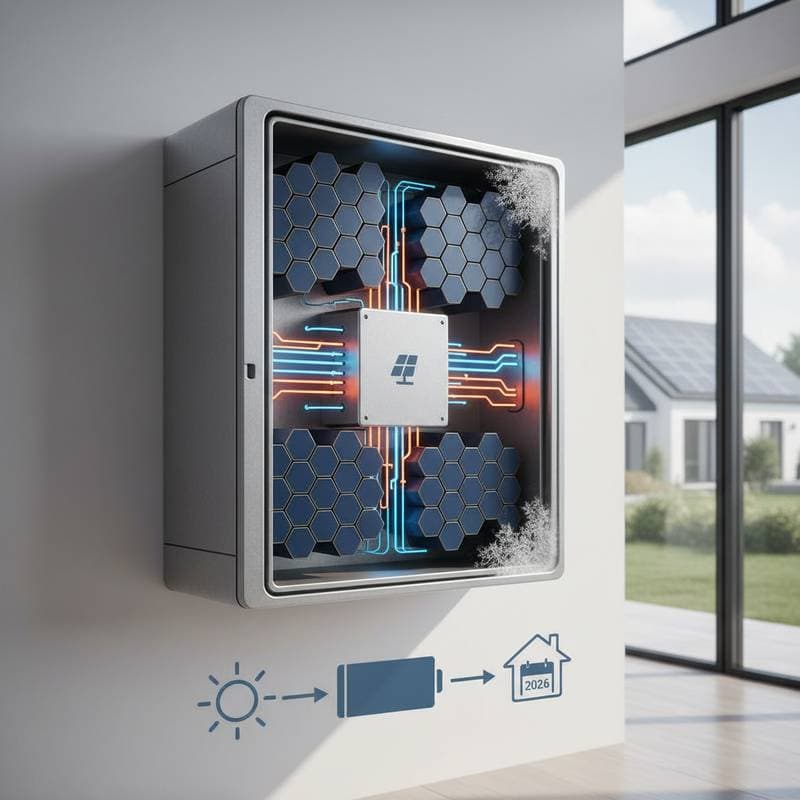
Why Sodium-Ion Batteries Excel in Affordable Solar Storage
Solar energy adoption grows rapidly, yet effective storage remains a key challenge for homeowners and businesses. Traditional lithium-ion batteries dominate the market, but emerging sodium-ion technology presents a compelling alternative. This article explores how sodium-ion batteries surpass lithium-ion options in cost, sustainability, and practicality for solar applications.
Understanding Sodium-Ion Batteries
Sodium-ion batteries operate on principles similar to lithium-ion batteries, but they utilize sodium ions instead of lithium. Sodium exists in abundance worldwide, derived from common sources like seawater and salt deposits. This availability contrasts sharply with lithium, which requires extensive mining and faces supply chain vulnerabilities.
These batteries employ hard carbon anodes and layered oxide cathodes, enabling efficient ion movement. Development accelerated in recent years, with prototypes demonstrating viability for grid-scale and residential use. Researchers focus on optimizing energy density while maintaining structural integrity over thousands of cycles.
Key Advantages Over Lithium-Ion
Lithium-ion batteries excel in high energy density, but sodium-ion variants offer distinct benefits tailored to solar storage needs. First, production costs for sodium-ion batteries project at 30 to 50 percent lower than lithium-ion equivalents. This reduction stems from inexpensive raw materials and simpler manufacturing processes that avoid scarce elements like cobalt and nickel.
Second, sodium-ion batteries exhibit superior thermal stability. They resist overheating and thermal runaway, common risks in lithium-ion systems during charging or high temperatures. This safety profile reduces fire hazards, making them ideal for home installations near living spaces.
Efficiency levels in sodium-ion batteries reach 90 percent or higher, comparable to lithium-ion counterparts. Cycle life extends to 3,000 to 5,000 full charges, ensuring long-term reliability without significant capacity fade. These attributes position sodium-ion technology as a robust choice for daily solar energy cycling.
Enhanced Performance in Challenging Conditions
Solar storage demands resilience across varied climates, and sodium-ion batteries deliver where lithium-ion may falter. In cold weather, sodium-ion cells maintain discharge rates above 80 percent capacity at temperatures as low as minus 20 degrees Celsius. Lithium-ion batteries, by contrast, experience reduced performance below freezing, often requiring preheat systems that consume additional energy.
This cold-weather tolerance proves crucial for regions with harsh winters, such as the northeastern United States. Homeowners in these areas benefit from uninterrupted power access during peak demand periods. Furthermore, sodium-ion batteries support faster charging rates, up to five times quicker than some lithium-ion models, aligning well with intermittent solar generation.
Sustainability and Environmental Impact
The environmental footprint of battery production influences long-term renewable energy viability. Sodium-ion batteries minimize ecological harm through abundant, non-toxic materials. Mining sodium requires far less water and land disruption compared to lithium extraction, which generates significant waste and habitat loss.
Recycling processes for sodium-ion batteries prove simpler and more efficient, with recovery rates exceeding 95 percent for key components. This recyclability supports a circular economy, reducing reliance on virgin materials. By 2026, widespread adoption could lower the carbon emissions associated with solar storage by up to 40 percent.
Cost Savings and Payback Acceleration
Affordability drives the shift toward sodium-ion for solar applications. Initial costs for a 10-kilowatt-hour sodium-ion system may fall below $200 per kilowatt-hour by 2026, versus $300 or more for lithium-ion. These savings translate to quicker return on investment for solar installations, potentially halving payback periods to under five years.
Homeowners calculate benefits by assessing local energy rates and solar output. For instance, in areas with average electricity costs of 15 cents per kilowatt-hour, a sodium-ion setup offsets thousands in annual bills. Utilities also explore sodium-ion for community solar projects, enhancing grid stability at reduced expense.
Preparing for Sodium-Ion Adoption
Transitioning to sodium-ion batteries involves strategic planning. Evaluate current solar setup compatibility, as most inverters support both battery types with minor firmware updates. Consult certified installers to assess space requirements, since sodium-ion units often feature modular designs for easy expansion.
Monitor industry announcements from manufacturers like Faradion and Natron Energy, who lead commercialization efforts. Incentives such as federal tax credits apply to qualified storage systems, maximizing financial advantages. Start by reviewing energy usage patterns to size the battery appropriately, ensuring optimal performance from day one.
Unlocking Solar's Full Potential
Sodium-ion batteries pave the way for accessible, resilient solar storage that empowers energy independence. Homeowners gain lower costs, enhanced safety, and minimal environmental impact, fostering broader renewable adoption. As technology matures by 2026, these batteries will redefine how individuals harness and store clean power, yielding lasting economic and ecological rewards.