Solid-State Batteries Store 50% More Energy at Home
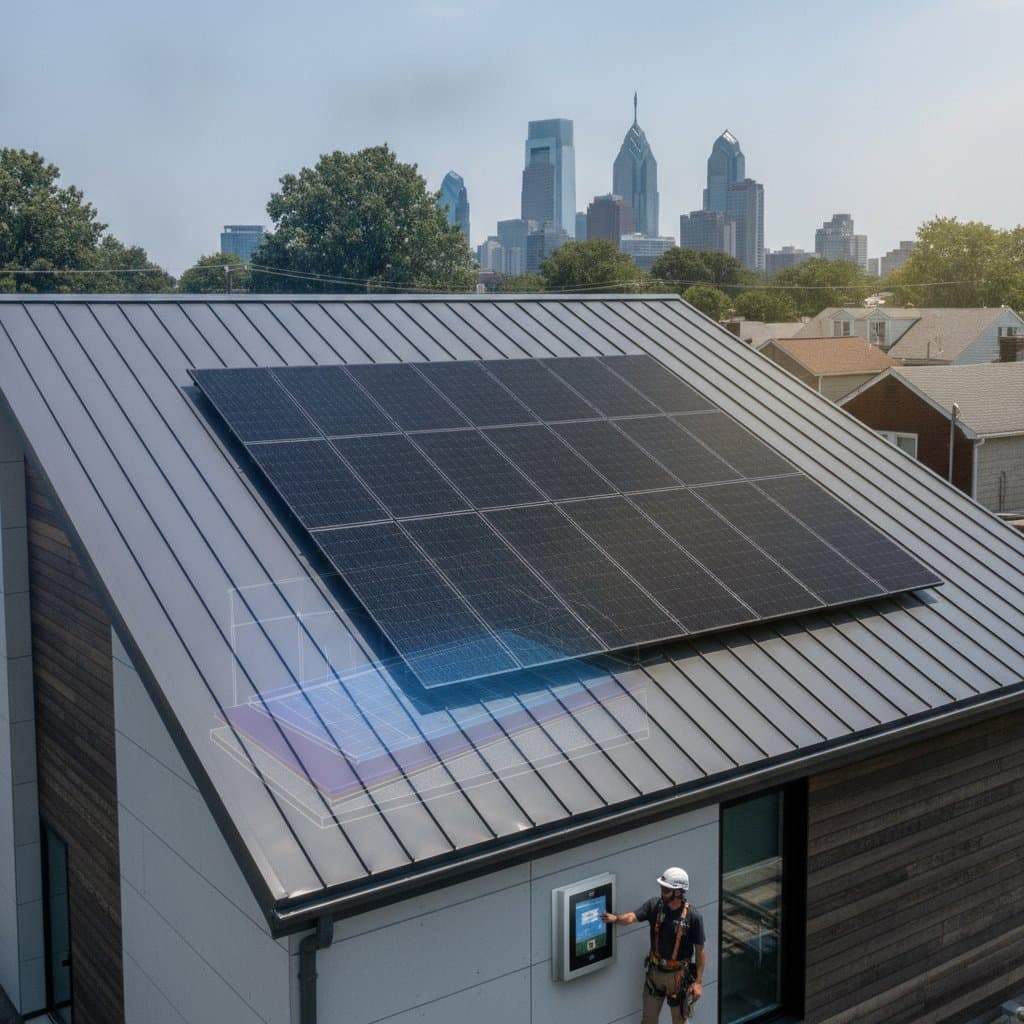
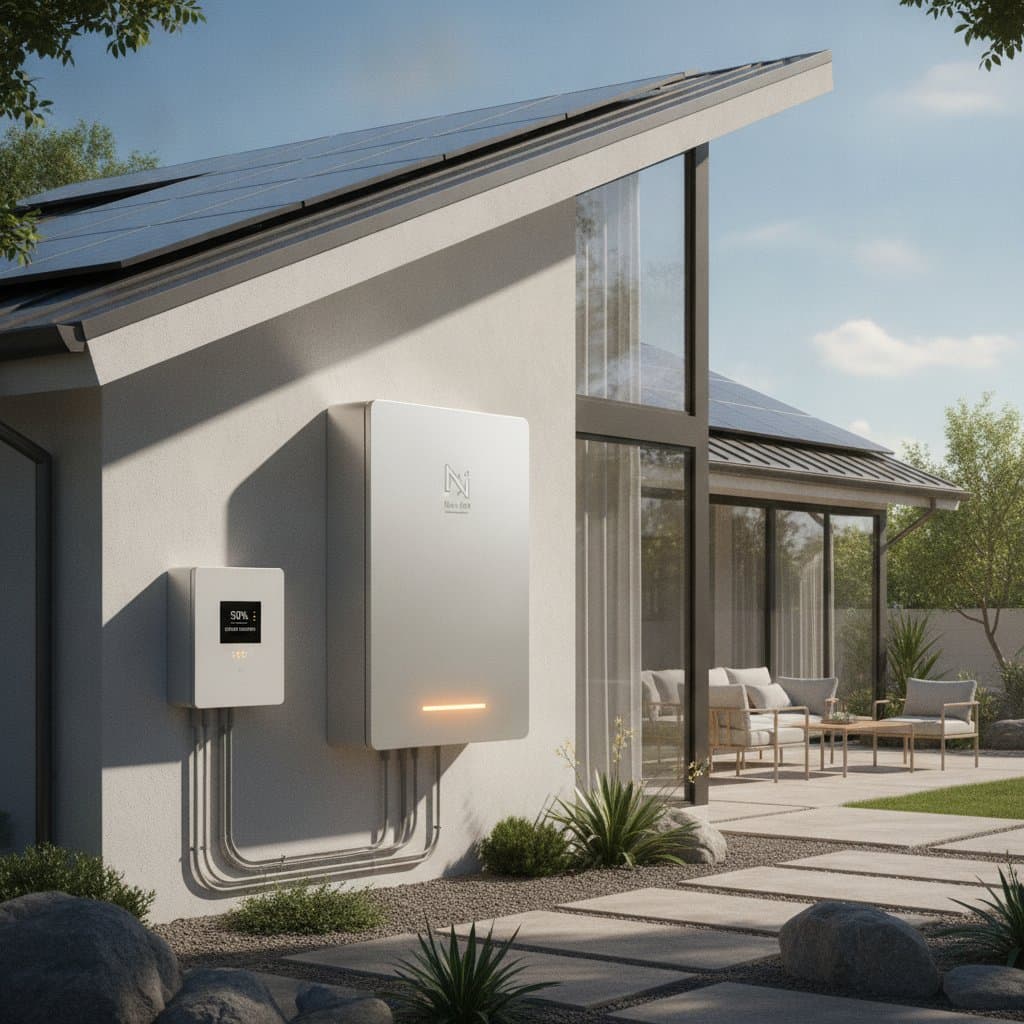
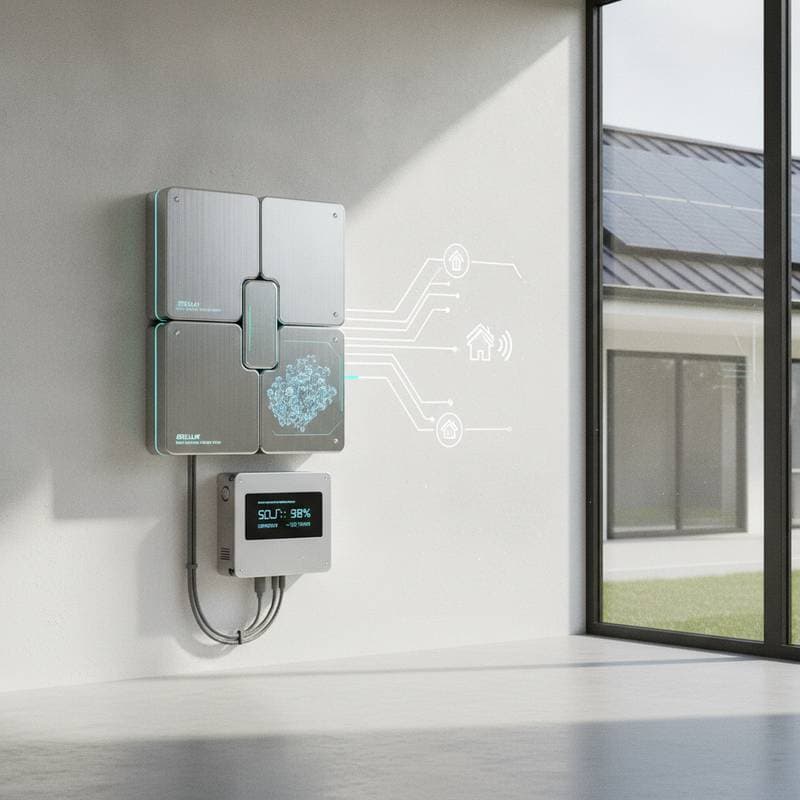
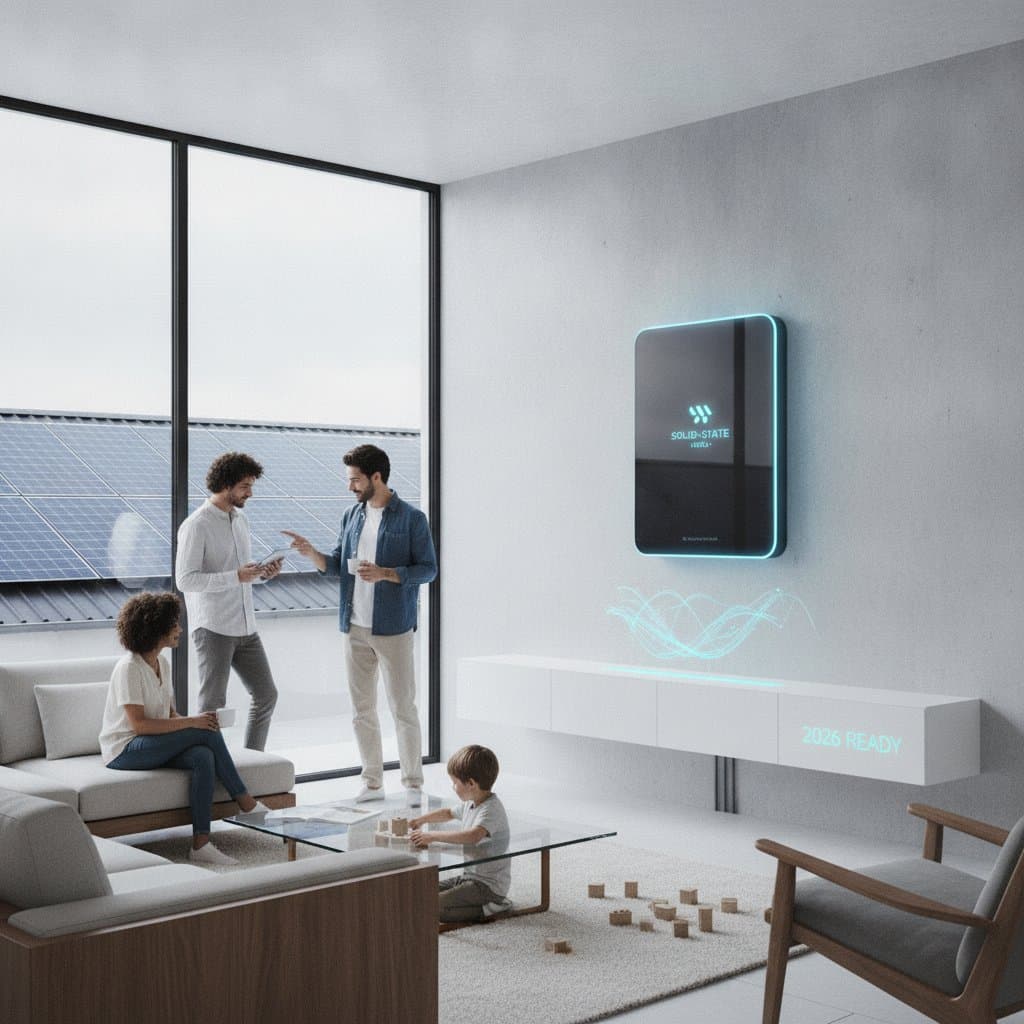
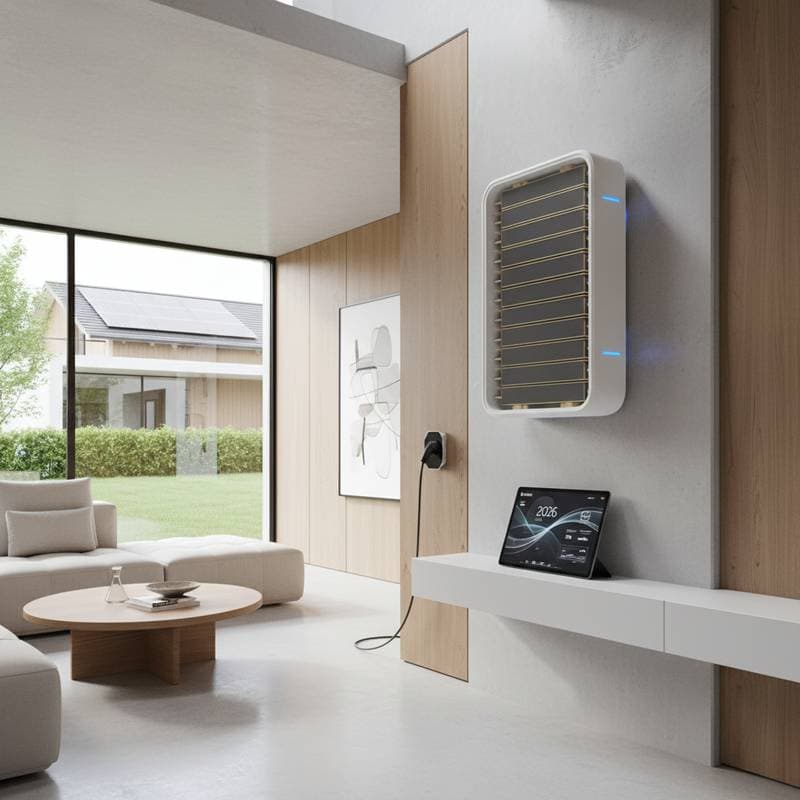
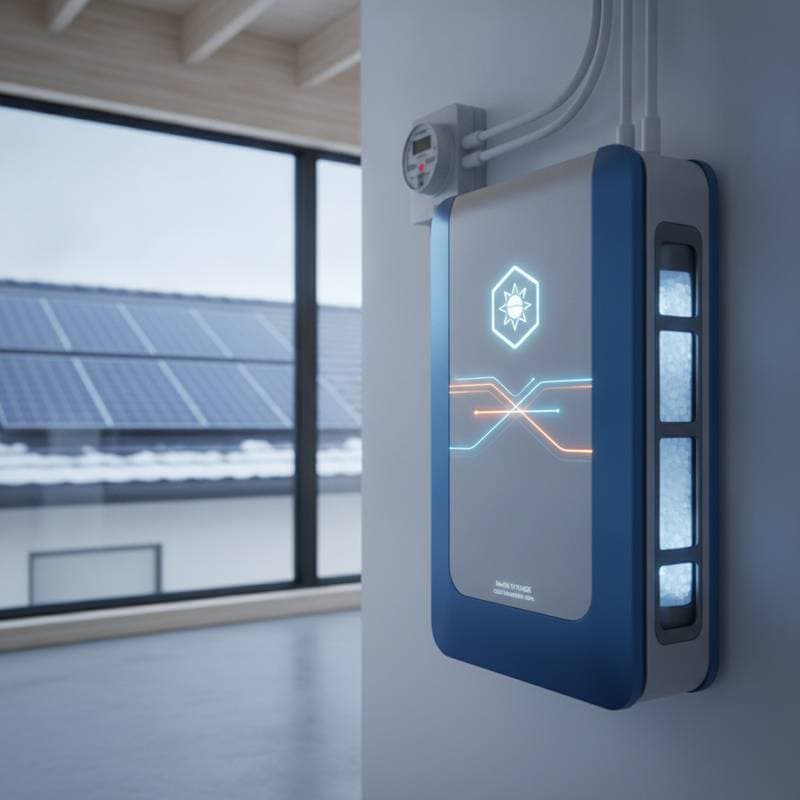
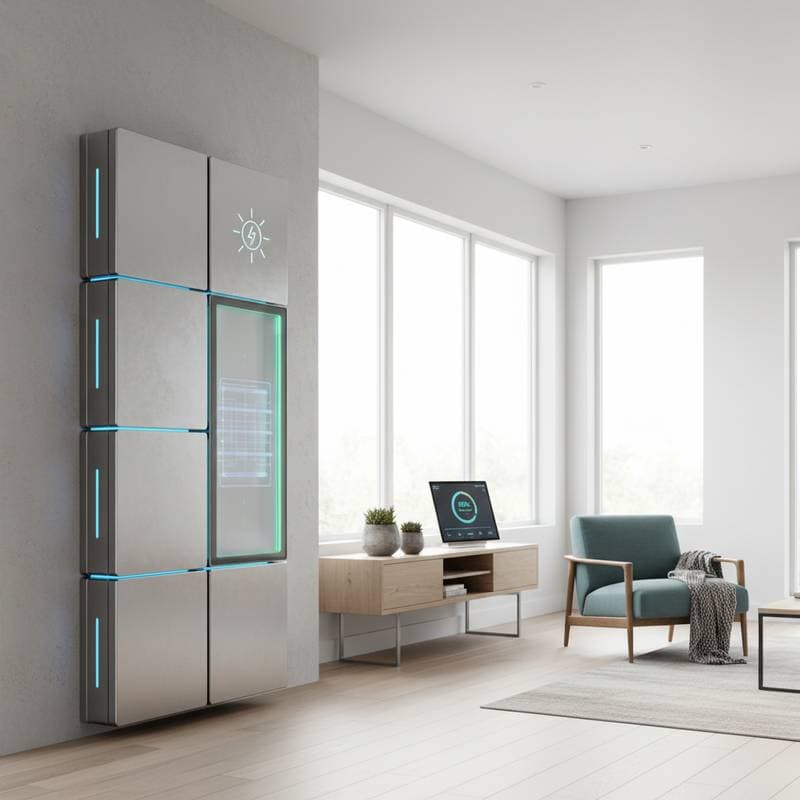
Solid-state batteries will change home energy storage by 2026. They offer higher capacity, improved safety, and extended lifespan compared with current lithium-ion systems.
Loading...
Articles tagged with energy
Solid-state batteries will change home energy storage by 2026. They offer higher capacity, improved safety, and extended lifespan compared with current lithium-ion systems.
Solid-state batteries are set to transform home solar energy in 2026, offering longer lifespans, faster charging, and enhanced safety. With 30 to 50 percent higher energy density, improved efficiency, and easier recycling, they promise greater energy independence, lower costs, and sustainable living.
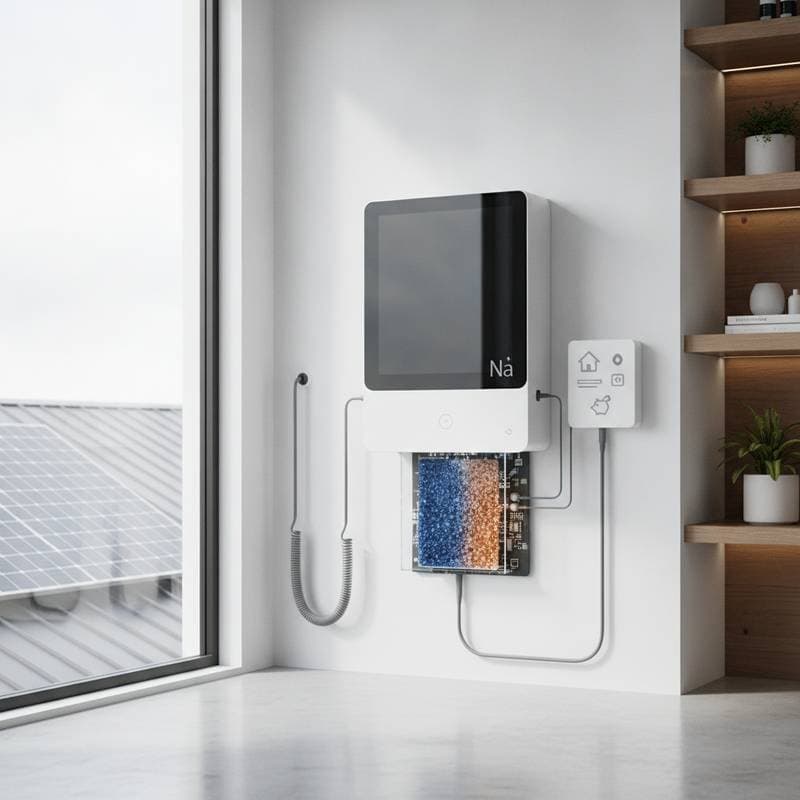
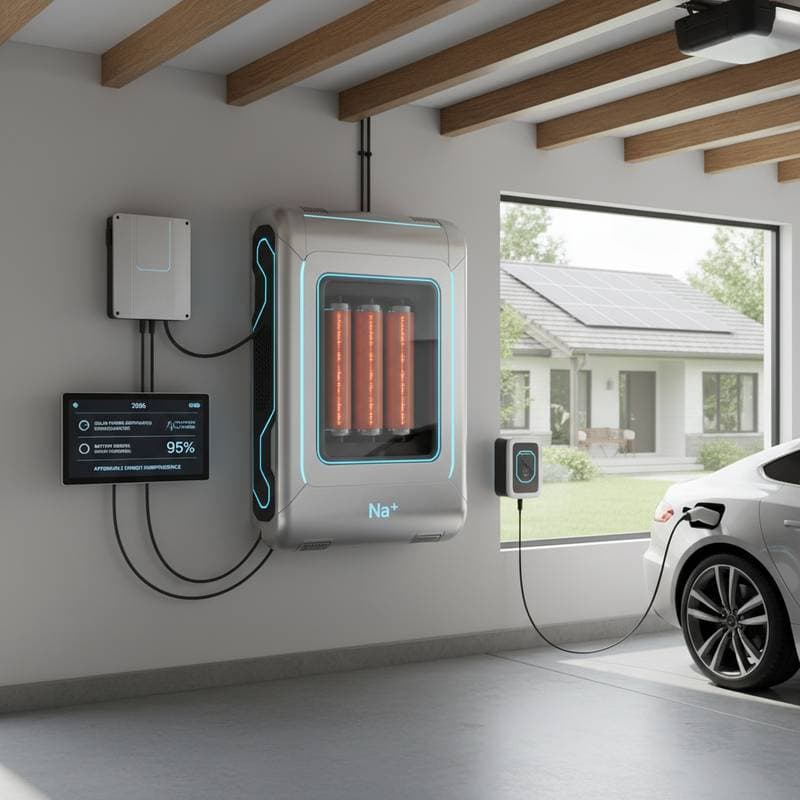
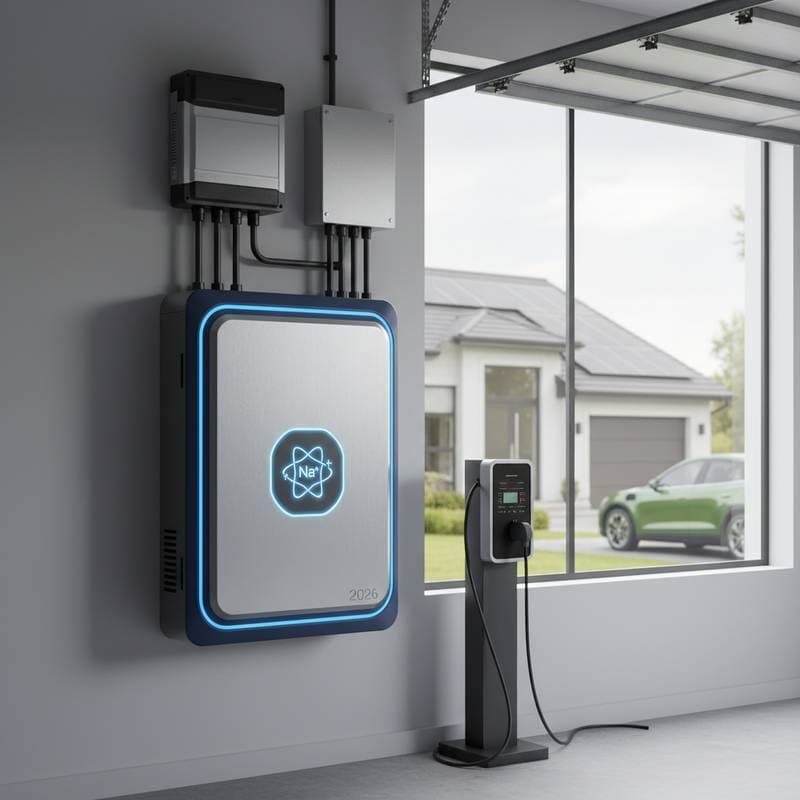
Sodium-ion batteries are emerging as a cost-effective, sustainable alternative to lithium for home solar storage. Using abundant materials, they promise lower prices, solid performance, and improved cold-weather resilience. With expanding production and compatibility with existing systems, sodium technology could soon make solar energy storage more affordable and accessible for homeowners.
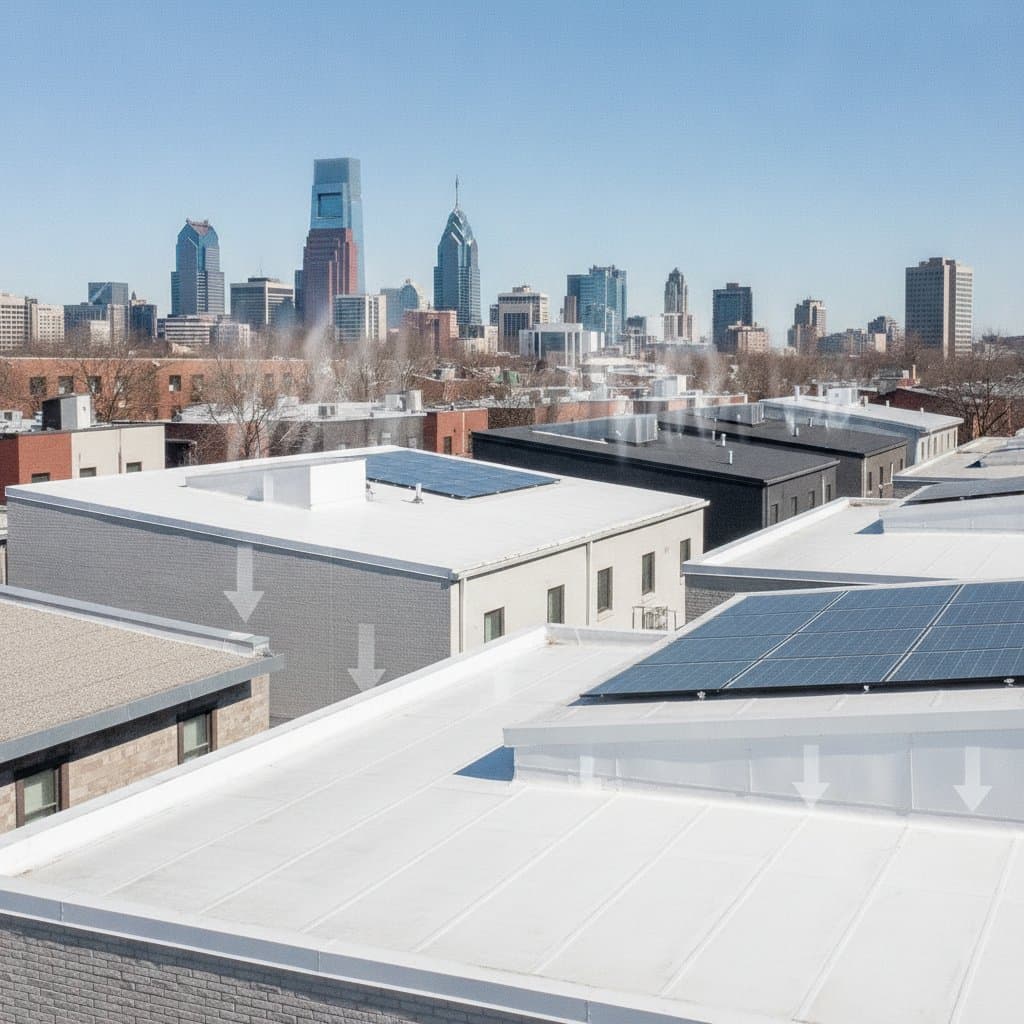
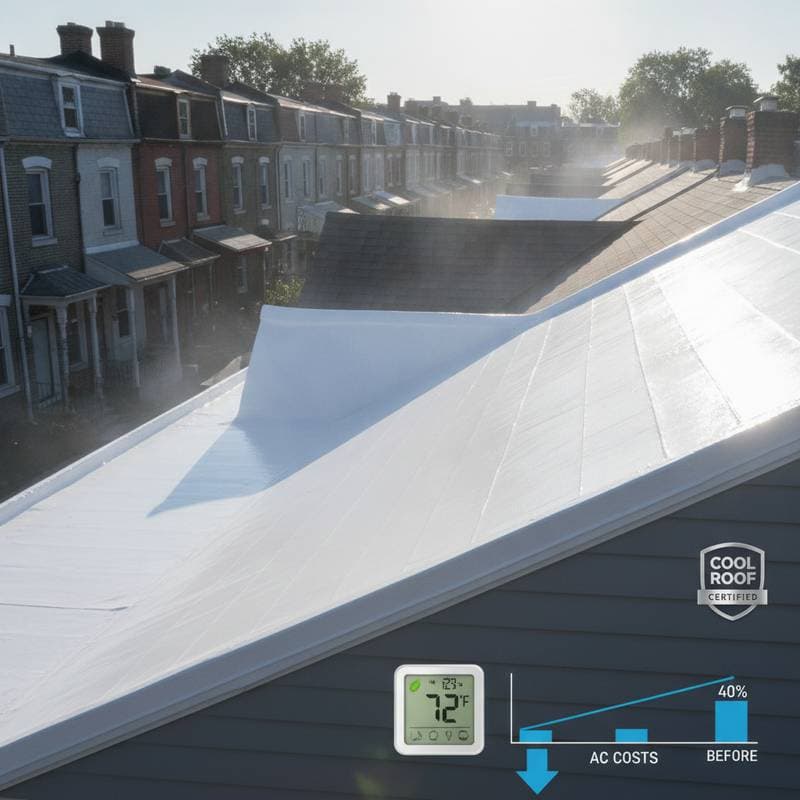
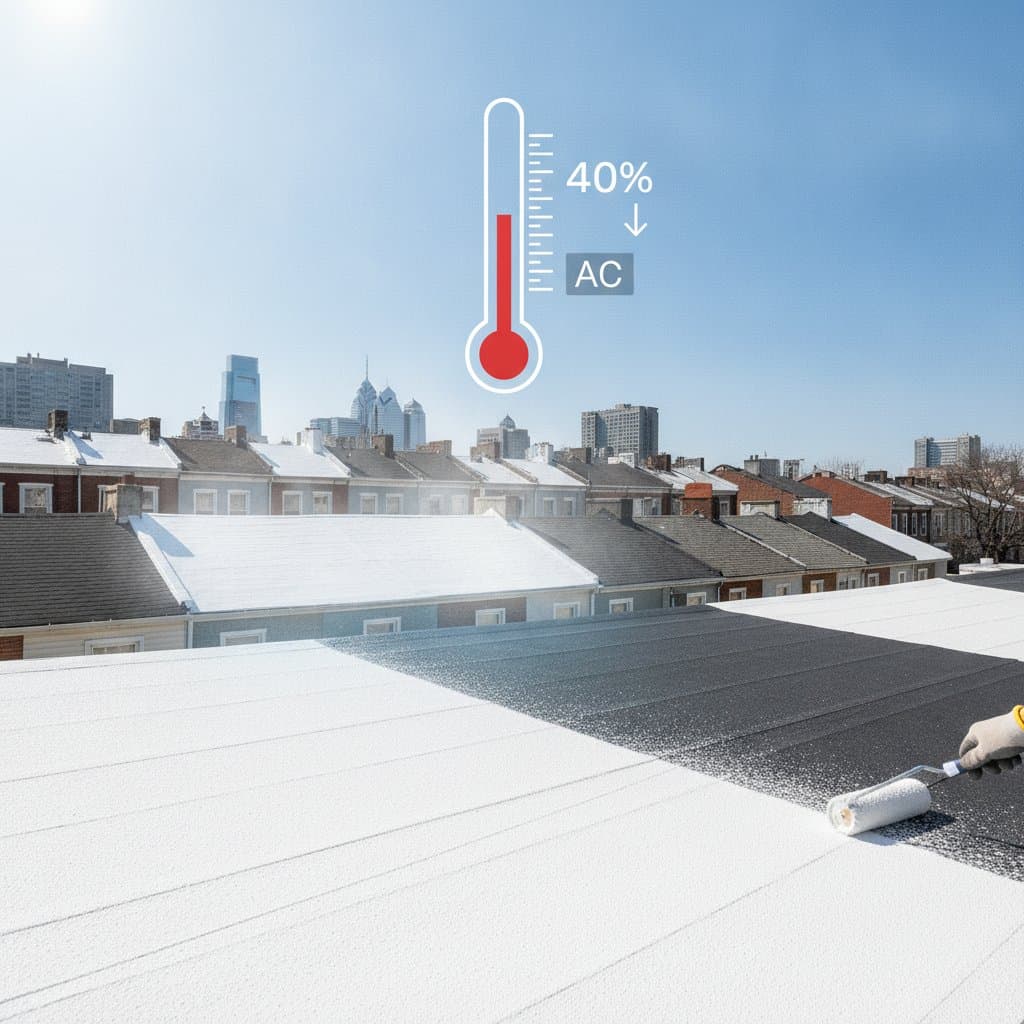
Philadelphia homeowners can reduce summer cooling costs by up to 40 percent with reflective cool roof coatings. These products lower attic temperatures, decrease air conditioner strain, and extend roof life. They qualify for rebates in many cases and support a cooler city environment.
Sodium-ion batteries could revolutionize home solar storage by 2026, offering safer, cheaper, and more sustainable alternatives to lithium-ion systems. With abundant materials, improved safety, and growing market readiness, these batteries promise affordable, reliable energy independence for homeowners preparing today for the next generation of clean power solutions.
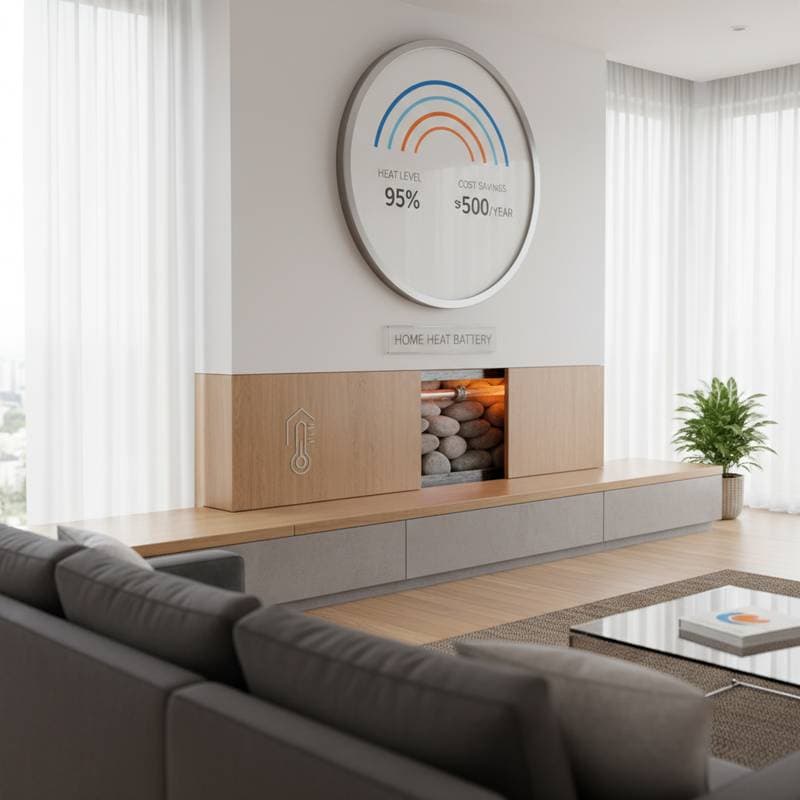
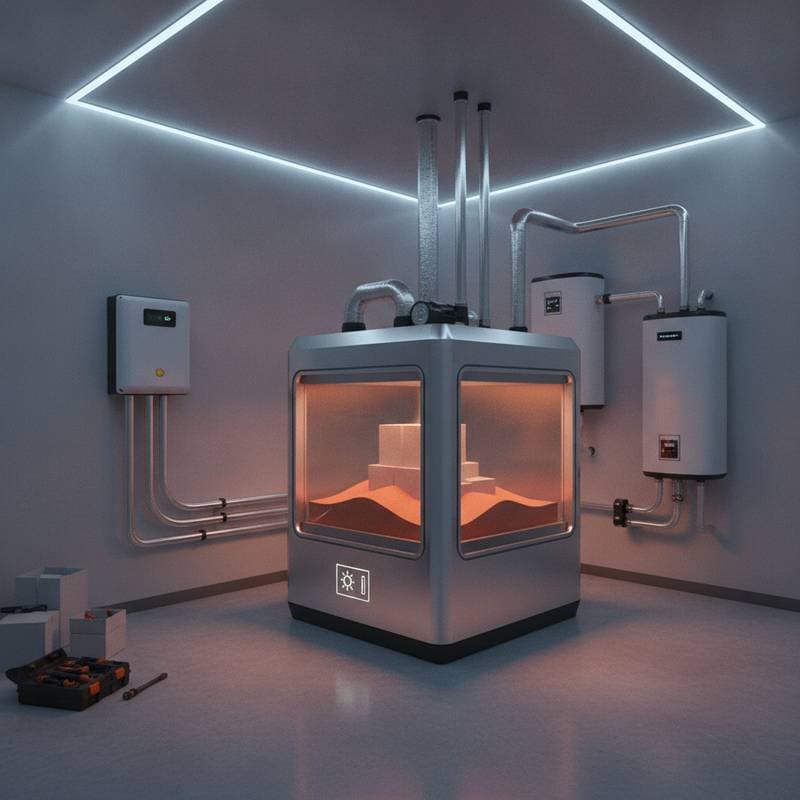
Discover how to build a safe, cost-effective DIY thermal battery for around 500 dollars. Learn why storing heat beats storing power, explore materials like gravel or water, follow key safety steps, and see how proper insulation keeps your home warm day or night.
Solid-state batteries are set to redefine home energy storage by 2026. They deliver faster charging, greater safety, and longer lifespans than lithium-ion systems. Higher energy density and strong solar compatibility bring homeowners closer to energy independence.
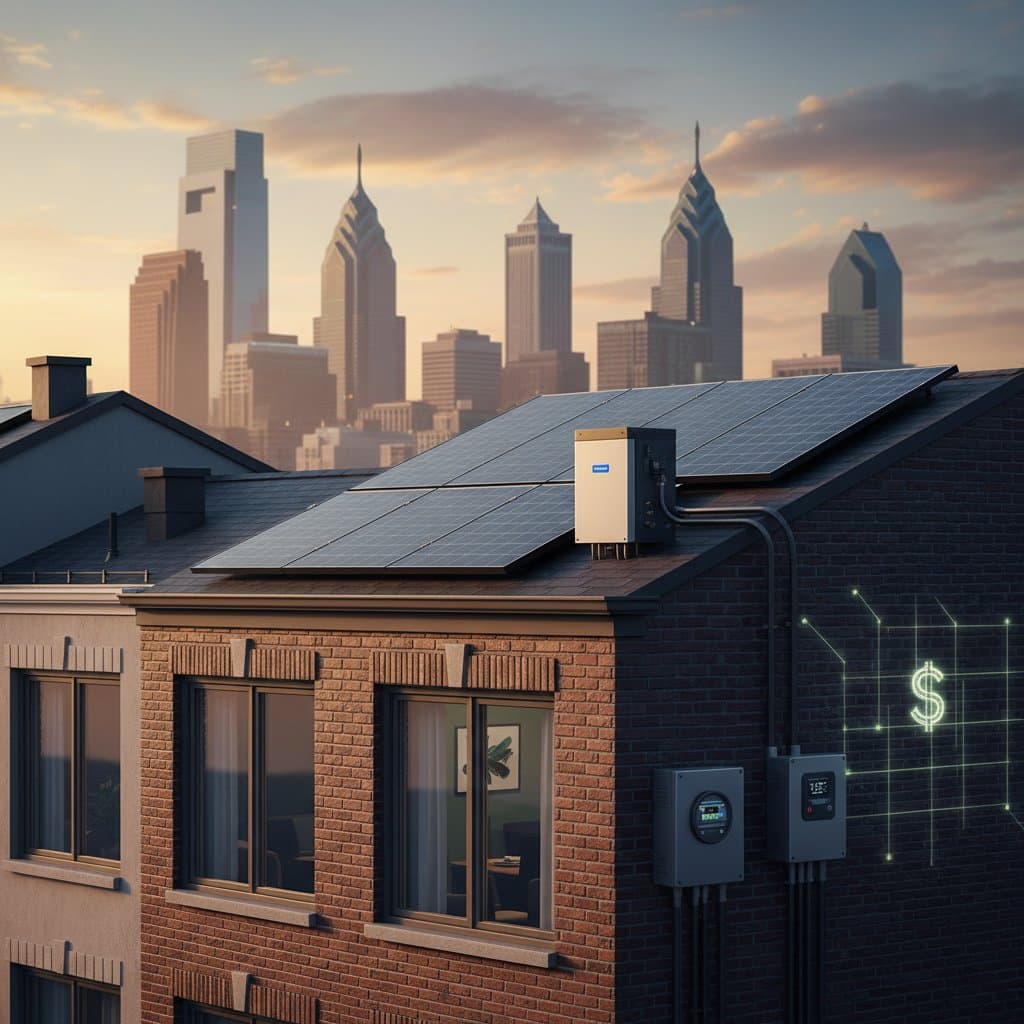
Philadelphia homeowners can turn sunlight into steady income. Grid-interactive solar systems combine panels, batteries, and smart inverters to store and sell power back to the grid, earning up to $800 annually by 2026 through energy arbitrage and grid programs.
Sodium-ion batteries are emerging as a cost-effective, safer alternative to lithium-ion for home solar storage. With abundant materials, stable pricing, and improving performance, they could cut installation costs by up to 25 percent and shorten payback periods. By 2026, homeowners may enjoy lower energy bills and greater energy independence.
Sodium-ion batteries use abundant materials to cut costs while delivering reliable solar storage. They improve safety, support recycling, and reach payback faster than many lithium systems for residential applications.
Sodium ion batteries move from research into homes by 2026. They promise lower costs, simpler recycling, and reliable performance that brings solar independence within reach for more households.
AI solar optimizers revolutionize residential energy setups by reducing electricity costs up to 40% via adaptive learning and precise power control. These systems forecast consumption, solar availability, and pricing to elevate performance, prolong hardware durability, and blend effortlessly with smart home technologies, yielding quicker returns, dependable operation, and greater energy autonomy.
Reflective cool roofs help Philadelphia homeowners slash cooling costs by reflecting sunlight, cutting energy use by up to 20%, and accessing federal tax credits over $600 alongside potential utility rebates for sustained savings and comfort.
Solid-state batteries promise to reshape residential solar energy by 2026 through superior safety, compact energy density, and durable performance. By replacing hazardous liquid electrolytes with solids, they minimize fire risks, support quick charging, and boost system reliability. Homeowners achieve optimal results via expert installation, adherence to codes, and intelligent system integration for greater energy autonomy and protection.
In 2026, solid-state batteries emerge as the superior choice for home energy storage, surpassing lithium-ion with unmatched safety, extended lifespan, and greater efficiency. These innovations eliminate flammable risks, maximize solar energy capture, and provide homeowners with resilient, cost-effective power solutions that align with sustainable living goals.
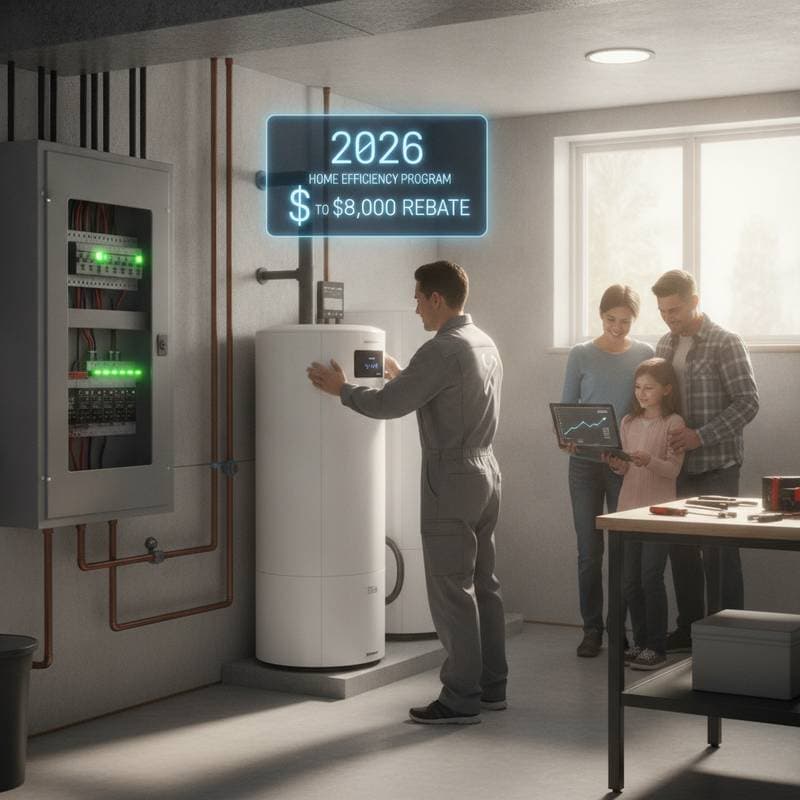
Philadelphia residents qualify for up to $8,000 in HEEHRA 2026 rebates to electrify homes with efficient heat pumps, updated wiring, and panel enhancements. These federal incentives lower costs, improve safety, and meet energy codes. Review income qualifications, project requirements, and the need for licensed electricians to claim benefits fully.
Convert your rooftop solar panels into a profitable venture by exporting energy to the grid during peak pricing periods. Explore grid-interactive systems, smart inverters, and battery storage to enhance revenue, reduce payback times, and bolster Philadelphia's energy grid resilience, all while minimizing emissions and leveraging homeowner incentives.
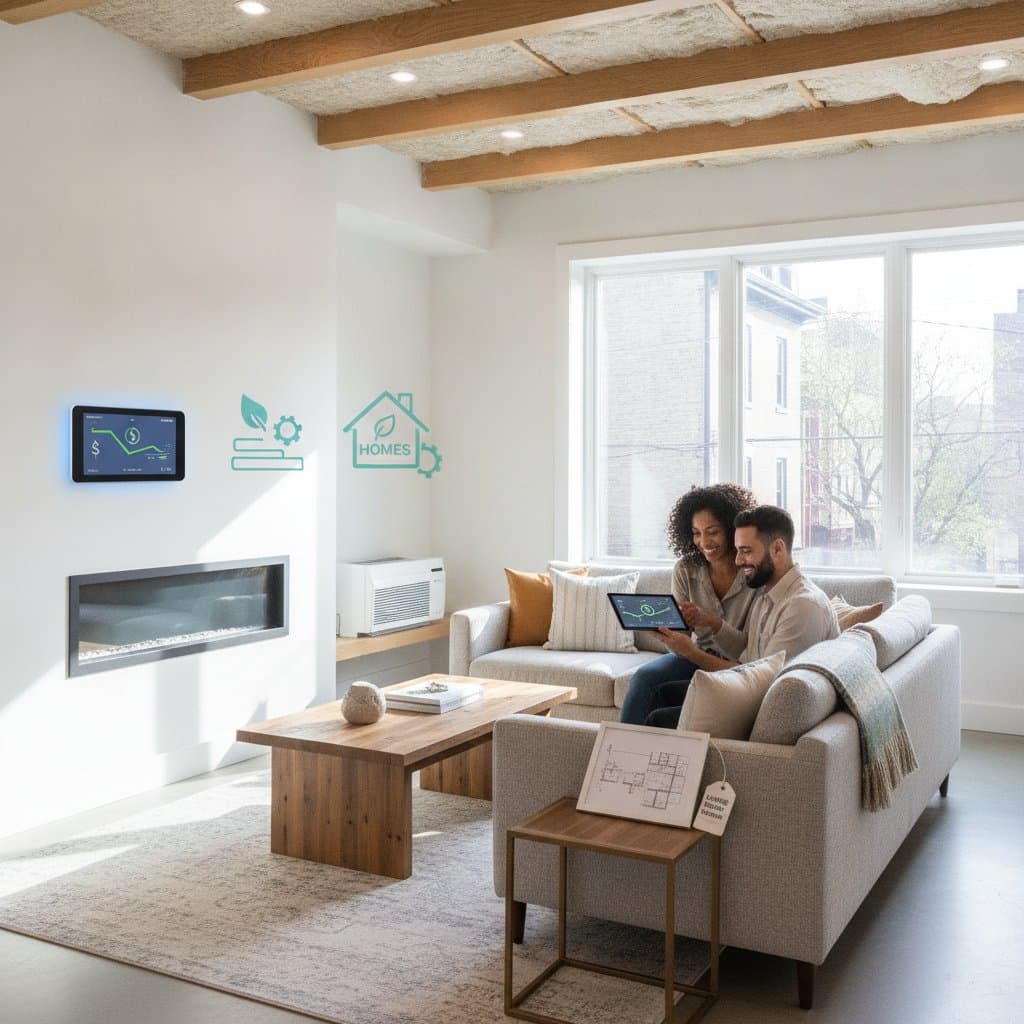
AI-driven energy monitors revolutionize Philadelphia households by slashing utility bills up to 40 percent. These intelligent tools scrutinize real-time electrical data, uncover waste, and refine usage. Through compliant installation and expert oversight, owners achieve superior efficiency, safety, and optimal solar-battery synergy.
The HEEHRA rebate of up to $8,000 renders electrical panel upgrades accessible, facilitating solar adoption, heat pumps, and EV charging. Modernizing to 200 amps enhances safety, efficiency, and property appeal. Explore how this support drives energy preparedness, cuts expenses, and advances sustainable home living.
USDA grants of up to $15,000 target rural solar-plus-storage systems, aiding homeowners and farms in slashing energy bills, ensuring backup power, and advancing sustainable independence.