Sodium-Ion Batteries Drop Storage Costs for Homes
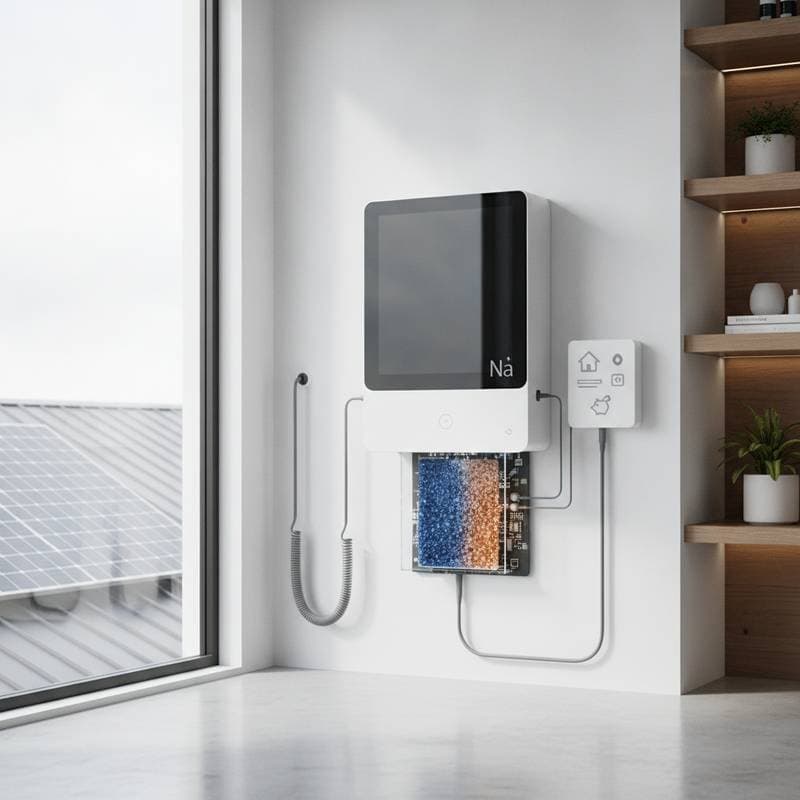
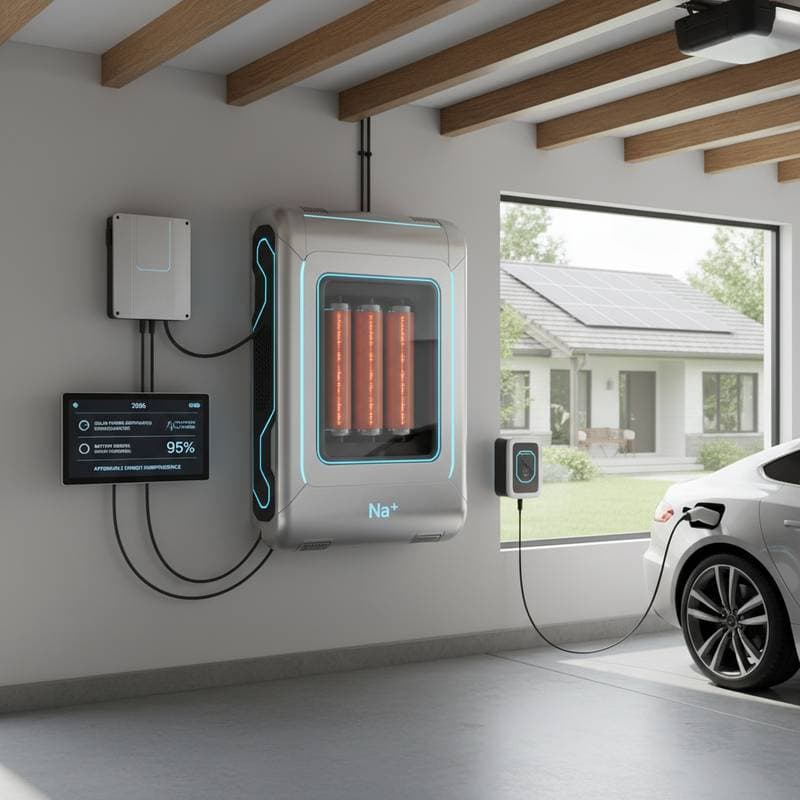
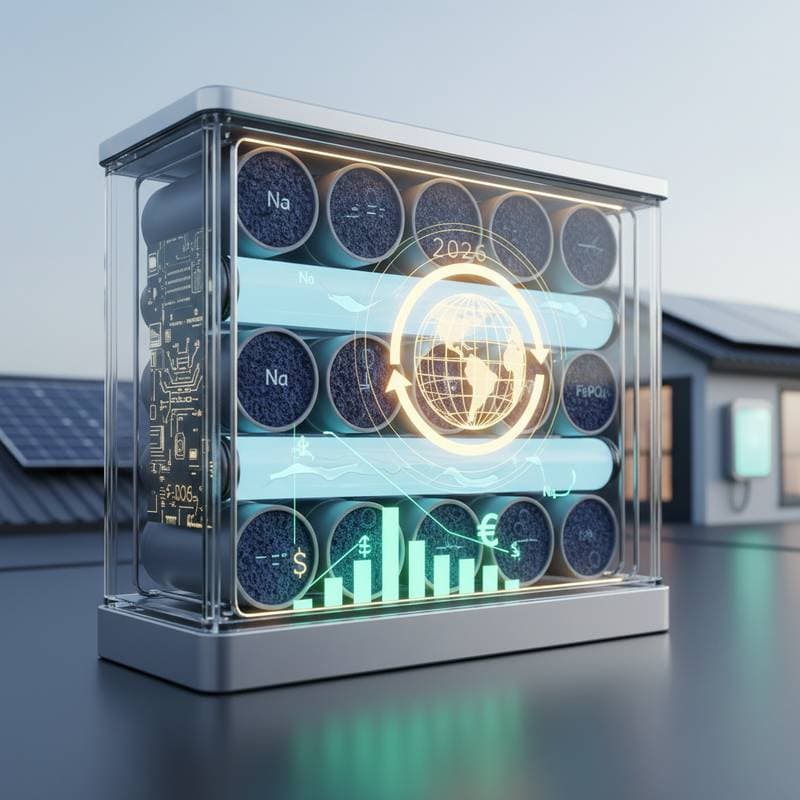
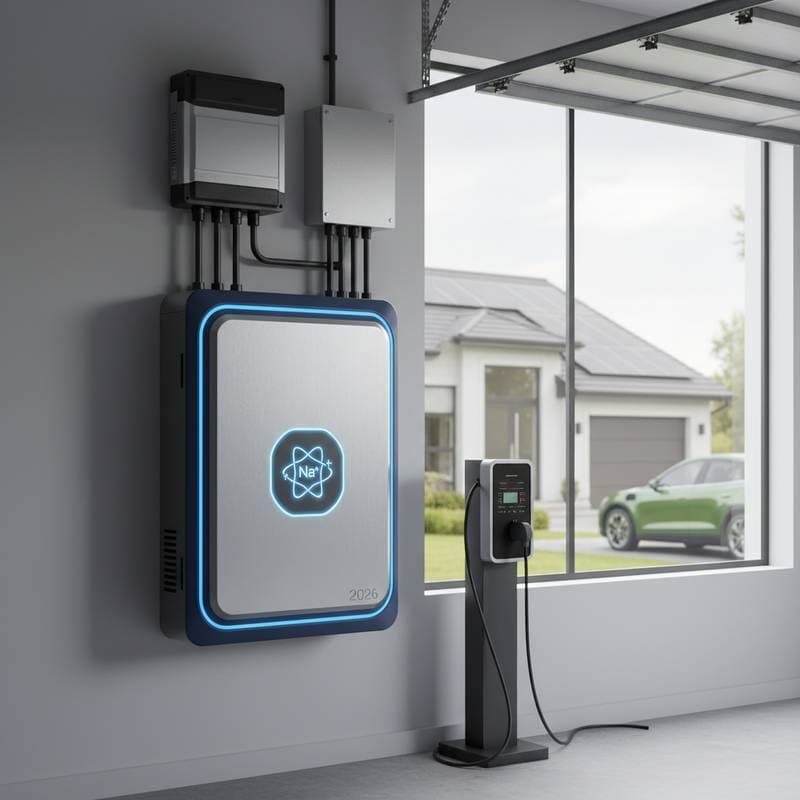
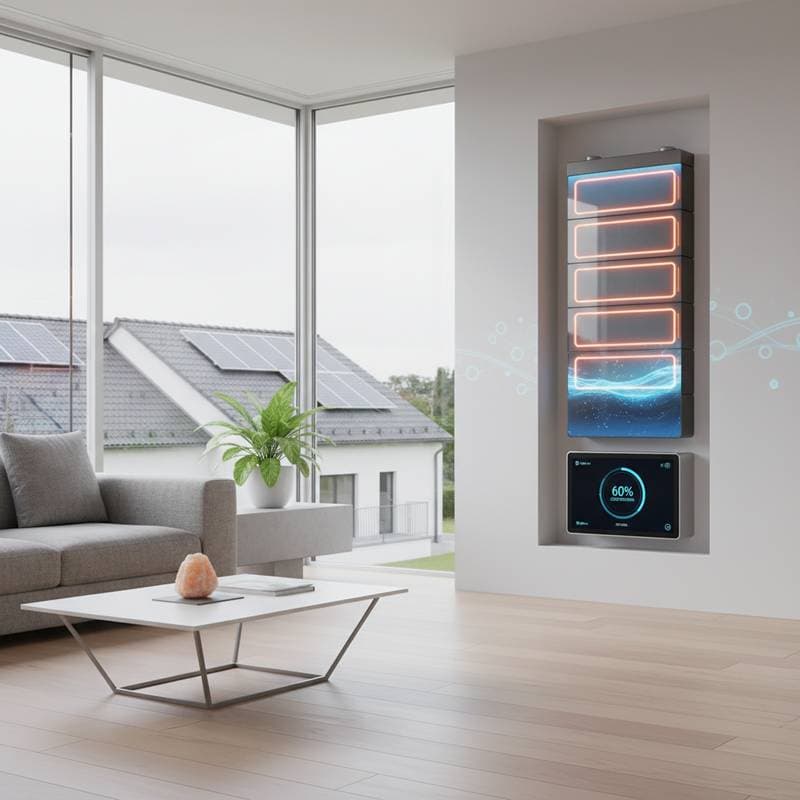
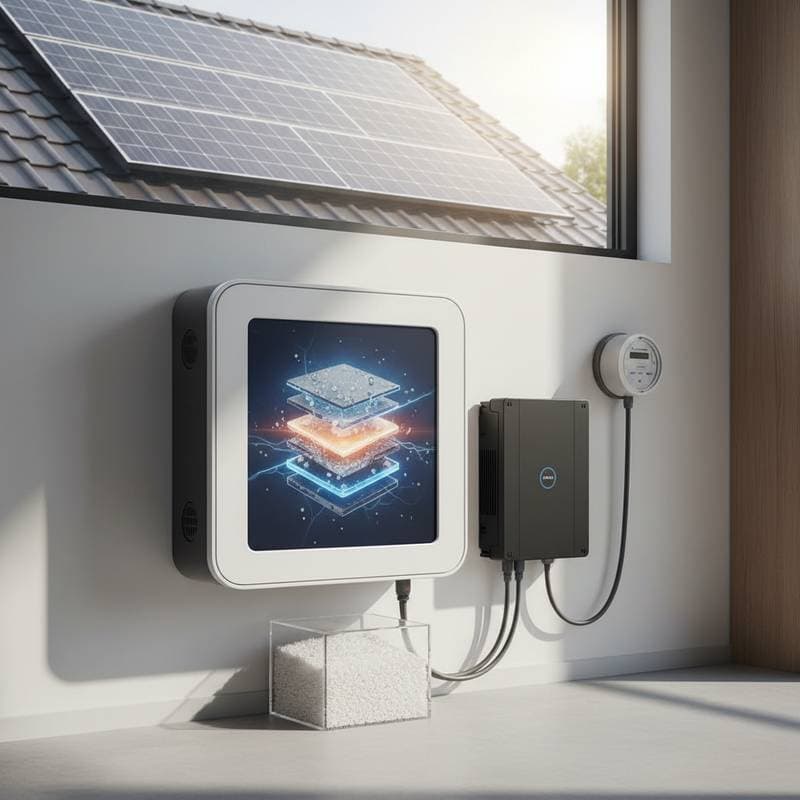
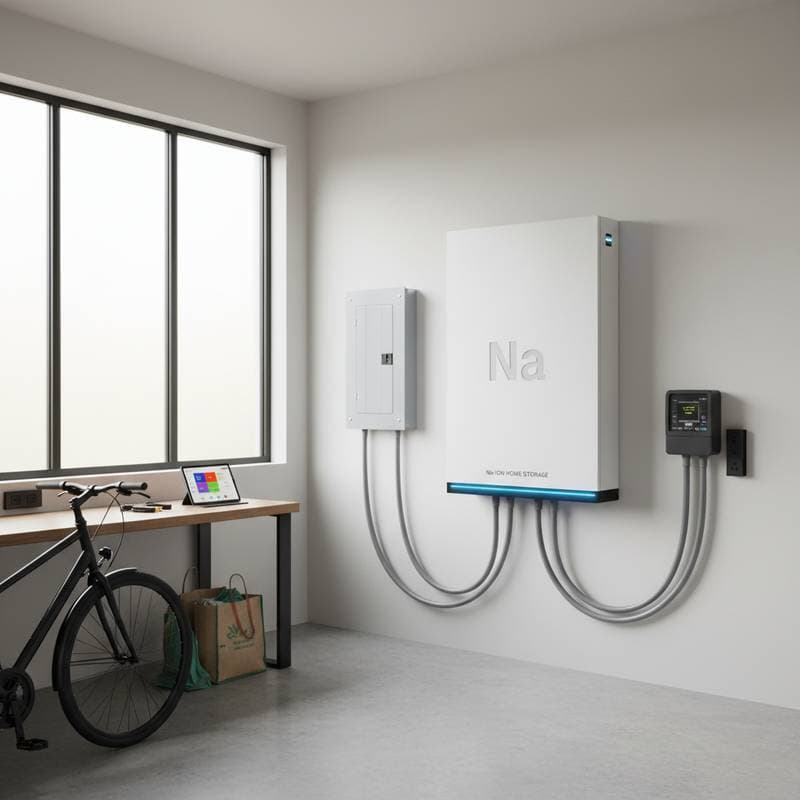
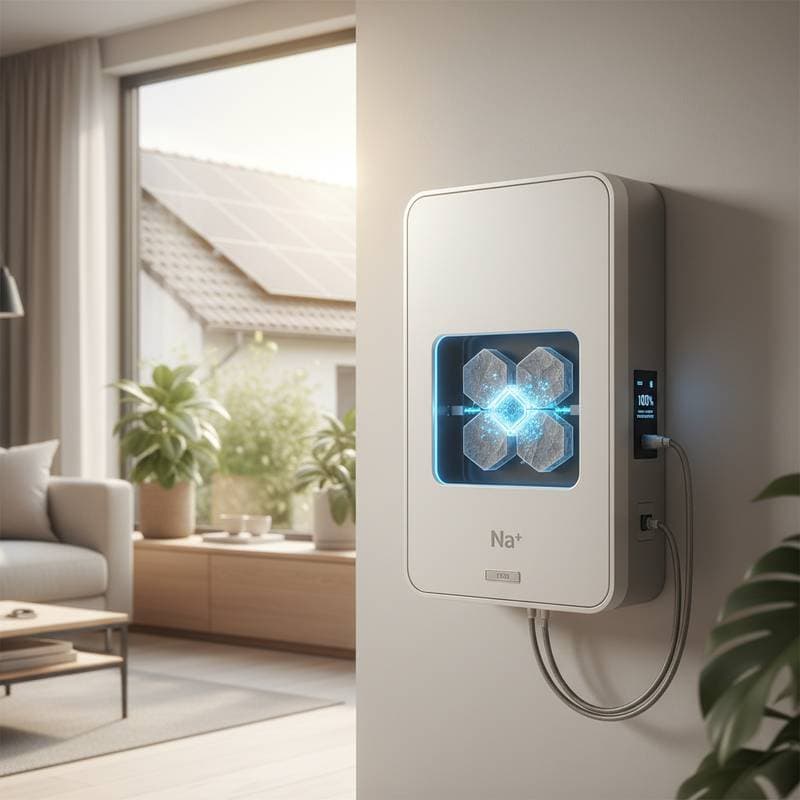
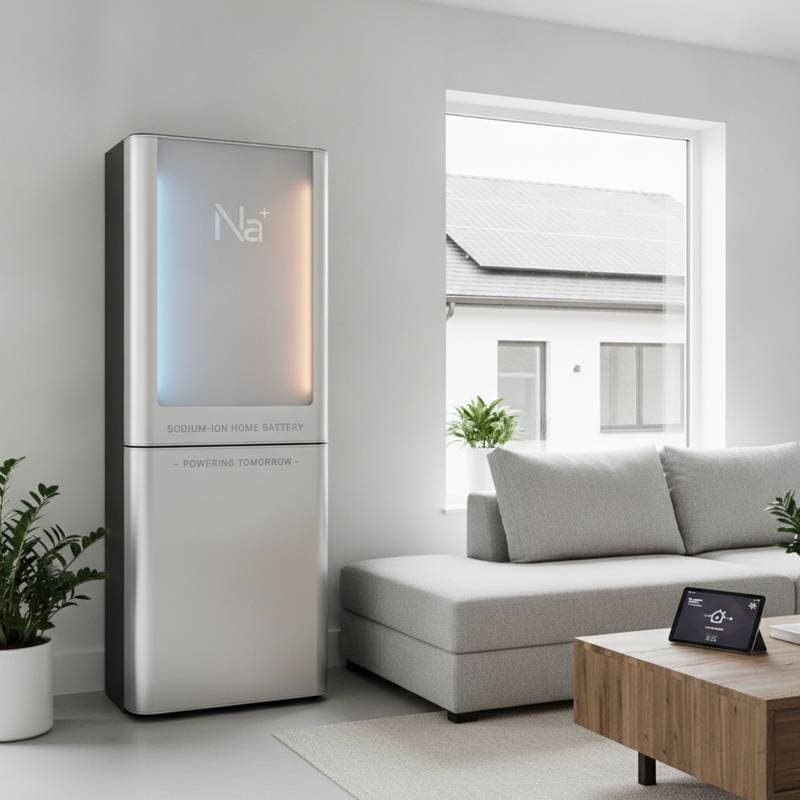
Sodium-ion batteries could make home solar storage far more affordable by 2026. They deliver safer, sustainable power without costly lithium or cobalt while improving performance and recycling ease.
Loading...
Articles tagged with alternatives
Sodium-ion batteries could make home solar storage far more affordable by 2026. They deliver safer, sustainable power without costly lithium or cobalt while improving performance and recycling ease.
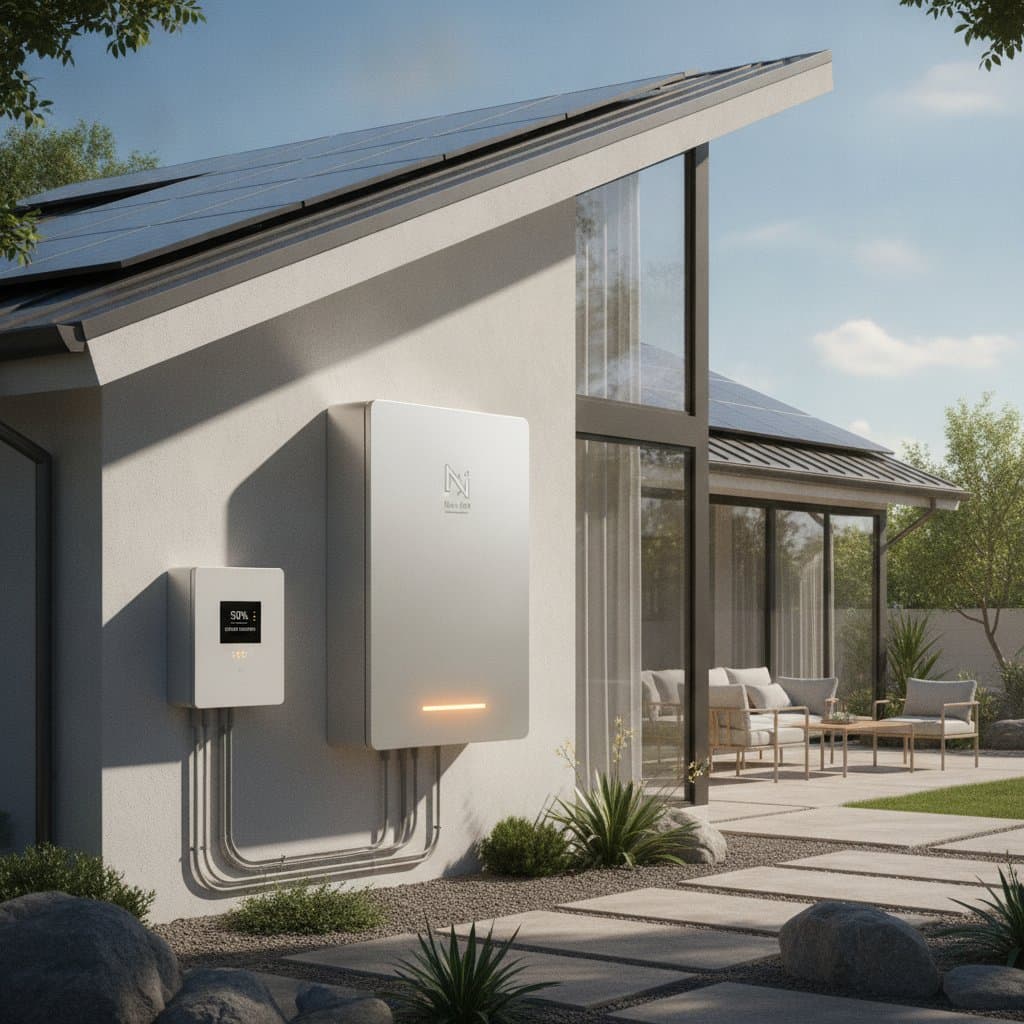
Sodium-ion batteries are emerging as a cost-effective, safer alternative to lithium for solar energy storage. Using abundant materials like salt, they lower costs by up to 40 percent, offer long lifespans, and reduce environmental impact.
Sodium-ion batteries emerge as a safer and more affordable alternative to lithium systems for home solar storage. They use abundant materials that lower prices while supporting stable performance and simpler recycling.
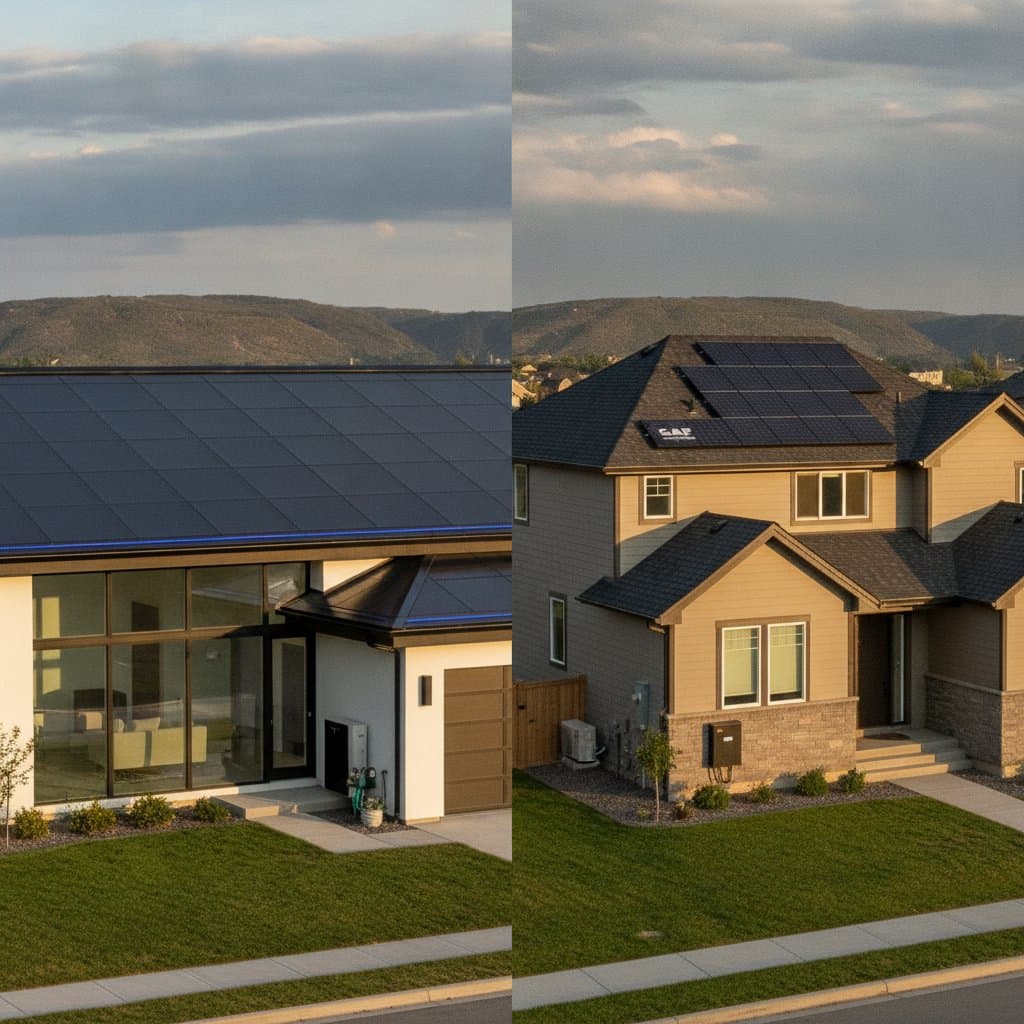
Tesla Solar Roof and GAF Timberline Solar convert rooftops into power sources through different designs. Tesla emphasizes uniform glass aesthetics at higher cost. GAF provides asphalt style shingles with simpler installation and lower pricing. Review the full cost breakdown, efficiency data, and selection process.
Sodium-ion batteries are emerging as a cost-effective, sustainable alternative to lithium for home solar storage. Using abundant materials, they promise lower prices, solid performance, and improved cold-weather resilience. With expanding production and compatibility with existing systems, sodium technology could soon make solar energy storage more affordable and accessible for homeowners.
Sodium-ion batteries could revolutionize home solar storage by 2026, offering safer, cheaper, and more sustainable alternatives to lithium-ion systems. With abundant materials, improved safety, and growing market readiness, these batteries promise affordable, reliable energy independence for homeowners preparing today for the next generation of clean power solutions.
Smart roof tiles combine roofing and solar generation at roughly eight dollars per watt. They deliver durable performance, long term savings, and a unified appearance that appeals to homeowners planning roof upgrades.
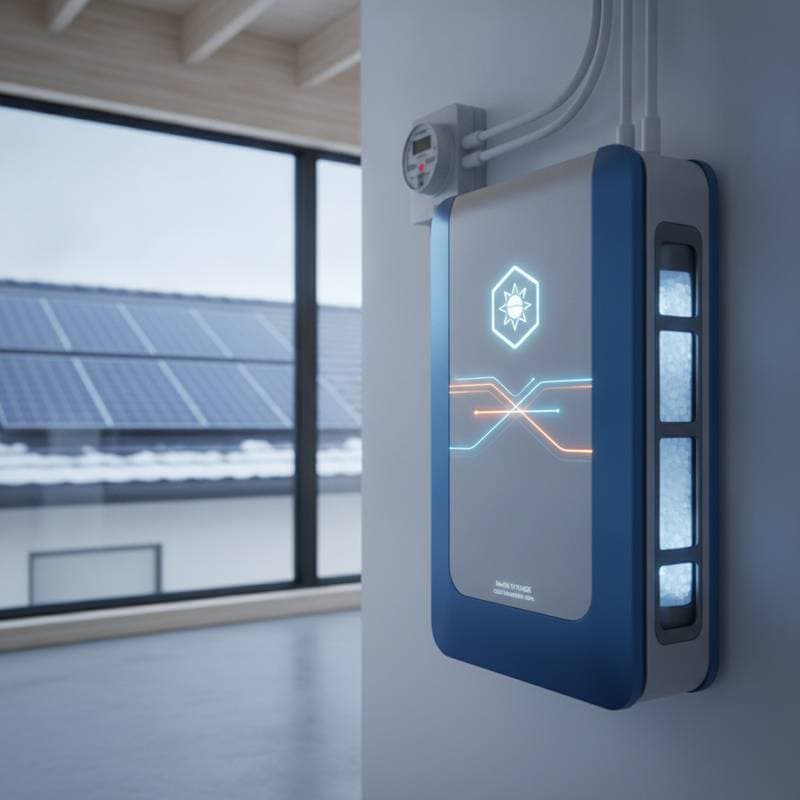
Sodium-ion batteries use abundant materials to deliver safer and lower cost storage for solar and grid applications. They promise strong cycle life and simpler recycling, making clean energy more accessible for households.
Sodium-ion batteries are emerging as a cost-effective, safer alternative to lithium-ion for home solar storage. With abundant materials, stable pricing, and improving performance, they could cut installation costs by up to 25 percent and shorten payback periods. By 2026, homeowners may enjoy lower energy bills and greater energy independence.
Sodium ion batteries promise lower costs and reliable performance for home solar storage. They use abundant materials to deliver savings and sustainability benefits by 2026.
Sodium-ion batteries use abundant materials to cut costs while delivering reliable solar storage. They improve safety, support recycling, and reach payback faster than many lithium systems for residential applications.
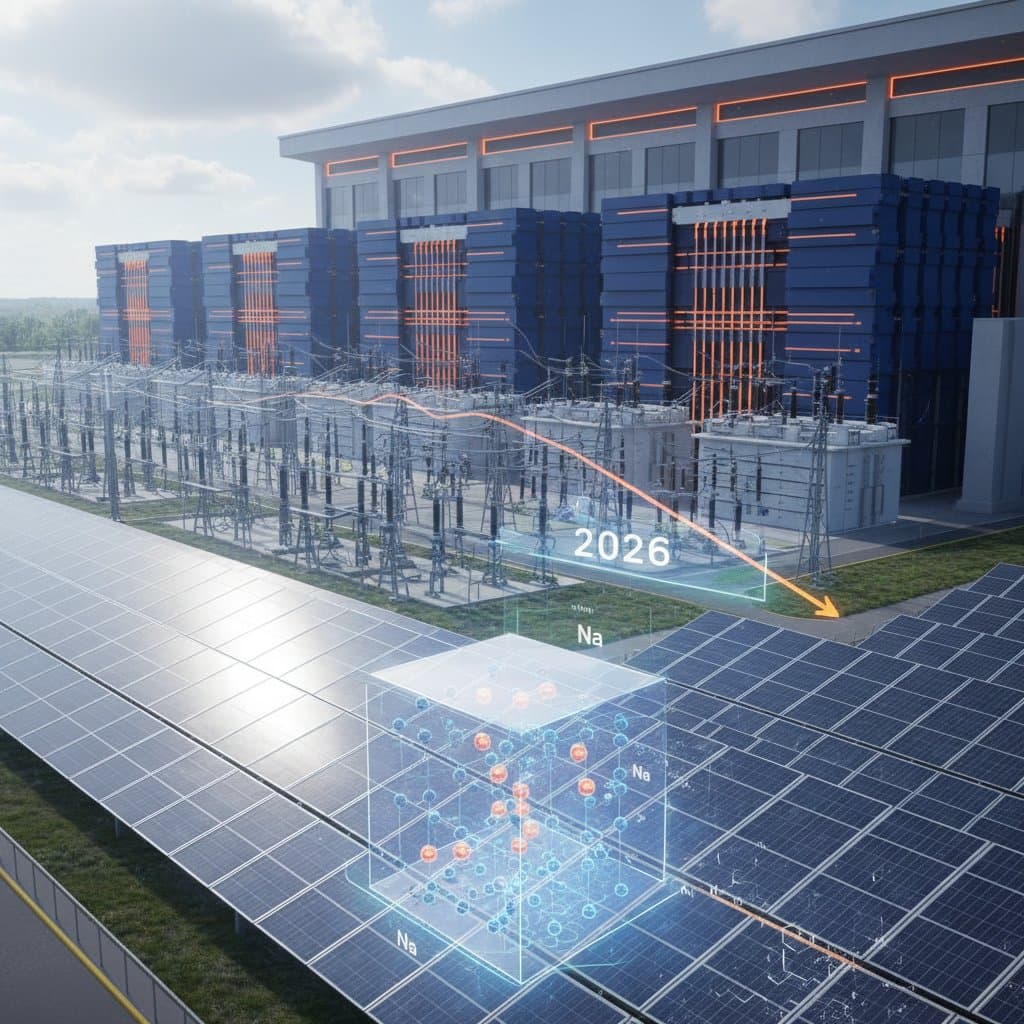
Sodium-ion batteries offer a safer, more affordable option to lithium-ion for grid-scale storage. With plentiful raw materials, reduced fire hazards, and simpler recycling, this technology stands to lower electricity costs and speed up renewable energy growth by 2026. See how it could transform solar power reliability and pricing for consumers.
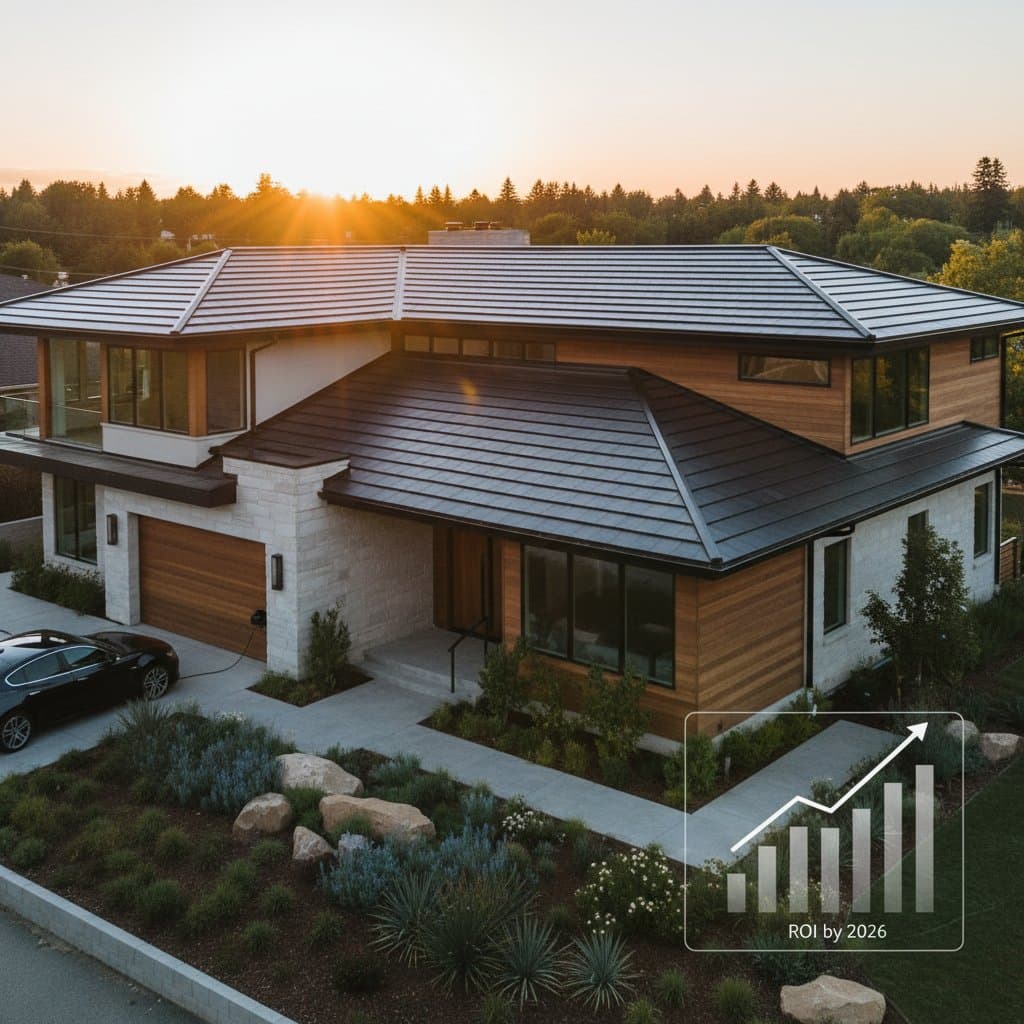
Solar shingles integrate roofing and energy generation, potentially matching traditional panel ROI by 2026. Advances in efficiency, declining costs, and bundled roof replacement benefits position shingles as a stylish, cost-effective option for sustainable home power.
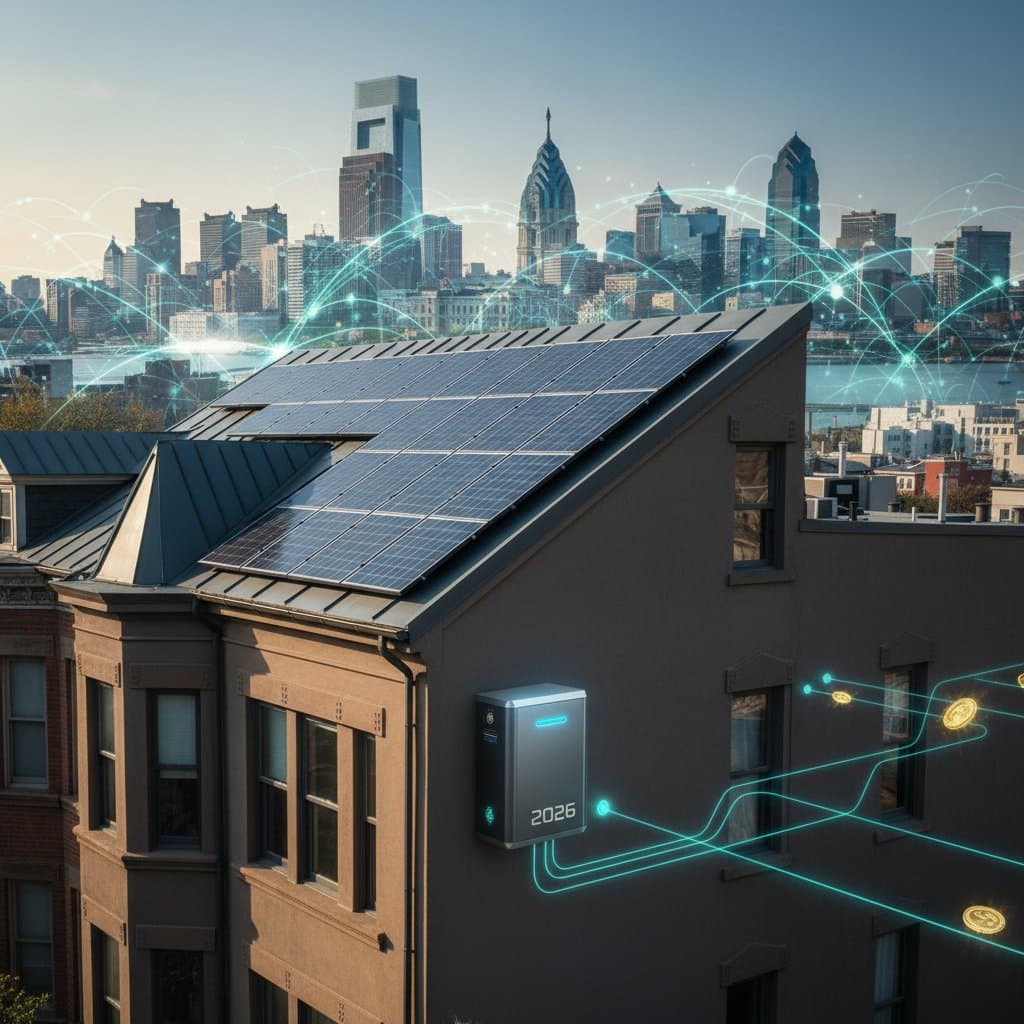
Philadelphia residents stand to gain financial returns from solar energy. Installations now provide bill reductions plus earnings through grid programs, battery integration, and dynamic pricing. Incentives accelerate payback periods to less than 10 years, delivering energy security, reduced emissions, and sustained revenue streams. Discover participation steps in the upcoming 2026 distributed energy shift.
Sodium-ion batteries present a budget-friendly, secure option to lithium-based solutions like the Tesla Powerwall. Leveraging plentiful resources, they deliver competitive performance, enhanced cold-weather operation, and straightforward integration, rendering home energy autonomy more attainable and eco-friendly for typical households.
Sodium-ion batteries emerge as a promising alternative to lithium-ion for solar and home energy storage. They leverage abundant materials to cut costs, boost safety, and simplify recycling. Despite lower energy density, their economic and environmental benefits position them to challenge established players like Tesla and empower homeowners toward greater energy independence.
A $3,000 sodium-ion home battery system makes solar storage accessible, secure, and eco-friendly. It relies on plentiful resources such as salt rather than lithium, which lowers expenses, minimizes fire hazards, and excels in harsh weather conditions. This innovation could redefine energy self-sufficiency for households and alter the way renewable energy is captured and utilized.
By 2026, sodium-ion batteries stand to transform residential solar setups by halving storage expenses. These batteries leverage plentiful, secure materials to provide extended durability, reliable performance, and straightforward recycling. Their reduced pricing, superior safety profile, and seamless integration position sodium-ion technology to deliver clean, economical solar energy to countless households.
Sodium-ion batteries stand to revolutionize home solar storage affordability by 2026. Leveraging common sodium over scarce lithium, they deliver reliable performance, extended durability, and simplified recycling. Coupled with decreasing prices, superior safety, and supportive rebates, this innovation renders energy autonomy attainable for numerous households.
Sodium-ion batteries stand ready to transform home solar storage by 2026. These systems offer enhanced safety, sustainability, and cost savings of up to 40 percent compared to lithium options. Built from abundant salt-based materials, they deliver reliable performance in cold climates and seamless integration, paving the way for widespread solar adoption among homeowners.