New 2026 Solar Tariffs Could Add $1,800 to Panel Costs
New 2026 solar tariffs could raise panel prices by up to twenty percent. Discover how these changes influence project budgets and what actions protect your investment in solar energy.
Loading...
Articles tagged with panel
New 2026 solar tariffs could raise panel prices by up to twenty percent. Discover how these changes influence project budgets and what actions protect your investment in solar energy.
New 2026 import rules may raise solar panel prices modestly, yet incentives and expanding domestic manufacturing support solar as a strong investment. Explore how tariffs, local production, and rebates shape costs while discovering steps to plan effectively and maximize savings.
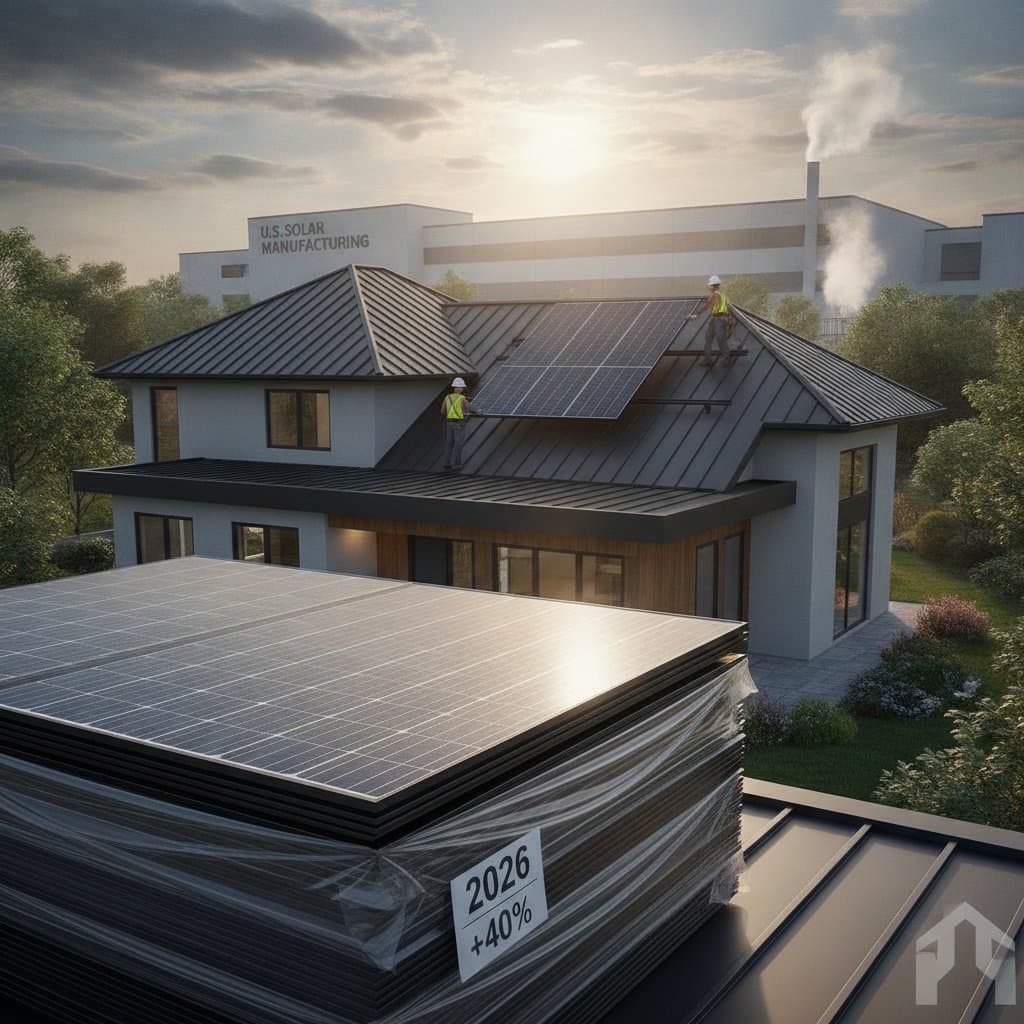
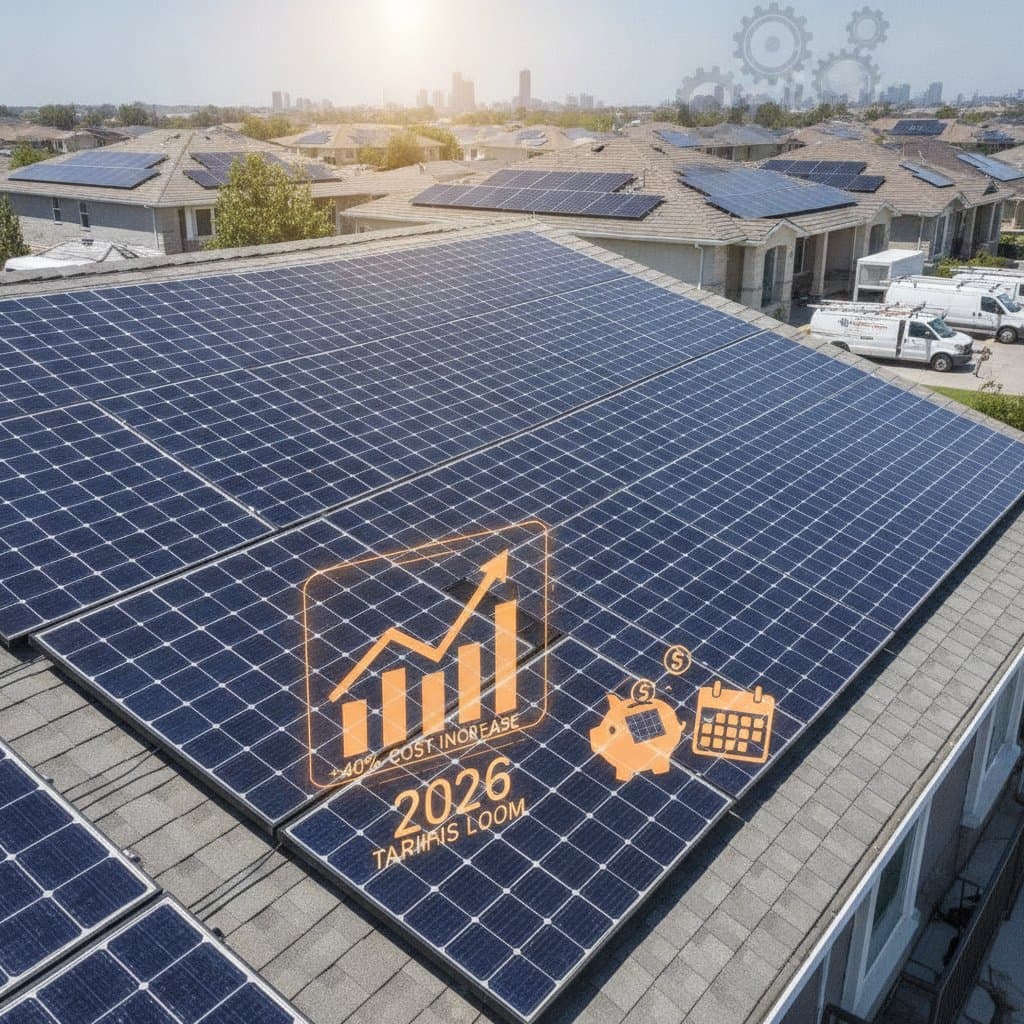
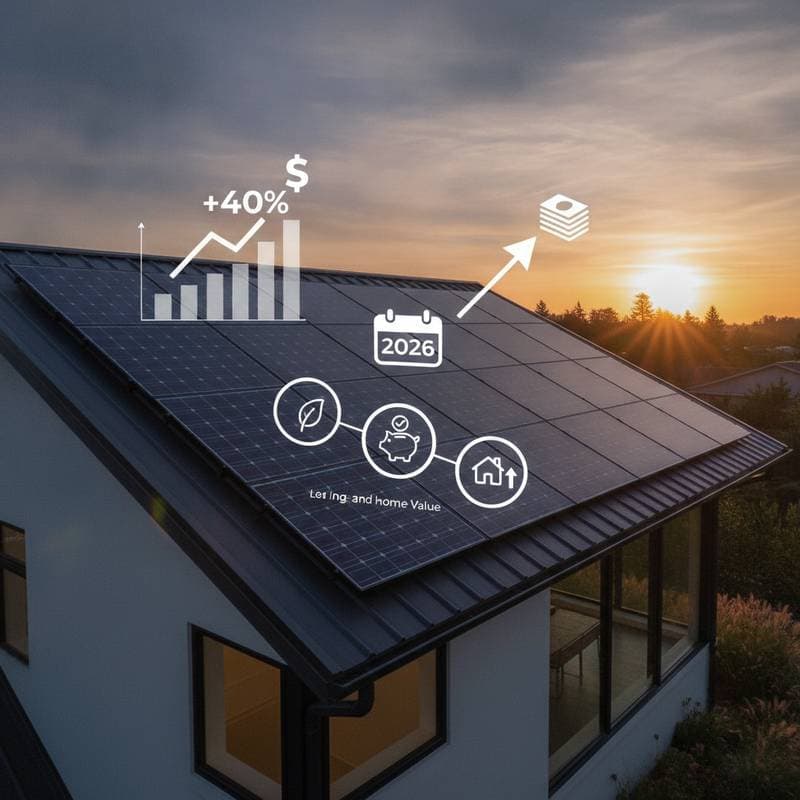
Potential 2026 tariffs may increase solar panel costs by as much as 40 percent and extend system payback periods. This guide outlines the reasons behind the tariffs, their effects on homeowners, and targeted strategies to manage expenses through incentives and efficiency measures.
Upcoming 2026 tariffs could raise solar panel costs by up to 40 percent. This guide explains what drives the price hike, how incentives and smart planning can offset costs, and why solar remains a strong long-term investment despite short-term market shifts.
Upcoming 2026 tariffs may increase solar system costs by hundreds to thousands of dollars and extend payback periods. Homeowners can protect savings by acting before tariffs apply, using federal and state incentives, and confirming panel sourcing. Proper timing and preparation help maintain investment value.
Solar panel prices could surge up to 40 percent when new 2026 tariffs take effect. Homeowners can act now to secure lower costs, faster payback periods, and available incentives before supply strains reshape the market.
Upcoming solar tariffs could alter panel prices and project timelines. Homeowners can limit the impact by requesting clear quotes, locking in contracts early, and confirming incentive eligibility.
New 2026 solar tariffs could raise installation costs for U.S. homeowners, but smart timing and incentives can offset the impact. Understanding how tariffs affect pricing, supply chains, and project planning helps families act early, lock in savings, and still achieve strong long-term returns from clean, reliable solar energy investments.
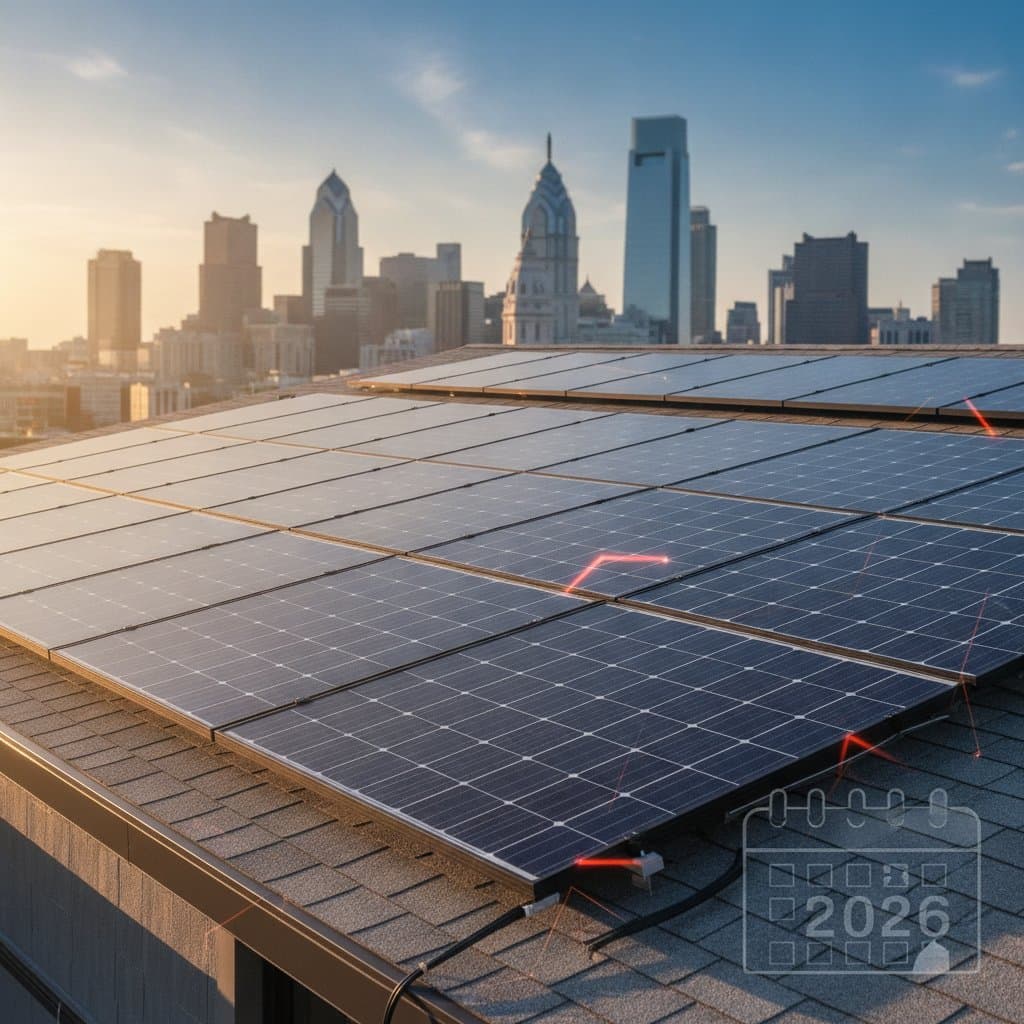
Solar panel prices are projected to rise about 25% by 2026 due to expanded federal tariffs. Philadelphia homeowners can still benefit by acting early, securing current pricing, and leveraging incentives. Despite higher upfront costs, long-term savings, strong sun exposure, and smart planning keep solar a worthwhile investment opportunity.
Solar advancements present homeowners with a 2026 choice between elegant solar shingles and reliable panels. Panels offer higher efficiency and lower costs, while shingles provide integrated style for roof upgrades. Delve into pricing, performance metrics, and investment returns to select the optimal path for sustainable home energy.
2026 tariffs inflate solar panel prices, yet incentives and planning preserve affordability. Homeowners access savings, faster payback, and U.S. manufacturing boosts while adapting to Philadelphia's dynamic energy environment.
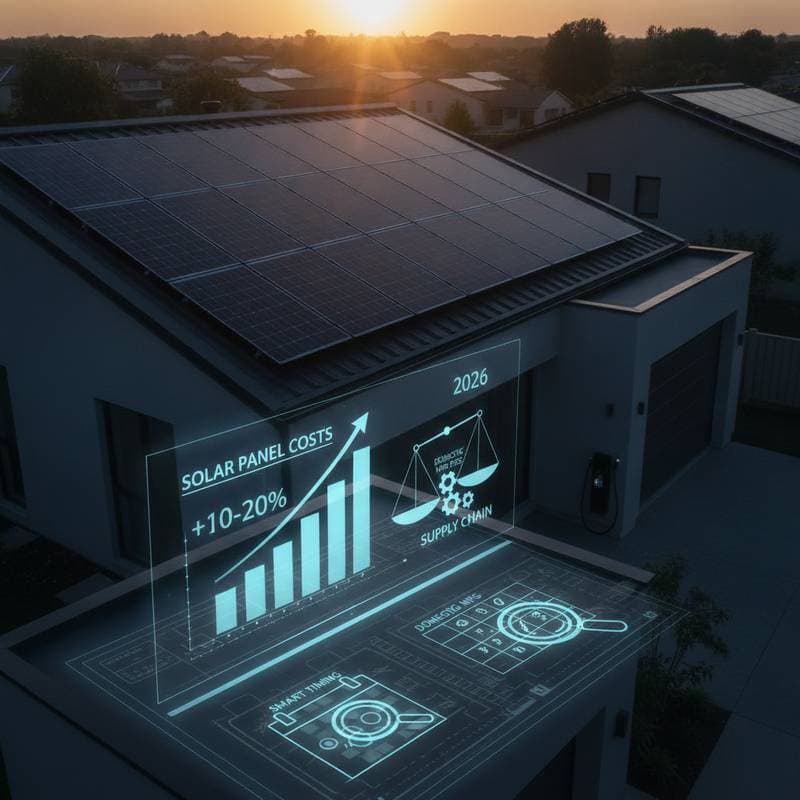
Upcoming 2026 solar tariffs may increase panel prices by as much as 10 percent, yet strategic planning and local incentives can preserve affordability.
Upcoming 2026 tariffs on imported solar panels may elevate installation costs by 5-15%, prolonging payback periods. Homeowners can secure reduced rates through timely action, incentive utilization, and home preparation. Discover how strategic timing, informed selections, and quality focus safeguard solar investments.
Elevate home power management with the SPAN smart electrical panel. By 2026, track every circuit in real time, automate efficiency, and integrate solar, batteries, and EVs for outage resilience and sustainable savings.
Routine DIY maintenance for solar panels enhances output, safeguards warranties, and helps homeowners save over $500 annually. Basic practices such as careful cleaning, thorough inspections, and performance tracking minimize energy losses and avoid expensive fixes. A few dedicated hours each year maintain peak efficiency and deliver sustained financial benefits.
Upcoming 2026 tariffs on solar imports threaten to increase installation costs by $1,500 or more, affecting panels, inverters, racking, and batteries. Homeowners can mitigate risks through savvy sourcing, detailed quotes, and strategic timing to preserve savings and accelerate payback in a shifting global market.
The HEEHRA rebate of up to $8,000 renders electrical panel upgrades accessible, facilitating solar adoption, heat pumps, and EV charging. Modernizing to 200 amps enhances safety, efficiency, and property appeal. Explore how this support drives energy preparedness, cuts expenses, and advances sustainable home living.
Upcoming solar tariffs in 2026 may increase panel prices and extend payback periods slightly, yet incentives and energy savings keep solar investments worthwhile. Explore tariff effects on costs, timing, and U.S. manufacturing, plus strategies for homeowners to secure favorable pricing and optimize returns.
Upcoming tariffs on solar imports are set to elevate equipment and installation costs, introducing market volatility. This overview details tariff mechanics, regional incentives in Philadelphia, and homeowner strategies such as sourcing domestic panels and obtaining itemized quotes to secure cost-effective solar systems.
Upcoming 2026 solar tariffs may increase equipment costs, but federal incentives, domestic manufacturing growth, and efficiency strategies ensure solar remains a cost-effective choice.