
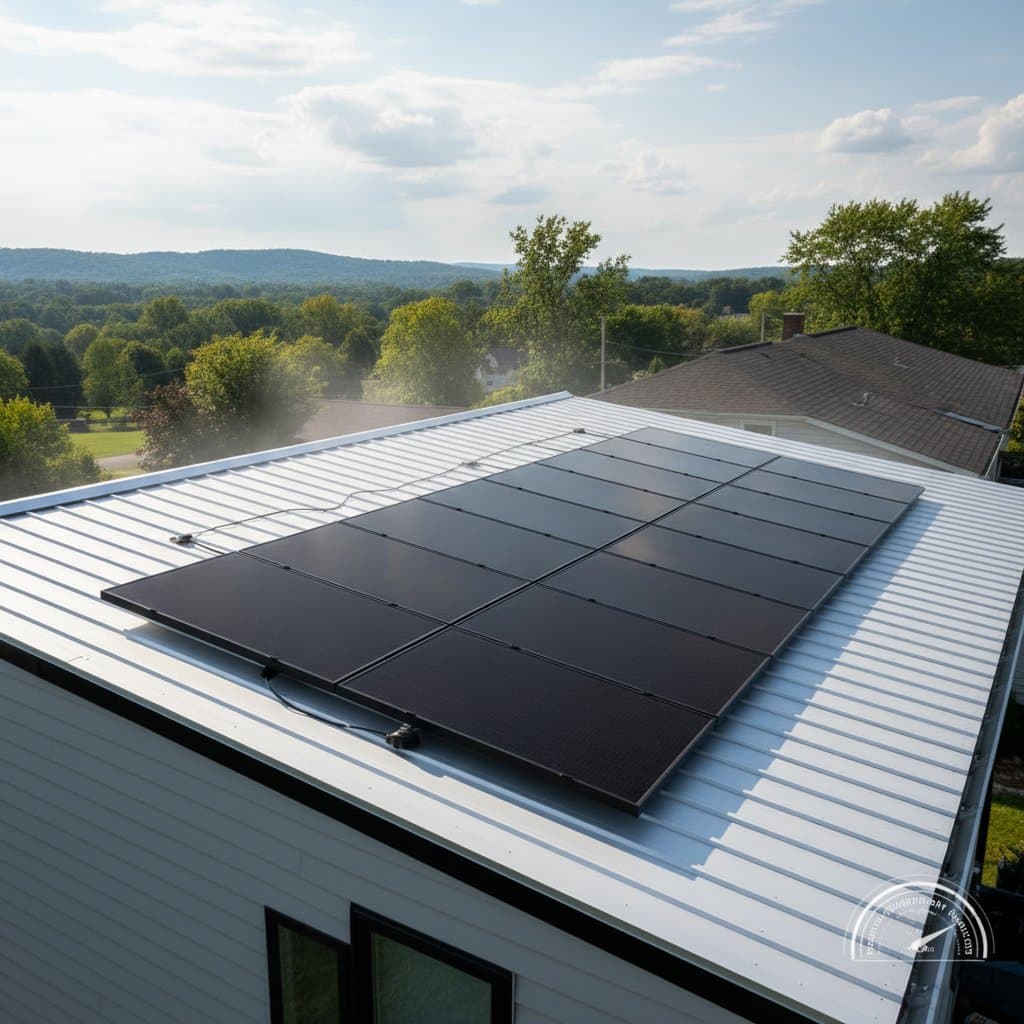
Combine Cool Roofs and Solar for Substantial 2026 Tax Savings
Homeowners in Pennsylvania seek effective strategies to lower energy expenses, minimize heat accumulation, and access significant tax incentives. Integrating cool roof technology with solar panels addresses these goals directly. This approach enhances overall efficiency, reduces summer cooling costs, and qualifies for federal and state incentives totaling up to $18,000. The following sections detail the synergy between these systems, installation considerations, and professional involvement required for success.
Understanding Cool Roofs and Their Role with Solar
Cool roofs reflect a higher percentage of sunlight and absorb minimal heat compared to traditional dark surfaces. This feature leads to cooler attics and indoor spaces, decreasing reliance on air conditioning. In Philadelphia's humid climate, such roofs can lower attic temperatures by 10 to 20 degrees Fahrenheit.
Materials include reflective coatings, white thermoplastic membranes, or light-colored shingles certified by the Cool Roof Rating Council. These options maintain their properties over time, contributing to energy savings. When paired with solar panels, cool roofs prevent excessive heat buildup that impairs photovoltaic performance.
Excess heat causes solar panels to lose efficiency, with output declining by about 0.5% per degree above 77 degrees Fahrenheit. A cool roof keeps panel surfaces closer to optimal temperatures, preserving rated capacity. This combination not only boosts energy production but also prolongs the durability of both the roof and panels, maximizing long-term financial benefits.
Essential Inspections Before Installation
Prior to proceeding, verify the roof's integrity to support added weight and weather exposure. Engage a licensed roofer to examine flashing, underlayment, and decking for signs of damage. Address any leaks, sagging sections, or soft areas through targeted repairs to avoid future complications.
Electrical assessments demand equal attention. Solar installations require integration into a dedicated circuit equipped with appropriate overcurrent protection. A licensed electrician must review the service panel's capacity and confirm adherence to the National Electrical Code.
Correct any outdated elements, such as aluminum branch wiring or ungrounded outlets, prior to connecting solar components. These steps ensure safe operation and compliance with local regulations.
Key Components in an Integrated System
An effective cool roof and solar setup incorporates these elements:
- Reflective roofing surface or coating certified by the Cool Roof Rating Council
- Residential-grade solar photovoltaic modules
- Weather-resistant roof mounts with sealed fasteners
- Inverter for converting direct current to alternating current
- Grounding and bonding conductors for electrical safety
- Performance monitoring tools for ongoing evaluation
For low-slope roofs, opt for white thermoplastic membranes that provide seamless reflectivity. Pitched roofs benefit from cool-rated asphalt shingles or standing-seam metal panels. Select mounting systems that promote airflow under panels, preventing heat pockets and enhancing ventilation.
Step-by-Step Project Planning
Approach the project methodically to achieve seamless integration.
- Conduct a professional roof assessment to confirm structural suitability for upgrades.
- Review permit requirements through Philadelphia's Department of Licenses and Inspections, which differ by roof configuration and location.
- Analyze household energy consumption with a solar specialist to determine system scale.
- Choose materials bearing Energy Star certification or comparable energy-efficiency ratings.
- Sequence installations by completing the roof work first, followed by solar mounting within the same permitting period.
This order minimizes disruptions and positions the project for optimal incentive qualification.
Navigating Tax Incentives
The federal Investment Tax Credit reimburses a portion of costs for solar equipment and qualifying energy-efficient roofing. Roofs that support solar installations may include expenses for the area beneath panels in the credit calculation. Pennsylvania state programs offer additional rebates for reflective materials meeting established energy criteria.
Layering these benefits can yield savings approaching $18,000 for a typical residential setup. Factors influencing the total include system dimensions, installation expenses, and individual tax situations. Consult a tax advisor to confirm eligibility and prepare accurate documentation.
Prioritizing Safety During Installation
Roof work presents risks including falls, electrical shocks, and structural failures. Implement these precautions:
- Employ fall arrest systems and secure ladders for all elevated tasks.
- De-energize electrical sources before manipulating any wiring.
- Avoid handling wet panels or metal components to prevent slips or shorts.
- Verify circuit status with a non-contact voltage tester prior to proceeding.
- Secure connections using a torque wrench calibrated to manufacturer guidelines.
Inadequate sealing around penetrations invites water intrusion, while faulty wiring poses fire risks. Halt operations if overheating, loose fittings, or breaker trips occur, and summon a licensed electrician immediately.
Quantifiable Advantages of the Pairing
This integrated approach delivers tangible improvements:
- Reduced roof temperatures by more than 50 degrees Fahrenheit relative to dark asphalt shingles.
- Enhanced solar panel efficiency through sustained optimal operating conditions.
- Prolonged lifespan of materials via minimized thermal expansion and contraction.
- Decreased air conditioning demands, leading to lower utility expenses.
Research from the Lawrence Berkeley National Laboratory indicates cool roofs cut peak cooling needs by up to 20% in hot climates. Adding solar panels amplifies these savings, potentially exceeding 25% in overall energy cost reductions for Pennsylvania homes.
Ongoing Maintenance Protocols
Sustain system performance through regular upkeep. Clear debris like leaves from the roof surface to prevent heat retention or water pooling. Annually examine seals around mounts and flashing for deterioration.
Clean reflective areas gently with a garden hose; avoid high-pressure methods that could damage coatings. For solar panels, use soft cloths and lukewarm water only after they have cooled completely.
Schedule electrician reviews of wiring, grounding, and inverters every three years. Roofers should evaluate material integrity during these intervals. Opt for remote inspections via binoculars on hazardous days, such as those with rain or ice.
Ensuring Seamless Professional Collaboration
Success hinges on synchronized efforts among specialists. Roofers prepare the structure and apply waterproofing layers. Solar installers position panels and related hardware. Electricians finalize connections and conduct safety tests.
Each phase requires inspection approval before advancing. Verify that all professionals maintain current Pennsylvania licenses and adequate insurance coverage. Obtain material specifications from suppliers and retain all invoices and reports for tax purposes.
Taking Action to Upgrade Your Home
Start by arranging a comprehensive roof inspection. If replacement looms, prioritize reflective materials to lay the groundwork for solar integration. Solicit bids from vetted roofers and solar experts experienced in joint installations.
Inquire about extended warranties covering the combined setup. This proactive path secures energy independence, comfort, and fiscal advantages tailored to your property.