
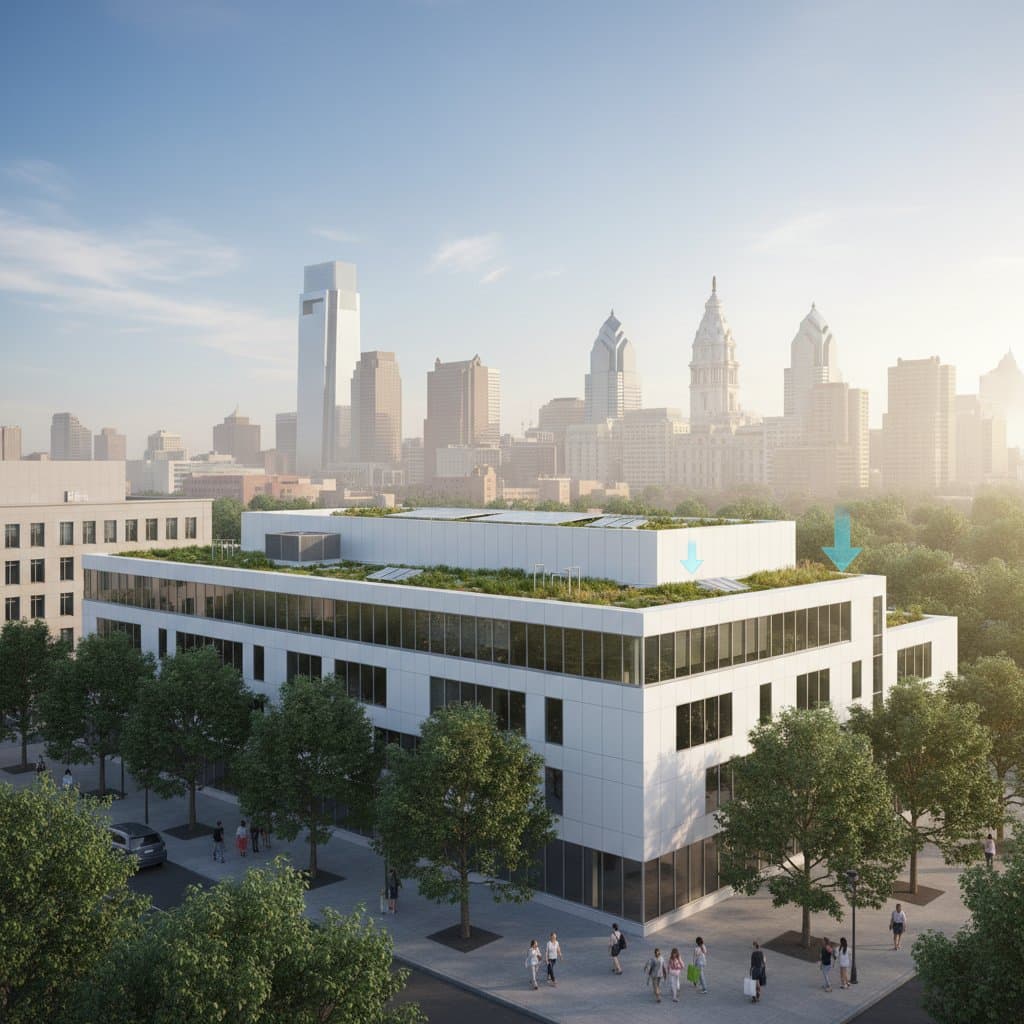
Philadelphia's New Cool Roof Standards Reduce Cooling Costs by Up to 40 Percent
Philadelphia homeowners now encounter updated building codes designed to combat summer heat, decrease reliance on air conditioning, and prolong roof durability. These regulations target new roof installations and substantial replacements on residential properties and low-slope roofs. By mandating reflective roofing materials, the standards maintain lower indoor temperatures and achieve cooling cost reductions of up to 40 percent.
The Importance of Cool Roofs
Conventional dark shingles capture sunlight and retain heat, elevating attic temperatures and compelling air conditioning units to operate extended periods. Cool roofs incorporate light-colored, reflective surfaces that deflect solar rays back toward the sky. Consequently, roof surfaces stay cooler, minimizing heat infiltration into occupied areas and easing the burden on heating, ventilation, and air conditioning systems.
Studies by the U.S. Department of Energy indicate that reflective shingles lower surface temperatures by as much as 50 degrees Fahrenheit relative to traditional asphalt varieties. Such reductions translate to lower energy expenses during intense cooling seasons. In urban settings like Philadelphia, broad implementation of these roofs mitigates the urban heat island phenomenon, which sustains elevated nighttime temperatures across the city.
Essential Safety Measures for Roof Work
Roof projects present significant dangers, including falls and contact with electrical lines. Individuals without appropriate equipment or expertise should avoid ascending roofs entirely. When power lines approach the roof perimeter, maintain distance and notify the utility company prior to commencing any activity. Engage a licensed roofing professional for tasks involving structural modifications, electrical rerouting, or extensive flashing repairs.
Verify compliance with local ordinances before dismantling or substituting current roofing layers. The Philadelphia Department of Licenses and Inspections oversees adherence to cool roof provisions via permit evaluations and inspections after completion.
Key Requirements Under the Regulations
Philadelphia's codes specify cool roofs based on solar reflectance and thermal emittance properties, detailed on labels certified by the Cool Roof Rating Council. Materials qualify only if they satisfy established thresholds for these attributes. Eligible options encompass:
- White or pale reflective shingles
- Single-ply membranes exhibiting superior reflectivity
- Metal panels coated with infrared-reflective compounds
- Elastomeric coatings suitable for application over pre-existing roofs
For low-slope roofs, additional mandates include insulation levels aligned with regional energy standards. This integration ensures reflective elements pair effectively with thermal barriers to block heat entry into the structure.
Preparation Checklist for Homeowners
- Examine the current roof for signs of leaks, deteriorated decking, or water damage; address all issues prior to installing reflective components.
- Verify that selected materials carry certifications meeting cool roof benchmarks.
- Obtain necessary permits from city authorities before initiating the project.
- Choose Pennsylvania-licensed contractors who demonstrate experience with cool roof applications.
- Request and retain documentation, including product specifications and installation warranties, upon project completion.
Anticipated Advantages and Outcomes
Switching to reflective shingles typically yields attic temperature decreases of 15 to 20 degrees Fahrenheit. These changes reduce air conditioner runtime, yielding tangible reductions in energy consumption. Furthermore, cool roofs enhance material longevity by limiting thermal cycling, which otherwise leads to cracks and loss of protective granules.
Beyond savings, these roofs elevate living conditions by keeping upper-level rooms cooler without adjustments to cooling settings. In multi-unit buildings, they promote even temperature distribution across spaces, enhancing occupant contentment.
Pitfalls to Steer Clear Of
Select coatings backed by reliable testing to prevent rapid deterioration or flaking. Ensure adequate attic airflow, as poor ventilation can retain heat even with reflective coverings. Integrate insulation enhancements to support overall roof efficacy. Properly seal all roof penetrations to avert water intrusion and subsequent mold development.
Neglecting these elements diminishes the effectiveness of cool roof investments. Combine reflective technologies with established construction principles for optimal results.
Taking Action on Your Roof Upgrade
Arrange an assessment with a certified roofer versed in Philadelphia's cool roof guidelines. Solicit detailed quotes contrasting conventional shingles against reflective alternatives, including how each complies with reflectance and emittance standards.
For aging residences, evaluate combining cool roofs with attic insulation or radiant barriers to amplify performance. If solar panels feature in your plans, address compatibility concerns during initial consultations.
Adhering to certified materials, securing permits, and employing skilled installers enables Philadelphia residents to realize sustained energy savings, diminished cooling expenses, and contributions to cooler community environments.