
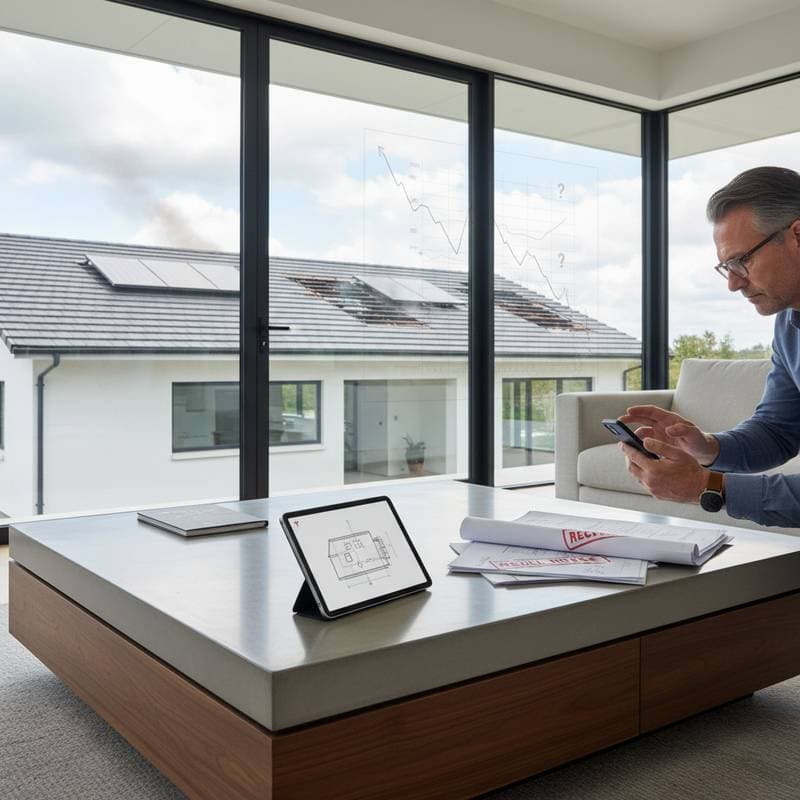
The 2025 GAF Solar Shingle Recall: Uncovering Key Issues
Solar shingles offer an elegant solution for generating clean energy while maintaining a streamlined roof appearance. Homeowners appreciate the seamless integration that avoids the visual bulk of traditional panels. However, recent developments with GAF solar shingles have sparked concerns regarding reliability, safety, and warranty protections. This recall prompts essential questions about system performance and steps to secure investments.
GAF Energy launched its solar shingles to unite roofing materials with photovoltaic technology in a single installation. The approach aimed to streamline the process of roof upgrades and solar adoption, potentially lowering overall expenses. Initial enthusiasm surrounded the product's aesthetic and functional benefits. Field experiences soon surfaced persistent challenges that necessitated a formal recall.
Core Problems Identified in GAF Solar Shingles
The recall focuses on multiple documented failures. Overheating occurs frequently at electrical junctions, leading to accelerated component wear. Instances of surface discoloration and premature material breakdown indicate inadequate resistance to environmental stressors like heat and humidity.
A solar roofing system performs dual critical functions: it repels water to protect the structure below and absorbs sunlight for energy conversion. Failure in waterproofing or thermal management undermines the entire assembly. Installers have observed overly constrained wiring harnesses that develop tension over time, contributing to connection failures. Inadequate sealing of membranes and flashing permits gradual water intrusion, which may compromise underlying decking and structural integrity.
GAF Energy responded promptly with investigations, yet the recall underscores the intricacies of hybrid solar-roofing designs. Engineers must account for electrical efficiency, material expansion under heat, and adherence to rigorous building codes. A single vulnerability can propagate failures throughout the system, affecting both power output and roof durability.
Mechanics of Integrated Solar Roofing Systems
Grasping the operational principles clarifies the vulnerabilities. Individual shingles embed photovoltaic cells that transform sunlight into direct current electricity. These units interconnect via low-voltage wiring harnesses, which feed into a central inverter that converts the current to alternating current suitable for home appliances.
Conventional solar arrays mount above a completed roof, allowing natural airflow to dissipate heat from modules and connections. Flush-mounted solar shingles, by contrast, adhere directly to the surface, restricting ventilation. Prolonged exposure to intense sunlight exacerbates heat retention, particularly if junctions lack robust thermal safeguards. Such conditions accelerate degradation and increase the likelihood of malfunctions.
Financial and Efficiency Consequences
A properly operating solar roof delivers dependable returns. Consider a 7-kilowatt installation generating approximately 1,300 kilowatt-hours per kilowatt annually, resulting in around 9,100 kilowatt-hours per year. With electricity costs averaging 18 cents per kilowatt-hour, owners realize about 1,640 dollars in yearly savings. Federal incentives and state rebates often shorten the return on investment to 8 through 12 years.
The recall disrupts these projections significantly. Removing defective shingles and reinstalling them incurs substantial labor fees, potentially exceeding several thousand dollars. Although warranties may cover replacement materials, the associated downtime for assessments and repairs halts energy production for extended periods, amplifying indirect costs.
Navigating Warranties and Installation Hurdles
Solar shingle warranties extend beyond typical roofing protections to encompass electrical output and weatherproofing. Shared accountability between manufacturers and installers complicates resolution, often leading to prolonged disputes over repair obligations. Delays in scheduling evaluations or processing claims frustrate many affected parties.
Professionals advise maintaining comprehensive records of the installation, such as component serial numbers, wiring schematics, and certification documents. These records substantiate adherence to guidelines during warranty disputes, streamlining the claims process.
Immediate Actions for Current GAF Solar Roof Owners
Owners of GAF solar roofs should review registration details and warranty paperwork immediately. Reach out to the original installer or GAF Energy to verify if the installed units fall within the recalled batches. Avoid any self-initiated disassembly or disconnection, as these actions risk voiding coverage and pose safety hazards.
Engage a certified solar professional for a thorough examination using specialized tools and protocols. This inspection identifies issues early, preventing escalation into major structural or electrical problems.
Guidance for Prospective Solar Roof Adopters
Those planning a solar roof installation can draw valuable lessons from this recall. Inquire about third-party validations, certifications from bodies like UL or ETL, and real-world performance metrics from similar climates. Demand written specifications on expected degradation over time and energy yields.
Prioritize warranties that delineate responsibilities for roofing integrity and power generation explicitly. Select installers with proven track records, verified through client testimonials and project portfolios.
Future Directions in Solar Roofing Technology
The concept of integrated solar roofing holds substantial promise for sustainable home design. Manufacturers persist in advancing prototypes to enhance durability and efficiency. Insights from the GAF recall emphasize the importance of stringent quality assurance, superior heat dissipation, and precise installation techniques.
Emerging designs incorporate improved heat-conducting materials, resilient connectors, and modular components for simplified maintenance. Homeowners benefit from selecting vetted providers experienced in local conditions. References to past installations and visual documentation of outcomes aid informed decisions.
A meticulously executed solar roof endures for decades, provided all elements satisfy intersecting electrical and construction criteria.
Essential Maintenance Practices
Annual professional inspections ensure ongoing system reliability. Technicians evaluate wiring integrity, sealant effectiveness, and inverter functionality during these visits. Clear the roof of accumulated debris to minimize shading and thermal accumulation.
Track energy production via monitoring software or dashboards. Promptly address any sudden declines in output by consulting the installer, averting small concerns from evolving into expensive overhauls.
Frequently Asked Questions
What triggered the 2025 GAF solar shingle recall?
The recall stems from reports of overheating at connections, material degradation, and sealing failures that permit leaks. These issues compromise both energy generation and roof protection, prompting GAF to initiate a safety review.
Does the recall affect all GAF solar shingle installations?
No, only specific production batches are involved. Contact GAF Energy with your serial numbers to confirm eligibility for inspection or replacement.
How much might repairs cost if my shingles are recalled?
Material replacements fall under warranty, but labor and downtime could add thousands. Document everything to expedite claims and minimize out-of-pocket expenses.
Can I install solar shingles after this recall?
Yes, with caution. Verify updated designs, certifications, and installer expertise to avoid similar pitfalls.
What maintenance routine do solar roofs require?
Perform yearly professional checks, monitor output regularly, and keep the surface clear. Early detection preserves performance and extends lifespan.