
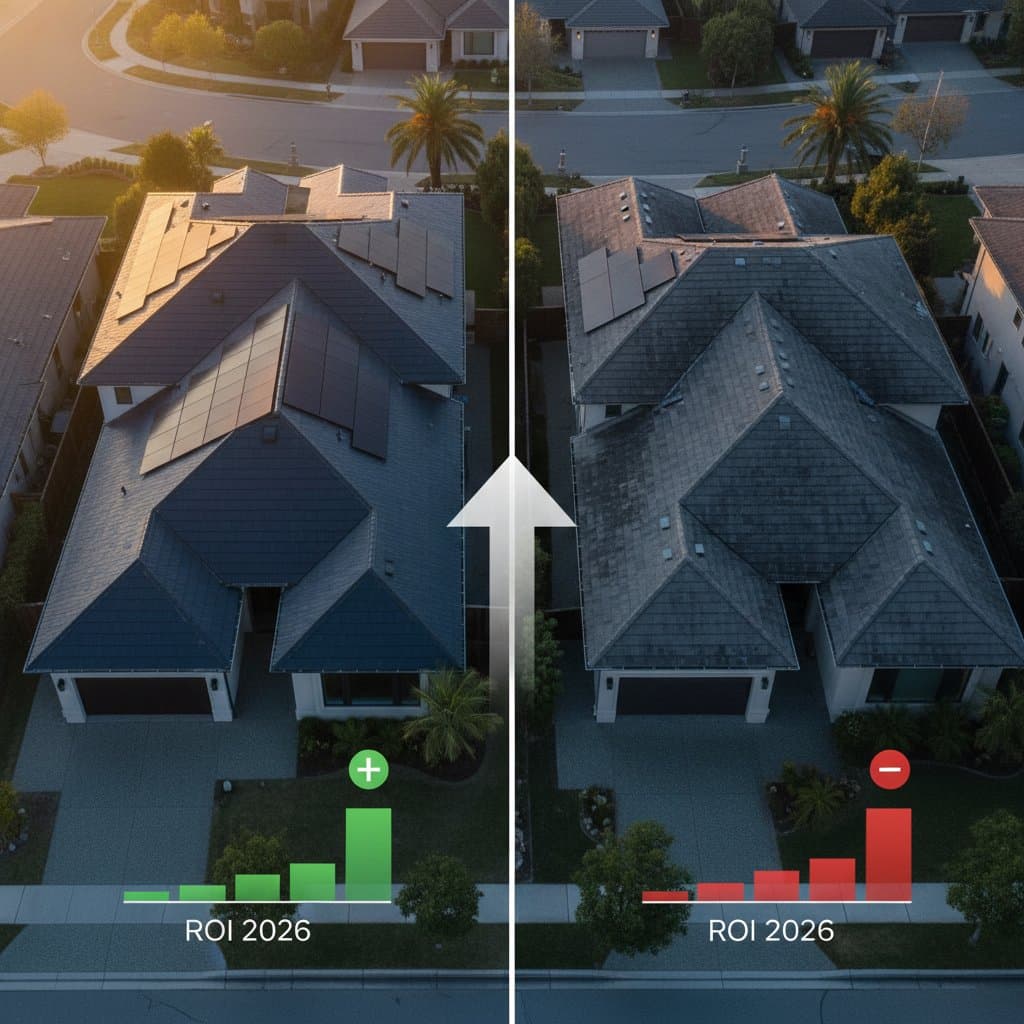
Solar Roof Tiles Outperform Asphalt in ROI by 2026
Homeowners in the Philadelphia area increasingly weigh traditional asphalt shingles against innovative solar roof tiles. The focus has evolved from basic solar viability to identifying the roofing option that maximizes long-term financial gains. Recent energy audits and detailed cost analyses reveal that solar roof tiles now equal, and often exceed, the economic outcomes of conventional asphalt setups.
The Role of Roof Type in Energy Efficiency and Payback
A roof serves as more than a shield against the elements. It influences insulation effectiveness, overall energy use, and ongoing maintenance expenses. Asphalt shingles dominate due to their low upfront costs, yet they contribute nothing to energy production. Solar roof tiles, however, integrate photovoltaic technology directly into the roofing material, generating power while fulfilling structural duties. This combination fundamentally alters the financial landscape.
Installing a new roof alongside a separate solar array means tackling two distinct, expensive endeavors. Solar tiles consolidate these into a single, streamlined project. Consequently, payback periods shorten, and home values appreciate more substantially. Experts from the National Renewable Energy Laboratory note that when a roof replacement coincides with solar needs, integrated systems recover costs more rapidly than standalone panels.
Key Aspects of Installation and System Integration
Solar roof tiles resemble high-end architectural shingles, featuring embedded photovoltaic cells beneath durable tempered glass. Individual tiles link into a low-voltage circuit that connects to an inverter, which transforms direct current into alternating current for household use. The setup integrates with the home's electrical panel via a dedicated disconnect, breaker, and monitoring tool.
Only a licensed electrician should manage electrical connections, grounding procedures, and final testing. Homeowners must avoid accessing junction boxes or inverter enclosures to prevent hazards. Prior to starting work, verify the contractor holds certifications in both roofing and electrical trades. In Philadelphia, secure permits for structural modifications and electrical components; inspections ensure compliance before energizing the system.
Detailed Cost Analysis and ROI Breakdown
Asphalt shingles may seem budget-friendly initially, but they generate no revenue to offset expenses. These roofs typically last 20 to 30 years, with material prices escalating at each renewal. Solar roof tiles demand a greater initial outlay, yet they produce consistent monthly utility savings. Incorporating regional solar rebates, net metering benefits, and deferred roof replacement expenses tips the scales decisively in their favor.
Analyses by energy economists project annual returns of 4 to 6 percent for integrated solar roofs in regions with moderate sunlight. This yield strengthens with escalating electricity rates or optimal south-facing orientations. In contrast, asphalt roofs incur repeated costs without any financial upside.
To illustrate, consider a standard 2,000-square-foot Philadelphia home. An asphalt roof might cost $10,000 to $15,000, with no energy offset. A comparable solar tile installation, around $50,000 to $70,000 before incentives, could save $1,500 annually in electricity, achieving breakeven in 10 to 15 years while adding $20,000 or more to resale value.
Durability and Long-Term Performance
Engineered for resilience, solar roof tiles withstand hail, high winds, and thermal fluctuations that accelerate asphalt deterioration. The tempered glass exterior resists impacts, discoloration, and degradation. As a unified structure, these tiles minimize roof penetrations, reducing leak potential compared to traditional setups with added solar panels.
Products like the Tesla Solar Roof achieve fire resistance and impact ratings that match or exceed those of top-tier shingles. Energy output remains reliable over time; although tiles experience gradual efficiency decline of about 0.5 percent per year, this pales against the rapid loss of asphalt's reflective and sealing properties.
Everyday Maintenance and System Oversight
Advanced solar roof installations feature user-friendly online dashboards for tracking output, detecting issues, and calculating savings. Basic upkeep includes periodic visual checks, clearing debris like leaves, and gentle cleaning with soap and water. Deactivate the system prior to any washing to ensure safety. Avoid walking on the tiles, as foot traffic risks warranty invalidation or subtle damage.
Should output falter abruptly or alerts indicate inverter problems, contact a qualified electrician or the original installer promptly. Refrain from diagnosing or repairing energized components yourself.
Broader Environmental Benefits and Market Trends
Transitioning from asphalt to solar tiles diminishes landfill contributions and curbs greenhouse gas emissions. Asphalt, derived from petroleum, poses recycling challenges, whereas solar tiles support decades of renewable energy production. Local real estate professionals observe that Philadelphia properties equipped with solar-integrated roofs attract quicker offers and command premiums, appealing to buyers seeking reduced bills and contemporary aesthetics.
Practical Steps to Evaluate and Install Solar Roof Tiles
Start by assessing your roof's current age, pitch, and shading patterns to determine suitability. Obtain detailed proposals from a minimum of two vetted solar roofing specialists. Inquire about their electrical licenses, roofing credentials, and adherence to UL and ASTM standards for the tiles.
View a solar roof tile installation as a comprehensive upgrade involving structural and electrical elements. Professional engineering and strict code observance are essential. Executed properly, it provides robust protection from weather, reliable power generation, and investment returns that outpace asphalt alternatives by a wide margin.