
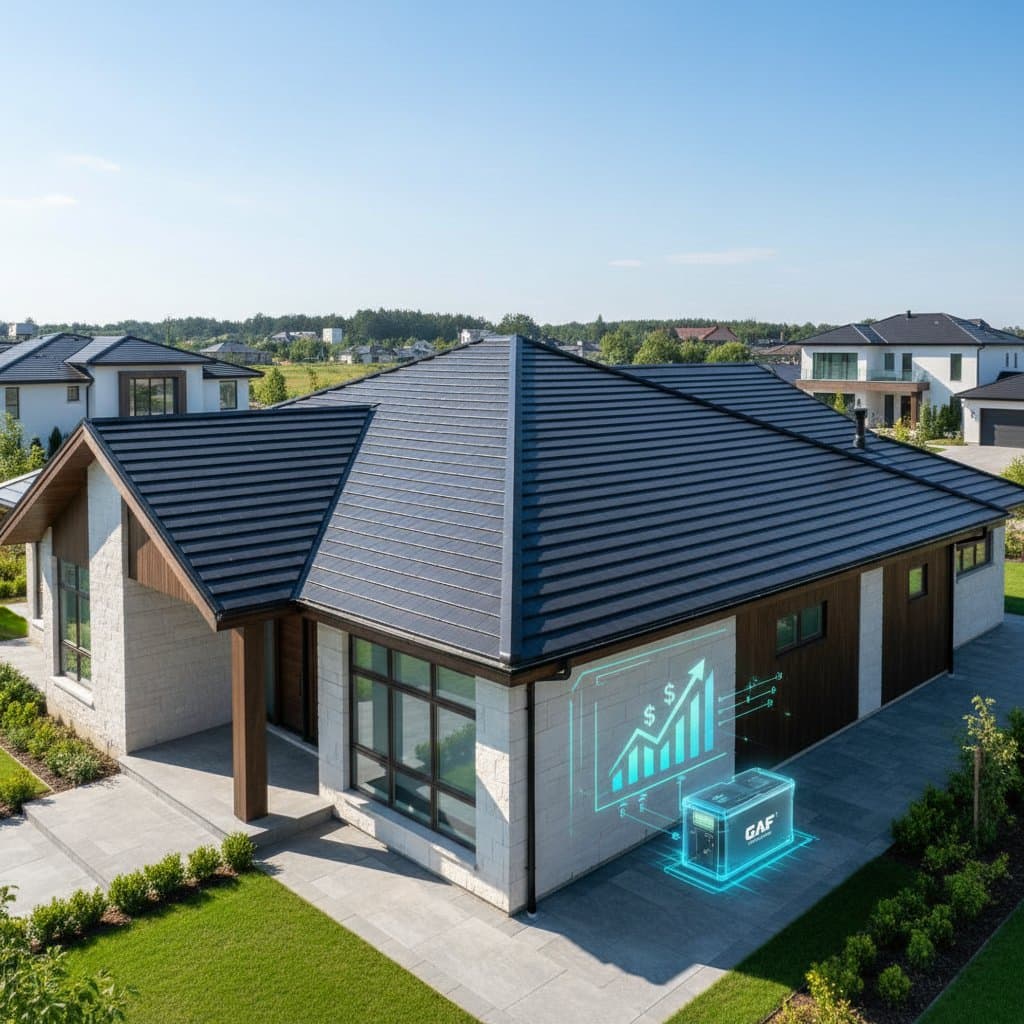
GAF Solar Shingles: Worth the 2025 Premium Price?
Understanding GAF Solar Shingles
GAF Solar Shingles represent an innovative fusion of roofing materials and photovoltaic technology. These shingles integrate solar cells directly into the roof surface, providing energy generation without the need for bulky panels. Homeowners benefit from a seamless aesthetic that maintains the home's architectural integrity while harnessing renewable energy.
This product line from GAF, a leader in roofing solutions, targets properties requiring both roof replacement and solar adoption. Installation occurs alongside traditional shingling, ensuring durability comparable to standard asphalt roofs. The result offers a dual-purpose solution that enhances property value and reduces utility dependence.
Key Features and Technology
GAF Solar Shingles utilize thin-film solar technology embedded within impact-resistant shingles. Each shingle generates electricity through sunlight absorption, connecting via a proprietary wiring system to an inverter for home use. Efficiency ratings reach up to 18 percent, competitive with many panel systems, though coverage depends on roof size and orientation.
Durability stands out, with a 25-year warranty on both roofing and energy production. The shingles resist hail, wind, and UV exposure, matching or exceeding conventional roof lifespans. Integration with smart home systems allows monitoring of energy output through apps, optimizing consumption patterns.
Cost Analysis for 2025
In 2025, installing GAF Solar Shingles costs between $40,000 and $80,000 for an average-sized home, depending on roof square footage and location. This premium arises from specialized materials and labor, averaging $15 to $25 per square foot installed. Compare this to traditional solar panels at $10 to $20 per square foot, plus separate roofing expenses of $5 to $10 per square foot.
Financing options include loans with low interest rates and leases that spread payments over time. Federal incentives, such as the 30 percent tax credit under the Inflation Reduction Act, reduce net costs significantly. State rebates in areas like Pennsylvania further lower the barrier, potentially saving $12,000 to $24,000 upfront.
Efficiency and Performance Metrics
GAF Solar Shingles deliver consistent performance in varied climates, producing 200 to 400 watts per shingle string. Annual output for a 2,000-square-foot roof might yield 5,000 to 8,000 kilowatt-hours, offsetting 50 to 80 percent of household electricity needs. Factors like shading and tilt influence results, but built-in microinverters mitigate losses from partial obstructions.
Real-world data from installations shows a 1 to 2 percent annual degradation rate, slower than some competitors. In sunny regions, payback periods shorten to 7 to 10 years, while cloudier areas extend to 12 years. Maintenance remains minimal, limited to occasional cleaning and inspections during routine roof checks.
Return on Investment Considerations
The ROI for GAF Solar Shingles hinges on energy savings, incentives, and property appreciation. Homeowners recoup investments through reduced bills averaging $1,000 to $2,000 annually, plus net metering credits for excess power. Over 25 years, total savings could exceed $50,000, yielding a 5 to 8 percent annual return.
Resale value increases by 3 to 4 percent in solar-friendly markets, according to industry studies. Insurance premiums may decrease due to energy resilience during outages. For roofs over 15 years old, combining replacement with solar installation avoids double labor costs, amplifying financial benefits.
Comparing to Traditional Solar Panels
Traditional panels mount atop existing roofs, offering higher efficiency up to 22 percent but requiring racking systems that add weight and wind vulnerability. GAF Shingles eliminate these, providing a lighter, integrated option ideal for historic or design-focused homes. However, panels scale easier for larger arrays, potentially generating more power per dollar.
Aesthetic preferences favor shingles in neighborhoods with strict guidelines, avoiding visual clutter. Installation disrupts less, as shingles replace the roof in one process. Long-term, both options perform reliably, but shingles excel in holistic roof upgrades.
Installation Process and Timeline
Professional installation begins with a site assessment to evaluate roof condition and solar potential. Certified GAF contractors handle permitting and design, ensuring compliance with local codes. The process spans 1 to 3 days for most homes, minimizing household disruption.
Post-installation, system activation connects to the grid, with monitoring setup for performance tracking. Homeowners receive training on usage and maintenance. Choose installers experienced in integrated solar to avoid common pitfalls like improper sealing.
Incentives and Financing Options
Beyond federal tax credits, programs like Pennsylvania's Solar Renewable Energy Certificates provide additional income for generated power. Low-income households qualify for grants covering up to 50 percent of costs. Solar loans from banks offer terms up to 20 years at rates under 4 percent.
Leasing or power purchase agreements allow zero upfront costs, with payments based on energy produced. Evaluate total ownership versus third-party models to match financial goals. Consult advisors to maximize available rebates.
Is the Premium Worth It in 2025?
For homeowners replacing roofs anyway, GAF Solar Shingles deliver unmatched value through integration and aesthetics. The 2025 premium justifies itself via long-term savings and incentives, especially in high-energy-cost areas. Assess your roof age, budget, and energy needs to determine fit.
This solution positions properties for future energy independence, blending practicality with innovation. Contact local experts for personalized quotes to explore viability.