
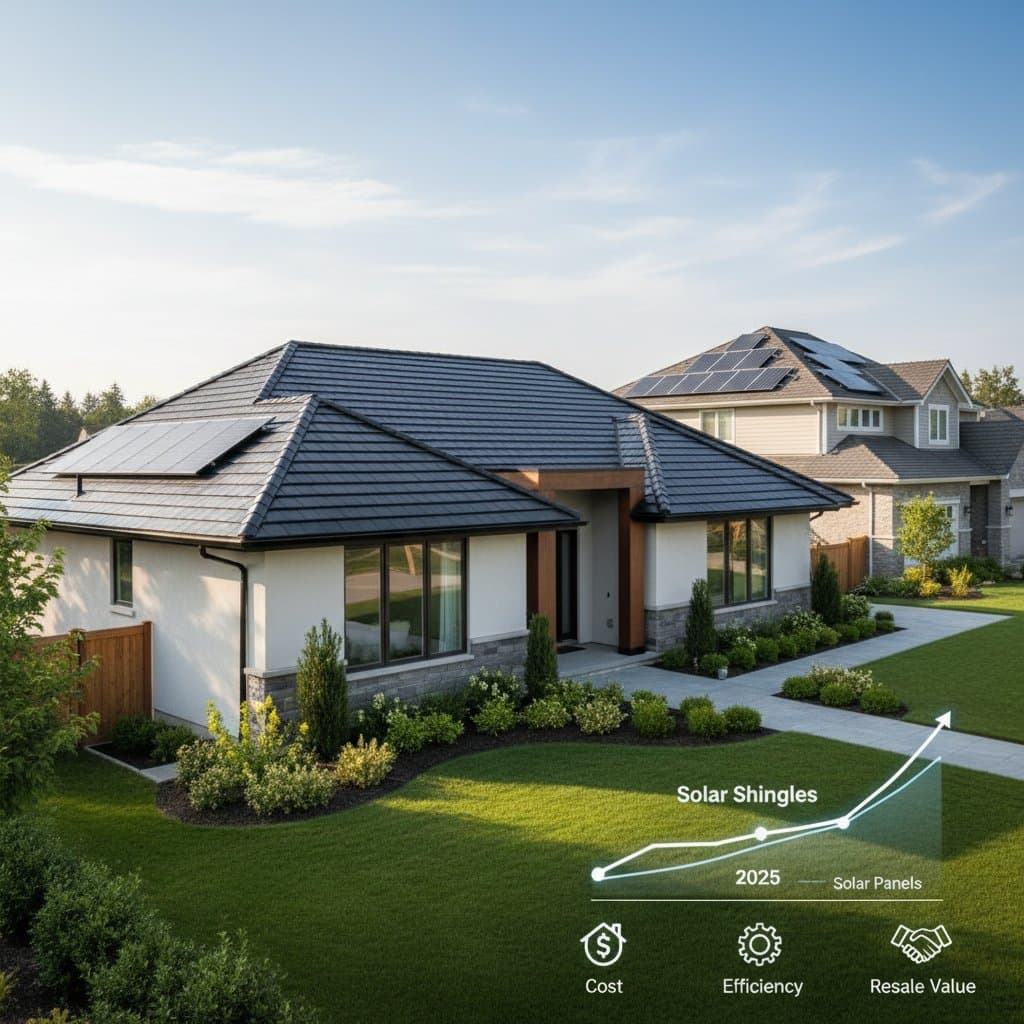
Understanding Solar Shingles ROI in 2025
Homeowners in Philadelphia increasingly inquire whether solar shingles can deliver superior returns compared to traditional solar panels. Recent data on installation expenses, energy efficiency, and seamless roof integration indicate that solar shingles are rapidly narrowing this divide. Beyond mere electricity generation, considerations now encompass overall home valuation, roof longevity, and sustained financial benefits.
This resource examines authentic ROI components, identifies drivers of cost variations, and highlights areas where shingles gain an advantage. It further outlines scenarios for engaging licensed electricians or roofers to handle design and permitting processes.
Key ROI Comparison: Solar Shingles Versus Traditional Panels
ROI hinges on comprehensive installed expenses, energy production levels, upkeep requirements, and potential resale premiums. Solar shingles previously lagged due to elevated material and labor demands. Current 2025 figures demonstrate a much closer contest.
Installation Expenses
Solar shingles typically incur total installation costs 10 to 15 percent above those for a complete roof replacement combined with a panel array. Traditional panels benefit from reduced hardware pricing, yet they necessitate mounting racks, roof penetrations, and occasional compromises on visual harmony.
In cases where roof replacement becomes necessary, solar shingles frequently emerge as the more economical option by merging both needs into one project. For homes with recently installed roofs, panels continue to present a lower initial outlay.
Longevity and Structural Resilience
Solar shingles align with high-end roofing products in terms of expected service life. Leading systems include 25-year performance guarantees and withstand impacts from hail alongside high wind forces. Their flush mounting to the roof surface minimizes uplift risks during severe weather, unlike elevated panels.
Engage a certified roofing specialist to evaluate the underlying deck structure and ensure proper flashing integration prior to proceeding. Inadequate sealing risks invalidating warranties for both the roofing and electrical components.
Upkeep and Operational Efficiency
Routine cleaning and assessments parallel those for panel systems. Accessing underlying junction boxes on shingles demands professional intervention, as surface-level components require careful handling. Avoid attempting to remove or elevate shingles for wiring inspections, which could compromise integrity.
Should any segment cease power output, summon a qualified solar technician promptly. Issues such as unsecured connections or water infiltration may lead to electrical arcing and thermal degradation over time.
Enhancing Home Valuation Through Aesthetic Integration
Market analyses confirm that properties featuring unified solar roofing sell more swiftly. The unobtrusive design elevates the home's modern aesthetic and signals superior craftsmanship to prospective buyers. Panels often register as mere add-ons, whereas shingles blend naturally into the architectural profile.
Professional appraisers increasingly account for this distinction in valuations. A dual-purpose roof that safeguards and energizes the structure contributes tangible uplift to market worth, extending ROI impacts far beyond utility bill reductions.
Strategic Selection: Opting for Solar Shingles Over Panels
Solar shingles prove ideal in situations where:
- Roof renewal looms within the next few years
- Aesthetic cohesion and seamless property enhancement rank highly
- Municipal regulations or neighborhood associations limit visible panel placements
- Roof slope and directional alignment support optimal solar capture
Traditional panels hold advantages for:
- Expansive arrays prioritizing peak energy harvest
- Business properties or low-slope commercial roofs
- Residences with fresh roofing and minimal shade interference
Consult an experienced installer to simulate outcomes for each alternative via specialized modeling tools. These assessments factor in precise roof dimensions, sunlight patterns, and regional utility tariffs, enabling side-by-side financial projections.
Practical Steps for Philadelphia Homeowners
- Evaluate current roof integrity. Approaching end-of-life status favors shingles for consolidated cost efficiencies.
- Solicit dual proposals. Pit a comprehensive shingle re-roofing bid against a panel addition atop existing roofing.
- Investigate available rebates. Local Philadelphia initiatives alongside Pennsylvania programs can substantially lower net expenses through tax credits or direct offsets.
- Select credentialed experts. Verify that roofers and electricians possess active licenses and endorsements from system manufacturers.
- Establish upkeep protocols. Arrange yearly professional reviews to monitor performance metrics and detect early signs of water penetration.
Recognize that solar shingles intertwine roofing and electrical functionalities. Effective collaboration among specialized trades proves essential for success. Upon detecting anomalies like inverter malfunctions, thermal anomalies, or circuit interruptions, halt usage and engage a licensed electrician without delay.
Realizing Long-Term Value with Integrated Solar Solutions
Solar shingles achieve robust ROI profiles particularly when deployed amid roof overhauls. Their robust construction, refined appearance, and harmonious integration resonate with owners seeking simultaneous roofing renewal and sustainable energy adoption. Through meticulous professional deployment, adherence to building codes, and diligent ongoing care, these installations often yield greater cumulative benefits than conventional panel configurations.