
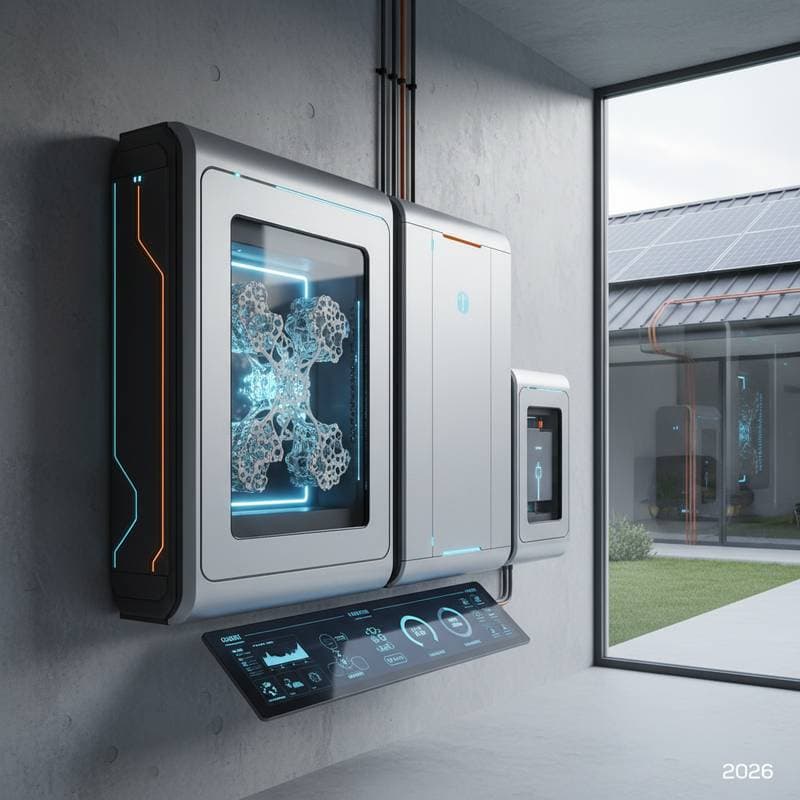
Sodium-Ion Batteries: A Cost-Effective Alternative to Lithium by 2026
Sodium-ion batteries emerge as a viable alternative to lithium-ion systems in energy storage. These batteries leverage lower material costs, enhanced safety features, and access to abundant resources. For solar system owners and energy experts, this development holds potential to influence the design and pricing of backup and storage solutions.
This guide details the operation of sodium-ion batteries, contrasts them with lithium-ion counterparts, and outlines their viability for home solar storage. Safety and dependability guide the evaluation of any battery technology.
Safety and Installation Guidelines
Energy storage installations present electrical and chemical risks. Sodium-ion batteries offer improved safety over lithium-ion options, yet they retain substantial energy that demands careful handling to prevent injury or fire.
Professionals recommend engaging a licensed electrician for all installations, maintenance, or replacements of energy storage systems. Such experts ensure adherence to the National Electrical Code and confirm listings from accredited testing laboratories.
Key Hazards to Address
- Short circuits or unsecured terminals generate excessive heat.
- Faulty grounding or reversed polarity harms inverters and connected devices.
- Inadequate ventilation leads to heat accumulation and diminished performance.
- Exposure to water or humidity corrodes connections and triggers faults.
Essential Tools for Maintenance
Individuals overseeing their systems must employ certified equipment:
- Non-contact voltage tester for hazard detection.
- Torque screwdriver set to manufacturer specifications.
- Insulated gloves suitable for electrical tasks.
- Monitoring application or panel to track voltage and temperature.
Professionals advise against accessing sealed battery units or altering internal connections. Immediate disconnection and electrician consultation follow any signs of swelling, leakage, or unusual smells.
Compatibility with Solar Installations
Solar energy systems paired with storage depend on reliable battery oversight. Inverters and charge controllers typically accommodate lithium-ion profiles, but sodium-ion variants adapt to comparable voltage and control parameters. Initial home models integrate via standard hybrid inverters.
Key compatibility factors include:
- Alignment of battery voltage with inverter requirements.
- Battery management system (BMS) integration with inverter communication standards.
- Enclosure compliance with regional electrical and fire regulations.
- Appropriate ratings for disconnect switches and overcurrent devices.
Local authorities determine permitting and inspection protocols. Certain areas mandate distinct permits for energy storage, while others incorporate them into solar permits.
Broader Environmental and Economic Effects
Sodium-ion batteries stand to transform renewable energy economics. Sodium's affordability and global abundance support scalable manufacturing, potentially reducing storage expenses for residential and utility applications.
Pilot initiatives demonstrate sodium-ion systems retaining more than 80 percent capacity across thousands of cycles in regulated environments. Although lithium-ion excels in energy density, sodium-ion's economic edge compensates for stationary uses.
Decreased costs per kilowatt-hour expand access to comprehensive home backup solutions. In dense urban settings like Philadelphia, where grid stability matters amid limited space, affordable storage fosters increased solar uptake.
Key Indicators for Homeowners
As sodium-ion batteries approach market readiness, prioritize safety approvals, vendor credibility, and integration feasibility. Select units certified by organizations such as UL or CSA.
Routine Inspection and Upkeep Protocol
- Review monitoring displays or applications weekly for alerts on temperature or voltage.
- Maintain clear, dry surroundings around battery enclosures.
- Ensure ventilation paths remain free of blockages.
- Arrange annual professional reviews for connections, wiring integrity, and software updates.
- Promptly replace any compromised or deteriorated terminals via qualified electricians.
Signs of shortened operation or erratic charging may indicate cell discrepancies or BMS issues. Professional intervention precedes any reset or adjustment attempts.
Preparing for Adoption
Sodium-ion batteries position themselves to vie with lithium-ion in home energy storage. Their material economy and safety enhancements merit close observation.
Recommended actions encompass:
- Monitor announcements and approvals from leading battery producers.
- Discuss integration prospects with licensed electricians or solar specialists.
- Seek revised estimates upon local code approvals for sodium systems.
- Allocate space and electrical provisions for potential upgrades.
PhillyGoSolar urges collaboration with verified experts and strict adherence to producer guidelines. As this innovation advances, expert supervision upholds safety, efficiency, and regulatory alignment.