
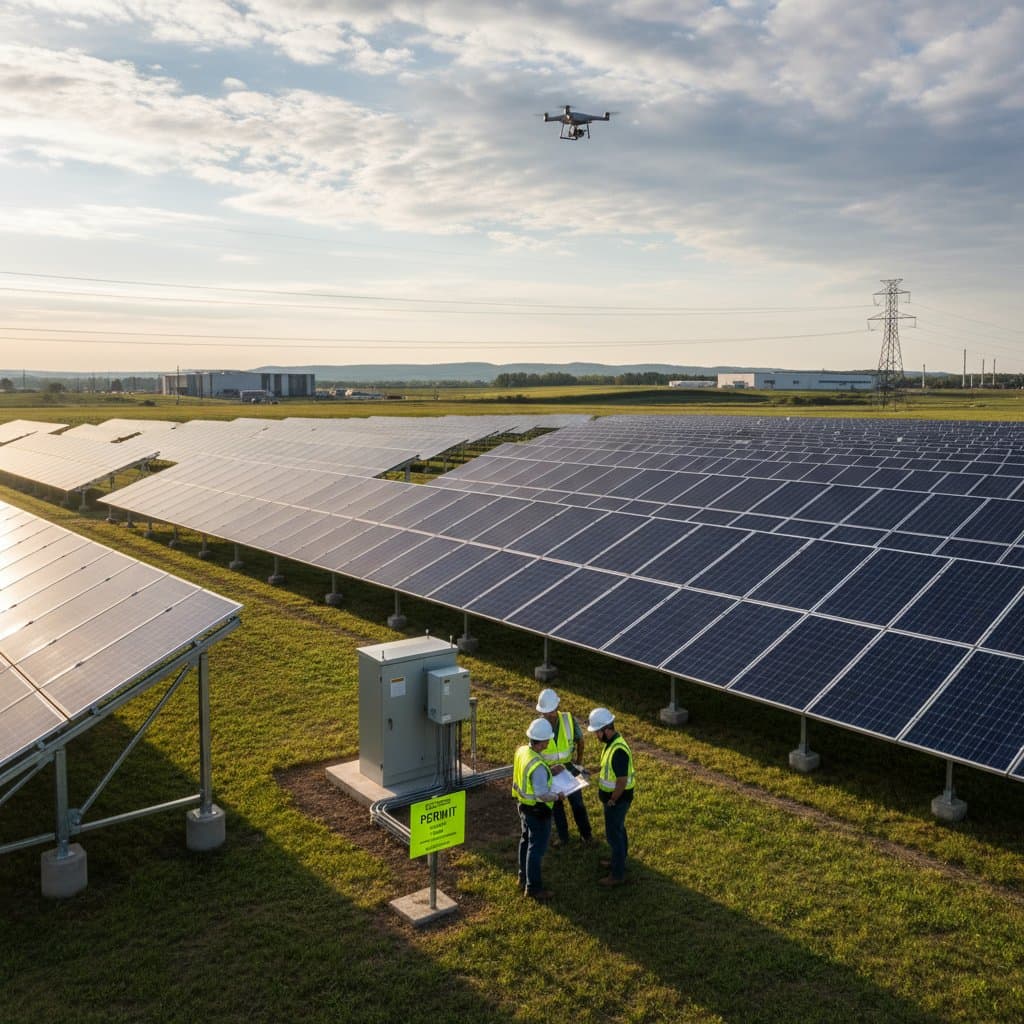
Introduction to Ground-Mount Solar Systems
Ground-mount solar systems offer a versatile alternative to rooftop installations, particularly for properties with ample open space. These setups position photovoltaic panels on sturdy metal frames secured directly into the soil, allowing for optimal orientation toward the sun. Unlike rooftop arrays, ground-mount configurations avoid structural roof limitations and enable easier access for servicing.
Homeowners with large lots benefit from higher energy production potential, as arrays can capture more sunlight without shading from buildings or trees. However, realizing these advantages requires navigating local permitting processes meticulously. Proper approvals ensure safety, compliance, and eligibility for incentives, ultimately protecting your investment.
Understanding Permitting Requirements
Securing permits forms the foundation of any successful ground-mount solar project. Local authorities regulate these installations to safeguard public safety, environmental standards, and community aesthetics. The process typically involves zoning, building, and electrical permits, each addressing specific aspects of the installation.
Zoning permits confirm that the proposed site aligns with land use regulations. Authorities evaluate factors such as setback distances from property lines, array height limits, and visual impacts. For instance, systems must often maintain a minimum distance from roads or neighboring structures to prevent glare or obstruction.
Building permits focus on the structural integrity of the mounting system. Engineers design racks to withstand wind loads, snow accumulation, and soil conditions. Submit detailed plans including foundation specifications, such as concrete footings or helical piles, to demonstrate stability.
Electrical permits verify that wiring, inverters, and grid connections meet national and local codes. Certified professionals handle these elements to ensure safe power flow and protection against faults. In grid-tied systems, additional interconnection agreements with utilities prevent overloads and enable net metering benefits.
Special Considerations for Zoning and Overlays
Certain properties face additional scrutiny due to unique zoning designations. Historic districts require preservation of architectural character, so solar arrays must blend with surroundings through low-profile designs or screening with landscaping.
Scenic overlays protect viewsheds in rural or coastal areas. Planners may mandate earth berms, fencing, or vegetative buffers to minimize visibility from public vantage points. Environmental reviews assess impacts on wetlands, wildlife habitats, or archaeological sites, potentially requiring mitigation plans.
Early engagement with the zoning office streamlines approvals. Schedule a pre-application meeting to discuss site specifics and receive feedback. Prepare a comprehensive submission package with a detailed site map, structural engineering diagrams, and manufacturer specifications for panels and racking. This preparation clarifies the project's scope and reduces revision cycles.
Cost Implications and ROI Analysis
Permitting introduces upfront costs that influence overall project economics. Fees vary by jurisdiction but commonly range from a few hundred to several thousand dollars, covering application processing, plan reviews, and inspections. Engineering reports and soil tests add to expenses, especially for expansive arrays.
Despite these costs, ground-mount systems deliver superior returns on investment. Optimal tilt and azimuth settings maximize annual kilowatt-hour production, often exceeding rooftop yields by 10 to 20 percent on suitable sites. Federal tax credits, state rebates, and utility incentives offset initial outlays, shortening payback periods to five to eight years.
Calculate ROI by factoring in energy savings, excess production credits, and property value uplift. Well-permitted installations enhance resale appeal, as buyers recognize the reliable, low-maintenance energy source. Long-term, these systems generate predictable income streams through reduced utility bills and potential renewable energy certificates.
Site Design Strategies for Optimal Performance
Effective site selection and design amplify energy yields while simplifying permitting. Conduct a solar resource assessment using tools like shading analysis software to identify the sunniest locations. Avoid low-lying areas prone to flooding or frost heave, which could compromise foundations.
Design arrays in rows with adequate spacing to minimize inter-row shading. South-facing orientations in the northern hemisphere capture peak irradiance, while adjustable tilts match seasonal sun angles. Incorporate microinverters or power optimizers to mitigate partial shading from occasional obstacles.
Integrate smart features like remote monitoring and automated cleaning systems for efficiency. These elements not only boost output but also provide data for permit applications, demonstrating the project's technical merits to reviewers.
Long-Term Operation and Maintenance
Approved permits pave the way for installation, but sustained success depends on diligent operation and maintenance. Ground-mount arrays facilitate straightforward inspections compared to elevated rooftop setups, yet regular upkeep remains essential to preserve efficiency.
Address environmental factors proactively. Dust, bird droppings, and pollen reduce panel output, so schedule cleanings biannually or following significant accumulation. Control vegetation growth around the array base to eliminate shading risks from encroaching plants.
Perform structural and electrical inspections annually. Tighten bolts on racking systems to counter settling or vibration effects. Examine wiring for wear and test inverters for proper function. Utilize monitoring applications to track real-time performance and detect anomalies early.
Maintenance Checklist:
- Clean panels twice yearly or after periods of heavy debris buildup.
- Trim surrounding grass, weeds, and shrubs to maintain clear sunlight access.
- Check all mounting hardware and connections once a year.
- Verify inverter output and system alerts via dedicated apps.
- Log energy production metrics to support warranty and performance guarantees.
Consistent maintenance limits annual degradation to under 0.5 percent, ensuring the system operates at peak capacity. This reliability minimizes unexpected repairs, sustains energy credits, and upholds the projected ROI throughout the equipment's 25- to 30-year lifespan.
Next Steps for Homeowners
Embark on your ground-mount solar journey with a thorough professional assessment. Engage a certified installer to evaluate site suitability, model energy output based on local irradiance data, and outline layout configurations. Request a detailed proposal encompassing permitting estimates, engineering fees, and approval timelines.
Upon compiling the permit application, retain duplicates of all documents, including zoning variances, building approvals, and inspection certificates. These records prove compliance for insurance purposes, manufacturer warranties, and future property transactions.
Following final inspections and energization, enroll the system in your utility's interconnection protocol. This step activates net metering, allowing surplus energy to offset grid usage and generate bill credits. With these measures in place, your investment yields decades of clean, cost-effective power.
Ground-mount solar elevates large-lot properties into efficient energy hubs, blending performance gains with enduring financial benefits.
FAQ
What distinguishes ground-mount solar from rooftop installations?
Ground-mount systems employ ground-anchored metal frames to support panels, freeing them from roof constraints. This setup permits precise solar tracking and simplifies cleaning or future expansions.
How much time does the permitting process typically require?
Standard applications gain approval in two to six weeks after complete submissions. Intricate cases involving environmental or historic reviews may extend to several months, though proactive planning accelerates outcomes.
Is a soil test necessary for ground-mount projects?
Many locales mandate geotechnical evaluations to determine foundation requirements, particularly for sizable arrays. Installers coordinate these tests within the engineering phase to affirm ground stability.
Do off-grid ground-mount systems require permits?
Affirmative; regulations enforce structural safety and electrical standards regardless of grid connectivity. Consult local codes to fulfill all obligations.