
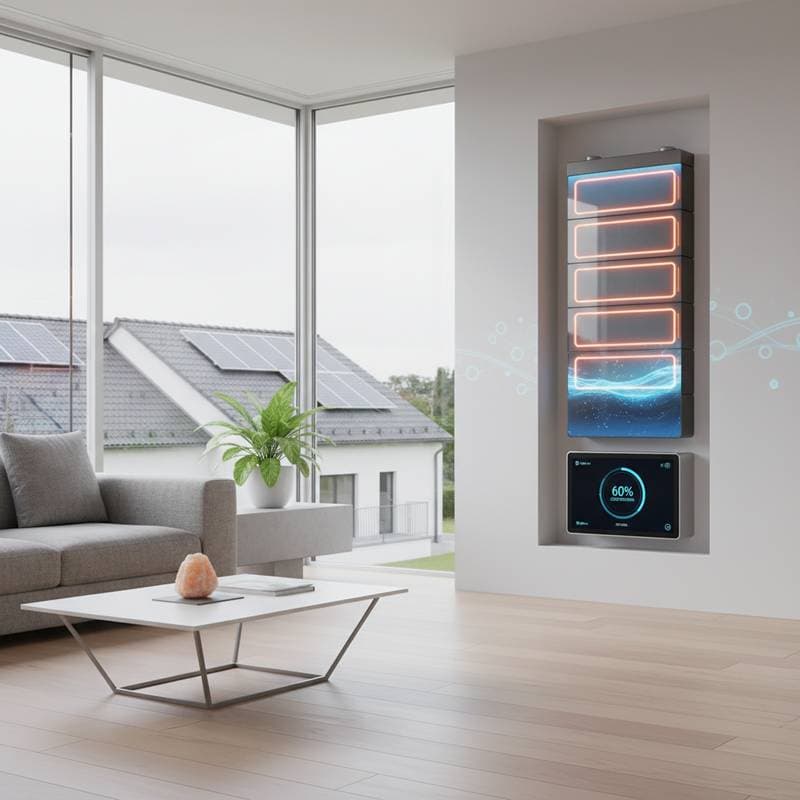
Sodium Batteries Offer Cheaper Alternative to Tesla Powerwalls by 2026
Many homeowners seek ways to make energy storage more affordable. Lithium ion batteries such as those in Tesla Powerwalls have served as the standard for home and grid applications. They provide reliable performance. Their high price, material limits, and environmental impact create opportunities for improvement.
A new option, the sodium ion battery, is emerging as a lower cost alternative. This technology could reshape how households store solar power.
Why Sodium Batteries Matter
Energy storage enables solar power to operate continuously. A battery supplies electricity after sunset and reduces reliance on the grid. High upfront costs have discouraged many homeowners from adding storage. Sodium batteries address this barrier through lower material expenses.
Sodium is abundant and inexpensive to obtain. Lithium extraction often requires mining in restricted areas and involves environmental concerns. Substituting sodium for lithium reduces material costs and supply chain issues. This change supports wider access to storage for solar homes and related applications.
How Sodium Batteries Work
Sodium ion batteries follow a design similar to lithium ion models. Ions travel between the cathode and anode through an electrolyte during charge and discharge cycles. Sodium ions are larger than lithium ions. This trait lowers energy density slightly.
Current prototypes achieve 150 to 170 watt hours per kilogram. That range approaches the performance of some lithium iron phosphate cells used in homes. A modestly larger sodium battery can still deliver strong value when priced significantly lower.
Comparing Costs and Lifespan
Analysts project sodium ion battery packs will cost 40 to 60 percent less than lithium ion equivalents at scale. A typical 13.5 kilowatt hour lithium home battery priced near 10000 dollars could have a sodium counterpart near 6000 dollars. Early sodium cells support more than 3000 full cycles. Some designs reach 5000 cycles under moderate use. These figures align with modern lithium systems and confirm comparable durability.
Environmental and Safety Benefits
Sodium ion batteries use widely available materials such as sodium and aluminum. These components simplify recycling and reduce mining emissions. Certain electrolyte formulas lower the risk of overheating. The batteries also operate across a broader temperature range. This trait can decrease the need for extra climate control equipment.
Practical Use Cases for Homeowners
Sodium batteries suit both grid projects and residential installations. In areas with high electricity rates, a 10 kilowatt hour system can shift solar output to evening hours. Homeowners may avoid peak rates of 30 cents per kilowatt hour and realize roughly 675 dollars in annual savings. A 6000 dollar battery could recover its cost in about nine years. Utility rebates or time of use credits may shorten payback to six years.
Current Barriers and Industry Progress
Wider adoption requires expanded manufacturing capacity. New supply chains and production lines must develop for sodium chemistry. Energy density remains lower than premium lithium options. This limits use in vehicles yet fits stationary storage needs well. Several firms operate pilot plants that demonstrate stable performance and fast discharge rates. Prices are expected to fall once output reaches tens of gigawatt hours annually.
Steps Homeowners Can Take Today
- Obtain a solar assessment to evaluate roof conditions and production potential.
- Review utility bills to identify peak usage periods and rate structures.
- Request quotes that detail capacity, efficiency, warranty terms, and cost per kilowatt hour.
- Inquire about state or utility incentives for battery storage.
- Confirm that the inverter and electrical panel support future battery connections.
Maintaining System Performance
Sodium batteries require placement in a dry, ventilated space away from direct sun. Built in monitoring allows tracking through an app. Firmware updates maintain efficiency and safety. Capacity declines slowly, often near 1 percent per year. Limiting daily charge levels to 20 through 90 percent supports longer service life. Test backup functions twice yearly to verify response during outages.
Preparing Your Home for Future Storage Options
These actions position households to adopt sodium batteries when they reach the market. Lower costs and reliable performance can extend energy independence to more families. Planning ahead ensures smooth integration and maximum returns from solar investments.