Sodium-Ion Batteries Drop Storage Costs for Homes
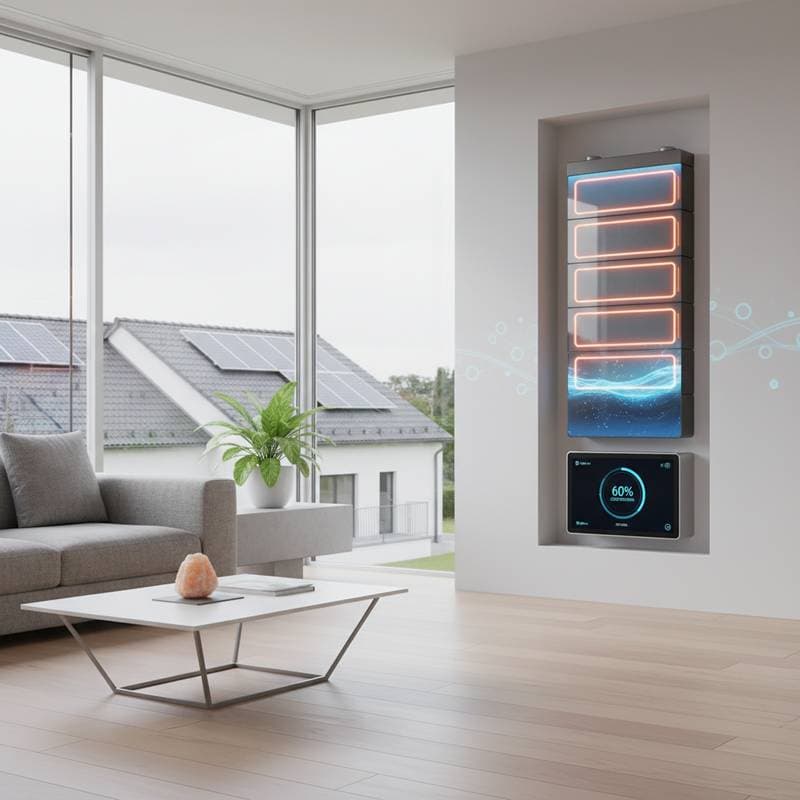
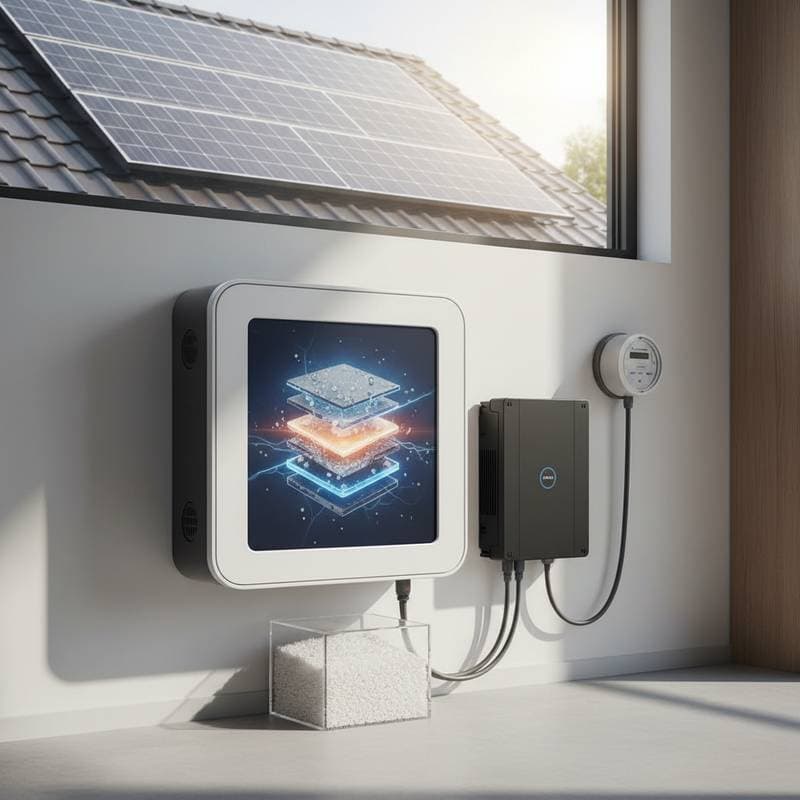
Sodium-ion batteries could make home solar storage far more affordable by 2026. They deliver safer, sustainable power without costly lithium or cobalt while improving performance and recycling ease.
Loading...
Articles tagged with affordable
Sodium-ion batteries could make home solar storage far more affordable by 2026. They deliver safer, sustainable power without costly lithium or cobalt while improving performance and recycling ease.
Sodium-ion batteries are emerging as an affordable, sustainable alternative to lithium for home solar storage. Using abundant materials and simpler chemistry, they promise lower costs, safer operation, and reliable performance even in cold climates. By 2026, they could redefine energy independence and make solar-plus-storage systems more accessible to homeowners.
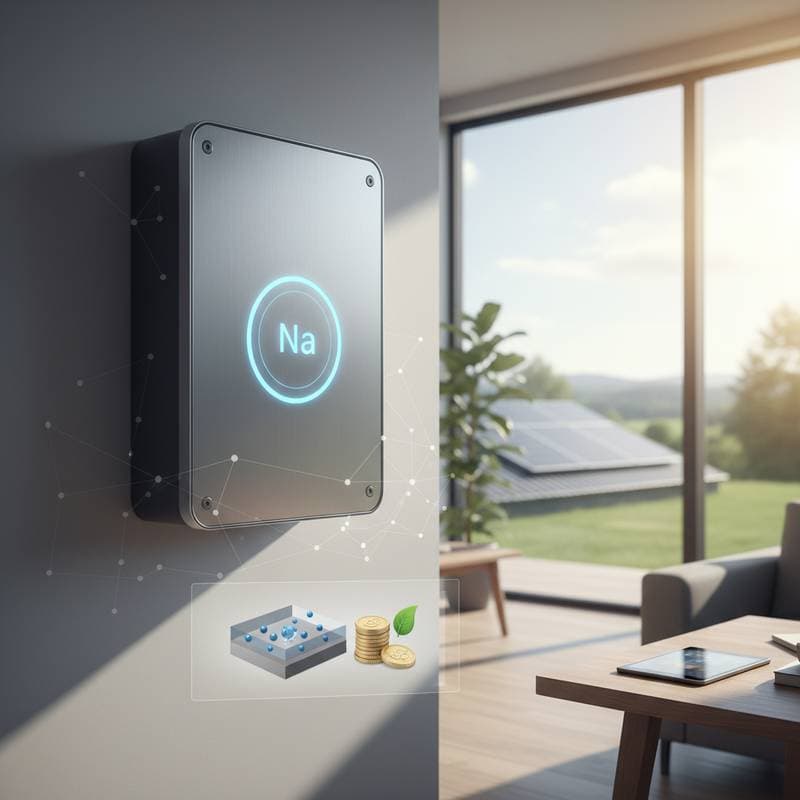
Sodium-ion batteries are emerging as a cost-effective, safer alternative to lithium for solar energy storage. Using abundant materials like salt, they lower costs by up to 40 percent, offer long lifespans, and reduce environmental impact.
Sodium-ion batteries emerge as a safer and more affordable alternative to lithium systems for home solar storage. They use abundant materials that lower prices while supporting stable performance and simpler recycling.
Sodium ion batteries provide lower costs, safer operation, and sustainable materials for solar storage. They offer reliable cycle life and cold weather performance that support faster payback for residential systems.
Sodium-ion batteries emerge as a lower cost and safer option for home solar storage. They reduce expenses by up to 40 percent, perform reliably in cold climates, and rely on abundant materials that simplify recycling.
Sodium-ion batteries could revolutionize home solar storage by 2026, offering safer, cheaper, and more sustainable alternatives to lithium-ion systems. With abundant materials, improved safety, and growing market readiness, these batteries promise affordable, reliable energy independence for homeowners preparing today for the next generation of clean power solutions.
Sodium-ion batteries are emerging as a low-cost, safer alternative to lithium for home solar storage. Using abundant materials like salt, they promise affordability, stability, and sustainability. With professional installation and proper safety standards, these next-generation batteries could make renewable energy independence more accessible to homeowners by 2026.
Sodium-ion batteries are emerging as a cost-effective, safer alternative to lithium-ion for home solar storage. With abundant materials, stable pricing, and improving performance, they could cut installation costs by up to 25 percent and shorten payback periods. By 2026, homeowners may enjoy lower energy bills and greater energy independence.
Sodium ion batteries promise lower costs and reliable performance for home solar storage. They use abundant materials to deliver savings and sustainability benefits by 2026.
Sodium-ion batteries use abundant materials to cut costs while delivering reliable solar storage. They improve safety, support recycling, and reach payback faster than many lithium systems for residential applications.
Sodium-ion batteries present a secure and economical substitute for lithium in residential solar storage. They leverage plentiful resources to decrease expenses, facilitate recycling, and lessen ecological effects. Although their energy density falls short of lithium counterparts, the enhanced stability and eco-friendliness position them to broaden access to dependable, economical energy autonomy for homeowners.
Sodium-ion batteries emerge as a promising alternative to lithium-ion for solar and home energy storage. They leverage abundant materials to cut costs, boost safety, and simplify recycling. Despite lower energy density, their economic and environmental benefits position them to challenge established players like Tesla and empower homeowners toward greater energy independence.
Sodium-ion batteries emerge as a game-changer for home energy storage by 2026, delivering costs nearly half those of lithium systems. Abundant materials ensure sustainability, while robust cold-weather performance and enhanced safety support quicker returns on investment, simpler setups, and widespread access to dependable solar energy across the nation.
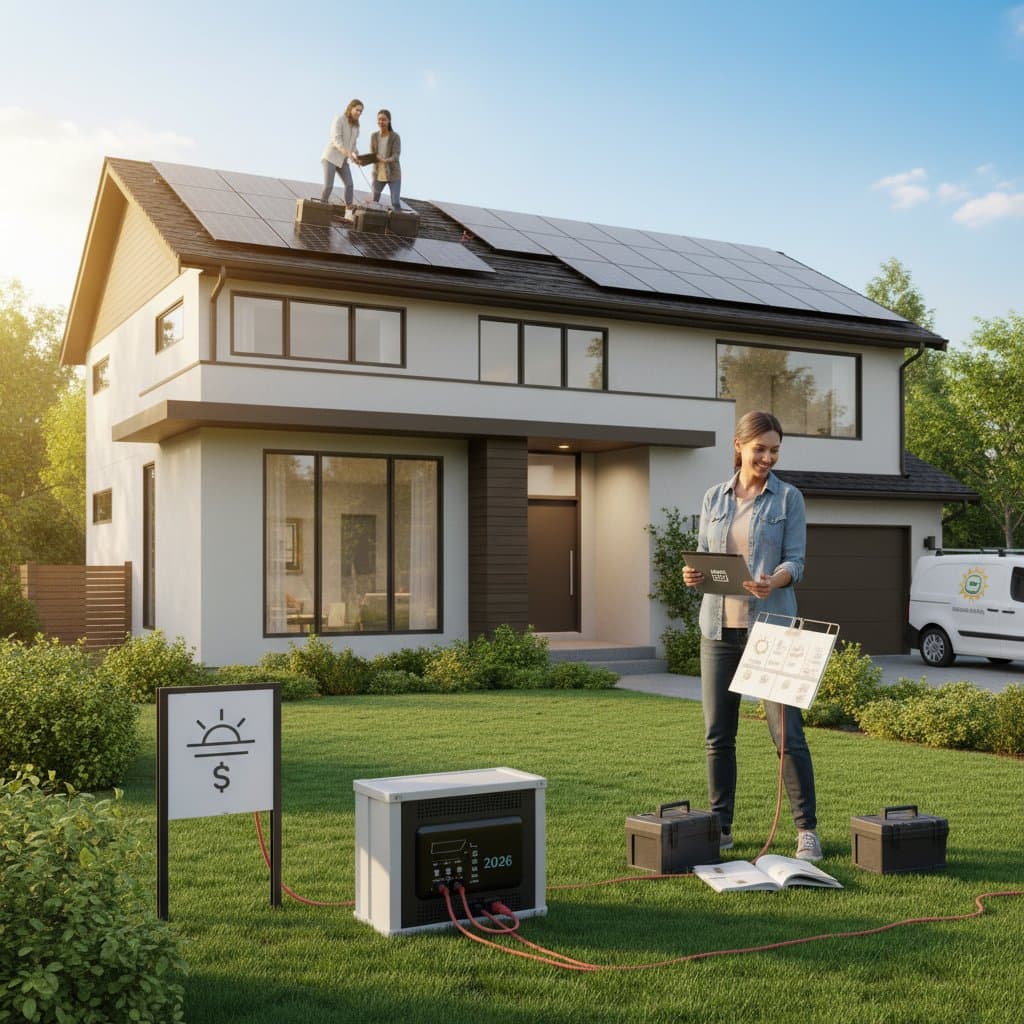
DIY solar kits priced at approximately $5,000 offer homeowners a straightforward path to energy independence. These plug-and-play systems generate significant annual savings, lower carbon footprints, and require no extensive renovations. With incentives and simple setup, families can achieve clean power resilience by 2026.
By 2026, sodium-ion batteries stand to transform residential solar setups by halving storage expenses. These batteries leverage plentiful, secure materials to provide extended durability, reliable performance, and straightforward recycling. Their reduced pricing, superior safety profile, and seamless integration position sodium-ion technology to deliver clean, economical solar energy to countless households.
Sodium-ion batteries stand to revolutionize home solar storage affordability by 2026. Leveraging common sodium over scarce lithium, they deliver reliable performance, extended durability, and simplified recycling. Coupled with decreasing prices, superior safety, and supportive rebates, this innovation renders energy autonomy attainable for numerous households.
Sodium-ion batteries revolutionize renewable storage with affordable, safe solutions using abundant sodium. They cut grid costs in half, support solar expansion in Philadelphia, and promote grid stability while cutting fossil fuel dependence for resilient clean energy.
By 2026, sodium-ion batteries will revolutionize home solar storage with safer, more economical options than lithium-ion systems. Leveraging plentiful resources, reduced pricing, and superior longevity, they facilitate broader renewable energy adoption and practical ownership.
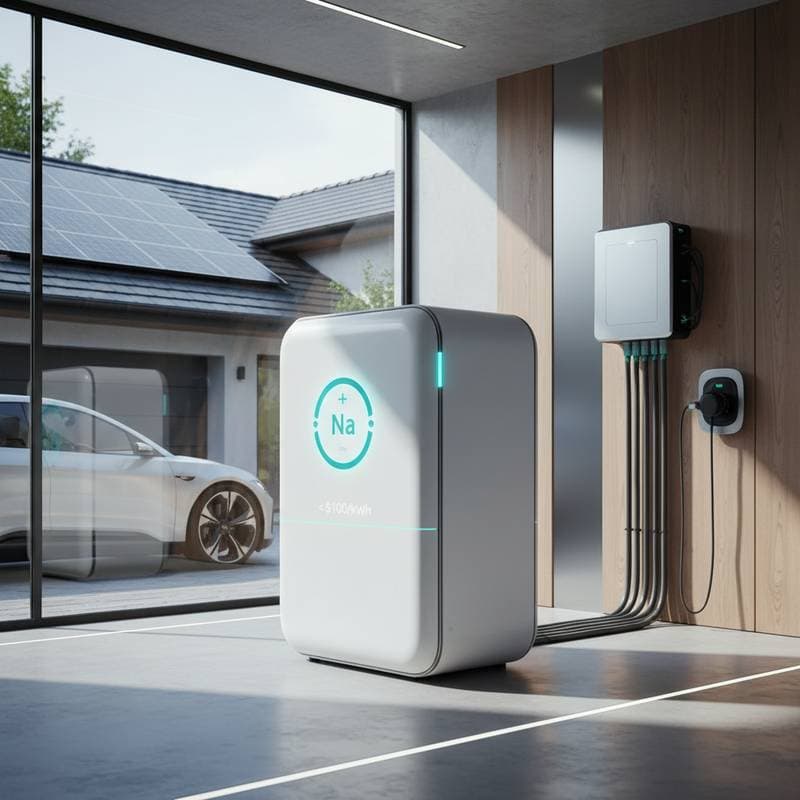
Sodium-ion batteries emerge as a cost-effective, secure, and sustainable option to lithium-ion for residential solar storage. With plentiful raw materials, advancing efficiency, and prices potentially under $100 per kilowatt-hour, these batteries promise accessible energy independence by 2026, transforming renewable power management for households and utilities.