
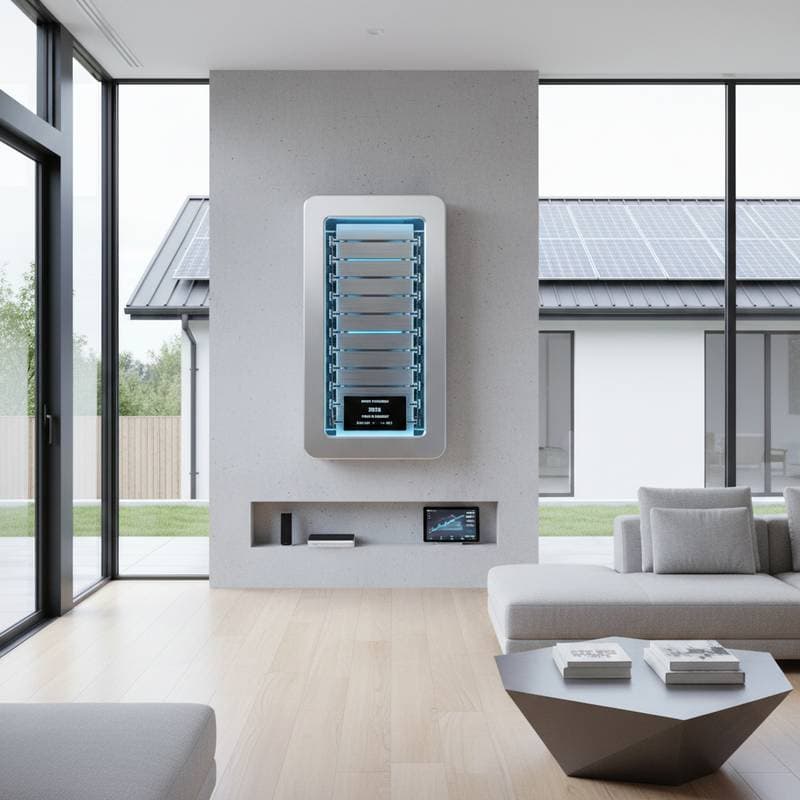
Solid-State Batteries: The Upcoming Revolution in Solar Energy Storage
Homeowners nationwide observe a significant shift in energy storage solutions. Solid-state batteries emerge as a transformative option for solar power systems. These batteries substitute the liquid electrolytes found in traditional lithium-ion batteries with solid materials. This change allows for greater energy storage within a smaller space, enhanced safety, extended lifespan, and quicker charging capabilities.
The Importance of Solid-State Technology for Solar Homes
Solid-state technology resolves key vulnerabilities in existing home battery systems. Traditional lithium-ion batteries depend on flammable liquid electrolytes. Overheating in a cell may lead to leaks or ignition. Solid electrolytes eliminate this liquid component and substantially decrease the likelihood of thermal runaway. Homeowners benefit from reduced fire risks and increased confidence in their systems.
These batteries achieve higher energy density. This means more power storage occurs within the identical physical area. A compact system now suffices for evening and overnight needs without requiring oversized equipment. Such efficiency proves particularly beneficial for urban residences facing space constraints.
Essential Safety Measures
Despite the improved chemistry, energy storage systems retain inherent electrical hazards. Homeowners ensure safety through adherence to approved installation practices and confirmation that components suit residential applications.
Pre-installation safety checklist:
- Verify the battery unit holds UL listing for stationary energy storage systems
- Ensure wiring adheres to National Electrical Code Article 706 requirements
- Engage a licensed electrician for all connections and grounding procedures
- Position batteries away from flammable substances and sources of moisture
- Provide adequate clearance for ventilation and maintenance access
Professionals advise against opening or altering battery enclosures. In cases of warning indicators, unusual odors, or excessive heat, disconnect power immediately and contact a qualified technician. Solid-state batteries minimize yet do not eradicate risks associated with electrical failures.
Advantages Over Traditional Lithium-Ion Batteries
Solid-state batteries employ solid ceramic or polymer electrolytes for superior ion transfer. They support rapid charging and function effectively across broader temperature ranges. Unlike systems with liquids, they eliminate the need for intricate cooling mechanisms. This reliability suits diverse climates, including those with extreme cold or heat that impair lithium-ion performance.
The lack of liquid components prevents internal corrosion. This feature prolongs operational life and minimizes upkeep requirements. Initial field evaluations indicate that solid-state units maintain over 80 percent capacity following thousands of cycles. Solar homeowners gain extended periods of reliable storage prior to any need for replacement.
Anticipated Features for Homeowners
A standard solid-state solar storage configuration links the solar inverter to the home electrical panel. The system absorbs energy during daylight and releases it when solar production ceases. Users experience quicker response times and seamless power shifts relative to existing lithium-ion setups.
Key benefits to expect:
- Increased usable capacity in each charge cycle
- Accelerated charging and discharging speeds
- Reduced risks of fire and leakage
- Space-efficient designs suitable for indoor or garage placement
- Longer warranty durations offered by manufacturers
These attributes appeal to both grid-connected and off-grid households. They also align with emerging programs that incentivize energy self-use and balanced load management.
Guidelines for Professional Installation and Regulatory Adherence
Solid-state battery installations necessitate permits and official inspections. Local authorities, such as building or electrical departments, oversee approvals. Certain regions demand utility coordination for grid connections.
Licensed electricians alone handle high-voltage terminal connections or panel modifications. Homeowners may prepare sites, install mounting hardware, and lay communication wiring, provided no live electrical tasks occur.
Seamless Integration with Solar and Home Automation
Contemporary solid-state batteries feature built-in management systems. These interface with inverters, smart meters, and automation platforms. Capabilities include energy demand forecasting, optimized charging routines, and engagement in utility demand-response initiatives.
Integration enables remote oversight via mobile applications. Users monitor charge levels, temperatures, and energy flows. This visibility aids in early issue identification. Prompt scheduling of service follows reports of anomalous voltage or temperature values.
Ongoing Maintenance Practices
Solid-state batteries demand little routine care. Maintain cleanliness and dryness around the unit. Inspect ventilation paths regularly to prevent airflow obstructions by debris. Conduct monthly reviews of monitoring data to spot deviations.
In instances of severe weather or prolonged outages, adhere to manufacturer protocols for shutdown and reactivation. Avoid exposure to direct water or chemical cleaning agents. Certified technician inspections occur periodically, regardless of apparent system stability.
Preparing for Safe Adoption of Solid-State Storage
Solid-state batteries define the future trajectory of residential solar storage. Their superior safety, efficiency, and durability establish them as the evolution beyond lithium-ion technology. Realization of these benefits hinges on meticulous installation, regulatory compliance, and vigilant monitoring.
Homeowners planning upgrades consult licensed solar electricians or storage experts. They request comprehensive documentation confirming that all components satisfy prevailing safety standards.