
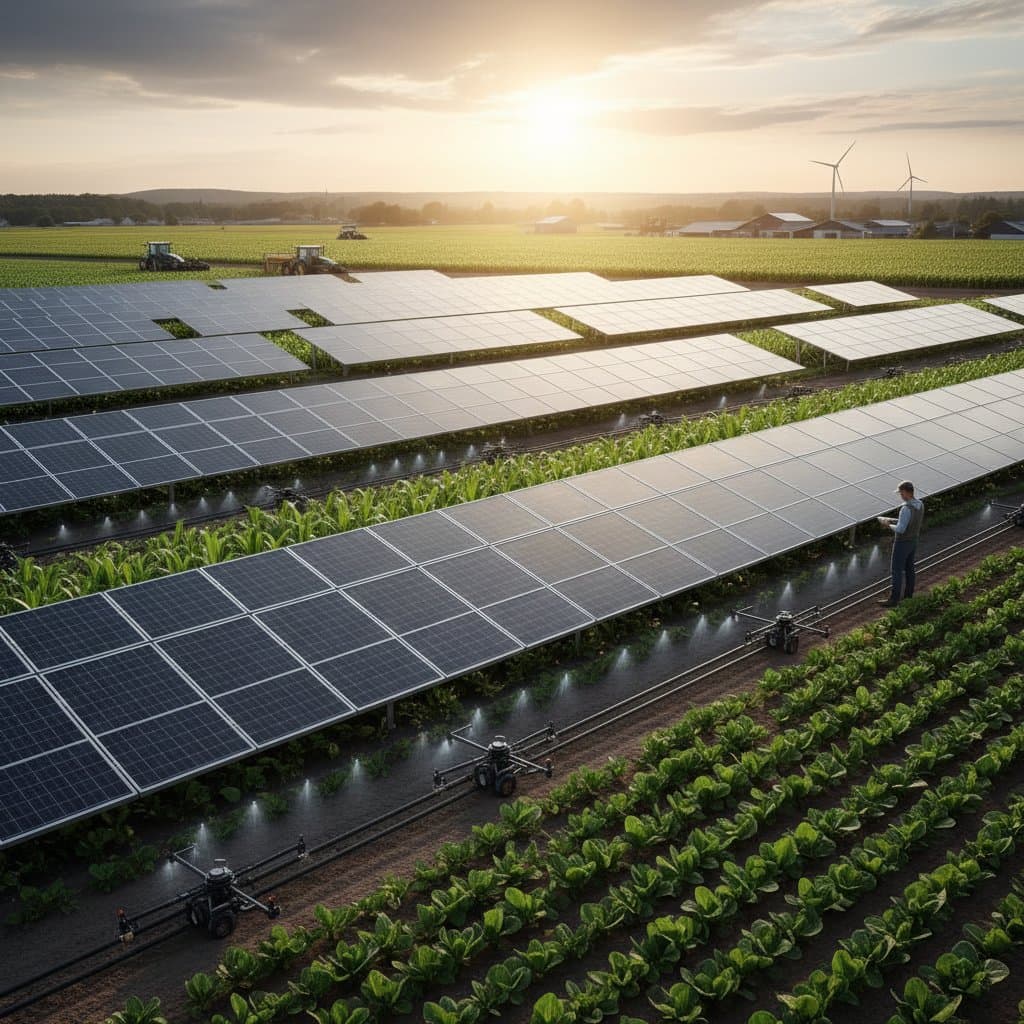
The Rise of Dual-Use Solar Farms in Agriculture
Rural landscapes across the United States are evolving. Traditional farmland now supports both food production and renewable energy generation through a practice called agrivoltaics. This approach integrates solar panels with crops or livestock, optimizing land for multiple yields while promoting sustainability.
Agrivoltaics appeals to farmers, utilities, and policymakers by addressing land scarcity and energy demands. Panels provide shade that protects crops from extreme heat, and the systems generate electricity to power farm operations. As adoption grows, this model redefines agricultural efficiency and environmental stewardship.
Ensuring Electrical Safety and Regulatory Compliance
Solar installations on farms require strict adherence to safety standards. Property owners must engage qualified experts to handle complex electrical components and avoid risks.
Licensed electricians manage essential tasks, including:
- High-voltage wiring connections between panels and inverters
- Proper grounding and bonding per the National Electrical Code
- Integration with utility grids and necessary meter modifications
- Coordination of inspections with local authorities
Improper installations pose significant dangers, such as electric shocks from exposed wires, fires due to faulty connections, or equipment failure from inadequate grounding. Before starting any project, verify local requirements for dual-use permits or conditional approvals. Many areas provide specific guidelines on panel elevation, perimeter fencing, and habitat protections to support agrivoltaic designs.
Key Design Elements for Effective Agrivoltaic Systems
Successful agrivoltaic setups balance energy output with agricultural productivity through careful planning. Site assessments guide decisions on layout and equipment to maximize benefits for both sectors.
Critical design factors include:
- Panel Elevation: Raise arrays to at least six feet to enable machinery or animal movement below.
- Tilt Adjustments: Use variable angles to minimize shading on crops and capture optimal sunlight year-round.
- Suitable Crops: Select shade-resistant varieties like lettuce or berries; avoid tall plants that might block panels.
- Soil Protection: Incorporate cover crops or ground-level vegetation to prevent erosion and keep panels clean.
- Water Systems: Install efficient drip irrigation that routes around structures without disruption.
Well-executed systems deliver energy yields similar to conventional solar farms while preserving 70 to 90 percent of standard crop production levels.
Positive Environmental and Community Effects
Agrivoltaics enhances rural areas when implemented thoughtfully. It mitigates common solar project concerns like habitat disruption by promoting integrated land management and ecological restoration.
Key benefits encompass:
- Decreased carbon emissions through displaced fossil fuel-based power
- Boosted biodiversity via diverse plantings and wildlife habitats
- Minimized soil degradation with shade-induced moisture retention
- Conserved water resources by reducing evaporation in shaded zones
Local engagement strengthens outcomes. Partnerships with schools and extension services allow monitoring of environmental impacts and host public demonstrations. These initiatives educate residents on how renewables complement farming traditions.
Seamlessly Incorporating Agrivoltaics into Farm Routines
Modern farms rely on technology for precision agriculture, and agrivoltaics aligns seamlessly with these tools. Solar-generated power energizes irrigation pumps, sensors, and lighting, cutting reliance on external sources.
Livestock operations benefit from the shaded environments under panels. Animals like sheep graze row spaces, naturally managing weeds and reducing labor needs. Rotational grazing adapts easily, with panels offering respite from sun exposure.
Maintenance schedules require minor adjustments to crop cycles, yet overall farm output holds steady or increases. Effective integration demands alignment of planting timelines with panel cleaning and energy production peaks.
Overcoming Hurdles in Agrivoltaic Implementation
Despite its promise, agrivoltaics encounters obstacles that demand strategic solutions. Initial investments exceed those of basic solar setups due to reinforced structures for dual functionality.
Access for upkeep presents logistical issues, and selecting compatible crops involves ongoing trials. Electrical systems must withstand farm-specific conditions like humidity, animal interference, and debris buildup. Advanced protections, such as ground-fault circuit interrupters and arc-fault detectors, safeguard against common hazards.
Insurance reviews are essential to cover combined assets adequately. Policies may classify solar components separately, influencing coverage for weather-related damages or outages.
Opportunities in the Philadelphia Area
The Philadelphia region offers fertile ground for agrivoltaics, blending urban farming with community energy initiatives. Underutilized spaces like vacant lots support compact systems with elevated panels over garden beds.
These installations power essential farm functions, including cooling units and water delivery, while connecting to neighborhood microgrids. Food cooperatives and nonprofits leverage the approach to improve access to fresh produce and promote energy literacy. The area's commitment to green practices fuels demand for innovative pilots and expansions.
Planning for Sustainable Agrivoltaic Success
Agrivoltaics positions agriculture and energy for collaborative growth by 2026. Mature technologies and adaptable designs enable broad implementation tailored to regional needs.
Landowners should initiate projects with expert consultations from solar engineers experienced in farming contexts. Confirm regulatory adherence through official channels and maintain thorough records of all installations and inspections.
Communities advance by fostering awareness via demonstration sites at educational institutions and cooperatives. Such efforts develop local expertise for ongoing system management and inspire wider adoption.