
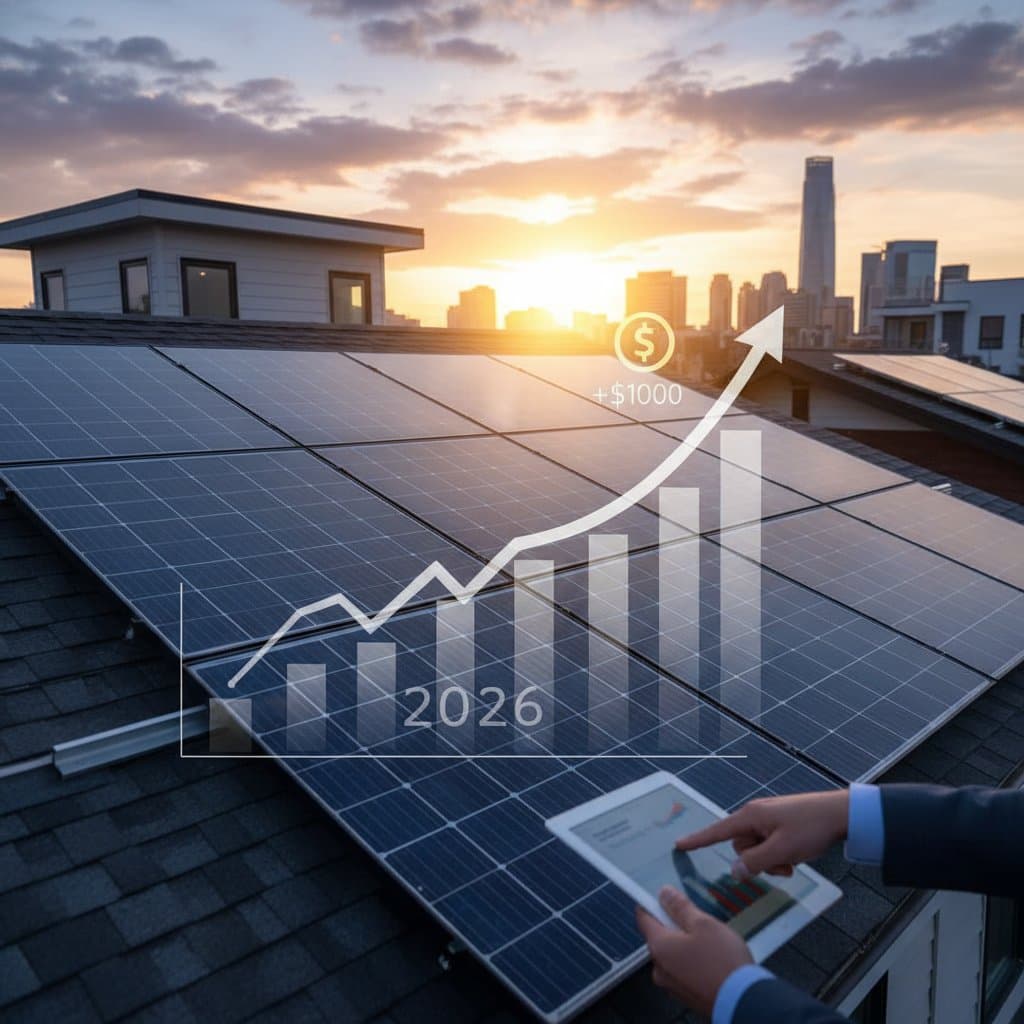
2026 Solar Tariffs and Their Impact on Homeowners
Many homeowners are hearing about new solar tariffs and wondering what they mean for household budgets. The short answer is that solar equipment imported into the United States will likely cost more soon. That change could raise prices for rooftop installations. For families thinking about solar, this development may sound discouraging. Yet with a clear plan and a good understanding of timing, it can still be a smart and rewarding investment.
This article breaks down what is happening, how tariffs can affect pricing, and what homeowners can do to protect their savings. You do not need to be an energy expert to make sense of it. By the end, you will have practical steps to act with confidence.
The Broader Cost Picture
Understanding how tariffs fit into total system cost helps keep perspective. Equipment usually makes up about half of a rooftop solar project. The rest covers design, labor, permits, and overhead. If tariffs add 5 percent to module costs, that translates to roughly 2.5 percent across the full job.
For example, a base system priced at 22,000 dollars with equipment accounting for 11,000 dollars would see an added cost of 550 dollars after a 5 percent tariff increase. The new total would reach 22,550 dollars. It is not a small number, but it also does not erase the long-term benefit of solar savings. A well-sized system can offset 1,000 to 1,500 dollars in utility charges each year. Even with higher upfront pricing, payback periods remain attractive for most households.
Why Acting Sooner Can Help
Waiting can sometimes pay off, but in this case early action may be smarter. Once tariffs begin affecting shipments, installers will pass along higher prices. Projects contracted before new rules take effect usually keep current pricing. This means a signed agreement now can lock in savings that disappear later.
Beyond cost, there is the time factor. Solar projects include site assessment, design, permits, and utility approval. That process can take several months. Starting early ensures your installation is complete before market shifts ripple through. Even if you are not ready for a full system today, you can take steps that prepare your home and reduce project costs later. These include roof inspections, shade assessments, and minor electrical upgrades.
Incentives That Help Balance the Increase
Government incentives and local programs continue to reduce net costs. The federal tax credit covers a large share of installation expenses. Some state and utility rebates also remain available. These can offset thousands of dollars, often more than any tariff-related increase. Homeowners should confirm eligibility with a tax professional and check their local utility program list. Some incentives apply only to systems installed before a funding cap is reached, another reason to act early.
How to Compare Quotes with Tariff Changes in Mind
When prices rise across the market, comparison shopping becomes even more important. Request quotes from at least three installers and ask each to specify panel brand and country of origin, inverter model and efficiency rating, assumed production in kilowatt hours per year, utility rate used in savings calculations, and warranty terms for both equipment and labor. Make sure all quotes use identical assumptions. Differences in system size or production estimates can make one proposal look cheaper when it is not truly comparable.
A transparent installer will explain how tariffs influence their pricing and what they are doing to manage costs. Some may have existing inventory purchased before tariff increases, which can work in your favor.
Next Steps for Homeowners
- Pull your last 12 months of utility bills to understand usage.
- Request a solar shade study to confirm your roof potential.
- Collect multiple quotes before tariff-related price adjustments begin.
- Verify tax credits and state incentives.
- Plan for complementary upgrades like insulation or heat pumps to maximize savings.
Taking Action on Solar Investments
Acting early lets you secure current pricing and incentives before market shifts arrive. Even with new tariffs, solar remains one of the most reliable ways to lower utility costs and increase home resilience.
FAQ
1. What are solar tariffs?
They are government-imposed fees on imported solar panels or related components. These charges raise the cost of equipment entering the United States.
2. Will tariffs make solar unaffordable?
No. They may raise costs by a few percent, but incentives and long-term energy savings still make solar financially worthwhile for most households.
3. Can I avoid tariff impacts by buying domestic panels?
Yes. Panels made or assembled in the United States are often exempt or less affected. Ask your installer which brands they use.