
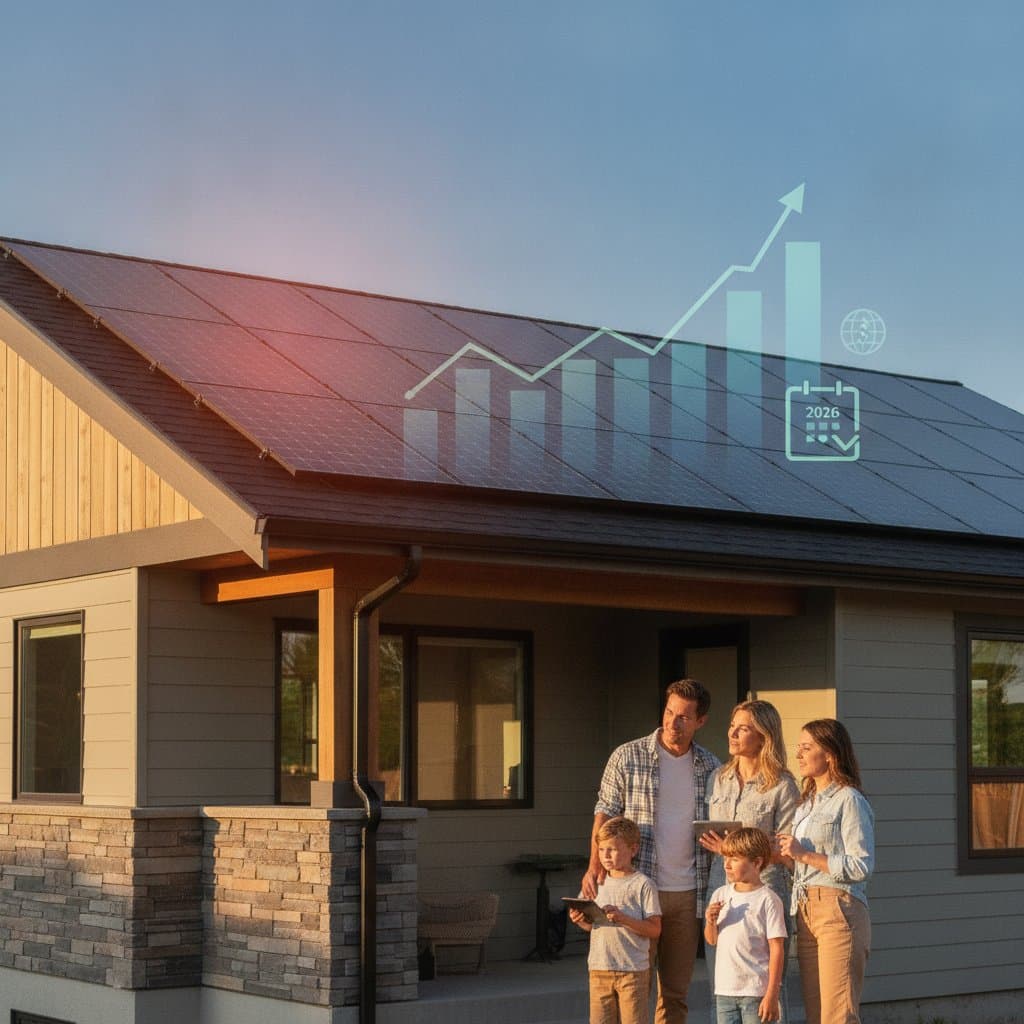
2026 Solar Panel Prices Expected to Surge 25% from Tariffs
Many homeowners want to install solar panels yet worry about timing and costs. Recent announcements about tariffs have added pressure. A clear view of cost drivers, tariff mechanics, and preparation steps supports confident decisions.
Why Tariffs Affect Solar Prices
Solar panels and equipment frequently arrive from international suppliers. Import duties on modules, inverters, or cells raise expenses that suppliers pass along. A 25 percent tariff on panels can lift total system costs by 10 to 15 percent. For a typical 7 kilowatt home system priced near 18,000 dollars before incentives, the added amount reaches roughly 1,800 to 2,700 dollars.
Tariffs aim to support domestic manufacturing. The global supply chain still means price shifts move through the market rapidly.
Why This Matters for Homeowners
Solar costs declined for years and made rooftop systems common. A price increase can slow new projects or shrink system sizes. In the Philadelphia area, where utility rates often exceed 24 cents per kilowatt hour, higher prices can extend payback periods by one to three years.
A 7 kilowatt system produces about 9,100 kilowatt hours each year. At 24 cents per kilowatt hour, annual utility savings reach roughly 2,180 dollars. Electricity rates continue to rise faster than inflation, so long term savings stay attractive.
Planning Ahead Before Tariffs Take Effect
Early planning secures current pricing. Quotes obtained now avoid later increases. Installers commonly honor signed quotes for several weeks. Homeowners who finish site assessments and permitting ahead of tariff changes save thousands.
Follow these steps to prepare:
- Collect your last 12 months of electric bills to support accurate system sizing.
- Obtain at least three quotes that use identical assumptions for size, shading, and rates.
- Verify timelines for federal credits, state rebates, and Solar Renewable Energy Certificates that offset 30 percent or more of costs.
- Inspect roof condition. Roofs older than 15 years may need replacement before panels are installed.
- Ask about equipment origin. North American assembled panels and inverters may avoid the tariffs.
Understanding the Cost Breakdown
A residential solar system contains several parts. Modules represent about 40 percent of total cost. Inverters account for around 10 percent. Racking, wiring, and labor make up the remaining 50 percent.
Tariffs primarily raise the module share. A 25 percent tariff therefore produces about a 10 percent rise in overall system price. A 20,000 dollar system may reach 22,000 dollars. Homes with high usage or time of use rates still achieve strong returns because solar offsets the highest priced kilowatt hours first.
Balancing Tariff Effects with Incentives
Incentives reduce the impact of higher prices. The federal tax credit lowers net cost by about 30 percent. State performance payments reward each kilowatt hour produced. Philadelphia area homeowners can also receive property tax exemptions on added home value from solar.
Consider this example. A 7 kilowatt system costs 18,000 dollars before tariffs. A 2,000 dollar increase brings the total to 20,000 dollars. The federal credit of 6,000 dollars reduces the net cost to 14,000 dollars. Annual savings of 2,180 dollars produce a payback period of about 6.5 years instead of 5.8 years. The difference remains acceptable for owners who plan to stay long term.
Equipment Quality and Efficiency Trends
Panel efficiency keeps rising. Modern modules convert 21 to 23 percent of sunlight into electricity, up from 17 to 19 percent in recent years. Fewer panels achieve the same output and lower balance of system costs. Smart inverters and monitoring tools reduce energy losses.
Battery storage prices have declined as well. Pairing solar with storage raises self consumption and provides backup during outages.
Low Cost Steps While You Wait
Not every household can act immediately. Energy saving measures reduce future system size and improve comfort.
Start with these low cost actions. Replace remaining incandescent bulbs with LEDs. Seal air leaks around windows and doors. Wash clothes in cold water. Use advanced power strips to cut standby loads.
Medium impact steps include adding attic insulation, installing a smart thermostat, and servicing the HVAC system.
High impact upgrades cover heat pump water heaters, induction cooktops, and duct sealing with improved attic ventilation.
Secure Affordable Solar in Philadelphia
Tariffs alter solar economics, yet preparation protects savings. Gather quotes early, confirm all incentives, and complete permitting before changes take effect. Homeowners who move now lock in lower prices and begin years of clean power production.
Simple maintenance keeps systems efficient. Clean panels once or twice a year, review inverter readings, and apply software updates. Battery owners should confirm firmware updates and maintain enclosure ventilation.
Individual decisions add up. Each solar installation, insulation upgrade, or efficiency improvement strengthens regional clean energy and resilience.