
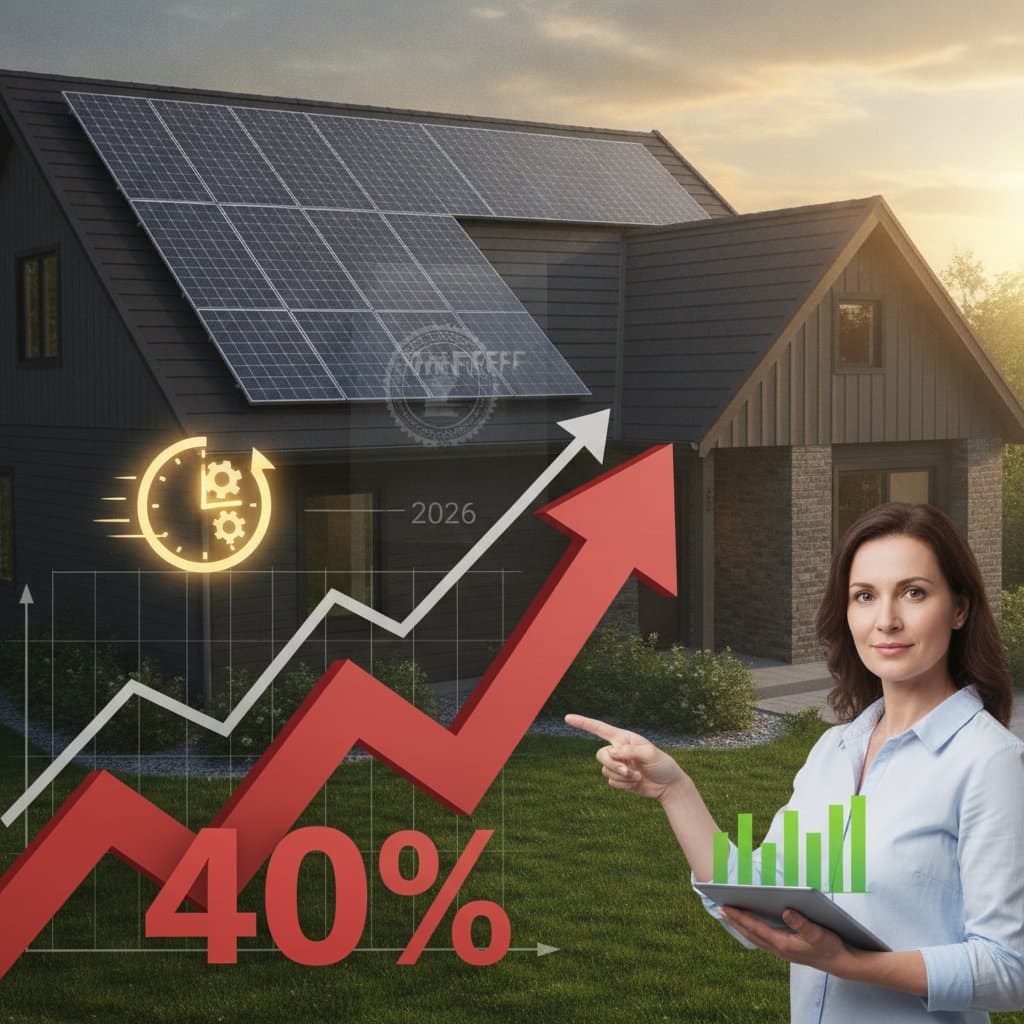
Prepare for Higher Solar Costs From 2026 Tariffs
Many homeowners face the prospect of new tariffs on imported solar panels and components. These changes could increase system prices substantially starting in 2026. Planning ahead allows buyers to secure current pricing and protect long term savings.
This guide explains the tariff effects on costs, payback periods, and incentives. It also provides concrete steps to move forward before prices adjust.
Drivers Behind Potential Price Increases
Tariffs function as import taxes on goods from overseas suppliers. Manufacturers and distributors typically pass a portion of these costs to installers and end users. The residential solar sector depends on international supply chains for panels, inverters, and mounting hardware.
A significant tariff on components raises landed costs even when final assembly occurs domestically. Raw materials and subassemblies often originate abroad, creating upward pressure on finished system prices. The policy intent centers on building local manufacturing capacity, yet new facilities require time to reach scale.
Financial Impact on a Typical Installation
Consider a 7 kilowatt residential array priced at 2.75 dollars per watt before incentives. This produces a total of 19250 dollars. A 40 percent hardware driven increase lifts the installed cost to roughly 3.85 dollars per watt or 26950 dollars.
At local utility rates near 24 cents per kilowatt hour, the same array generates about 9100 kilowatt hours annually in the Philadelphia region. Annual bill savings reach approximately 2180 dollars. Payback extends from roughly 9 years under current pricing to 11 or 12 years after the increase.
Hardware accounts for 40 to 50 percent of total project cost. Therefore a 40 percent rise in component prices translates to a 16 to 20 percent increase in the final installed price.
Advantages of Moving Forward Now
Contracting before tariffs take effect locks equipment pricing and installation rates. Installers often hold inventory purchased at lower costs, allowing early projects to avoid the adjustment. Domestic production growth may not immediately reduce prices because new facilities must recover capital investments.
Early action also preserves access to current federal tax credits and available installer capacity. Homeowners who begin the process now can complete assessments, permitting, and construction ahead of policy changes.
System Performance Factors
South facing roofs with a 25 to 35 degree tilt deliver maximum output. East and west orientations produce about 15 percent less energy. Professional shade analysis identifies layout adjustments that minimize losses from trees or structures.
Modern inverters operate above 96 percent efficiency. Microinverters provide added benefit on partially shaded roofs. Panels lose a small amount of output on hot days and degrade at roughly 0.5 percent per year, retaining more than 85 percent of original production after 25 years.
Role of Incentives and Credits
The federal solar tax credit reduces net project cost regardless of tariff effects. On a 19250 dollar system the credit lowers the outlay to about 13475 dollars. A higher priced system still receives the credit, yet the final homeowner expense rises.
State and utility rebates plus solar renewable energy certificates add further value. These ongoing payments per kilowatt hour produced help offset part of any price increase.
Recommended Preparation Steps
- Collect 12 months of utility bills to establish accurate usage patterns.
- Arrange a site visit for roof evaluation, shading review, and preliminary production estimates.
- Obtain at least three proposals that use identical assumptions for size, output, and equipment.
- Compare financing structures including cash purchase, loans, and leases.
- Verify current incentive eligibility and interconnection requirements with the installer.
- Inquire about North American sourced equipment to limit tariff exposure.
Complementary Efficiency Measures
Pairing solar with other upgrades reduces the number of panels required. High impact options include heat pump HVAC systems, heat pump water heaters, and comprehensive insulation with air sealing. Battery storage supports backup power and rate optimization.
Medium impact additions such as smart thermostats, attic insulation top ups, and variable speed pool pumps further lower demand. Low cost measures like LED lighting and weatherstripping deliver immediate reductions.
Ongoing System Care
Panels need minimal attention beyond keeping surfaces clear of debris. Rain handles most cleaning in typical climates. Monthly review of production data through the monitoring app reveals any unexpected drops exceeding 10 percent from the prior year.
Inverters carry warranties of 10 to 15 years while panels include 25 year performance guarantees. Many installers match labor coverage to these periods.
Immediate Actions for Homeowners
Schedule a professional assessment and compile energy data. Compare bids that specify equipment origin and expected tariff timing. Securing a contract now protects against price changes and preserves incentive eligibility. Incremental efficiency improvements today reduce future panel requirements and build energy resilience.