
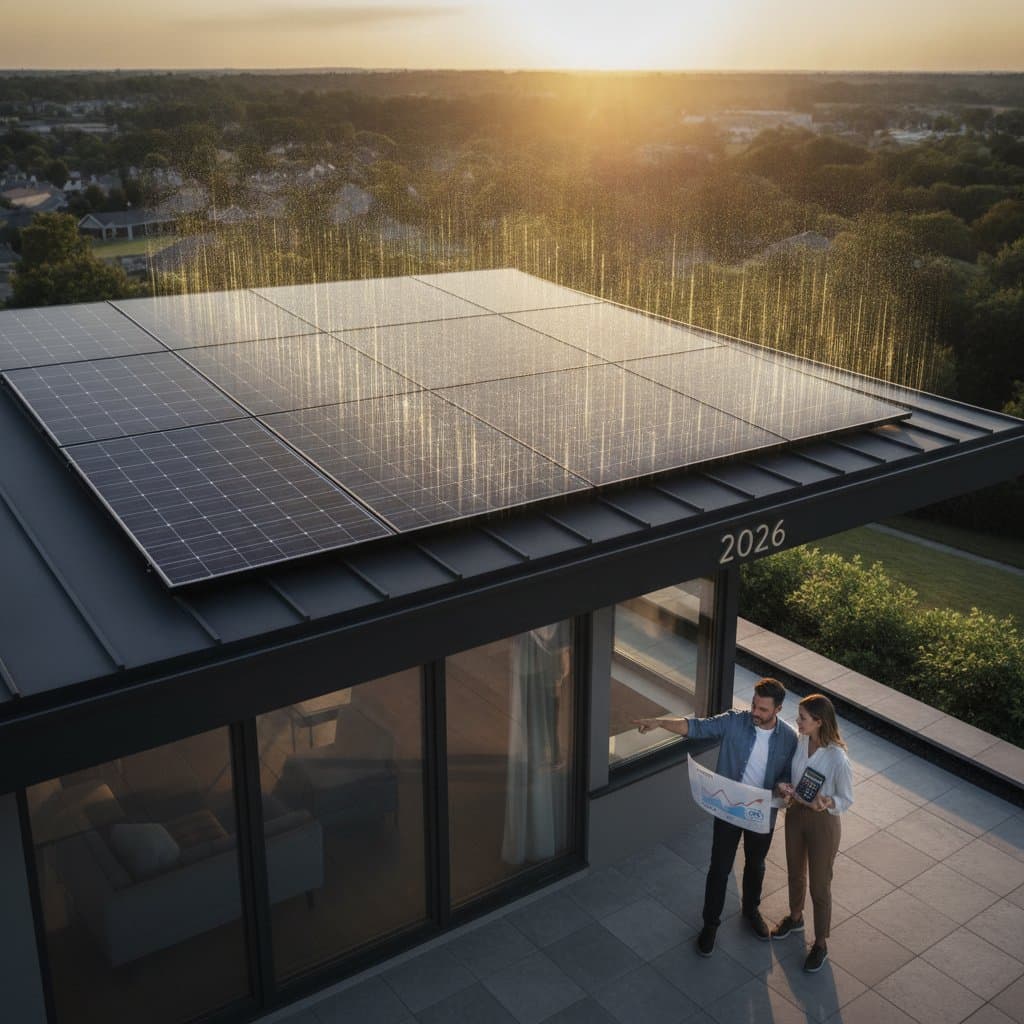
Upcoming 2026 Tariffs to Boost Solar Panel Prices 40 Percent
For many homeowners, solar pricing already feels like a puzzle. Equipment quotes vary. Tax credits shift. Utility rate structures can be hard to decode. New import tariffs planned for the near future add another layer of complexity. Industry forecasts suggest that these tariffs could raise the price of imported solar panels by about 40 percent. That change could alter the economics of residential solar projects, at least temporarily.
This guide explains what those tariffs mean. It covers why they are being introduced. It also shows how homeowners can plan around them. The goal is to cut through the noise and give a clear picture of what to expect.
How Tariffs Affect Solar Equipment Costs
A residential solar system includes multiple cost categories. Panels usually make up about 30 to 35 percent of the total installed price. If the panels themselves increase by 40 percent, the total project cost could rise by about 12 to 15 percent.
Here is a simple example.
- Current equipment baseline: A 7 kW system might use around 18 panels rated at 390 watts each.
- Average installed cost: About 2.90 dollars per watt, or roughly 20,300 dollars total.
- Panel portion: Around 7,000 dollars of that total is panel cost.
- With a 40 percent tariff: The panel portion rises to about 9,800 dollars.
That change adds roughly 2,800 dollars to the full system price. The new total comes closer to 23,000 dollars. The rest of the components, such as inverters, racking, labor, and permitting, remain unchanged in this estimate.
Why Domestic Manufacturing Matters
The tariff plan aims to encourage more domestic production of solar cells and modules. Building factories takes time. Once capacity grows, local supply could stabilize pricing. Domestic panels also reduce shipping emissions and make quality control easier.
Some manufacturers are already expanding operations. They cite predictable demand and new federal incentives for clean energy manufacturing. If that growth continues, the price gap between imported and domestic panels could shrink. In the long term, homeowners may see more options for locally produced panels with competitive efficiency ratings.
Incentives That Can Offset Higher Costs
Several incentives can soften the impact of rising equipment prices.
- Federal investment tax credit: This credit covers a percentage of the total installation cost, including panels, inverters, and labor.
- State and local rebates: Many utility programs offer additional rebates for residential solar installations.
- Net billing or credit programs: When a system produces more power than the home uses, that energy can offset future bills.
- Solar renewable energy certificates (SRECs): In some regions, homeowners can sell certificates for the clean power their systems produce.
When combined, these incentives can still make solar a strong financial decision, even with tariff-related price increases.
Planning Ahead for the Price Shift
Homeowners considering solar should approach the next phase strategically. Request updated quotes soon. Many installers honor current pricing for systems contracted before tariffs begin. Compare panel efficiency ratings. A higher-efficiency panel can reduce the number of modules needed, offsetting some cost increases. Review financing terms. Fixed-rate solar loans or home equity loans can lock in favorable repayment conditions before prices rise. Stay informed about local incentives. Programs change, and timing can make a large difference in total savings.
Early preparation can help homeowners capture maximum value and avoid supply bottlenecks once tariffs begin.
Maintenance and Long-Term Value
Once installed, solar systems require minimal upkeep. Cleaning panels once or twice a year and checking for shade from new vegetation keeps performance stable. Monitoring software makes it easy to track daily production and detect any drop in output early.
Most inverters need replacement after about 10 to 15 years. Panels typically degrade at about half a percent per year. Even after two decades, many panels still produce over 85 percent of their original output.
A well-maintained system continues to deliver savings long after it pays for itself. Even modest price increases at installation remain manageable over the full lifecycle.
Common Questions About the Tariffs
How large will the upcoming solar panel tariff be?
Analysts expect an increase that could raise imported panel prices by about 40 percent.
Will all panels be affected?
No. Tariffs usually target specific countries or product types. Domestic panels and some imports from tariff-exempt regions may remain unaffected.
Can homeowners lock in lower prices before the change?
Yes. Signing a contract for installation before tariffs take effect can secure current equipment pricing if inventory is available.
How much more expensive will a typical home system become?
A mid-size residential system could rise by around 2,000 to 3,000 dollars depending on panel brand and supplier.
Do higher panel costs reduce return on investment?
Slightly, but not drastically. Longer payback periods remain reasonable given system longevity and ongoing utility savings.
Are domestic panels as efficient as imported ones?
Many domestic models now match imported versions in efficiency, with similar warranty coverage.
Will incentives change when tariffs start?
Core incentives like the federal tax credit are expected to continue. Local and state programs may update based on market conditions.
Is it better to wait for domestic panel prices to stabilize?
That depends on personal goals. Waiting could mean missing current incentives or lower utility bill savings in the meantime.
Will installers run out of panels before tariffs begin?
Some supply pressure is possible. Reputable installers are managing inventory carefully to meet demand.