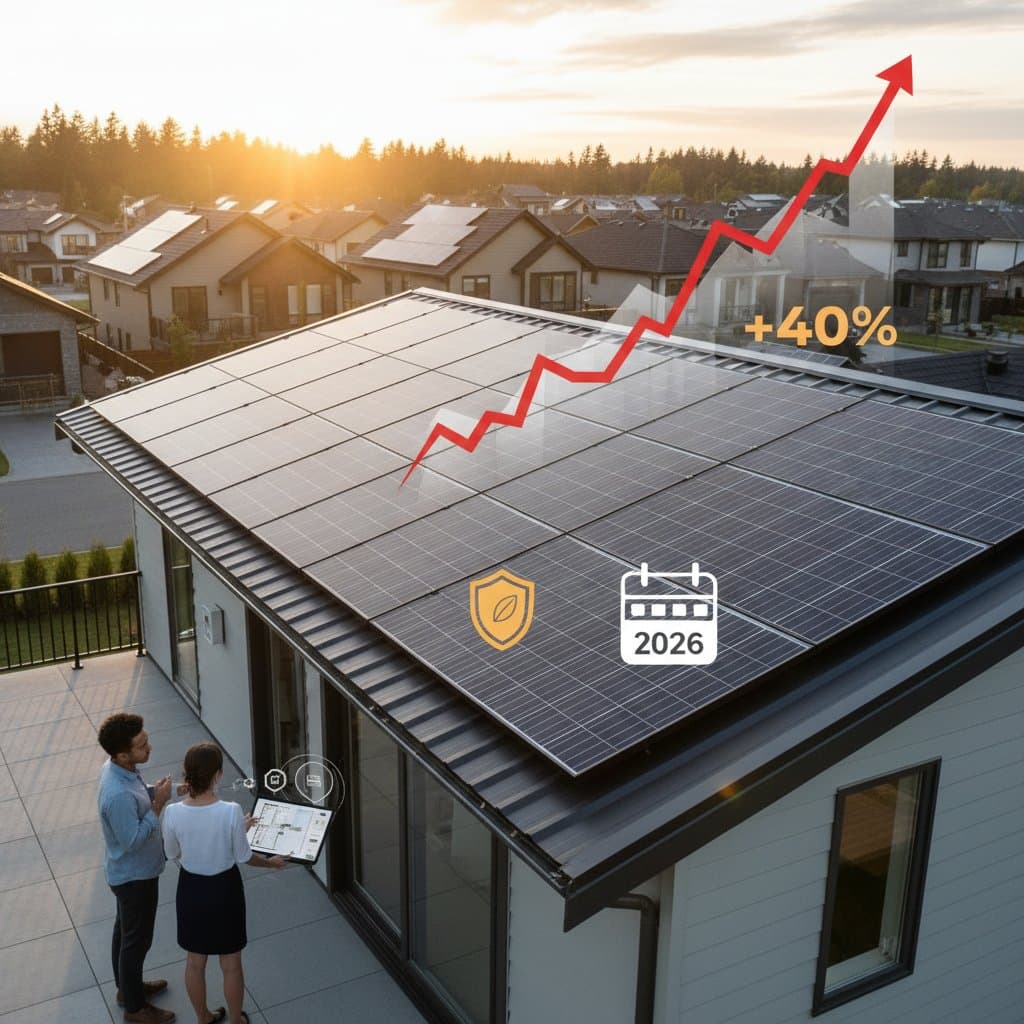
2026 Tariffs Could Push Solar Costs Up 40 Percent
Projected 2026 tariffs could raise solar panel prices by up to 40 percent. This guide explains supply impacts, cost examples, and practical steps to protect savings through timing and incentives.
Loading...
Projected 2026 tariffs could raise solar panel prices by up to 40 percent. This guide explains supply impacts, cost examples, and practical steps to protect savings through timing and incentives.
New 2026 tariffs could raise U.S. solar panel costs by 5 to 10 percent and add up to 2000 dollars to typical home systems. Explore pricing impacts, payback changes, and timing strategies that help homeowners and installers lock in current rates.
New tariffs will raise solar panel prices by 25 percent by 2026. Philadelphia homeowners can protect project costs and long term savings by understanding timing, financing, and contractor selection steps.
New 2026 solar tariffs will raise imported panel prices and add several hundred dollars to typical residential systems. Homeowners can still control costs by requesting quotes early, confirming inventory, and locking in current rates before duties take effect.
Starting in 2026, new import tariffs will raise solar equipment costs, impacting both residential and commercial projects. Prices for panels, inverters, and hardware are expected to climb as supply chains adjust. Acting early can help homeowners and businesses minimize tariff-driven expenses.
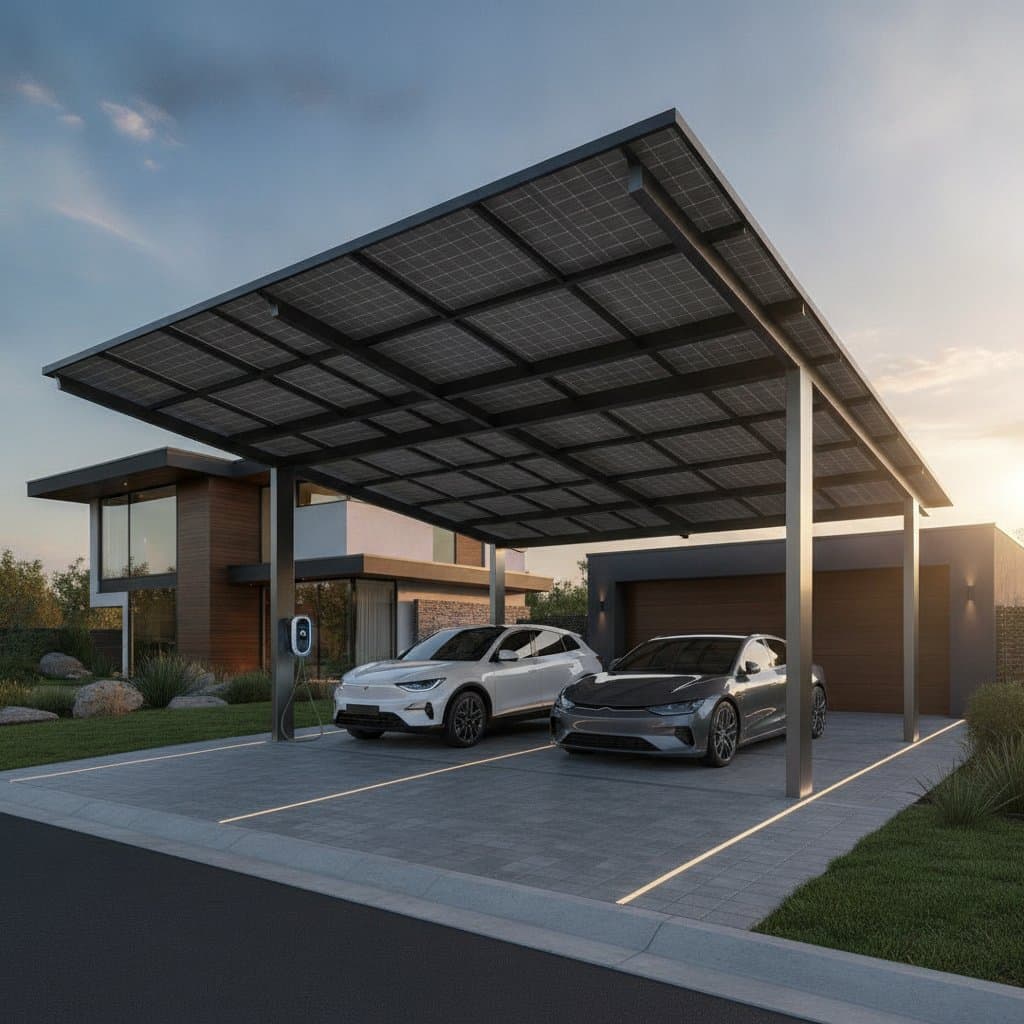
Transform your driveway into a power source with a solar canopy carport. These structures generate renewable energy, protect vehicles, and increase property value while supporting electric vehicle charging.
Despite new tariffs nudging solar prices up by about 3 to 5 percent installing solar in 2026 remains a strong investment. Philadelphia homeowners still see quick payback lasting savings and growing domestic supply options. Learn how tariffs incentives and smart planning can keep your solar project affordable and future ready.
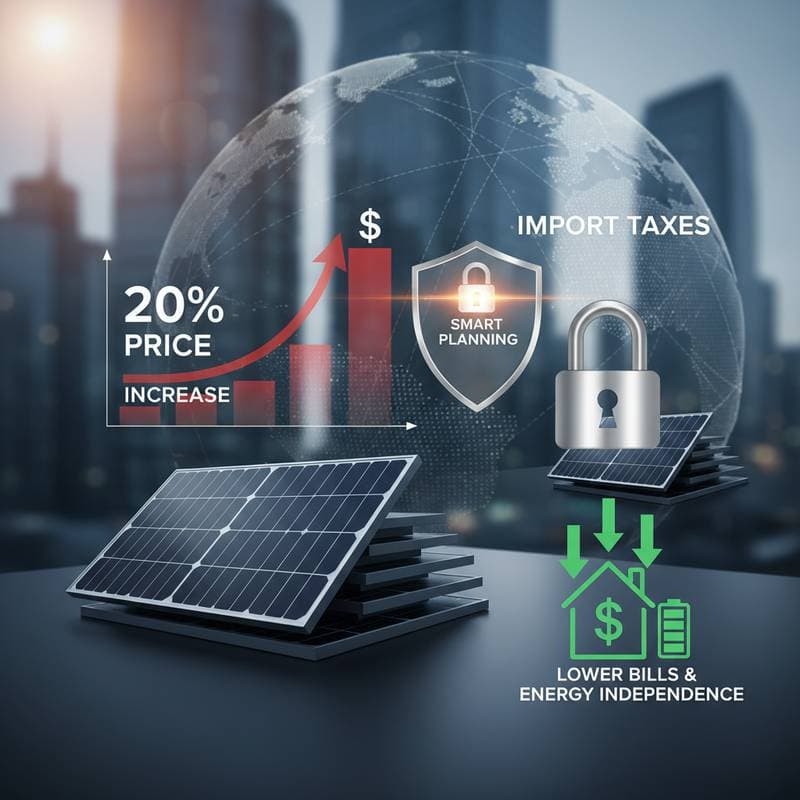
New 2026 solar tariffs could raise panel prices by up to twenty percent. Discover how these changes influence project budgets and what actions protect your investment in solar energy.
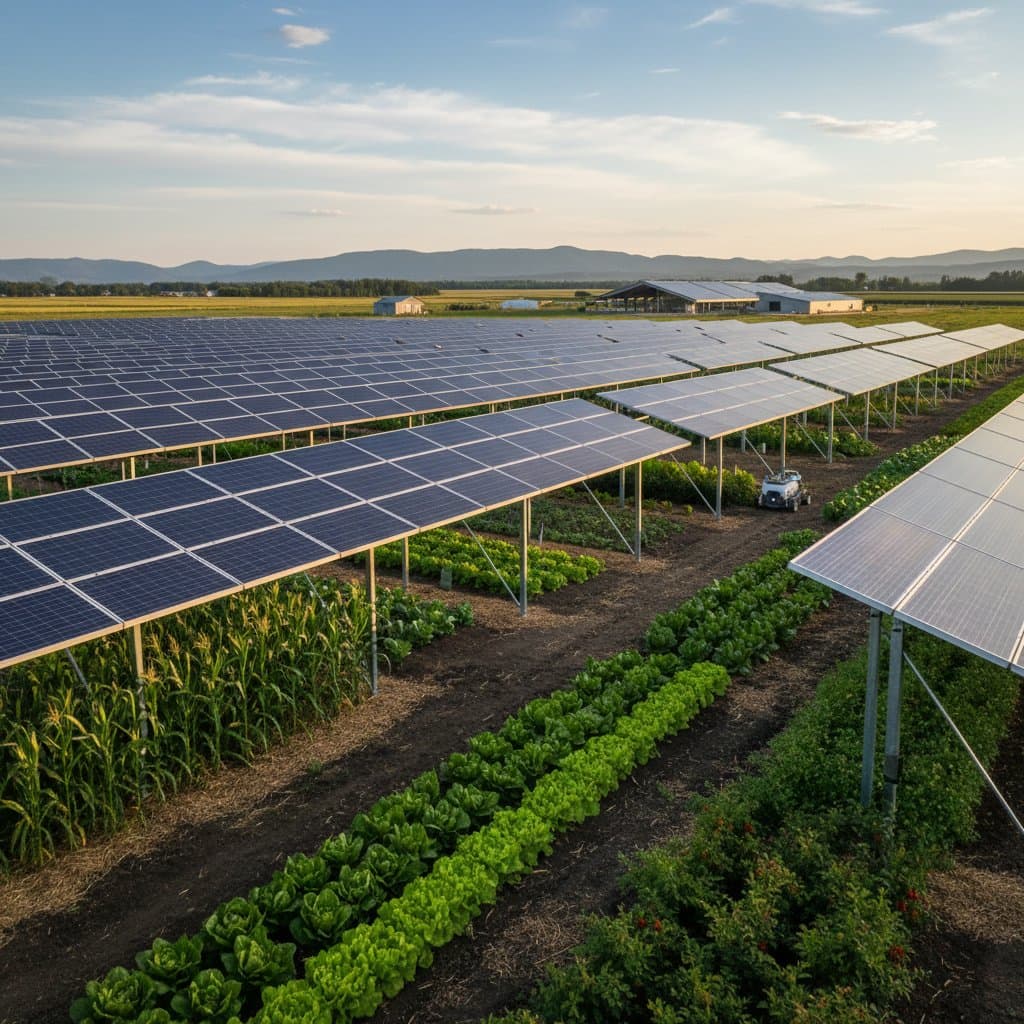
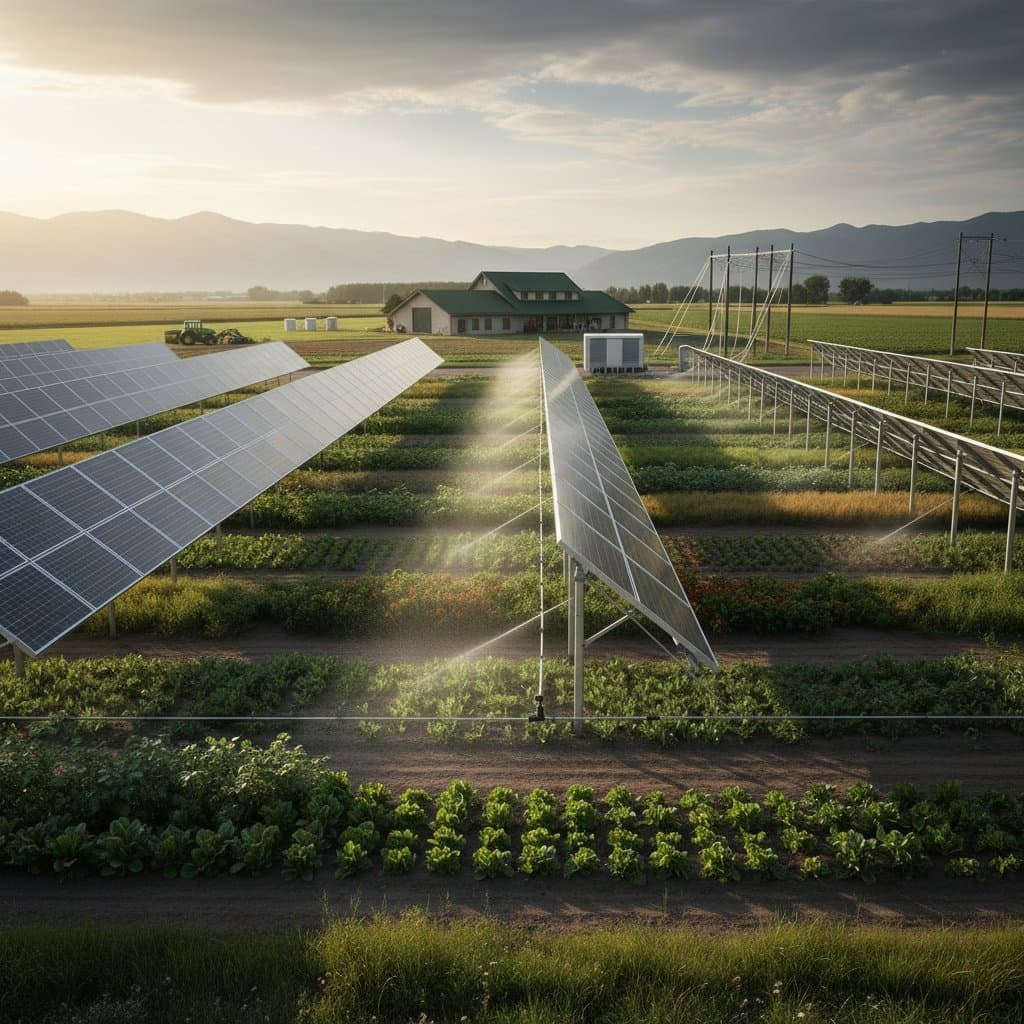
Agrivoltaics merges solar energy and agriculture so crops and panels share the same land. Optimized designs let farmers generate power, maintain soil health, and increase income while incentives lower upfront costs.
New 2026 import rules may raise solar panel prices modestly, yet incentives and expanding domestic manufacturing support solar as a strong investment. Explore how tariffs, local production, and rebates shape costs while discovering steps to plan effectively and maximize savings.
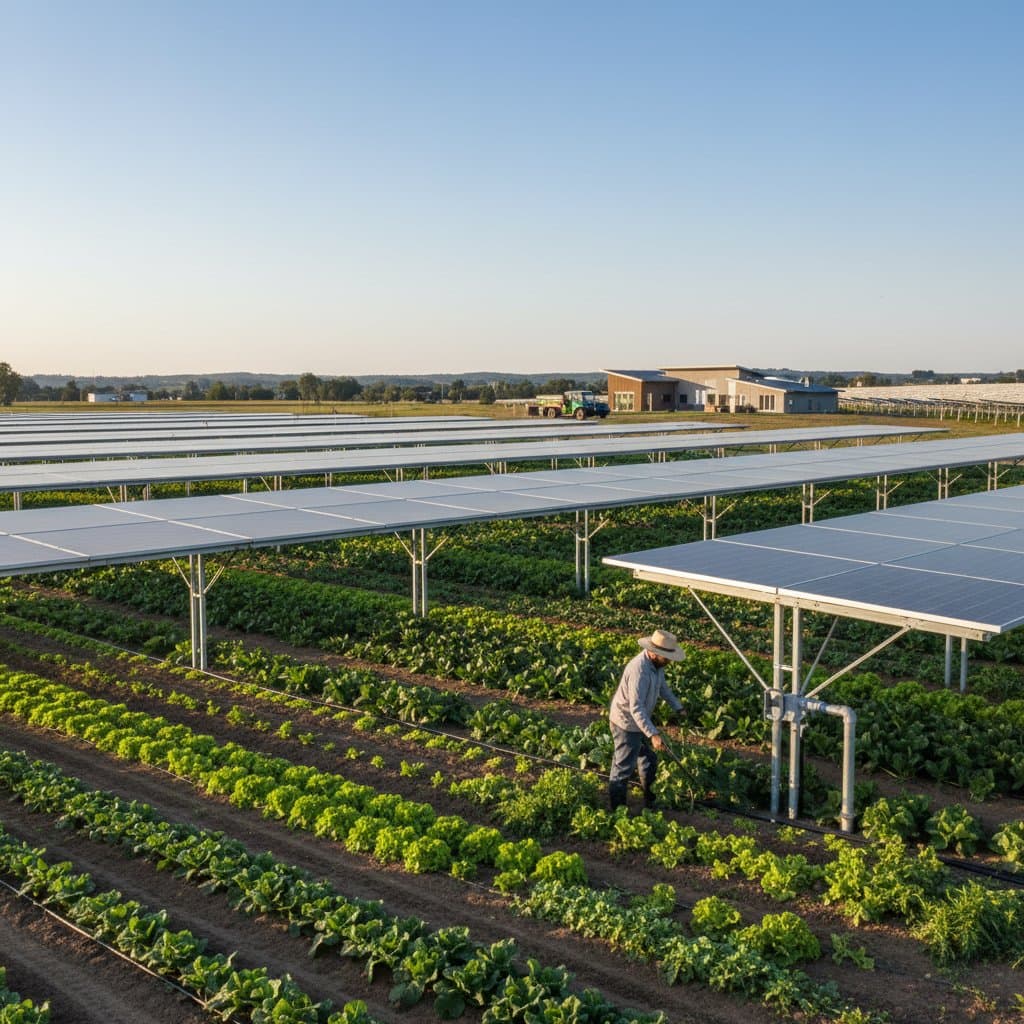
Agrivoltaics places elevated solar arrays above active farmland so growers produce food and electricity on the same acres. Partial shade lowers irrigation needs while lease payments or power sales strengthen farm finances.
Potential 2026 tariffs may increase solar panel costs by as much as 40 percent and extend system payback periods. This guide outlines the reasons behind the tariffs, their effects on homeowners, and targeted strategies to manage expenses through incentives and efficiency measures.
Agrivoltaics merges farming and solar power on the same land. Farmers gain extra income, conserve water, and stabilize yields while generating electricity. Incentives and advancing technology make 2026 a pivotal year for this dual-use approach.
Upcoming 2026 tariffs could raise solar panel costs by up to 40 percent. This guide explains what drives the price hike, how incentives and smart planning can offset costs, and why solar remains a strong long-term investment despite short-term market shifts.
Upcoming 2026 tariffs may increase solar system costs by hundreds to thousands of dollars and extend payback periods. Homeowners can protect savings by acting before tariffs apply, using federal and state incentives, and confirming panel sourcing. Proper timing and preparation help maintain investment value.
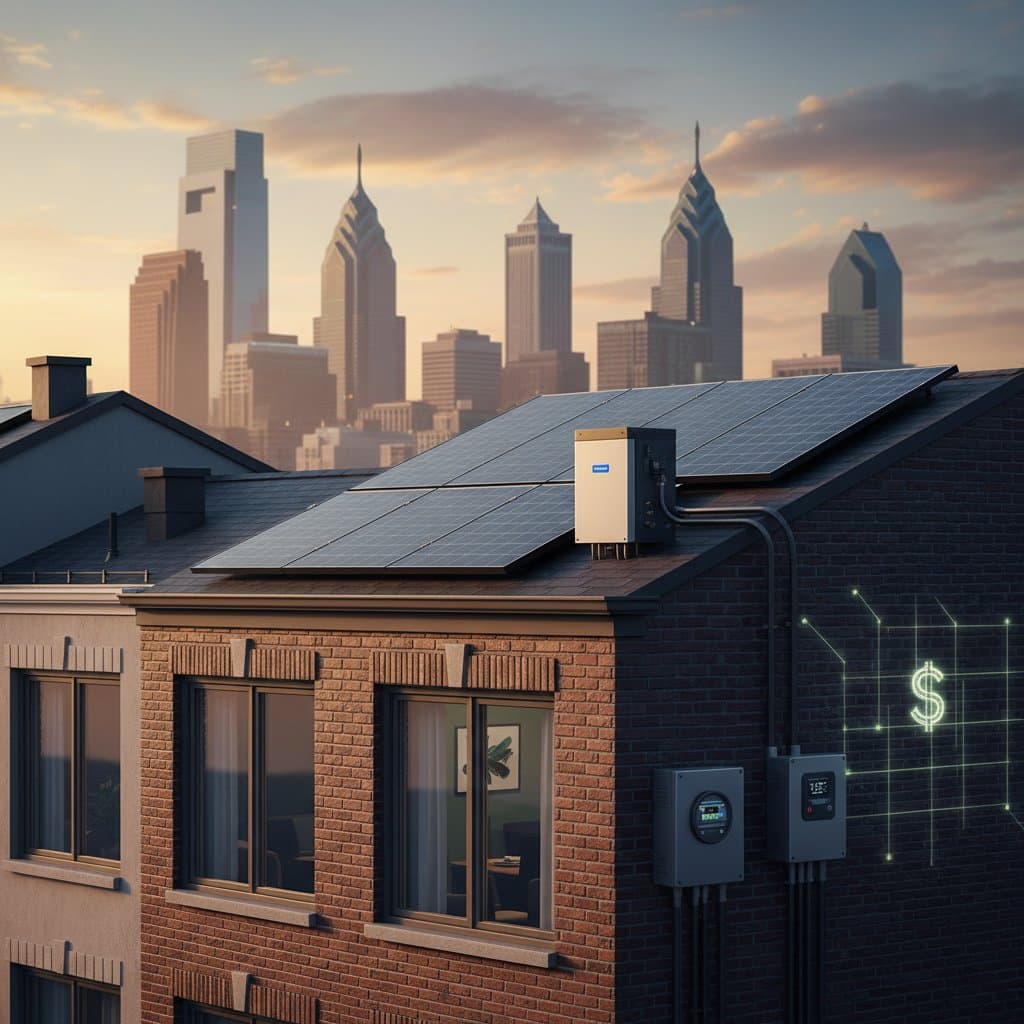
Philadelphia homeowners can turn sunlight into steady income. Grid-interactive solar systems combine panels, batteries, and smart inverters to store and sell power back to the grid, earning up to $800 annually by 2026 through energy arbitrage and grid programs.
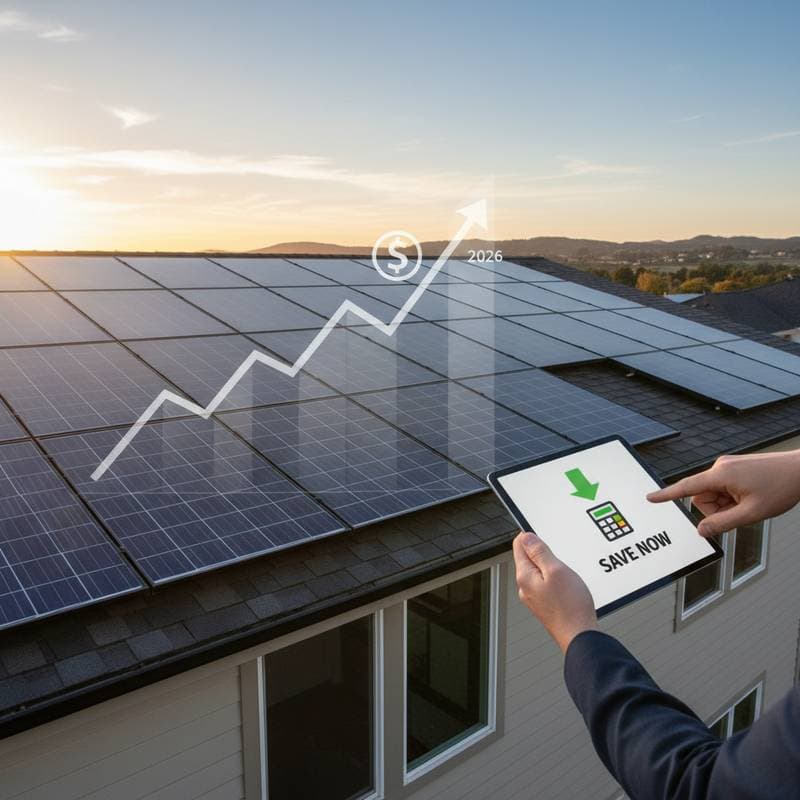
Solar panel prices could surge up to 40 percent when new 2026 tariffs take effect. Homeowners can act now to secure lower costs, faster payback periods, and available incentives before supply strains reshape the market.
Philadelphia residents can reduce electric bills by up to 20% through community solar programs. No rooftop panels, maintenance, or upfront costs required for PECO customers.
Upcoming solar tariffs could alter panel prices and project timelines. Homeowners can limit the impact by requesting clear quotes, locking in contracts early, and confirming incentive eligibility.
New 2026 solar tariffs could raise installation costs for U.S. homeowners, but smart timing and incentives can offset the impact. Understanding how tariffs affect pricing, supply chains, and project planning helps families act early, lock in savings, and still achieve strong long-term returns from clean, reliable solar energy investments.