
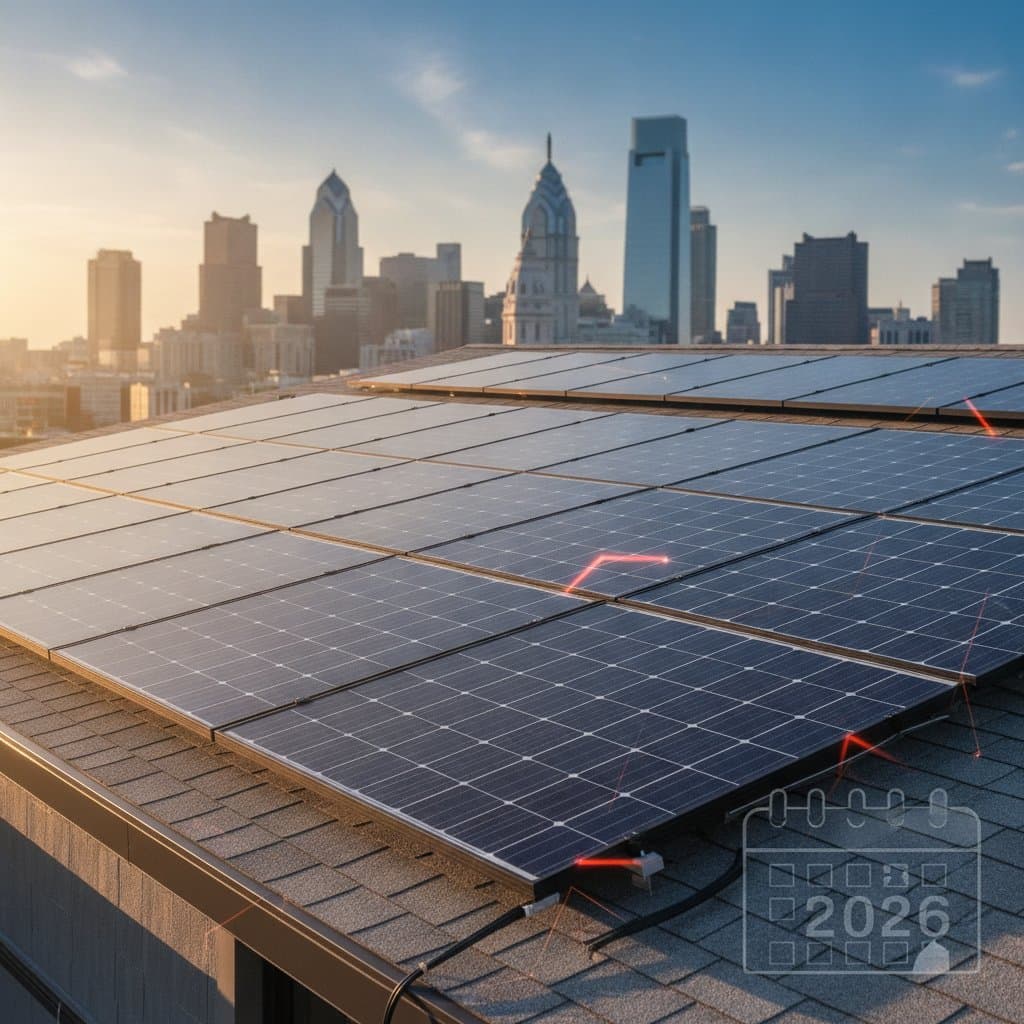
Expect 40 Percent Higher Solar Panel Prices From 2026 Tariffs
Many homeowners are hearing warnings that solar panel prices will jump soon. The reason is new tariffs on imported solar equipment that are expected to raise costs by as much as 40 percent. For anyone in the Philadelphia area thinking about going solar, this change matters because it can affect project timing, system size, and return on investment. The good news is that you still have time to act before the tariffs take full effect.
Why Solar Costs Are Rising
Most solar panels used in residential projects are imported. When tariffs increase, manufacturers and suppliers adjust their prices to maintain margins. A 40 percent tariff does not mean a direct 40 percent increase in system cost. However, it can raise the hardware portion significantly. Panels, inverters, and mounting hardware make up about half of a typical system price. Therefore a 40 percent tariff on panels could lift total project costs by about 15 to 20 percent.
If a 7 kilowatt system currently costs about 18000 dollars before incentives, a 20 percent increase could push that price to around 21600 dollars. That difference can lengthen payback times by one to two years. For homeowners already comparing quotes, that is a strong reason to move forward sooner rather than later.
How Solar Works and Why It Still Pays Off
Each panel converts sunlight into direct current electricity through a silicon cell. The inverter changes that current to alternating current used in your home. A 7 kilowatt system in the Philadelphia region typically produces about 9100 kilowatt hours per year. At a retail electricity rate of 24 cents per kilowatt hour, that saves about 2180 dollars a year before fixed fees. Even with higher equipment costs, the long term savings remain strong.
Solar panels usually come with a 25 year performance warranty and degrade by less than half a percent per year. That means your system can still generate about 87 percent of its original output after two decades. The financial math still works, and the environmental benefits keep growing over time.
Incentives That Help Offset Tariffs
Federal tax credits, state rebates, and renewable energy certificates can reduce upfront costs by 30 to 50 percent. These incentives apply to the total system price. Therefore even if tariffs raise equipment costs, tax credits still offset a large portion. For example, if your total system cost climbs from 18000 to 21600 dollars, a 30 percent credit still brings your net cost down to about 15120 dollars.
In Pennsylvania, homeowners can also earn Solar Renewable Energy Credits for every megawatt hour they generate. At common market rates, these credits can add 300 to 400 dollars of value each year. That helps shorten payback periods even with rising hardware costs.
Practical Steps Before Tariffs Raise Prices
- Gather your utility data. Download 12 months of electric bills to see your average monthly usage in kilowatt hours.
- Get multiple quotes. Use the same assumptions for each installer, including system size, roof tilt, and shading.
- Ask about supply chain timing. Some local installers already have panel inventory that will not be affected by the new tariffs.
- Check financing options. Low interest solar loans or home equity lines can lock in affordable payments before costs rise.
- Confirm interconnection and permits. Starting early ensures your system is installed and energized before the tariff driven price jumps.
Balancing Immediate Savings and Long Term Value
Buying panels before tariffs take effect can save thousands of dollars. Still, quality and warranty coverage matter as much as price. A lower cost system with poor components can lose value through lower efficiency or shorter lifespan. Look for modules with efficiency above 20 percent and inverters with 10 year warranties or more.
If your roof will need replacement soon, coordinate both projects together. Installing solar on a new roof prevents double labor costs later. This combined approach often adds only about 3000 dollars but extends roof life and system reliability.
Lifestyle and Efficiency Moves That Boost Solar Value
Reducing energy use before or after installing solar makes your investment go further. Try these steps:
- Replace older bulbs with LEDs that use 75 percent less electricity.
- Run laundry on cold and dry full loads.
- Seal air leaks around windows and doors.
- Use a smart thermostat and set back temperatures when away.
- Schedule HVAC filter changes every two to three months.
Each of these actions can cut annual consumption by 10 to 20 percent. This allows a smaller solar system to cover more of your needs.
What to Expect After Installation
Regular maintenance is simple. Rinse panels with water once or twice a year to remove dust. Check inverter readouts monthly to ensure production matches expected values. Most systems now include online monitoring that alerts you if a panel or string underperforms. Keep records of warranty documents and installer contacts in case of future service needs.
Protect Your Budget and Support Clean Energy
Every household that installs solar before the new tariffs begin locks in current prices and helps stabilize local demand. Early adopters also create installation jobs and strengthen the regional clean energy market. Even if tariffs increase system prices, the long term shift toward domestic manufacturing could improve supply reliability and reduce transport emissions. Acting now protects your budget and supports a cleaner grid at the same time.
FAQ
1. How much could tariffs raise total system costs?
Expect about a 15 to 20 percent total cost increase, depending on how suppliers pass along the tariffs.
2. Should I wait for domestic panels to become cheaper?
Domestic production may expand, but cost parity could take years. If you want to capture current incentives and lower rates, starting sooner is usually better.