
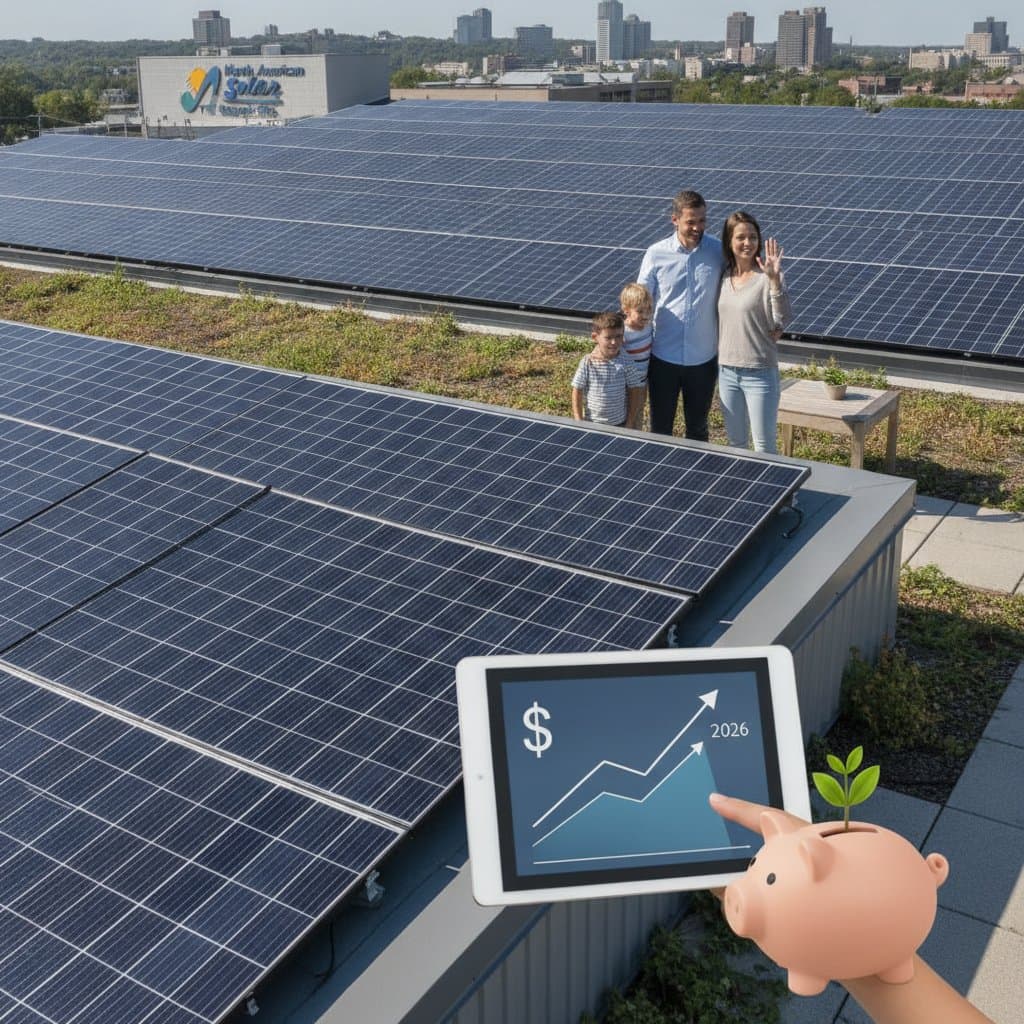
Actual 2026 Solar Panel Costs After Tariff Changes
For many homeowners solar pricing can seem unpredictable. Policy updates, global supply shifts, and import tariffs often create confusion about what solar power will actually cost. The recent tariff changes have raised questions about whether installing panels will remain affordable in the near term. The reality is more balanced than headlines suggest.
Prices have adjusted yet solar remains one of the most cost effective home energy upgrades available.
How Tariffs Affect Solar Pricing
Tariffs act as import taxes on solar panels and related components produced outside the country. When tariffs rise manufacturers and distributors often pass a portion of those costs to installers and eventually to homeowners. When tariffs fall or exemptions are introduced the supply chain can lower prices again though not always immediately.
Most residential panels come from large scale manufacturers overseas. A tariff adjustment of 10 to 15 percent on imported modules typically increases retail system prices by about 3 to 5 percent. For a standard 7 kW system that can mean an added cost of around 700 to 1000 dollars. The exact impact depends on the installer sourcing supplier contracts and whether domestic or imported panels are used.
Baseline Solar Costs Before and After Tariff Changes
Before the tariff update a fully installed residential solar system in Philadelphia averaged about 2.70 dollars per watt. After the new tariff structure many quotes now fall between 2.80 and 3.00 dollars per watt. This range includes panels inverters racking labor and permitting.
A typical 7 kW system at 2.80 dollars per watt totals roughly 19600 dollars. With the federal tax credit covering 30 percent the net cost drops to about 13720 dollars. If the same system were priced at 3.00 dollars per watt because of tariff effects the total would reach 21000 dollars and after the credit the homeowner would pay about 14700 dollars.
That 980 dollar difference illustrates how tariff adjustments influence upfront costs without changing the long term savings picture dramatically.
Why Solar Still Delivers Strong Returns
Even with slightly higher equipment costs solar continues to offer reliable financial returns. A 7 kW system in the Philadelphia region produces about 9100 kilowatt hours per year assuming 1300 kWh per kW. At an average electricity rate of 18 cents per kWh that output offsets about 1640 dollars in annual utility bills.
If that homeowner invested roughly 14000 dollars after incentives the system would pay for itself in about 8.5 years. Since panels typically carry a 25 year performance warranty and degrade about 0.5 percent yearly the system should still produce more than 8000 kWh annually near the end of its life. Over two decades total bill savings can reach 30000 dollars or more even after accounting for minor maintenance.
Local Variables That Influence Final Pricing
Solar pricing is always a mix of equipment labor and soft costs. In Philadelphia labor rates and permitting fees can vary between zip codes. Homes with steep or shaded roofs often need extra racking or microinverters which can add 500 to 1000 dollars.
Utility rules also matter. Some customers under time of use rates benefit from pairing solar with storage while others see better returns with a grid only system. Storage adds cost but it can improve power reliability and help avoid peak charges.
Incentive programs at the state and municipal level may offset part of these additions. Reviewing the Pennsylvania Sunshine Program local rebate lists and net billing terms can reveal extra savings beyond the federal credit.
How Supply Chain Shifts Influence Availability
The solar supply chain has become more diversified with more panel assembly now occurring domestically. This trend reduces dependence on imported cells which softens the effect of tariffs. Some installers now offer hybrid systems using both domestic and imported modules balancing cost and performance.
Delays that once stretched installations out for several months are easing as warehouses stabilize inventory. For most residential projects the full process from contract to activation now takes six to ten weeks depending on permitting speed.
Comparing Tier Options Budget Versus Premium Panels
Budget panels under tariff pressure might cost 0.10 to 0.20 dollars more per watt while premium panels with higher efficiency ratings remain mostly stable. A 400 watt tier one panel might cost 220 dollars before tariffs while an imported equivalent could reach 240 dollars. The efficiency gain from premium panels often 1 to 2 percent higher can offset that price difference over time by producing more energy in the same roof space.
When evaluating quotes homeowners should compare total system output not just cost per watt. A slightly higher priced system with better energy yield can produce greater lifetime savings.
What Homeowners Can Do Now
Homeowners planning to install solar soon can take several steps to lock in favorable pricing:
- Request multiple bids. Compare at least three quotes to see how each installer manages tariff related costs.
- Ask about inventory. Installers with stock on hand may honor pre tariff pricing.
- Review domestic panel options. Some United States made modules qualify for extra incentives or lower delivery fees.
- Check incentive expiration dates. Rebates can shift as funding cycles renew.
- Consider system expansion later. Installing conduit for future panels or batteries can save labor costs down the line.
Protecting Long Term Performance
Routine maintenance protects performance and long term savings. Clean panels once or twice a year with soft water and a non abrasive brush. Inspect wiring and mounting after major storms. Review production data monthly to confirm output matches projections. If output drops more than 10 percent unexpectedly schedule a diagnostic check with your installer. Most systems include online monitoring that alerts you to inverter or string issues quickly.