
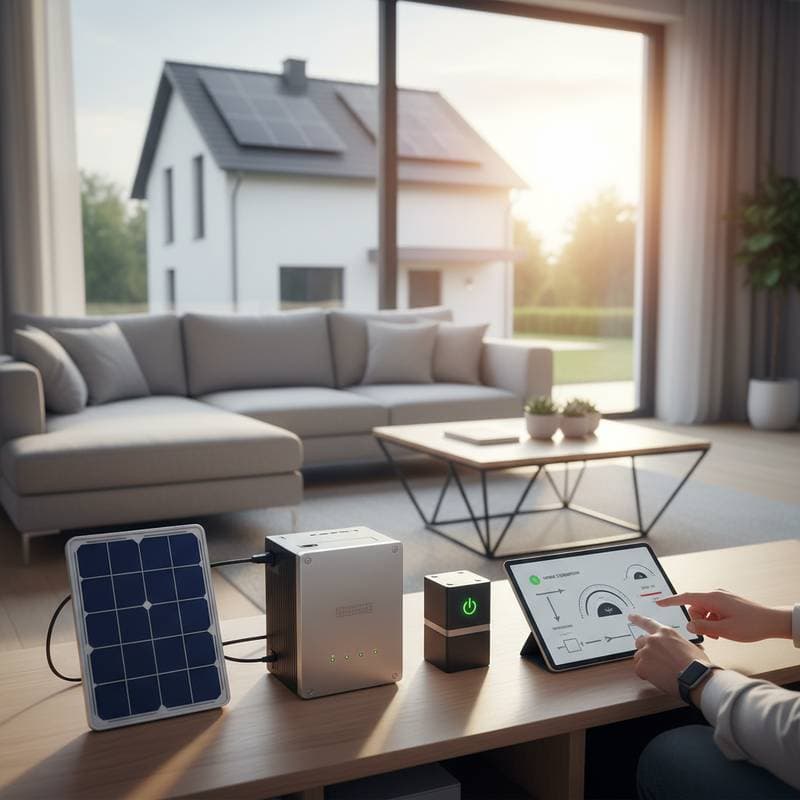
Unlock Energy Independence with a $15,000 DIY Solar System in 2025
Homeowners increasingly seek methods to reduce utility expenses and assume greater control over their energy consumption. Solar power provides a viable solution, and contemporary DIY solar kits enable the construction of a modest residential system for approximately fifteen thousand dollars. This guide details the process of planning, installing, and maintaining a secure, code-compliant solar system, including guidance on engaging a licensed professional when necessary.
Reasons for the Surge in DIY Solar Adoption
Individuals opt for solar energy primarily for financial benefits, self-sufficiency in power supply, and ecological contributions. A thoughtfully designed solar array diminishes monthly electricity expenses and offers protection against escalating rates. When integrated with a reserve battery, it sustains critical circuits during power disruptions.
DIY solar kits have diminished entry barriers. Numerous vendors now package panels, inverters, mounting systems, and cabling into comprehensive sets appropriate for typical residences. These assemblies streamline the design phase and curtail expenses by eliminating certain labor charges. Electrical safety and adherence to codes remain paramount, however. All connections must align with local and national regulations upheld by the relevant oversight authority.
Prioritize Safety: Recognize Personal Boundaries
Prior to handling any wiring, recognize that solar installations manage substantial voltage and amperage levels. An error may result in fire, electrocution, or device malfunction. Proceed solely within areas of personal expertise and summon a licensed electrician for tasks involving energized lines or distribution panels.
Cease work and consult a professional if:
- Uncertainty exists regarding safe verification of voltage or current
- The project necessitates alterations to the primary service panel
- Interconnection with the utility grid is required
- Compliance with National Electrical Code (NEC) provisions for photovoltaic arrays cannot be assured
A certified electrician handles concluding connections, confirms torque specifications on terminals, and assesses insulation integrity. Their evaluation guarantees enduring performance and conformity with insurance stipulations.
Develop a Comprehensive Plan for Your DIY Solar System
Initiate with a structured approach. All solar endeavors commence with an energy assessment and an evaluation of the roof or site.
1. Calculate energy requirements.
Examine utility statements to determine average monthly usage in kilowatt-hours. Multiply this value by twelve for annual consumption. This data informs the scale of the system required to counterbalance usage.
2. Assess the roof.
A southward-oriented roof with limited obstructions is optimal. Asphalt shingle surfaces facilitate racking fixation more readily than tile or metal alternatives. Examine for moisture ingress or deterioration prior to panel placement, as subsequent removal incurs additional expense.
3. Review local regulations and permissions.
Local authorities might mandate electrical authorizations, structural endorsements, and utility linkage protocols. The NEC dictates standards for earthing, cable dimensions, and isolation mechanisms. Verify requirements with the municipal or county construction office before acquiring supplies.
4. Select the system configuration.
Choose among grid-connected, hybrid, or standalone variants.
- Grid-connected: Links directly to the utility network and permits surplus power export. Necessitates a metering device supporting net energy metering.
- Hybrid: Incorporates battery reserves for contingency while staying linked to the grid.
- Standalone: Operates independently, ideal for isolated structures or sites with restricted utility availability.
Components Included in a $15,000 DIY Solar Kit
A standard fifteen-thousand-dollar kit furnishes elements to generate approximately five to eight kilowatts, contingent on panel performance and geographic position. Contents typically encompass:
- Photovoltaic modules, often monocrystalline, with ratings from 350 to 450 watts per unit
- Central string inverter or individual microinverters
- Roof attachment fixtures and support rails
- Direct current cabling featuring connectors, consolidation enclosures, and earthing fasteners
- Alternating current isolation device
- Guidance manual and schematic illustrations
Kits generally omit implements, protective attire, authorizations, and storage units. Allocate funds accordingly. Reputable kits specify all elements as UL-certified, indicating fulfillment of established safety criteria.
Required Tools and Protective Gear
Electrical endeavors demand appropriate implements and safeguards. Refrain from improvising or neglecting protective measures.
Indispensable tools and supplies:
- Torque screwdriver or wrench calibrated to producer guidelines
- Contactless voltage detector
- Multimeter suitable for direct current assessments
- Cable insulation removers and compression tools
- Conduit shaping device and connectors
- Elevated-work ladder matching operational height
- Individual safeguards such as dielectric gloves, protective eyewear, and anti-fall restraints
Ensure implements remain functional and certified for electrical applications. Maintain a moisture-free, unobstructed workspace devoid of combustibles.
Installation Process: Step-by-Step Guidance
Installations differ by circumstance, yet adhere to these core phases. Observe producer directives meticulously and affirm torque on every electrical junction.
Step 1: Positioning and Securing Mounts
Identify rafter positions via a beam locator from the interior ceiling or roof base. Anchor brackets into load-bearing rafters with lag screws and sealants to avert leaks. Install rails per the designated arrangement.
Step 2: Affixing Panels
Fasten modules to rails employing intermediate and terminal clamps. Apply prescribed torque to each to inhibit movement. Confirm uniformity and intervals for ventilation under panels, preserving efficiency and thermal regulation.
Step 3: Direct Current Connections
Link modules in series or parallel per inverter parameters. Employ secure connectors and sealed distribution boxes. Mark each array distinctly. Validate orientation prior to inverter linkage.
Step 4: Inverter Placement and Alternating Current Routing
Position the inverter near the primary distribution panel. Attach direct current feeds from modules, then direct alternating current via an isolation switch to an assigned circuit interrupter in the panel. Adhere to NEC protocols for cable gauge, hue designation, and surge safeguards.
Step 5: Earthing and Equipotential Bonding
Connect all metallic components, such as frames and housings, to the grounding pathway. Effective earthing shields against surges and anomalies. Utilize approved earthing clamps and measure continuity via instrumentation.
Step 6: Verification and Activation
Prior to powering, request examination by the local regulatory body. Upon clearance, the utility authorizes operation. Activate the system only post-approval.
Pitfalls to Sidestep in DIY Installations
Oversights in minor aspects can undermine solar setups. Note these frequent issues:
- Insufficient cable dimensions prompting thermal buildup
- Insecure terminals or incorrect torque causing sparks
- Inadequate sealing at roof entries
- Inverted connections triggering inverter shutdowns
- Deficient earthing elevating electrocution hazards
Should an error indicator display on the inverter, deactivate the array and have a specialist inspect linkages.
DIY Versus Professional Setup: A Comparison
Self-installation economizes funds yet requires dedication, accuracy, and hazard consciousness. Certified installers command higher fees but manage planning, approvals, and verifications.
Benefits of DIY:
- Reduced initial outlay
- Practical education opportunity
- Flexible arrangement customization
Benefits of Professional Service:
- Labor and material assurances
- Full regulatory adherence and verification management
- Quicker execution with minimized hazards
A hybrid strategy proves effective. Numerous owners acquire kits independently but retain electricians for concluding alternating current integrations and oversight coordination.
Integrating Storage and Reserve Capabilities
Battery integration enhances system versatility. Lithium iron phosphate units prevail in residential storage for their stability and durability. A compact reserve sustains vital functions during interruptions, including illumination, cooling units, and connectivity devices.
When incorporating storage, confirm inverter compatibility with hybrid or isolated modes. Place units in ventilated spaces shielded from solar exposure. Comply with torque and spacing directives from producers. Faulty cabling or safeguards may ignite fires or impair components, rendering professional installation advisable for batteries.
Ongoing Upkeep and Efficiency Evaluations
Solar arrays demand little routine care but benefit from regular scrutiny.
Standard inspections involve:
- Panel cleansing with water and mild brushing biannually to clear accumulations
- Examination of roof fixings for leakage indicators
- Review of inverter interface for output figures and alerts
- Continuity testing of earthing via multimeter
If output declines abruptly, investigate obstructions or residue initially, followed by inverter voltage checks. Engage a specialist if measurements deviate markedly from projections.
Return on Investment and Available Supports
A fifteen-thousand-dollar array offsets substantial residential power demands. Recovery timelines fluctuate with regional tariffs and aid programs. National and regional initiatives furnish fiscal deductions or reimbursements that lessen effective expenses. Certain utilities compensate for grid-returned energy.
Retain records of device identifiers, approvals, and verification documents. These support eligibility for aids and assurance claims.
Importance of Superior Materials
Budget components tempt initially but compromise longevity. Select solely UL-endorsed panels, inverters, and fittings. Modules warrant validation from accredited evaluators. Advanced inverters feature integrated fault detection and arc interruption to mitigate ignition risks.
Expert Validation and Diagnostic Procedures
Professionals execute:
- Cable dimension and protection device confirmation
- Earthing pathway and bonding verification
- Termination torque assessment
- Insulation and voltage integrity testing
Sustaining Enduring Power Autonomy
To preserve self-reliance:
- Routinely access inverter metrics via application or online interface
- Log production monthly against anticipated outputs
- Arrange expert reviews biennially
Actionable Steps for Prospective Installers
- Collect utility invoices and compute annual consumption.
- Evaluate roof integrity and potential shadows.
- Consult local construction officials on authorization and verification needs.
- Evaluate three kit providers, confirming UL certifications.
- Arrange electrician assistance for terminal linkages and oversight.