
Understanding the Tariff Landscape
Recent policy shifts in the United States target imported solar components, primarily from Southeast Asia and China. These tariffs aim to bolster domestic manufacturing but introduce higher costs for consumers. Officials project implementation phases starting in 2024, with full effects materializing by 2026.
The policy builds on earlier measures, such as the 2018 tariffs on Chinese panels, which already increased prices temporarily. Now, broader applications cover modules assembled abroad, even with American cells. This change disrupts supply chains that kept costs low for the past decade.
Homeowners in regions like Philadelphia face direct implications, as local installers rely on these imports. The result points to a market adjustment that favors U.S.-made products, though availability remains limited.
Projected Price Increases and Market Dynamics
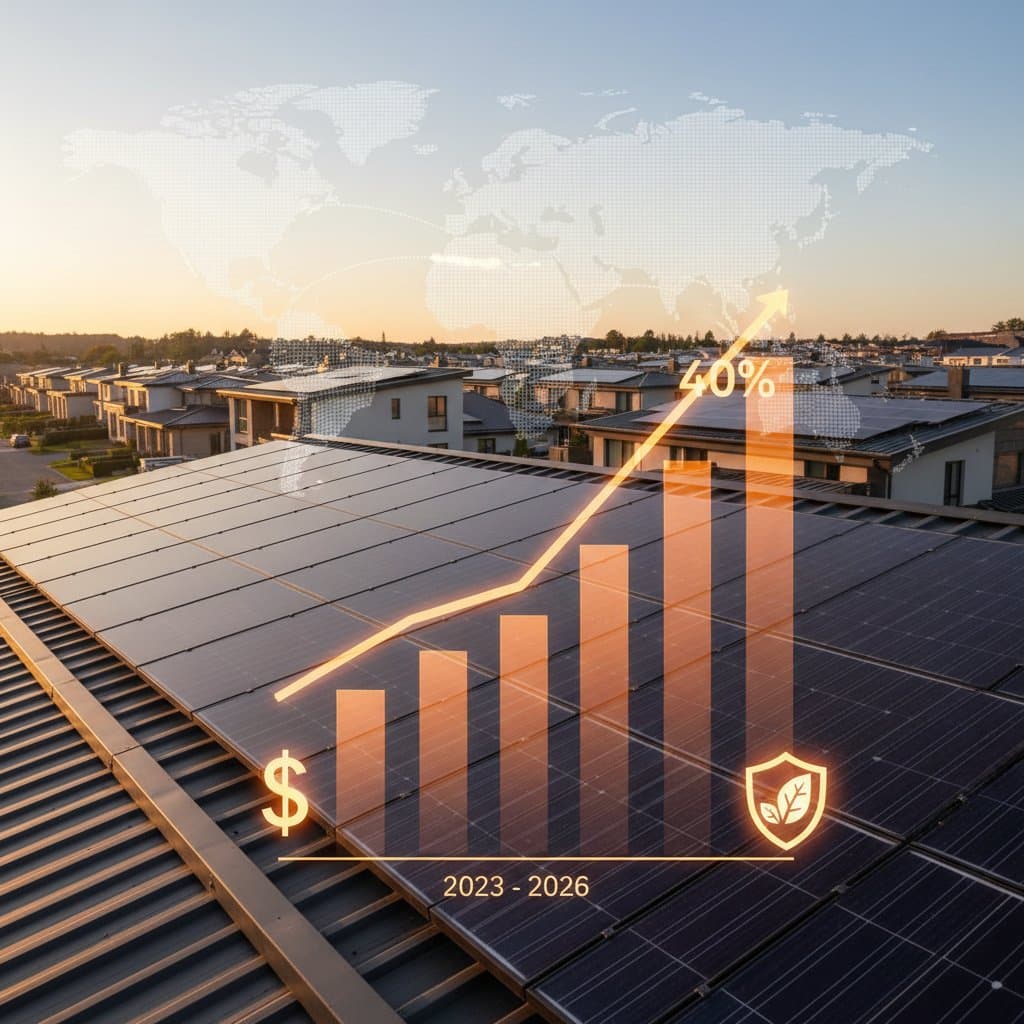
Analysts forecast a 40 percent rise in solar panel prices by 2026 due to these tariffs. Current average costs hover around 0.70 dollars per watt; tariffs could push this to 1.00 dollar per watt or higher. This escalation stems from added duties of 25 to 50 percent on key imports.
Supply chain reactions amplify the issue. Manufacturers may pass duties directly to buyers, while reduced competition slows innovation in affordable panels. In the short term, stockpiling before tariffs could stabilize prices into 2025, but long-term trends indicate sustained elevation.
For a typical 5-kilowatt residential system, this translates to an additional 1,500 to 2,000 dollars in panel costs alone. Installers report early signs, with quotes rising five to ten percent in recent months amid policy uncertainty.
Impacts on Overall Solar System Costs
Tariffs extend beyond panels to influence inverters, racking, and wiring, potentially adding ten to fifteen percent to total system expenses. Labor and permitting fees remain stable, but material hikes strain budgets for mid-sized installations common in urban areas.
Energy output stays consistent, so higher upfront costs lengthen payback periods from seven to ten years. Without adjustments, this deters adoption in moderate-sunshine states like Pennsylvania, where solar viability depends on cost efficiency.
However, the core value persists: systems generate free electricity for 25 years or more, offsetting rising utility rates. Homeowners must weigh immediate price pressures against lifetime savings exceeding 20,000 dollars per installation.
Federal and State Incentives to Counteract Rising Costs
The federal Investment Tax Credit covers 30 percent of system costs through 2032, directly reducing tariff burdens. For a 20,000-dollar system, this yields 6,000 dollars in savings, applicable regardless of import origins.
Pennsylvania offers additional rebates through programs like the Solar Renewable Energy Certificate market, providing up to 0.50 dollars per watt. Local utilities in Philadelphia, such as PECO, include net metering, crediting excess production at retail rates.
Stacking these incentives can offset 40 to 50 percent of total expenses, preserving affordability. Eligibility requires certified installers and proper documentation, ensuring compliance with evolving regulations.
Actionable Steps for Homeowners
Assess your energy needs with a professional audit to size the system accurately and maximize incentive returns. Schedule consultations before year-end 2024 to lock in pre-tariff pricing on components.
Compare quotes from multiple NABCEP-certified installers in the Philadelphia area, focusing on those sourcing domestic panels where possible. Explore financing options like solar loans with zero percent interest to spread costs without depleting savings.
- Conduct a site survey to evaluate roof suitability and shading.
- Review utility bills for annual consumption data.
- Apply for permits early to avoid delays.
- Monitor policy updates via state energy offices.
- Consider battery storage add-ons for enhanced resilience, eligible for separate credits.
These steps position homeowners to navigate price volatility effectively.
Securing Energy Independence Amid Policy Shifts
Installing solar now establishes a hedge against future utility hikes, projected at three to five percent annually. Systems deliver immediate bill reductions of 50 to 100 percent, fostering financial security in uncertain markets.
Beyond economics, solar enhances home resilience during outages and contributes to cleaner air in communities like Philadelphia. Long-term, it aligns with national goals for renewable expansion, ensuring sustained support.
Homeowners who act decisively reap compounded benefits: lower lifetime energy costs, environmental impact, and property value increases of four to six percent. Tariffs present challenges, yet solar remains a cornerstone of sustainable living.