
The Agrivoltaics Boom: Farming's Solar Profit Surge
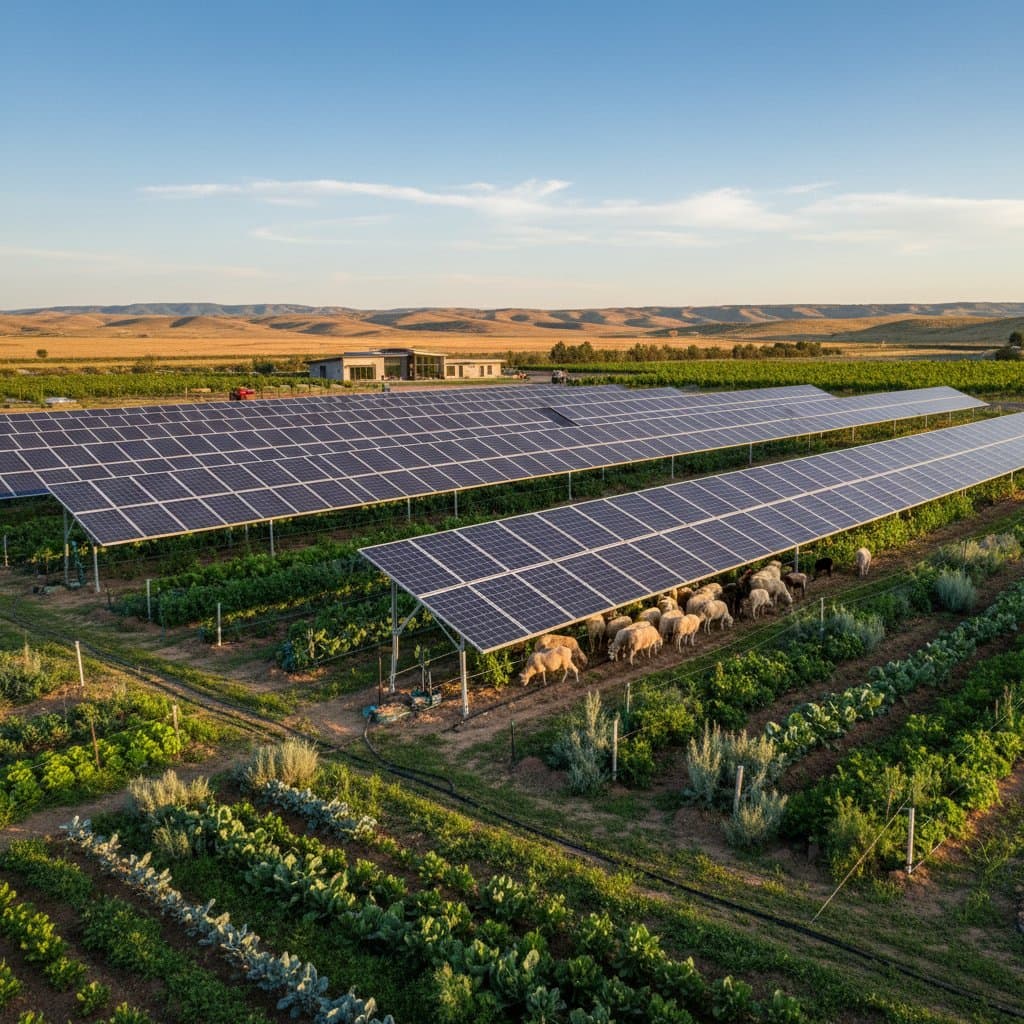
Agrivoltaics changes how farms approach sunlight, land use, and revenue. Solar panels share space with crops or livestock. Panels generate electricity while the land produces food or supports animals. This dual-use system stabilizes farm income, reduces operating costs, and advances clean energy goals without sacrificing productive farmland.
Farmers across agricultural regions seek methods to remain profitable amid rising input costs and shifting weather patterns. Agrivoltaics transforms sunlight into two outputs: electricity and food. Agricultural agencies, universities, and clean energy developers recognize this approach as a viable route to sustainable land management.
Why Agrivoltaics Works for Farms
Success in agrivoltaics requires careful balance. Solar panels position to allow crops sufficient light, airflow, and water. Installations feature elevated mounting and wider spacing compared to traditional solar farms. Partial shading mitigates plant heat stress and decreases water requirements.
Certain crops benefit from partial shade. Leafy greens, berries, and herbs often yield more under panels due to consistent soil moisture. Livestock gains advantages as well. Sheep graze effectively beneath panels, where shade lowers heat exposure and water needs.
The approach provides income stability. Sales of electricity or lease payments from solar developers create reliable revenue. This offsets volatility in crop prices or feed expenses.
Key Safety and Electrical Considerations
Solar arrays on farmland introduce electrical components into active fields. Prioritize safety from the outset. Engage a licensed electrician to assess electrical service, grounding, and capacity before installation.
Homeowners or farm operators must avoid these tasks without professional assistance:
- Connecting solar inverters or control panels to the main service.
- Modifying subpanels or feeders for new circuits.
- Repairing damaged conduit or exposed wiring.
General safety protocols for agrivoltaic systems include:
- Using wiring rated for outdoor conditions, protected from animals and machinery.
- Installing grounding electrodes per the National Electrical Code, verified with a torque screwdriver.
- Ensuring junction boxes remain watertight and accessible for inspections.
- Adding GFCI and AFCI protection as needed to guard against shocks and fires.
Halt operations and summon a licensed electrician if these issues arise:
- Frequent inverter faults or error codes.
- Breakers that trip and fail to reset.
- Corrosion or moisture in electrical enclosures.
- Damaged insulation on conductors or conduit.
Designing a Dual-Use Layout
Agrivoltaic design integrates electrical engineering, crop science, and farm operations. The objective maximizes energy production alongside agricultural yields.
Standard elements encompass:
- Elevated racking: Positions panels higher to permit equipment and animal access.
- Variable tilt angles: Allows adjustments for increased sunlight on crops during key growth phases.
- Drip irrigation integration: Shade cuts evaporation, enabling reduced irrigation volumes.
- Smart monitoring: Sensors measure soil temperature, humidity, and panel performance for optimizations.
Farmers typically collaborate with solar developers for engineering, permitting, and funding. The farm supplies land; the developer manages installation and upkeep. Options range from leases to revenue-sharing arrangements.
Economic Drivers Behind the Agrivoltaic Boom
The financial appeal of agrivoltaics lies in dual revenue from crops and electricity. The additional stream covers costs such as seeds, fuel, and equipment upkeep.
Income avenues consist of:
- Power purchase agreements with utilities or cooperatives.
- Direct electricity sales via community solar initiatives.
- Lease payments from solar developers.
- Renewable energy credits or regional incentives.
Research from the National Renewable Energy Laboratory indicates dual-use sites boost overall land productivity by up to 60 percent across both outputs. Not all crops suit this method, yet thoughtful planning delivers tangible gains.
Challenges and Misconceptions
Agrivoltaics does not suit every farm. Soil conditions, slopes, or drainage may complicate integration. Structural additions can hinder large machinery if layouts lack foresight.
Address these common misconceptions:
- Myth: Solar panels block excessive sunlight for crops.
Partial shade benefits many crops, particularly in warmer climates. - Myth: Maintenance costs exceed advantages.
Robust systems demand minimal upkeep; cleaning panels and managing vegetation align with routine farm tasks. - Myth: Panels desiccate soil.
Shading typically preserves moisture by limiting evaporation.
Environmental and Soil Health Benefits
Agrivoltaic setups lower soil temperatures and curb water loss through reduced sun exposure. This fosters better soil structure and microbial activity. Shaded zones minimize erosion in heavy rains.
Plant native grasses or pollinator habitats between rows. These draw helpful insects that aid adjacent crops. The strategy enhances biodiversity on operational land.
Livestock benefits distinctly. Grazers like sheep or goats control vegetation under panels, slashing mowing expenses. Manure enriches soil, completing the nutrient cycle.
Technology Trends Driving Adoption
Contemporary agrivoltaic systems employ sophisticated sensors for solar output, temperature, and soil data. Artificial intelligence processes this information to automate panel adjustments or irrigation timing.
Bifacial panels capture light from both surfaces. Ground reflections amplify energy yield without additional land.
Battery storage emerges as a vital advancement. Farms store surplus power for evening use in irrigation, cooling, or illumination. This lessens grid dependence and buffers against disruptions.
Regulatory and Permitting Context
Installations adhere to electrical and agricultural regulations. Local authorities review plans for electrical upgrades, structural integrity, zoning, and environmental effects near sensitive areas.
Permitting addresses:
- Electrical service enhancements.
- Panel support designs.
- Compliance with agricultural zoning.
- Assessments for wetlands or habitats.
Consult agricultural extension services and building departments prior to agreements. Certified installers handle documentation, though landowners bear ultimate compliance responsibility.
Insights from Universities and Pilot Projects
Agricultural institutions examine crop responses under panels. Findings highlight gains for lettuce, tomatoes, and grasses. Soil beneath panels cools by several degrees, easing root stress.
Pilots explore livestock pairings. Sheep under panels maintain weight gains with less heat strain. Evidence affirms solar setups enhance welfare alongside energy production.
Community and Policy Impacts
Agrivoltaics bolsters rural economies through construction and ongoing jobs. Farms with arrays advance local climate objectives while preserving food output.
Community solar enables residents to buy shares of farm-generated power. This expands energy access and retains funds locally. Some areas adjust property taxes for farms upholding agriculture under solar.
Policies advance with coordination between agricultural and energy bodies. Defined dual-use criteria preserve tax benefits for qualifying land.
Practical Steps for Farmers Considering Agrivoltaics
-
Evaluate your property.
Assess sun exposure, slope, soil, and irrigation. Favor consistent light and gentle inclines; steer clear of flood risks. -
Contact your local utility.
Inquire on interconnection, net metering, and capacity. System scale must align with grid limits. -
Obtain a professional site assessment.
A certified engineer or consultant projects energy potential and suggests crop-friendly layouts. -
Review financing options.
Land leases avoid initial outlays. Ownership promises greater returns but demands investment. -
Secure permits early.
Processes span months. Partner with installers versed in codes and zoning. -
Plan long-term maintenance.
Establish protocols for vegetation, livestock, and inspections. Arrange yearly electrician reviews.
Applications for Homeowners and Small Farms
Small operations and expansive homes adapt these concepts scaled down. Elevated solar covers gardens or shelters, powering pumps.
For such setups:
- Select outdoor-rated gear.
- Lock and label enclosures.
- Confirm code-compliant connections via licensed inspections.
- Ensure pathways for emergency access.
Building Resilient Farm Operations
Agrivoltaics integrates energy and agriculture to fortify farm viability. Early adopters secure advantages in revenue diversity, risk mitigation, and stewardship.
Gather proposals from certified developers. Evaluate yields, specs, and terms against agricultural references. This positions farms for sustained success in evolving landscapes.
Next Steps and Maintenance Guidance
Compare detailed proposals from multiple developers. Scrutinize energy projections, electrical details, and upkeep clauses. Reference prior farm installations for assurance.
Prioritize systems with:
- Robust safety features.
- Flexible designs for crop needs.
- Clear revenue models.
Annual checks ensure longevity. Engage electricians for grounding and wiring verifications. Integrate vegetation management into farm calendars to sustain dual productivity.